REVIEW · ABU DHABI
Al Ain Tour from Abu Dhabi
Book on Viator →Operated by Gray Line - Kurban Tours · Bookable on Viator
A desert town that feels like a secret garden. This Al Ain tour from Abu Dhabi is one day, packed with real heritage—especially Al Jahili Fort—and ends with big mountain views at Jebel Hafeet. I also love that lunch is handled for you, so you can focus on the sights instead of hunting for food.
The one thing to keep in mind is timing: it’s a fast day with short stops, and the Al Ain Oasis area includes a note that the related museum portion is currently closed for renovations.
In This Review
- Key things I think you’ll care about
- Leaving Abu Dhabi for Al Ain’s Garden City vibe
- Al Jahili Fort: the heritage stop most people remember
- Qasr al-Ain (Al Ain Palace): ruler-life, but with ordinary details
- Al Ain Oasis UNESCO: shaded walks and working farms
- Camel market and lunch: where the day turns lively
- Jebel Hafeet photo stop: big views and a mountain mood
- Green Mubazzarah: picnic energy at the mountain’s base
- How the pacing really works (and what to do about it)
- Price and value: what you’re paying for
- Guides, audio, and the difference good communication makes
- When plans shift: museum closures and schedule adjustments
- Who should book this Al Ain day trip
- Should you book this Al Ain Tour from Abu Dhabi?
- FAQ
- How long is the Al Ain day trip from Abu Dhabi?
- What time does the tour start?
- Do you get hotel pickup in Abu Dhabi?
- What’s included with the tour price?
- Are meals included, and are soft drinks part of the lunch?
- Which languages can the guide speak?
- Is the Al Ain National Museum open?
- FAQ
- Do I need to pay for Jebel Hafeet entry?
- Is the camel market stop part of the included itinerary?
- Can I cancel and get a full refund?
Key things I think you’ll care about
- Hotel pickup and an air-conditioned vehicle that keeps the long drive from feeling like a punishment
- A guided history route through forts, oasis life, and local markets (in several languages)
- Jebel Hafeet views plus hot-springs time—perfect if you want something beyond malls and skylines
- Al Ain Oasis UNESCO setting with shaded pathways and working-farm context (museum area may be closed)
- Camel market culture where the day feels local, not staged
- Lunch in a hotel setting with soft drinks so you’re not scrambling mid-itinerary
Leaving Abu Dhabi for Al Ain’s Garden City vibe
You start at 9:00 am, with pickup from your hotel in an air-conditioned vehicle. The day trip runs about 8 hours, which means you’ll spend plenty of time in the car, then make up for it with a tight sequence of stops in Al Ain.
The drive matters here. As you head toward Al Ain—the UAE’s Garden City—you get your first sense of why this place is different from the coastal look of Abu Dhabi. The route passes the rocky Hajar Mountains, so even before you reach Al Ain’s heritage sites, you’re already switching environments from flat city scenery to desert-meets-mountains.
You can also read our reviews of more tours and experiences in Abu Dhabi.



Al Jahili Fort: the heritage stop most people remember
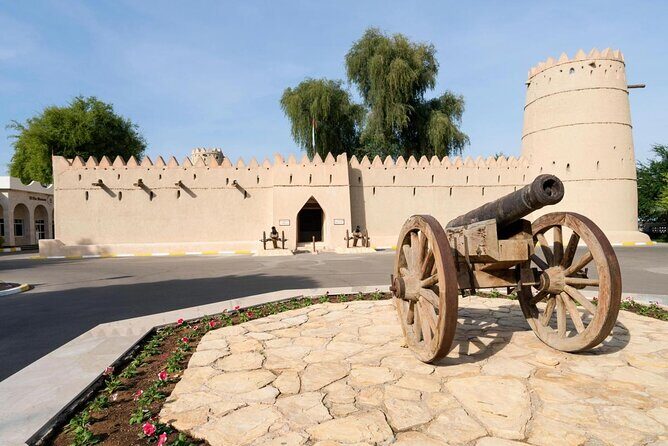
Your first major stop is Al Jahili Fort. This is one of the largest forts in the UAE, built in the 1890s on orders from Zayed The First. It also served as the home for members of the Al Nahyan ruling family, which helps you understand this wasn’t built as a random attraction—it was built for power and protection.
Expect around 30 minutes on-site, with an admission ticket included. I like this stop because it gives you context early. You learn what forts meant in daily life: security, administration, and a way to hold the region together in harsh terrain.
A small practical note: forts are photo-friendly, but the “best” angle can be quick to spot. If you like getting clear shots, I’d treat the first part of the visit as your photo sweep, then listen closely to the guide’s explanation after.
Qasr al-Ain (Al Ain Palace): ruler-life, but with ordinary details
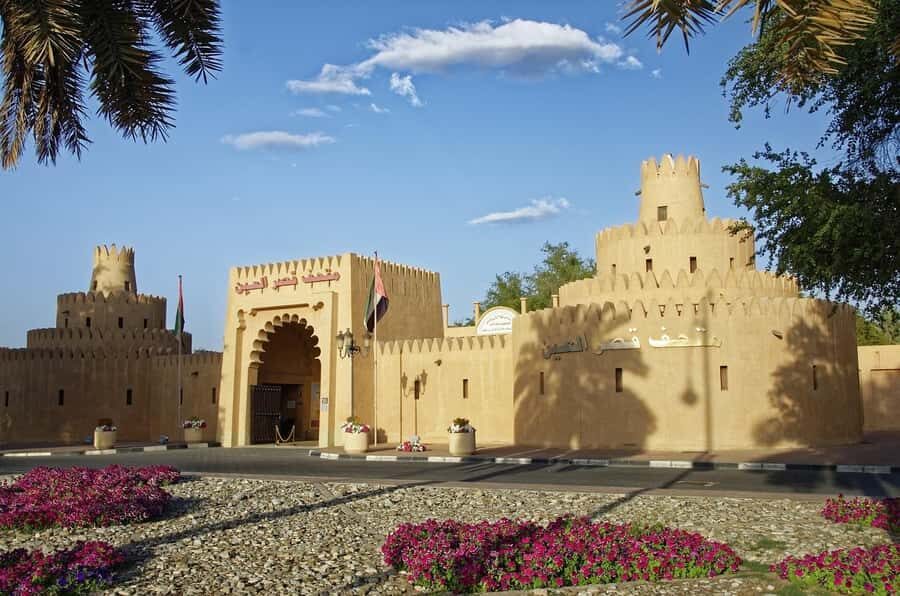
Next comes Qasr al-Ain, also called Al Ain Palace. It’s described as one of the best-reinstated forts in Abu Dhabi emirate, and today it functions as a museum showing everyday life inside a ruler’s fort.
A few specifics make it more interesting than a typical palace tour. The Bedouin style architecture dates back to 1937, and the site was converted into a museum in 1998. The museum focus is also tied to the late Sheikh Zayed and his family, who lived there before 1966, so it’s not just “old building + facts,” it’s “this is how life worked.”
One thing to watch: the tour includes this palace stop, but only Jahili Fort has a clearly stated included ticket. The practical way to handle this is simple: keep your ticket info and your guide’s guidance close at hand for each museum area.
Al Ain Oasis UNESCO: shaded walks and working farms
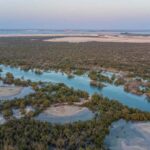
Then you head to Al Ain Oasis, a UNESCO World Heritage Site since 2011. The scale is the first surprise: it sprawls across about 3,000 acres, with a major system of shaded pathways winding through roughly 147,000 date palms.
This is the kind of place where you start understanding desert survival as a long-term project, not a quick trick. The oasis reflects that regionally people began taming the desert around 4,000 years ago. And the vegetation story is surprisingly detailed: up to around 100 different varieties of plants, plus widespread plantations that also function as working farms.
Important reality check: the tour info notes the related museum is currently closed for renovations. So if you were hoping for indoor exhibits, plan for an outdoor-focused visit—paths, trees, farm context, and seeing the living system rather than a full museum run.
If you’re traveling in hotter months, this stop is still a win because the pathways are designed to be shaded. Still, wear comfortable shoes. Oasis walking can be cooler than you’d expect, but you’re moving across a lot of ground.
Camel market and lunch: where the day turns lively
After the oasis context, you get a more human, louder experience at Al Ain’s camel market. This is a classic stop for people who want culture they can see up close, not culture behind velvet ropes.
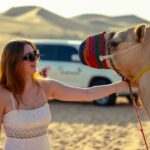
Here’s what makes it specific: you’ll see young Arabian camels and also adult camels used for breeding. You can also watch locals haggle over livestock—an activity that feels very much like real market life, not a performance.
Lunch is provided in Al Ain at a restaurant, and it’s included. The tour also lists soft drinks with lunch, which is genuinely helpful in this heat. You’ll usually feel ready for food after the morning’s walking and history stops, so this lunch break works as a reset button.
If you like markets, this is one of those stops where you don’t need a long attention span—you just look, observe, and absorb. Bring your camera, but also be mindful and patient. Market rhythm is part of the show.



Jebel Hafeet photo stop: big views and a mountain mood
Jebel Hafeet is a high point in both the literal and emotional sense. It rises to about 1,240 meters and is the emirate’s highest peak and the UAE’s second highest. The mountain borders Oman, and the geology matters too: it’s made of craggy limestone weathered over millions of years.
The area is also connected to ancient history through fossil discoveries, which your guide may point out as you look around. You’re only scheduled for a short stop—around 15 minutes for the photo stop—but even a quick viewpoint can be enough to change how you see the city. Al Ain looks palm-filled from up high, and suddenly the oasis story makes more sense.
Hot springs are part of the experience: you’re meant to dip your toes. One important detail for planning is that the tour info says admission for this stop is not included. So if hot-springs entry has a separate fee, you’ll need cash/card readiness on the day.
Green Mubazzarah: picnic energy at the mountain’s base
At the foot of Jebel Hafeet sits Green Mubazzarah. Think of it as the natural “breathing space” after the altitude. The area is a hotspot for picnics and family outings, with families enjoying the sun and people making the most of a scenic base location.
It’s also used by adventurers who trek up the mountain, and by campers who can spend the night in tents at the base. Your scheduled stop is short—about 20 minutes—but it’s long enough to walk around, take a few photos, and feel the shift from market energy to something calmer.
If you want the tour to feel less rushed, this is the stop where you can slow down. Don’t try to “win” the day by sprinting from point to point. Let this be your pause.
How the pacing really works (and what to do about it)
This trip is structured around short museum or landmark windows, plus driving time that stretches the overall day. Expect a drive of a couple of hours to reach Al Ain, then a similar return. That’s a long sit, but the vehicle is air-conditioned, and the experience is built around packing.
The upsides of this format:
- You see a lot without having to plan anything.
- Your guide can connect the dots between oasis life, forts, and local markets.
- You get a clear day framework, which is valuable if you want structure.
The downside is obvious: you can’t dawdle. If you’re the kind of person who needs 45 minutes in every museum room, you’ll feel the pressure here. The best way to make it work is to pick your priorities before you go, mentally.
For me, Al Jahili Fort and the camel market are the anchor stops. Jebel Hafeet is your payoff, especially if you’re traveling from Abu Dhabi and you want one mountain moment that feels like a change of scene.
Price and value: what you’re paying for
The price is about $232.00 per person for roughly 8 hours. That sounds steep until you look at what’s included versus what would cost you time and money if you DIY it.
You’re getting:
- Hotel pickup and air-conditioned transport
- A live guide (with multiple language options)
- Entry ticket to Al Jahili Fort
- Lunch in a hotel with soft drinks
- Welcome kit
- A mobile ticket
When you compare it to hiring a guide for heritage stops, paying for separate admissions, and arranging transport across Al Ain’s spread-out sites, this package starts to feel more like convenience plus context. Also, you’re not dealing with museum hours and driving logistics in the same day—your guide handles the flow.
There are also notes that the Al Ain museum portion tied to the oasis area is closed for renovations. If you were counting on indoor exhibits, that’s the one place where value depends on your expectations. Outdoor walking and guided context can still make the stop worthwhile, just don’t plan around museum rooms.
Guides, audio, and the difference good communication makes
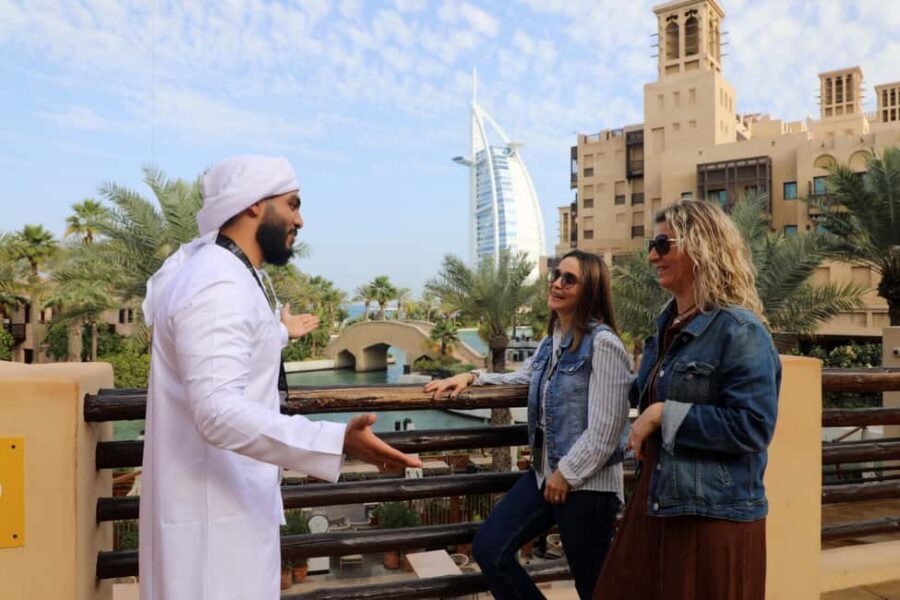
One thing I really appreciate on tours like this is guidance quality. On this route, the guide and driver teamwork matters because you’re handling multiple stops within a tight schedule.
Some departures have a recorded audio component in the vehicle as you drive, which can help you build context before you arrive. And having a guide who can talk in plain, human terms is a big deal for a day focused on forts, heritage, and market culture.
There’s also an example of real-world service: one group highlighted chauffeur Jamal and guide Ram, which is exactly what you want—someone steady behind the wheel and someone fluent with the story. If you can, pay attention to how your guide frames each stop, especially when museum access changes.
When plans shift: museum closures and schedule adjustments
The tour info says the Al Ain Oasis-related museum is currently closed for renovations. That’s not a surprise, and it’s also not necessarily a deal-breaker. If what you want is palm shade, farm context, and guided explanation of oasis life, you’ll still get a lot.
In some cases, the itinerary may shift if museums are closed on the day you travel. The practical move is to keep expectations flexible and treat the camel market and outdoor stops as part of the “real core” of the day, not just backup options.
Who should book this Al Ain day trip
I’d book this if you want:
- A heritage-heavy day that’s not stuck in one museum
- A guided overview of Al Ain’s forts, oasis life, and market culture
- A mountain stop with viewpoints and hot-springs time
- Simple logistics from Abu Dhabi: pickup, transport, lunch, and a guide
You might skip it if you want a slow, linger-in-every-place day or you’re traveling with extremely specific museum must-dos that depend on particular indoor exhibits being open.
Should you book this Al Ain Tour from Abu Dhabi?
Yes—with a couple of smart conditions. Book it if your goal is a structured, guided taste of Al Ain: forts that explain power, the oasis that explains survival, a camel market that explains daily culture, and Jebel Hafeet for a true change of scenery from the city.
I’d also book it if you value convenience: you get pickup, air-conditioned transport, lunch with soft drinks, and entry to at least one key fort site. Just go in knowing the day is fast and at least one museum-related component may be closed due to renovations, so focus on what’s outdoors and what the guide helps you connect.
FAQ
How long is the Al Ain day trip from Abu Dhabi?
It’s listed as about 8 hours.
What time does the tour start?
The start time is 9:00 am.
Do you get hotel pickup in Abu Dhabi?
Yes. Pickup from your hotel is included, with transport in an air-conditioned vehicle.
What’s included with the tour price?
The tour includes a welcome kit, a live guide (in multiple languages), lunch in a hotel with soft drinks, entry ticket to Al Jahili Fort, and pickup by air-conditioned vehicle.
Are meals included, and are soft drinks part of the lunch?
Yes. Lunch is included in a hotel restaurant, and soft drinks are included with lunch.
Which languages can the guide speak?
The live guide is listed in Spanish, French, German, Italian, Portuguese, English.
Is the Al Ain National Museum open?
The Al Ain Museum is currently closed for public due to renovation work.
FAQ
Do I need to pay for Jebel Hafeet entry?
Jebel Hafeet is listed as a stop where the admission ticket is not included.
Is the camel market stop part of the included itinerary?
Lunch is provided at a restaurant during the camel market portion, and the camel market is listed as part of the tour’s stops.
Can I cancel and get a full refund?
Free cancellation is available up to 24 hours in advance for a full refund.