REVIEW · DUBAI
Authentic Emirati Cultural Meal and Talk in Old Dubai
Book on Viator →Operated by Sheikh Mohammed Centre for Cultural Understanding · Bookable on Viator
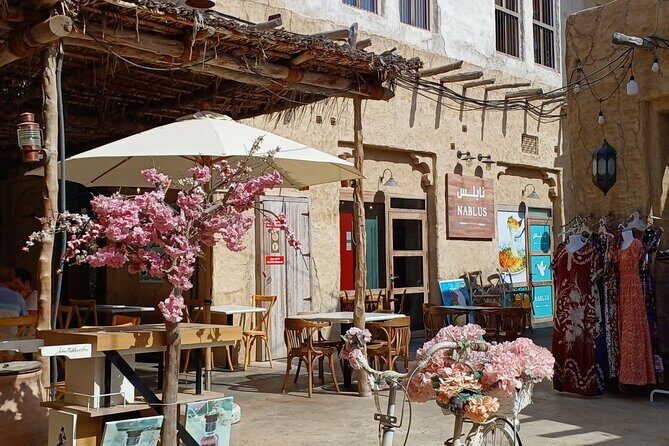
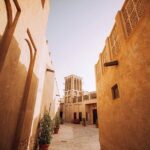
A wind-tower courtyard sets the mood fast. This 1 hour 30 minute cultural meal in Old Dubai pairs traditional Emirati food with a lively Q and A at the Sheikh Mohammed Centre for Cultural Understanding, so you’re learning while you’re eating. What I like most is the Al Fahidi courtyard welcome with Arabic coffee and dates, and the question-driven cultural talk that stays informal and practical.
One possible drawback: this is not a lecture where you sit back and absorb slides. The conversation is shaped by what you ask, so if you arrive with no questions, you may leave with less than you hoped.
In This Review
- Key things to know before you go
- Old Dubai, Al Fahidi, and why this meal feels different
- Inside the wind-tower courtyard: hospitality that starts the lesson
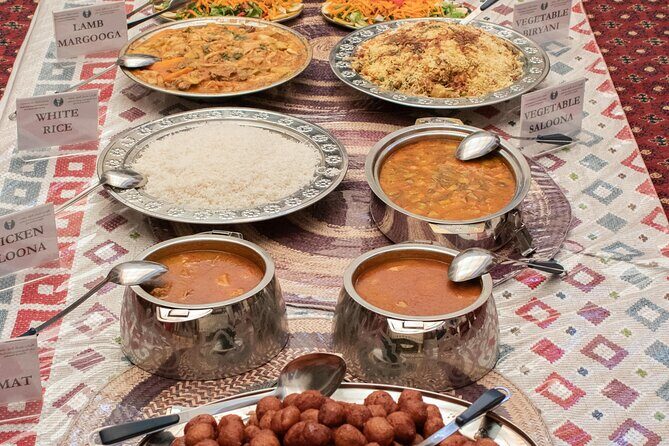
- The Emirati feast: what you’ll actually eat
- The Q and A cultural talk: how the conversation teaching works
- Emirati dress, food manners, and daily life questions you can ask
- Where the timing fits: best use of 1 hour 30 minutes
- Price and value: what $36.28 buys you
- Comfort, participation, and who this suits best
- A practical way to prepare so you get more out of it
- Should you book this Emirati cultural meal and talk in Old Dubai?
- FAQ
- What is included in the Emirati cultural meal?
- Where does the tour take place?
- How long is the experience?
- Is transportation included?
- Can children participate?
- How big are the groups?
- What is the cancellation policy like?
Key things to know before you go
- Small group size (max 9): plenty of room to ask real questions.
- Wind-tower house setting in Al Fahidi: the setting itself teaches you what Dubai used to prioritize—comfort in the heat.
- Arabic coffee, tea, and dates first: you start with hospitality before the meal.
- Ligamat with date syrup: this syrupy donut sweet is part of the Emirati food focus.
- Q and A led by a cultural presenter: topics range from dress and etiquette to Islam’s role in daily life.
- Pick breakfast, lunch, or dinner: choose the timing that best fits your Old Dubai walking plans.
Old Dubai, Al Fahidi, and why this meal feels different
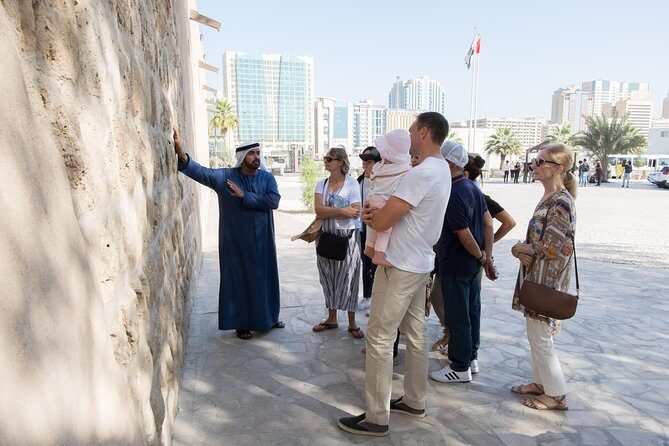
Old Dubai can be a bit of a theme-park vibe when you only shop and take photos. This experience is different because it happens in a real cultural education space in the Al Fahidi area, tied to the Sheikh Mohammed Centre for Cultural Understanding (SMCCU). The address is at the centre’s head office in Al Fahidi, on Al Mussallah Rd, so you’re anchored right where the neighborhood character is strongest.
You’re also getting something you won’t get from most sightseeing: a chance to connect food and daily life to the beliefs and values behind them. That’s the whole point here. You’re not just tasting dishes; you’re learning how people explain those dishes, the manners around them, and the etiquette that goes with everyday life.
You can also read our reviews of more tours and experiences in Dubai.



Inside the wind-tower courtyard: hospitality that starts the lesson
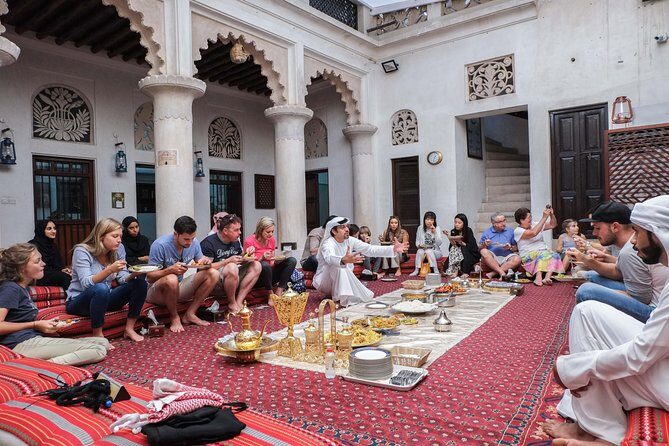
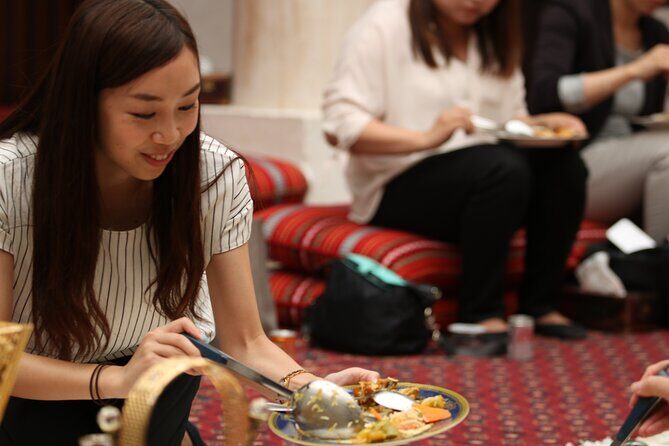
The welcome is staged the way real hosting works—slow, warm, and unforced. You’ll be seated in a wind-tower courtyard house in Al Fahidi, and the meal begins with Arabic coffee and dates, with water and tea served as well. It’s a small moment, but it matters: it sets the tone that this is a conversation, not a performance.
The cultural presenter then uses guest questions to shape the talk. That means the experience tends to feel personal, because your interests steer the topics. Some of the Q and A can include greetings and expressions, cultural sensitivities, and everyday routines—things you can’t easily pick up from a guidebook.
If your timing is good, you’ll also have an easy way to connect this visit to the rest of Old Dubai right afterward. The area around Al Bastakiya and Al Fahidi is made for walking, and this stop is a strong “first chapter” before you wander.
The Emirati feast: what you’ll actually eat
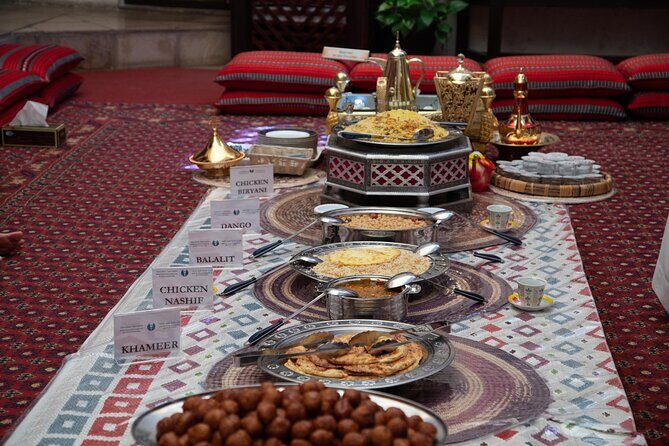
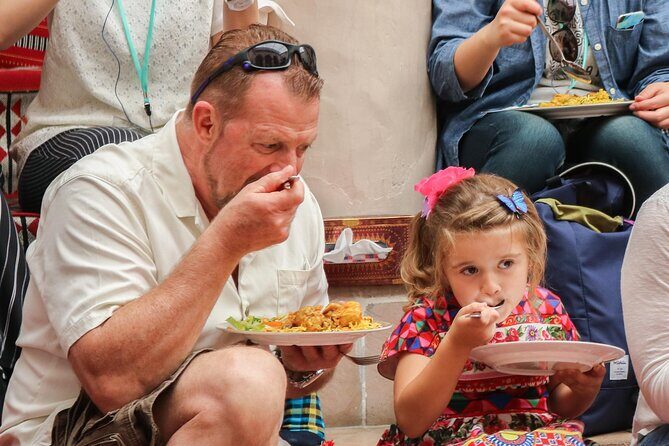
This is built around authentic Emirati cuisine, served in an informal setting that feels more like being hosted than being processed. The meal includes staples you can expect to see in Emirati home cooking, and the sweet highlight is ligamat, syrup-soaked donuts often paired with date syrup.
The food is one of the main reasons people recommend this tour. It’s not just filler between talking points—it’s part of the cultural explanation. You’ll learn how locals describe the comfort and meaning behind everyday foods, and you’ll likely notice how hospitality shapes the order and pacing of what’s served.
One practical note: if you’re expecting a huge, restaurant-style buffet with tons of variety, you might find the meal more focused than you imagined. The experience aims to combine food, coffee, and culture in a tight 1 hour 30 minute window, so it leans toward tasting and meaning rather than quantity.
The Q and A cultural talk: how the conversation teaching works
The format is the star. At SMCCU, the programme is designed so topics come from your questions, led by the cultural presenter. The idea is simple: you ask what you want to understand, and the host responds with context and examples that fit daily life in the UAE.
Topics can include Arabic culture and Islam’s impact on local culture, along with cultural values and sensitivities. You can also expect guidance around greetings and expressions—useful both for understanding what you hear in Dubai and for navigating everyday interactions with more respect.
This structure helps in two ways. First, you avoid getting stuck in generic facts. Second, the host can answer at your pace, which is especially helpful if you’re traveling with family or you’re curious but unsure how to ask. With a maximum of 9 people, it stays manageable for real back-and-forth.
A name you might hear in these sessions is Abdullah. One past attendee specifically thanked Abdullah for being competent in a wide range of questions, which hints at the kind of comfort level you can expect from the presenters.
Emirati dress, food manners, and daily life questions you can ask
People usually underestimate how much you can learn just by asking good questions. Here, you’ll have a chance to cover practical topics like Emirati dress and what it means socially, plus how people think about food and hospitality in everyday settings.
Because the talk is question-driven, you can steer it toward what you actually want to know. Want to understand why certain gestures or greetings matter? Ask. Interested in how religion shapes values and daily routines? Ask. Curious about daily life details that don’t show up on your normal Dubai itinerary? Ask those too.
This is also where the tour becomes more than cultural “facts.” When someone explains etiquette and values in plain language, you start noticing them on the streets afterward—how people greet, how hospitality is offered, and how cultural boundaries are respected. You’ll leave with a clearer lens for reading what you see in Old Dubai.



Where the timing fits: best use of 1 hour 30 minutes
The session lasts about 1 hour 30 minutes. That’s short enough to fit neatly into a full day, but long enough to include the hospitality start, the meal, and a meaningful Q and A.
You can choose breakfast, lunch, or dinner, depending on what your schedule needs. If you’re walking Old Dubai sites in the morning, breakfast is a great way to start with culture. If you plan to browse and photograph later, lunch can keep your energy up without swallowing your whole day. Dinner works best if you want a calmer pace and a warm ending to your Old Dubai wandering.
Also keep in mind that transportation to and from the meeting point isn’t included. The meeting point is at SMCCU in Al Fahidi (Al Mussallah Rd). So if you’re planning to chain this with other stops, build in travel time.
Price and value: what $36.28 buys you
At $36.28 per person, you’re paying for more than food. You’re buying access to a structured cultural conversation hosted inside a wind-tower courtyard, with Arabic coffee, tea, dates, and water included, plus admission to the cultural meal experience itself.
The value gets stronger for two reasons:
- Group size maxes at 9. Small groups make Q and A possible instead of rushed.
- The talk is interactive. You’re not only paying for content; you’re paying for the chance to ask follow-ups.
Compared to a standard restaurant meal, the food cost would be only part of the package. Compared to a museum talk, you get a practical human element and hospitality basics that make the learning stick. For many people, that combination is exactly what turns it into a “worth it” first stop.
If you’re trying to get a quick cultural foundation for your Dubai trip, this is a smart use of time. It can help you interpret what you see later, especially in older neighborhoods like Al Fahidi and Al Bastakiya.
Comfort, participation, and who this suits best
This experience is designed for most travelers to participate, and there’s a minimum age rule: children must be accompanied by an adult. Service animals are allowed as well, which is good to know if you travel with one.
The biggest “fit” factor is your interest in conversation. If you like asking questions and you don’t mind that the evening will follow a back-and-forth style, you’ll do well. If you prefer a more rigid schedule with lots of lecturing and minimal interaction, you might find the format less satisfying.
This tour is also a strong pick for couples and families. Some past experiences mention family-friendly engagement and the way hosts make visitors comfortable with questions. If you’re traveling with kids, the more you prepare a few simple questions beforehand, the smoother it tends to go.
A practical way to prepare so you get more out of it
Because the talk is generated by your questions, a little prep boosts your payoff.
Before you go, think of 4 to 6 questions you actually care about. For example:
- What does Emirati hospitality mean in daily life?
- How do greetings and expressions work in different situations?
- What role does Islam play in values people live by each day?
- What does Emirati dress communicate beyond style?
Bring curiosity, not interrogation. This kind of cultural education works best when you treat it like a human conversation, not a quiz.
Also, wear comfortable clothes. You’ll be seated in a courtyard setting, and you’ll want to relax enough to focus on the discussion.
Should you book this Emirati cultural meal and talk in Old Dubai?
I’d book it if you want a real sense of how Emirati culture and Islam shape daily life, and you’re happy to learn through conversation while eating traditional food. The small group size, the wind-tower house setting in Al Fahidi, and the focus on hospitality basics like Arabic coffee and dates make it a high-impact use of 1 hour 30 minutes.
Skip it only if you’re mainly hunting for a big buffet-style food experience or you strongly prefer a fixed, teacher-led script. Here, the best results come when you lean in, ask questions, and let the host guide the flow.
If this is your first stop in Old Dubai, it can also act like a cultural “decoder ring” for what you’ll see next.
FAQ
What is included in the Emirati cultural meal?
You get authentic Emirati cuisine, plus water, Arabic coffee, tea, and dates. The experience also includes a Q and A session with an experienced cultural guide.
Where does the tour take place?
The meal and talk are hosted at the Sheikh Mohammed Centre for Cultural and Social Understanding in the Al Fahidi neighborhood, in a traditional wind-tower house. The meeting point is the centre’s head office on Al Mussallah Rd.
How long is the experience?
It runs about 1 hour 30 minutes.
Is transportation included?
No. Transportation to and from the attractions is not included.
Can children participate?
Children must be accompanied by an adult.
How big are the groups?
The experience has a maximum of 9 travelers.
What is the cancellation policy like?
You can cancel for a full refund up to 24 hours before the experience starts. If you cancel less than 24 hours before, the amount paid is not refunded.