REVIEW · DUBAI
Bird Watching Tour Dubai
Book on Viator →Operated by ABC Tourism LLC · Bookable on Viator
Dubai is a surprising birding hotspot. Between October and May, migratory birds bring real action to the city, and this private 3-hour outing is built around wetlands, hides, and close viewing. You get hotel pickup, a guide to help you spot what’s there, and structured stops for flamingos, herons, egrets, and more.
What I like most is the mix of classic wetland birding plus easy, low-stress sightseeing time in between. I also really like the way the guides focus on finding birds you’ll actually see, not just naming birds you might miss—people I spoke with on my trip mentioned Reena as a sharp spotter and Renz for explaining the birds in a way that made photography easier.
One consideration: the tour does not include binoculars. You’ll want to bring your own, or be ready to watch closely through what’s provided at viewing points. Also, there’s no meals included, so plan food timing before you head out.
In This Review
- Key things you should know before you go
- Bird-watching in Dubai: why this 3-hour plan works
- Ras Al Khor Wildlife Sanctuary: flamingos and herons from the hides
- A Dubai park break for small singers and bright moments
- Zabeel Palace: peacocks for photos and that wow factor
- Guides, safety, and the small details that make it smoother
- Price and value: is $260 per person a fair deal?
- What to bring (and what to skip)
- When this tour fits best (and when it doesn’t)
- Should you book Bird Watching Tour Dubai?
- FAQ
- What is the duration of the Bird Watching Tour Dubai?
- Do I get hotel pickup and drop-off?
- Does the tour include binoculars?
- What birds might I see?
- Is this tour private?
- Can I cancel for a full refund?
Key things you should know before you go
- Ras Al Khor Wildlife Sanctuary viewing time geared for migratory birds, including greater flamingos and herons
- Private, only-your-group format so you can move at the pace that works for your camera and your questions
- Guides who help you locate birds fast, with Reena and Renz specifically called out in past experiences
- Photo-friendly stops beyond the sanctuary, including Zabeel Palace peacocks
- Binoculars aren’t included, so packing them (or planning to borrow) matters
Bird-watching in Dubai: why this 3-hour plan works
Dubai’s brand-new skyline can distract you from what’s actually happening in the landscape. The trick here is that migratory birds roll through between October and May, and Dubai’s wetlands and parks act like meeting rooms—food, water, and shelter at the right time of year.
This tour is smart because it’s short, private, and structured. You’re not trying to spend a full day guessing where birds might be. Instead, you concentrate your time where birds are most likely to show up, and you spend enough time at each stop to actually watch behavior—not just take a quick glance.
The other big value is the human factor. You get guide assistance, and the best part is that the guide helps you translate what you see into something you can photograph and understand quickly. In past experiences, guides were specifically praised for spotting and explaining birds in clear, practical ways.
You can also read our reviews of more tours and experiences in Dubai.



Ras Al Khor Wildlife Sanctuary: flamingos and herons from the hides
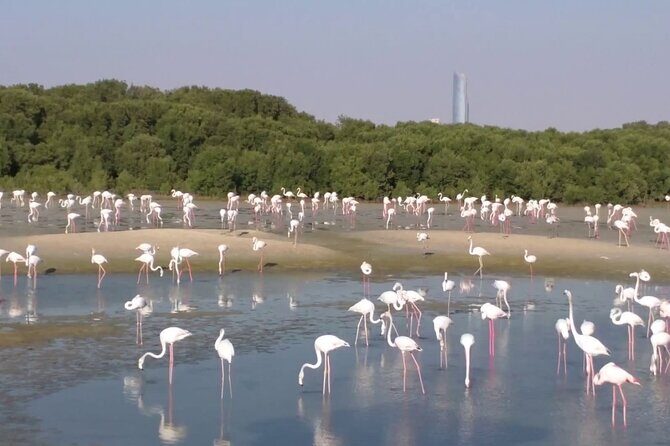
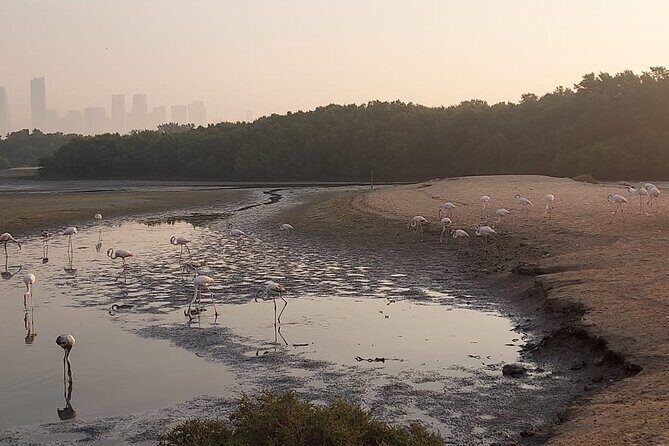
Your first stop is Ras Al Khor Wildlife Sanctuary, and that’s the heart of the trip. This is where you can settle in and watch migratory birds moving through a wetland setting. You’ll use binoculars during your time there, and the viewing is set up so you can observe without constantly walking around.
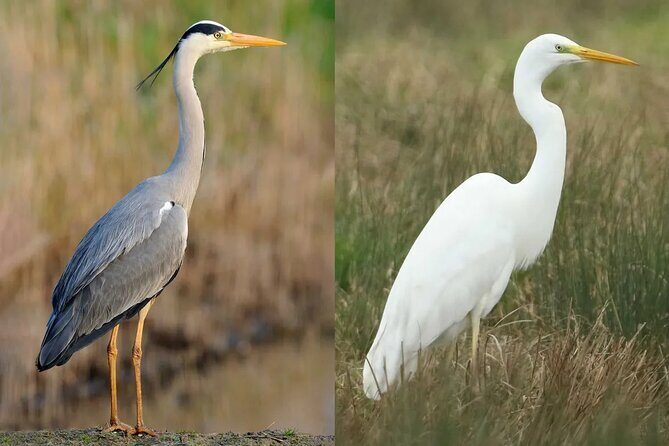
Species you’ll hope to see include greater flamingos, egrets, grey herons, and grey francolins. There’s also mention that if luck is on your side, you might spot a yellow-billed stork. That “if lucky” part is normal in birding, and it’s why the guide matters. Birds don’t always appear on schedule, but strong guidance improves your odds that you’ll see something worthwhile rather than scanning for long stretches.
Why the sanctuary stop is worth your time
- You get a focused birding block instead of a quick photo stop.
- Wetland hides help you watch without spooking birds as easily as open walking would.
- The mix of common and rare-leaning birds gives the outing a satisfying range.
What to watch for
At this kind of wetland viewing, the action isn’t only about identifying the species. You’ll get better results if you also watch movement patterns—birds feeding in certain pockets, or when a flock shifts. If you’re photographing, wait for birds to change posture and then click. A still bird at rest is fine; a bird adjusting, stepping, or calling is better for a photo.
Potential drawback
If you don’t have binoculars, you’ll feel it here. The sanctuary stop is explicitly “through the binoculars,” and the tour doesn’t provide them—so plan ahead.
A Dubai park break for small singers and bright moments
Next you head to a park in Dubai, described as one of the nicest options for bird spotting. This stop runs longer, and the feel changes a bit: it’s less about the wetland pond and more about picking up smaller birds that may pop into view in patches of trees and open areas.
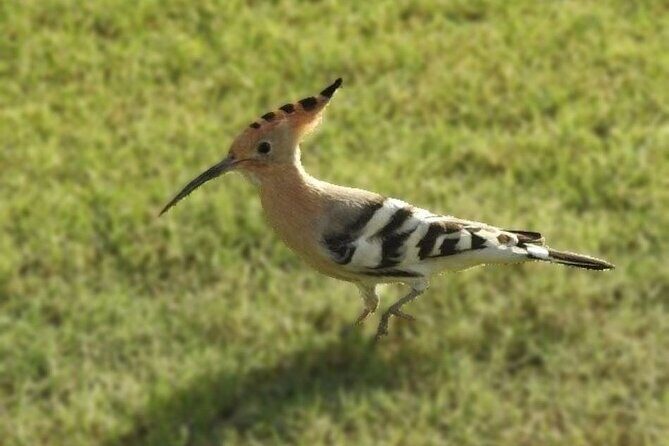
Here, you’re looking for a blend of oriental species, with named possibilities like tiny purple sunbirds, red-wattled lapwings, little green bee-eaters, and grey francolins. There’s also a chance to see a Eurasian Hoppe posed for your camera.
This stop is valuable for two reasons. First, it can fill in species variety that wetlands don’t always provide. Second, it’s often easier to photograph birds in a park setting because you may get more visible perches and clearer sightlines between watching sessions.
How to get the most from a park stop
- Move slowly and keep your expectations flexible. Small birds can appear suddenly, then disappear just as fast.
- If you’re using a phone camera, focus on steady shots of perched birds rather than trying to track fast flight.
- For birders, “tiny” species like sunbirds can be tough; this is where a good guide helps you locate what’s moving in the canopy.
Possible limitation
This portion can be more variable than the sanctuary. Birds in parks can be less predictable, especially if weather shifts. If your trip timing is slightly off-season, you might still see birds, but the mix may change.
Zabeel Palace: peacocks for photos and that wow factor
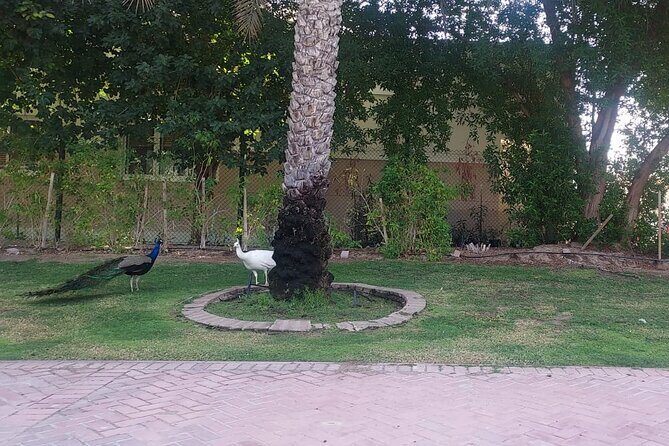
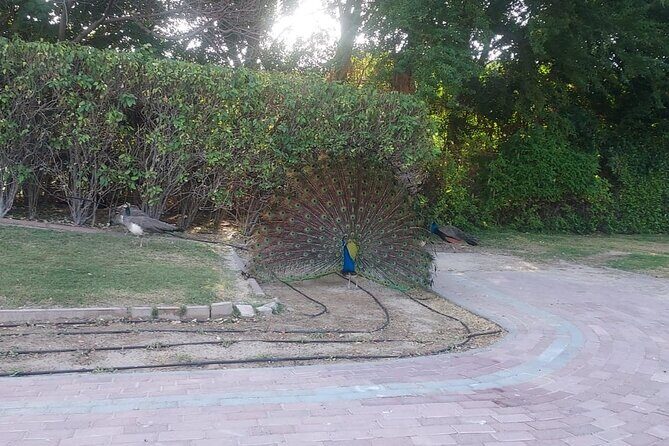
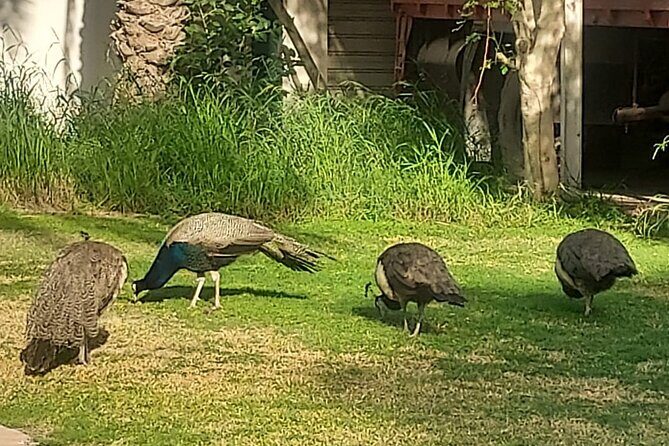
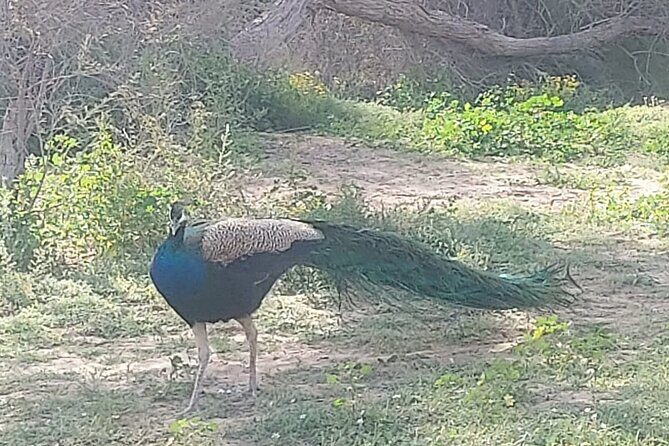
The final planned stop is Zabeel Palace, and it’s short on purpose. You’re there to watch and capture photos of peacocks. In the tour description, peacocks are linked with confidence, knowledge, pride, and beauty—more symbolism than bird science, but it matches the vibe of this stop.
The peacock scene is also where you may get a memorable surprise. In an example shared by a previous visitor, they noted albino peacocks as a rare sight. I can’t promise you’ll see that exact rarity, but it does tell you the birds at this stop can occasionally be special.
Why I like ending here
After a longer birding walk-and-scan session earlier, a palace stop gives you a different kind of payoff: bigger birds, often easier to track visually, and a “camera-friendly” setting. It’s a classic way to close a bird tour because you can spend the short time actually photographing instead of waiting endlessly for a small bird to appear.
Timing reality
This is a brief stop, so have your camera ready before you arrive. If you’re changing lenses or fiddling with settings, do it quickly—you don’t want to lose your window.
Guides, safety, and the small details that make it smoother
This is a private tour, meaning it’s just your group. That matters more than people think. With fewer moving parts, you get:
- less time wasted coordinating with other groups
- more flexibility if you spot something and want a minute to confirm it
- a calmer experience for kids, beginners, and anyone who doesn’t want a fast pace
Guide names show up clearly in past experiences. People highlighted Reena as a great bird spotter who helped them capture very amazing bird photos, and another guide, Renz, was praised for explaining what was happening with the birds and doing it in a way that made the whole experience feel easier.
There’s also a sense of safety and smooth organization. One visitor specifically noted that the experience was safe and secure, along with an excellent chauffeur and guide coordination.
One small practical note
Bring your own binoculars if you can. It’s the single most repeated “prep” point because the tour doesn’t include them. If you rely on the tour for binoculars and forget yours, you’ll still be able to watch, but you’ll lose some of the best viewing.



Price and value: is $260 per person a fair deal?
At $260 per person for roughly 3 hours, you’re paying for three things:
1) a private format
2) hotel pickup and drop-off from Dubai city
3) a guided, species-focused birding route with water provided
If you were to self-tour, you’d still have transport time and your own guesswork about the best stops. A guided approach helps you spend your limited time where sightings are more likely and helps you identify birds without turning your day into a research project.
Also, the tour includes mineral water, which is a small thing, but it’s one less thing you have to think about while you’re scanning, waiting, and photographing.
Who gets the best value
- You’re a beginner who wants to learn how to spot birds quickly
- You have limited time in Dubai and don’t want to plan a full day
- You care about photography and want help turning sightings into photos
Who might question the price
If you’re an experienced birder traveling with your own transport and you already know the local birding hotspots well, the main value is still guidance—but the cost might feel steep for a short outing. For most visitors though, the private setup plus pickup makes it feel more reasonable.
What to bring (and what to skip)
The tour includes water and hotel pickup/drop-off, but you still need to bring the basics.
Bring
- Your own binoculars (strongly recommended since they’re not included)
- A camera with a comfortable zoom range if you’re into photos
- Sunscreen, a hat, and water discipline, because you’ll be outside and watching for movement
Skip / don’t rely on
- Assuming binoculars are provided
- Counting on meals being included (plan food timing before you go)
One previous visitor mentioned little walking after breakfast during a short stopover, which is a good sign if you don’t want a long trek. Still, expect to move around at viewing points and to stand for spells while birds do their thing.
When this tour fits best (and when it doesn’t)
This Bird Watching Tour Dubai is best for:
- families who want a structured outing that isn’t a marathon
- birders who want a guided route with clear stops
- photographers who want targeted windows at wetlands and palace settings
- short-stay visitors who want an efficient, memorable wildlife experience
It may not be the right choice if:
- you’re traveling during months outside the migratory season window (October to May is specifically highlighted)
- you’re not interested in birds and would rather do purely city sightseeing
- you’re unwilling to bring binoculars and adapt your expectations
Also, because the tour lasts about 3 hours, it’s designed to be a “real experience” rather than a full-day birding marathon. If you want hours and hours, you might choose something longer elsewhere—but for a Dubai visit, this is a focused use of time.
Should you book Bird Watching Tour Dubai?
If you want a practical, guided way to see Dubai’s bird life during the migratory season, I’d book this. The biggest reasons are simple: structured stops that match the birds you’re hoping to see, private pacing, and guides like Reena and Renz who help you actually find and frame what you’re looking at.
Book it if your goal is photos, first-time bird spotting, or a short but meaningful nature break from the city’s glitter. Skip or reconsider only if you don’t plan to bring binoculars, you’re expecting meals, or you want a half-day of walking.
Overall, for the time and privacy, it’s a solid value—and it turns a quick trip into a real wildlife memory.
FAQ
What is the duration of the Bird Watching Tour Dubai?
The tour lasts about 3 hours.
Do I get hotel pickup and drop-off?
Yes. Pickup and drop-off from your hotel in Dubai city are included.
Does the tour include binoculars?
No. Binoculars are not included during the tour.
What birds might I see?
At Ras Al Khor Wildlife Sanctuary, you may see greater flamingos, egrets, grey herons, and grey francolins. A yellow-billed stork is possible if you’re lucky. At the park stop, you might see purple sunbirds, red-wattled lapwings, little green bee-eaters, grey francolins, and potentially a Eurasian Hoppe. At Zabeel Palace, the focus is on peacocks.
Is this tour private?
Yes. It’s a private tour/activity, and only your group participates.
Can I cancel for a full refund?
Yes, you can cancel for a full refund if you cancel at least 24 hours in advance of the experience start time. If you cancel less than 24 hours before, the amount paid is not refunded.