REVIEW · DUBAI
Dubai: Al Shindagha Museum Entry Ticket
Book on GetYourGuide →Operated by TALENTS UAE · Bookable on GetYourGuide
Heritage in Dubai has a pulse. Al Shindagha Museum turns the story of Dubai Creek and the Al Maktoum family into something you can walk through, with modern, interactive displays inside heritage houses. It’s one of the reasons this stop feels like more than a museum visit.
I love the multi-sensory installations that make traditional life feel understandable, not stuck behind glass, and I also like how the site includes the Sheikh Saeed Al Maktoum Residence, tying personal family history to city change. One drawback to plan for: this is a house-to-house walk. You’ll want comfortable shoes and time.
In This Review
- Key things I’d circle before you go
- Al Shindagha Museum in One Glance: What Your Ticket Really Gets
- Dubai Creek and Al Shindagha: Why the Setting Matters
- Visitor Center First: How the Museum Sets the Story Pace
- The House Tour: 21 Houses, Many Themes, One Continuous City Story
- The Sheikh Saeed Al Maktoum Residence: A Family Story That Explains Power and Change
- Multi-sensory Interactive Exhibits: VR, Workshops, and Training
- Your One-Day Plan: How to Pace 21 Houses Without Feeling Rushed
- Price and Value: Is $13 Worth It?
- Live Tour Guide in Five Languages: How That Improves Your Visit
- Who Should Book This Al Shindagha Museum Entry Ticket
- Practical Tips Before You Go
- Should You Book Al Shindagha Museum Entry Ticket?
- FAQ
- How much is the Al Shindagha Museum entry ticket?
- How long is the ticket valid?
- Is there a live tour guide included?
- What kinds of exhibits are inside the museum?
- Is it wheelchair accessible?
- Can I cancel for a full refund?
- Can I reserve now and pay later?
Key things I’d circle before you go
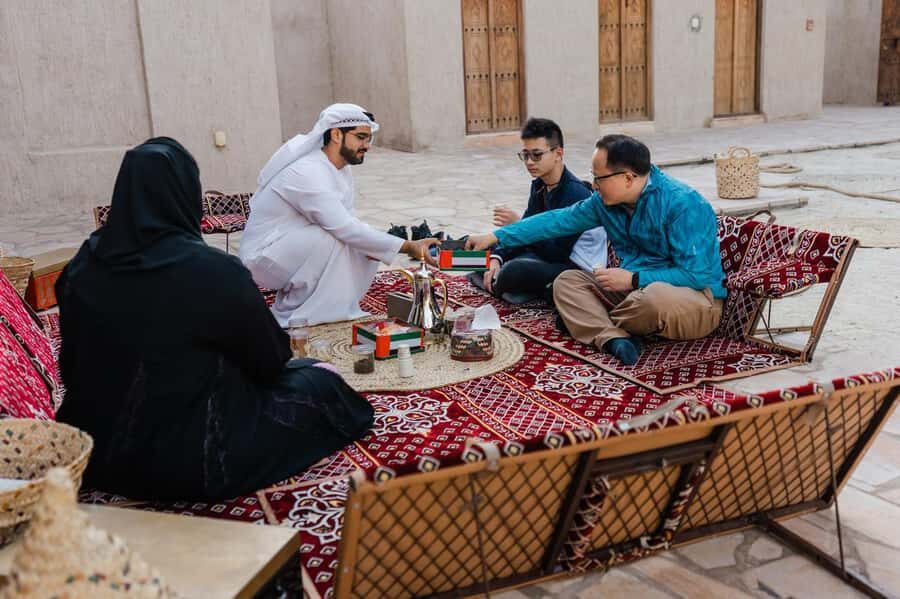
- Dubai Creek location in Al Shindagha: the museum sits where the old city story naturally starts
- Largest heritage museum in the UAE: a big footprint, so budget your time well
- 21 houses and a listed set of exhibit houses: you’ll move through multiple heritage themes across the grounds
- VR tech plus workshops, tours, and training: modern formats for old crafts, trade, and daily life
- Live guide in multiple languages: English, Arabic, Chinese, Russian, and French
- Al Maktoum Residence included: the family and ruling-era perspective is built in, not tacked on
Al Shindagha Museum in One Glance: What Your Ticket Really Gets
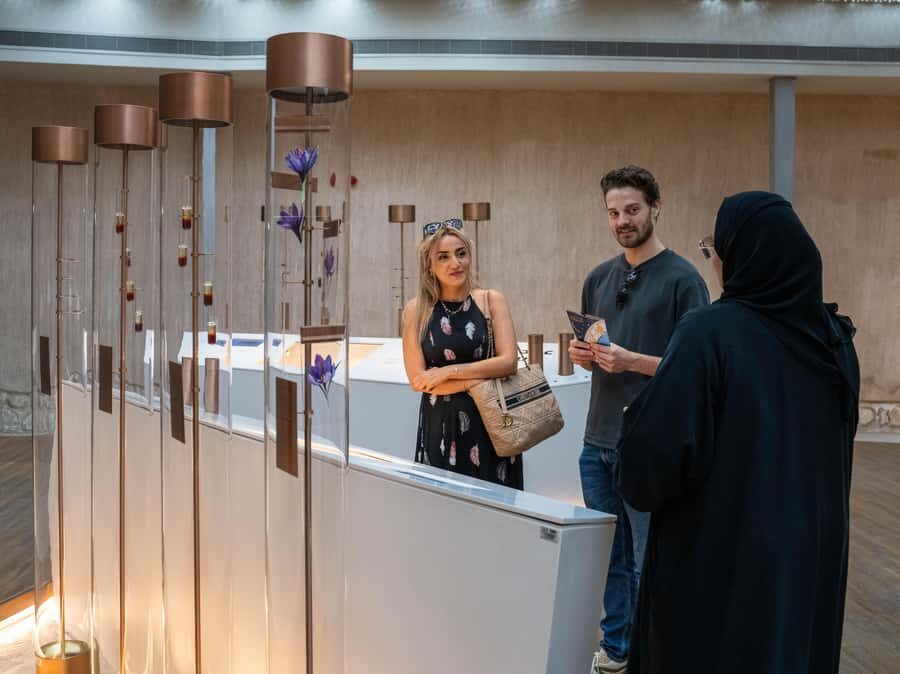
If you want Dubai beyond the malls and the skyline photos, the Al Shindagha Museum ticket is a very direct way in. You’re paying for entry to a heritage museum built around a network of historic-style houses, with interactive installations throughout. The museum focuses on Emirati heritage and how the city and the UAE identity took shape.
This is also not a quiet, sit-and-read museum. The experience is designed to be active: you’ll encounter VR technology, hands-on-style workshops, and guided storytelling. It’s a good match for anyone who learns by doing, not just looking.
The price is listed at $13 per person, which matters because you’re not just getting a “see a room” kind of visit. You’re getting access to a whole set of houses and themes, plus a live tour guide in your language.
A few more Dubai tours and experiences worth a look



Dubai Creek and Al Shindagha: Why the Setting Matters
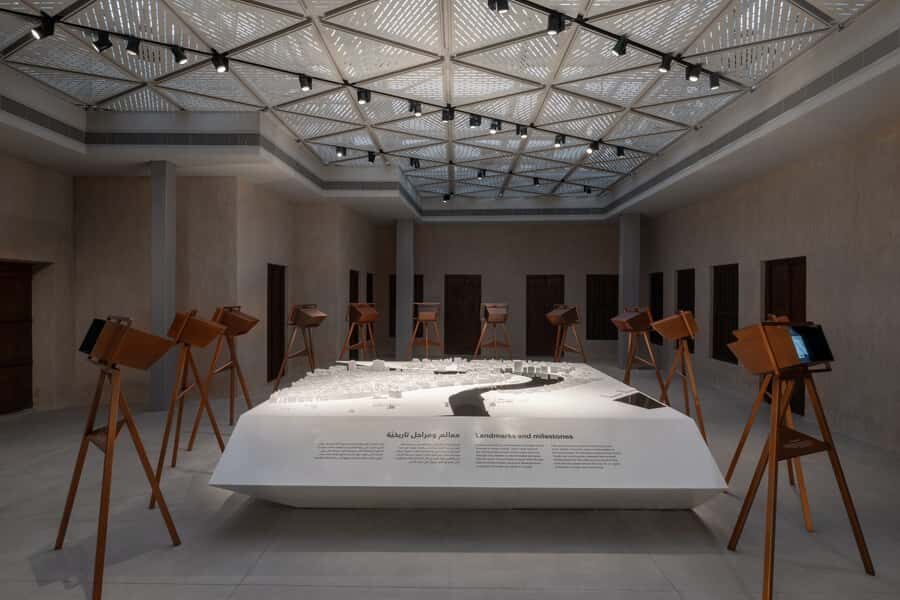
The museum is located on the banks of Dubai Creek in the historic Al Shindagha neighborhood. That’s not an empty detail. The creek is part of the reason Dubai grew in the first place: trade routes, water life, navigation, and the everyday rhythm of people living close to water.
When a museum takes place in the area it’s describing, it changes how the story lands. You can connect the themes of trade and sea life to your surroundings, even if you’re moving indoors for parts of the experience. It also gives you an easy add-on later—after your ticket visit, you’re not stuck far from other old-Dubai atmosphere.
Visitor Center First: How the Museum Sets the Story Pace
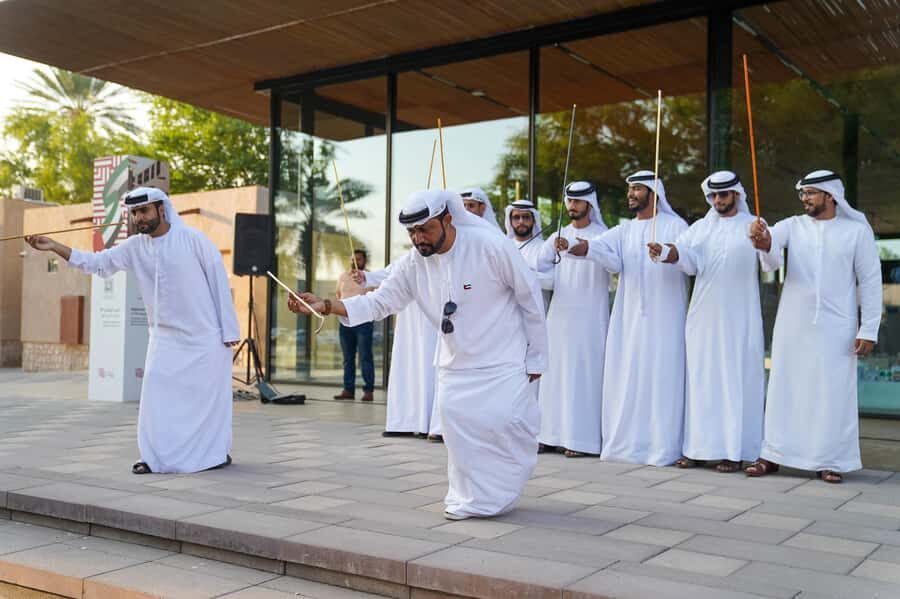
Your visit starts at the Visitor Center, and that opening matters more than it sounds. The museum is built like a guided journey: you enter, get orientation, and then move into the 21-house experience with interactive installations woven throughout.
This is where the museum’s “modern presentation of heritage” approach becomes obvious. Instead of dumping information in one long session, it spaces topics out across separate houses and themes. That pacing helps if you only have one day and you want to avoid museum fatigue.
If you’re the type who gets lost in large museums, start by asking your live guide to point you to the most important houses for your interests. The museum includes enough variety that you can tailor the route without missing the main thread.
The House Tour: 21 Houses, Many Themes, One Continuous City Story
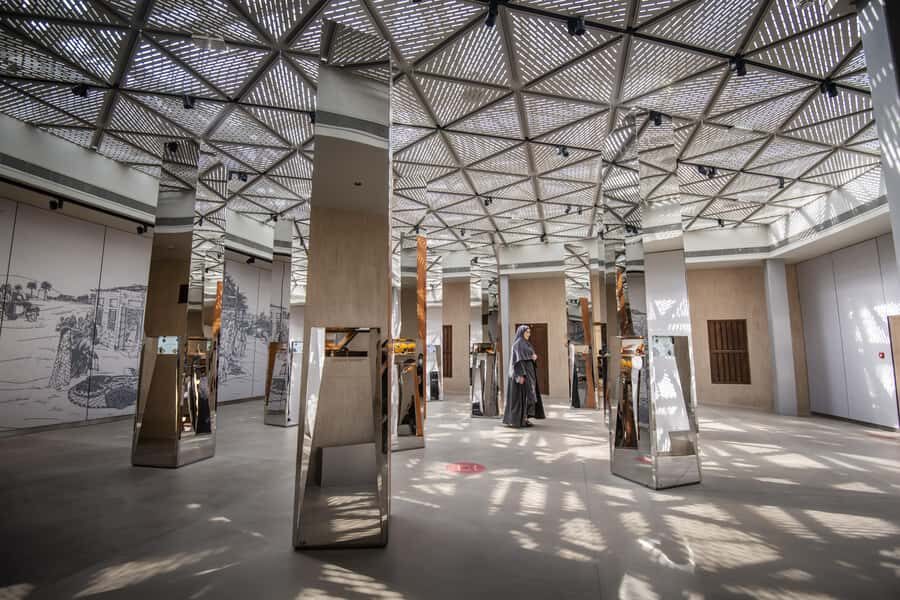
The museum’s core format is straightforward: you explore multiple heritage houses with different themes. The site states 21 houses, and it also lists 22 unique exhibit houses. Either way, plan for a multi-stop walk across themed rooms.
Think of each house as a “chapter.” Some are about the physical environment and where life happened. Others focus on crafts, food, faith, family roles, or the tools people used to live and trade. The continuity comes from how everything ties back to Dubai’s growth from creek-based livelihoods toward an emerging city identity.
Here are the house themes you can expect to find on your route:
- Dubai Creek: Birth of a City: a starting point that frames the city’s growth
- Perfume House: scent, tradition, and everyday culture through a specific lens
- Traditional Jewelry and Traditional Crafts: material culture and making
- Life on Land and Water, Fauna and Flora: environment and how it shaped routines
- Trade and Journeys: movement, exchange, and connections
- Expressions and Beauty and Adornment: personal identity and social life
- Community Hall: how people gathered and organized community life
- Emerging City: the shift toward a newer urban future
- People and Faith: beliefs and how they fit daily life
- Traditional Healthcare and Traditional Food: practical life topics, presented for understanding
- Culture of the Sea: navigation and sea-based livelihoods
- Poetry and Children’s Pavilion: culture and learning across age groups
- Navigation and Visitors Center: wayfinding themes that connect movement to survival and trade
A key practical point: because each house covers a different subject, you’ll get more out of the visit if you don’t try to “speed-run everything.” Pick a few houses you care about most—like trade and navigation, crafts, or family life—and then let the rest support those anchors.
The Sheikh Saeed Al Maktoum Residence: A Family Story That Explains Power and Change
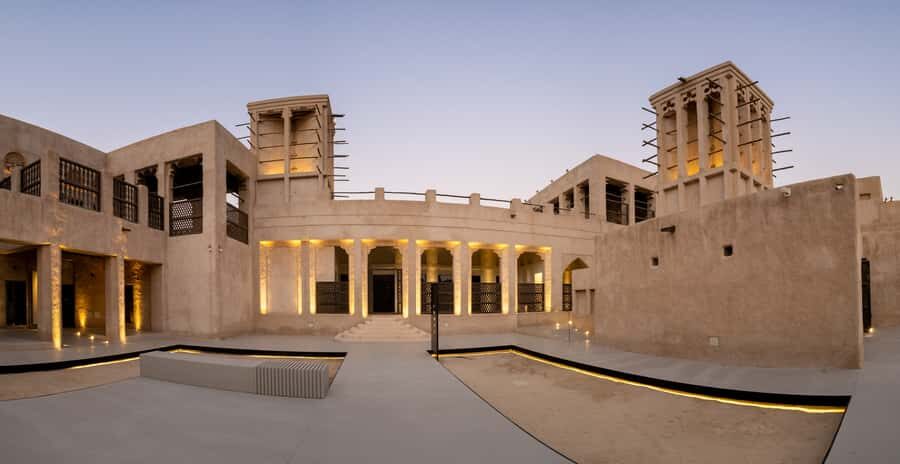
Among the houses, one stands out for context: the Sheikh Saeed Al Maktoum Residence. This home was originally where the Al Maktoum family lived and where the ruler at the time—Sheikh Saeed Al Maktoum, the grandfather of Sheikh Mohammed bin Rashid—lived until 1958.
That timeframe gives this museum more weight than a general heritage collection. It’s not only about how people lived; it’s also about how leadership and family continuity shaped Dubai’s transition. When you see the residence included in the museum’s structure, the story becomes more personal.
If you like history that has a human face—homes, roles, and how decisions were lived out—this is the stop you should treat as a centerpiece. Take your time here. Even if you’re not a museum slow-mover, the residence sections are where the meaning tends to click.
You can also read our reviews of more museum experiences in Dubai





Multi-sensory Interactive Exhibits: VR, Workshops, and Training
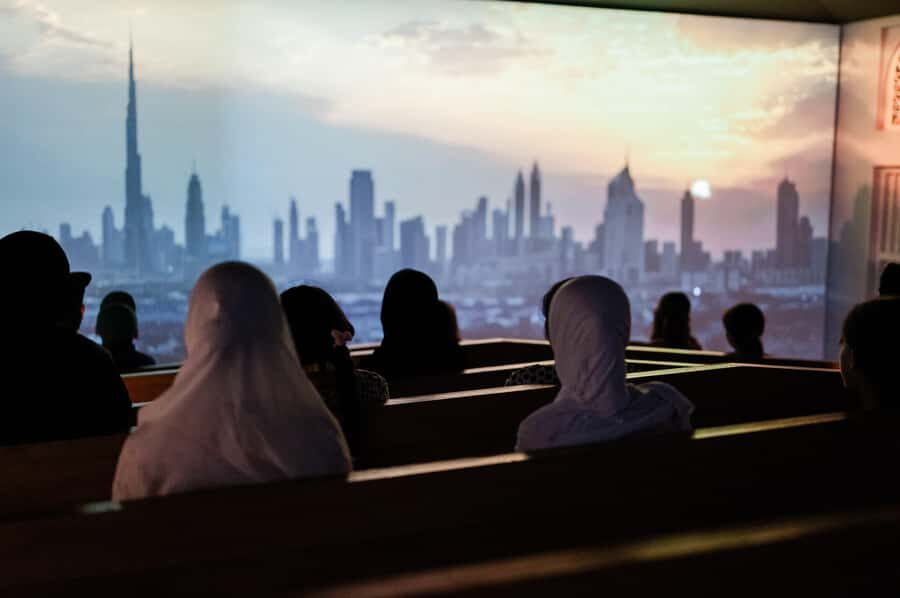
One reason people give this museum high marks is how it uses modern formats to carry traditional themes. The museum describes innovative multi-sensory interactive installations across its houses. It also references VR technology, bespoke workshops, tours, and training.
So what does that mean for your visit?
- You’ll see how ideas are communicated through experience, not just text.
- You’ll have chances to connect emotionally—especially with stories about water, trade, and community life.
- You’re more likely to remember details if you’re interacting while you learn.
It also helps if you’re traveling with kids or anyone who needs a “hands-on” moment to stay engaged. The museum includes a Children’s Pavilion, and there’s enough variety in the houses that you won’t feel stuck in one lecture-like zone.
Your One-Day Plan: How to Pace 21 Houses Without Feeling Rushed
Your ticket is valid for one day, and the museum lets you choose starting times (availability depends on the date). With a place this big, your biggest enemy isn’t boredom. It’s trying to do too much at once.
Here’s a pacing approach I recommend:
- Start strong at the Visitor Center so your guide can orient you fast.
- Pick 2 to 4 must-see houses early—usually the ones tied to your interests.
- After that, keep moving, but don’t treat it like a checklist.
If you’re the type who likes photos, do them between house themes rather than inside every room. You’ll be able to pay attention while still collecting memories.
The museum is described as a walking experience across heritage houses, so plan realistic breaks. Hydrate and rest when you feel your focus slip—especially if you’re visiting in Dubai’s heat.
Price and Value: Is $13 Worth It?
At $13 per person, this is a relatively affordable ticket for a museum experience built around multiple houses and interactive components. The value comes from the combination of three things:
- Scale: 21 houses (and exhibit houses listed beyond that count) means you’re not spending your time in a single exhibit area.
- Guided experience: it includes a live tour guide, not just self-guided entry.
- Modern interpretation: VR tech and multi-sensory installations help the heritage content feel current.
Will $13 feel cheap if you only have a quick stop in Dubai? Probably yes. The museum is structured to be engaging even on a packed itinerary. Will it feel like a splurge if you hate walking museums or interactive displays? Then maybe you should only book if you genuinely like hands-on learning and heritage storytelling.
Live Tour Guide in Five Languages: How That Improves Your Visit
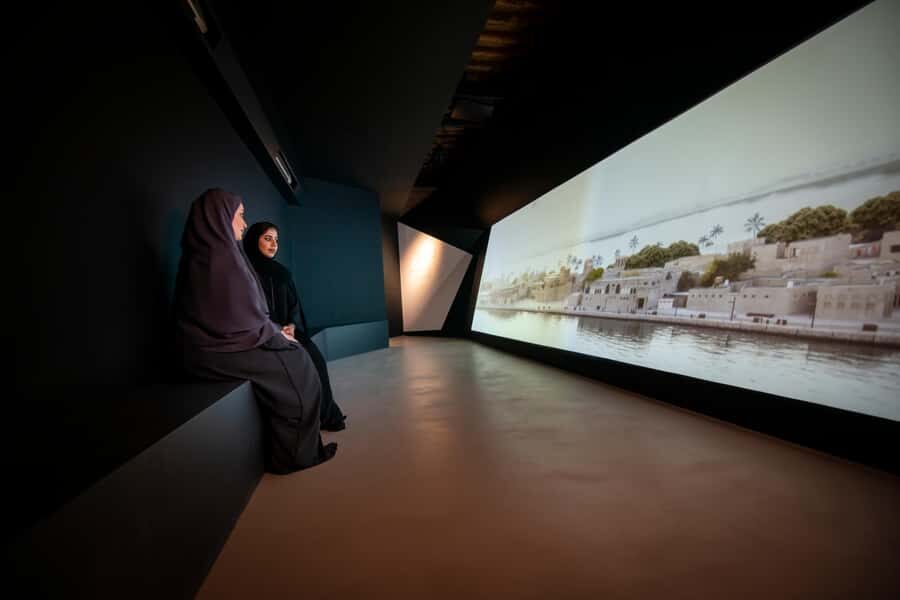
The museum includes a live tour guide, with languages available in English, Arabic, Chinese, Russian, and French. That matters because heritage museums can become confusing if you don’t have context. With a guide, you’re more likely to understand why each house is placed where it is in the overall story.
There’s also a hint in the feedback that the guiding experience can be a highlight. One guide name that comes up is Peter, praised as excellent. If you get matched with a standout guide, you’ll likely find the museum’s themes connect faster.
Who Should Book This Al Shindagha Museum Entry Ticket
This ticket makes the most sense if you want:
- A heritage-focused Dubai experience, not just views and shopping
- A museum that uses interactive and modern methods to explain daily life, trade, and culture
- A one-day plan that still feels like you learned something meaningful
It’s especially good for first-timers who want the Dubai story at human scale. It also works well for mixed groups: different houses cover different topics, and the museum includes elements like a children’s pavilion and hands-on workshop-style content.
If you only want major skyline sights and you’re not interested in culture or the city’s earlier life, this may feel like a detour. But if you want your Dubai trip to have a spine, this gives you one.
Practical Tips Before You Go
Here are a few things that help your experience feel smooth:
- Wear comfortable shoes. You’ll be moving between houses.
- Go in with 2–3 interests so you can decide what to linger on. Trade and navigation? Crafts and jewelry? Food and community life?
- Don’t rush the Al Maktoum Residence—give it time to land.
- If you have limited stamina, ask your guide to suggest a route that matches how you like to learn.
Should You Book Al Shindagha Museum Entry Ticket?
Book it if you want a Dubai experience that explains the city instead of just showing it. The museum’s strength is how it ties Emirati identity to Dubai’s growth through a house-by-house story, supported by interactive formats like VR and multi-sensory installations. At $13, it’s also easy to justify as an affordable cultural anchor on a one-day visit.
Skip it if you dislike walking through multiple rooms or if you only want outdoor sightseeing. And if your plan is to move through Dubai at maximum speed with minimal time for cultural context, you might feel this is slower than you prefer.
In the end, this is a smart ticket for people who want Dubai to make sense.
FAQ
How much is the Al Shindagha Museum entry ticket?
The price is listed at $13 per person.
How long is the ticket valid?
The ticket is valid for 1 day. Starting times depend on availability.
Is there a live tour guide included?
Yes. A live tour guide is included, with languages offered in English, Arabic, Chinese, Russian, and French.
What kinds of exhibits are inside the museum?
The museum includes interactive installations, VR technology, and workshop-style experiences, along with tours and training related to the content.
Is it wheelchair accessible?
Yes, the museum is wheelchair accessible.
Can I cancel for a full refund?
Free cancellation is available up to 24 hours in advance for a full refund.
Can I reserve now and pay later?
Yes. Reserve now & pay later is offered, so you can book your spot and pay nothing today.