REVIEW · DUBAI
Dubai: Authentic Old Town, Souks, Tastings & Abra Boat Tour
Book on GetYourGuide →Operated by 1001 Experiences · Bookable on GetYourGuide
Old Dubai moves at human speed. This tour turns Al Fahidi into a story you can walk through, then adds real-life souk energy, food tastings, and an Abra boat crossing with a licensed guide like Anis or Abdul.
What I like most is how much you actually do with your senses: Arabic coffee, saffron tea, dates, iced tea, local sweets, plus a guided spices experience that makes the markets click. The second big win is the guide focus on practical smarts, including how to avoid tourist traps while you explore the spice and gold souks, with stops that keep the pace easy even in heat.
One thing to plan for: you will be outside for parts of the walk, so sun and foot fatigue matter. Bring the basics the tour suggests (comfortable shoes, sunglasses, sun hat), and expect the route to favor covered or indoor stops when possible.
Key things to know before you go
- Small-group, licensed guidance: you’re not just wandering; you’re learning as you go with an official guide (names like Anis, Mustafa, and Ahmad show up often).
- Old Dubai in Al Fahidi: you’ll see heritage-area streets and traditional houses, not just a quick photo stop.
- Tastings that teach: Arabic coffee and saffron tea, plus dates and sweets tied to local ingredients and customs.
- Spices experience: a hands-on flavor lesson that makes shopping in the souks less confusing.
- Abra across the Creek: a classic fishermen boat ride that changes how you understand the city’s layout.
- Souk strategy: you get advice on what to look for and how to avoid common scams and tourist traps.
In This Review
- Starting at the Arabian Tea House in Al Fahidi
- Al Fahidi Heritage Walk: old streets with a point
- Traditional houses and heritage details that make photos mean something
- Tea, coffee, dates, and sweets: tastings as a cultural shortcut
- The spice and spice-shop lesson that makes souks easier
- Souks strategy: how to explore without getting pulled around
- Abra boat crossing: the classic river view you actually feel
- Gold and spice souks: what to look for after the tastings
- Weather and pace: how this tour stays comfortable
- Guide styles: why the names matter
- Value check: is $8 per person a real deal?
- Who this Old Dubai souk tour is for
- Should you book this Dubai Old Town Souks, Tastings & Abra tour?
- FAQ
- Where does the tour meet?
- Is hotel pickup included?
- What food and drinks are included in the tastings?
- What boat ride is part of the experience?
- What sights are included beyond the souks?
- What should I bring with me?
Starting at the Arabian Tea House in Al Fahidi
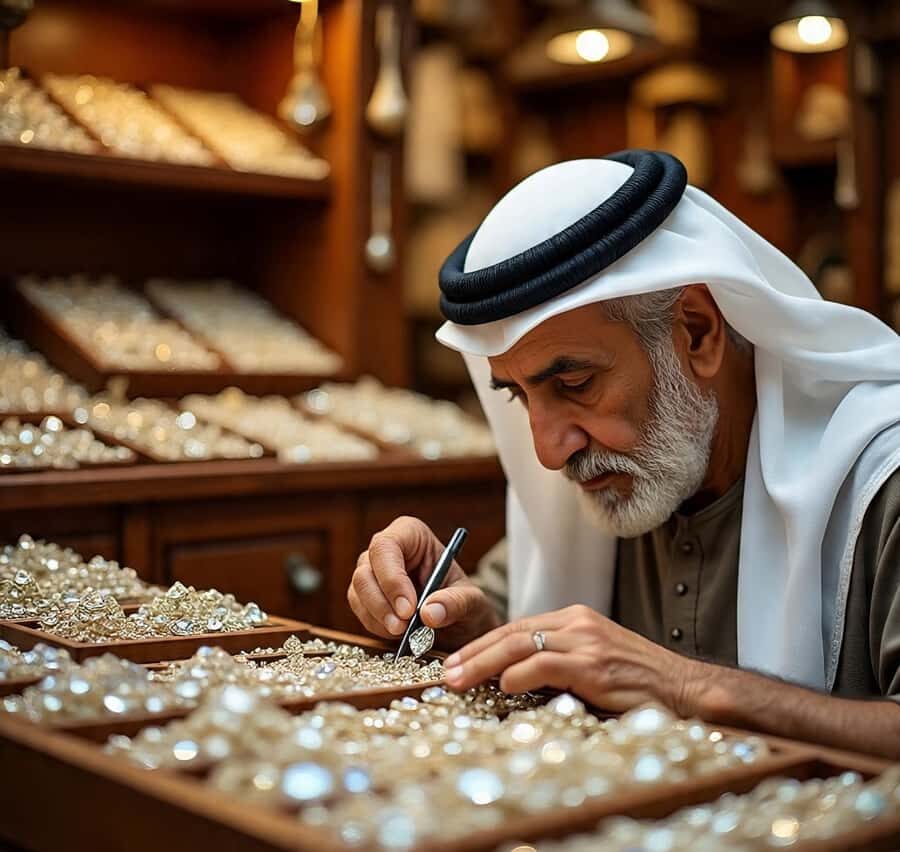
You meet your guide in front of the Arabian Tea House Restaurant & Cafe Al Fahidi. That detail matters because the name is common in Dubai, and the exact meeting point is specific, so arrive a few minutes early so you can spot your guide quickly.
I like that the tour starts in a place where tea is part of the atmosphere, not an afterthought. It sets the tone: this is about old Dubai habits—coffee, tea, dates, and the small rituals that keep showing up as you move through the neighborhood.
If you’re sensitive to heat, this is also a good moment to re-check your essentials. The tour recommends comfortable shoes, sunglasses, and a sun hat, and you’ll be glad you listened.
Al Fahidi Heritage Walk: old streets with a point
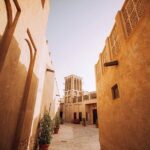
Al Fahidi Historical Neighborhood is where you’ll start turning Dubai from a skyline into a human-scale city. Instead of looking up at towers, you look at materials, architecture, and how people used to live—especially through the guided focus on local houses and heritage-area context.
The big value here is interpretation. Your guide doesn’t treat Old Dubai like a theme park. They connect what you’re seeing to how the UAE formed, how daily life worked, and why certain areas developed the way they did.
You also get access to the heritage area and old houses entry, which makes the walk feel more than scenic. It becomes a structured tour of places that help you understand the shift from earlier Emirati life to the modern Dubai you likely already know.
You can also read our reviews of more boat tours in Dubai



Traditional houses and heritage details that make photos mean something
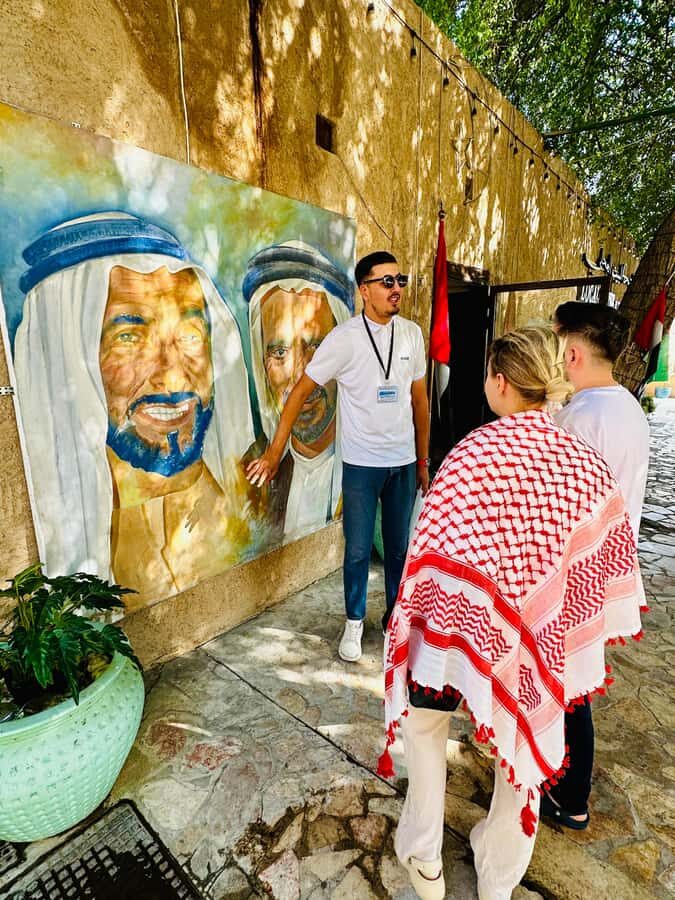
One of the standout parts of this experience is the visit to traditional houses—paired with the guide’s stories about architecture and past daily life. Instead of drifting from door to door, you get context for things you’d normally miss: design choices, the logic behind spaces, and what heritage areas are trying to preserve.
The tour also includes access related to Baba’s Cave. That stop adds variety to the heritage theme, giving you more texture than a single neighborhood loop.
A practical note: house visits can include short indoor-outdoor transitions. So keep your energy steady and your water handy—you’ll likely want it later when you hit the souks and the Abra ride.
Tea, coffee, dates, and sweets: tastings as a cultural shortcut
This is one of those tours where food and drink aren’t random freebies. You’ll try traditional Arabic coffee, saffron tea, dates, chocolates, and multiple types of local sweets and iced tea, all woven into what the guide explains.
I like this format because tea and coffee are a quick way to understand hospitality norms in the region. You don’t need a textbook—just a sip and a story about how it’s prepared and why it matters.
The tour also includes a guided element around traditional tea and spices preparation. If you’ve ever tasted something and wondered what makes it taste the way it does, this is where you get the answer in plain language, not marketing copy.
The spice and spice-shop lesson that makes souks easier
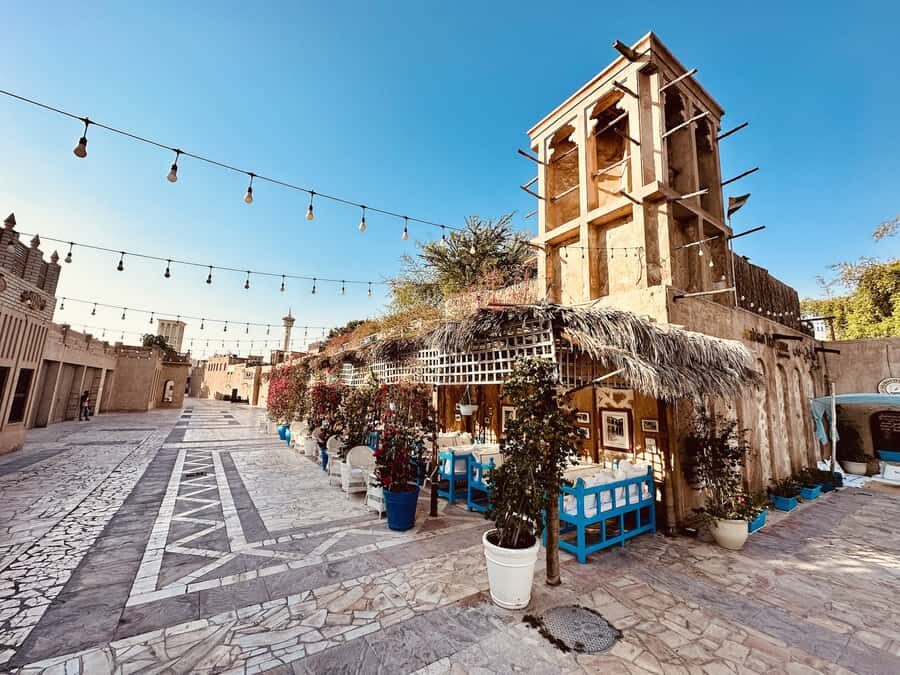
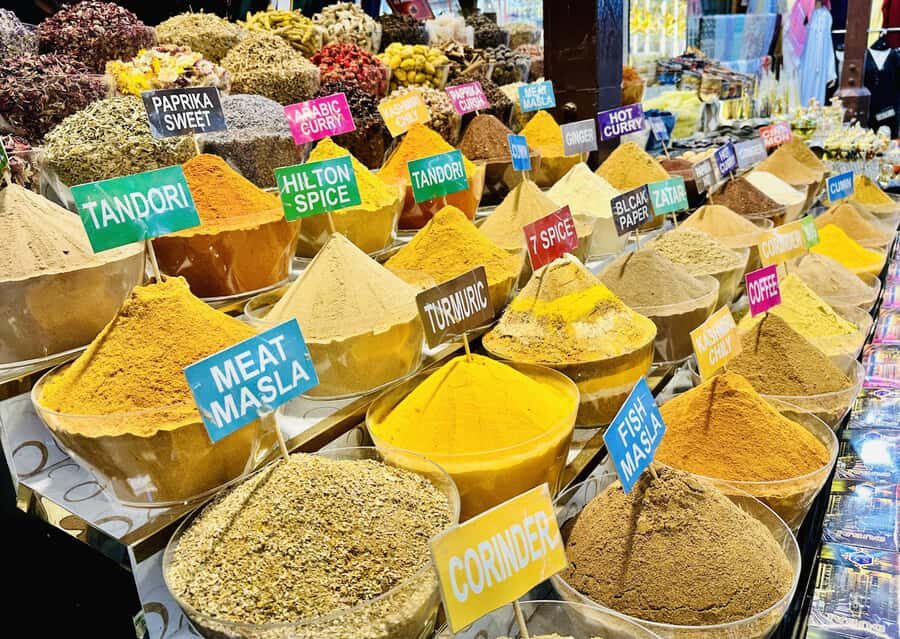
After the tea and heritage stops, the experience shifts into senses and shopping confidence. You’ll go into spice-related stops with a spices experience, where the guide talks through flavors and ingredients and how they’re used.
This matters because Dubai souks can feel overwhelming if you don’t know what you’re looking at. With the spice lesson first, you start noticing patterns: which scents go together, what names refer to, and how blends work.
It also sets you up for the spice and gold souks later. You’ll have a better sense of value and quality simply because you’ve learned how ingredients behave—how they smell, what roles they play, and how sellers present products.
Souks strategy: how to explore without getting pulled around
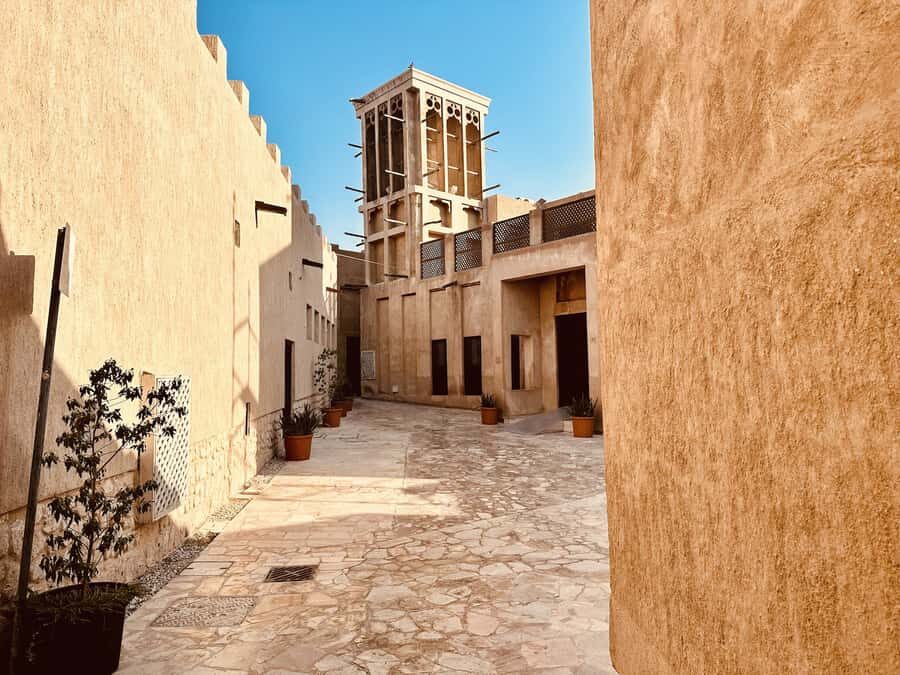
The tour includes access to the souks, plus specific advice on how to avoid scams and tourist traps. I appreciate that this isn’t framed as fear. It’s framed as control: you learn how to ask questions, how to keep things realistic, and how to spot pressure tactics.
Walking in the souks is a different experience when you’re not just searching for the next store. The guide encourages you to look, explore, and shop for local products with a clearer game plan.
Also, the pacing helps. This tour is small-group, and the guides mentioned in the feedback—like Anis, Mustafa, and Ahmad—are repeatedly praised for staying interactive and patient, even when people have lots of questions.
If you’re the kind of person who wants to buy something small and meaningful (spices, tea, sweets, or a few gifts), this route is a strong way to do it.






Abra boat crossing: the classic river view you actually feel
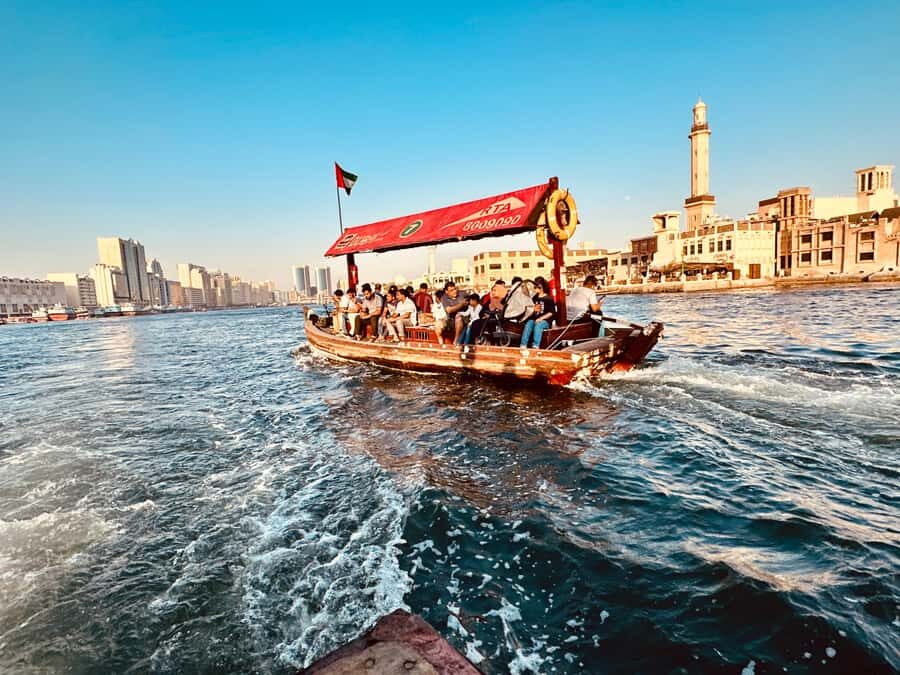
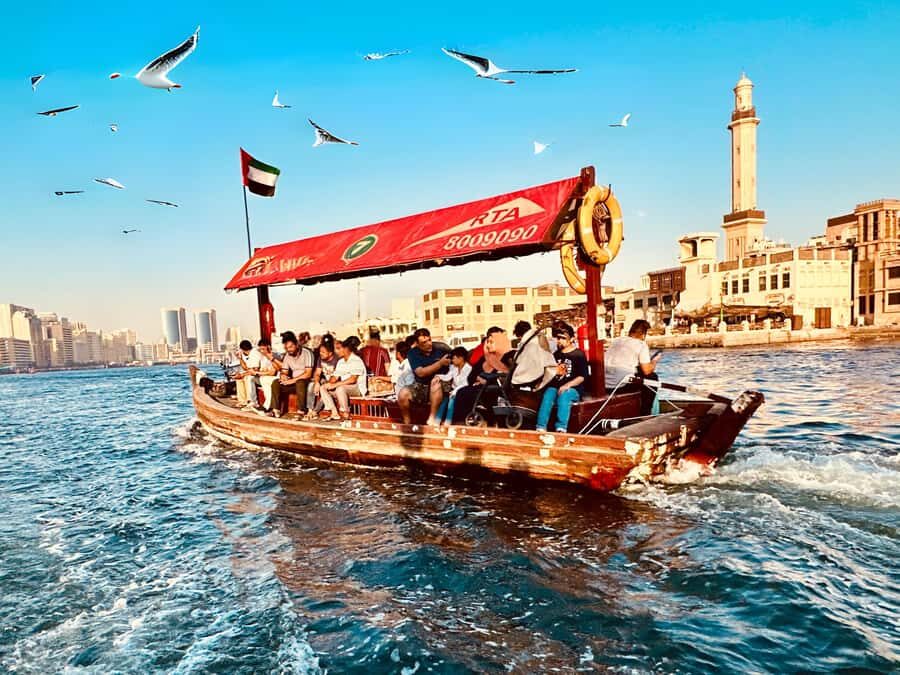
Then comes the iconic change of perspective: you cross the river on a traditional fishermen boat called an Abra. This isn’t just a photo stop. It helps you feel how old Dubai connects, because the water routes explain a lot about where markets and trading activity made sense.
The Abra ride is included as part of the core experience, and it’s one of the best parts for first-timers. Even if you think you already know Dubai from pictures, the river view gives you a street-level sense of the city’s older rhythm.
If you’re worried about timing, don’t be. The tour is structured so you move logically between heritage, tastings, the souks, and then the crossing.
Gold and spice souks: what to look for after the tastings
Once you’ve had the tea, sweets, and spice learning, the souks become more readable. You’re not only shopping; you’re translating.
The experience includes time around spice and gold souks, and the guide’s advice on avoiding tourist traps is especially relevant here. Gold shopping can get complicated fast, and a guide helps you stay grounded, ask smarter questions, and focus on what matters to you.
For many people, this is where the tour pays off financially too, because confusion is expensive. When you understand the basics—how products are discussed, what to pay attention to, and how bargaining dynamics typically work—you’re less likely to feel pressured.
Weather and pace: how this tour stays comfortable
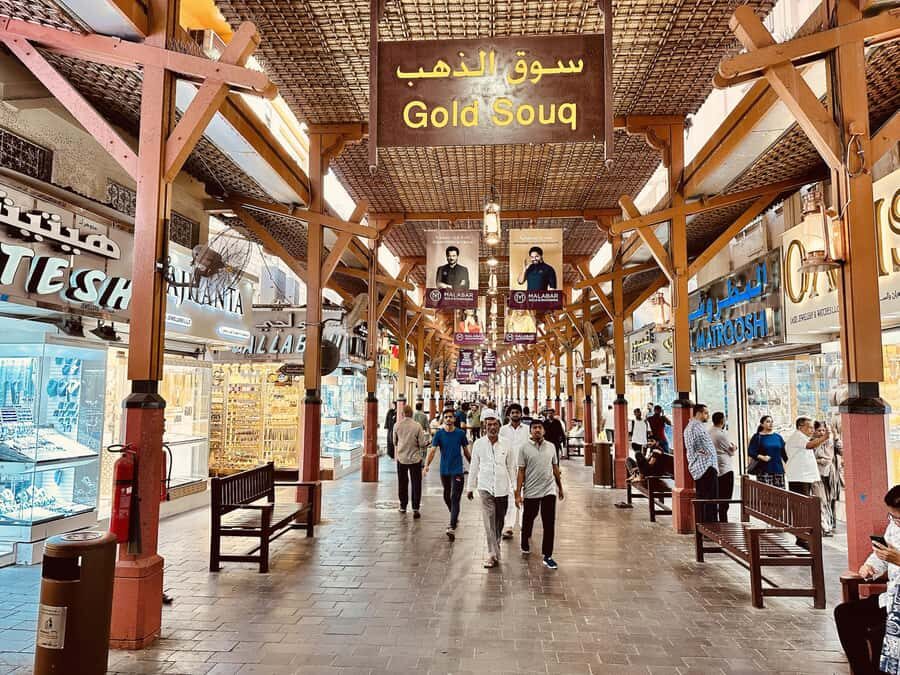
Dubai heat is real, and the tour clearly anticipates it. In the feedback, people mention the guide building in breaks, going indoors when needed, and keeping things paced so the group isn’t cooked.
Still, you should treat this as an active city-walk day. Even with breaks, you’ll want light clothing, water, and good walking shoes. The tour includes water, which helps, but comfort is still your job.
This also explains why the small-group size matters. You don’t want a large crowd slowing you down at every shop and crossing. With a smaller group, you can move efficiently and keep attention on the guide’s explanations.
Guide styles: why the names matter
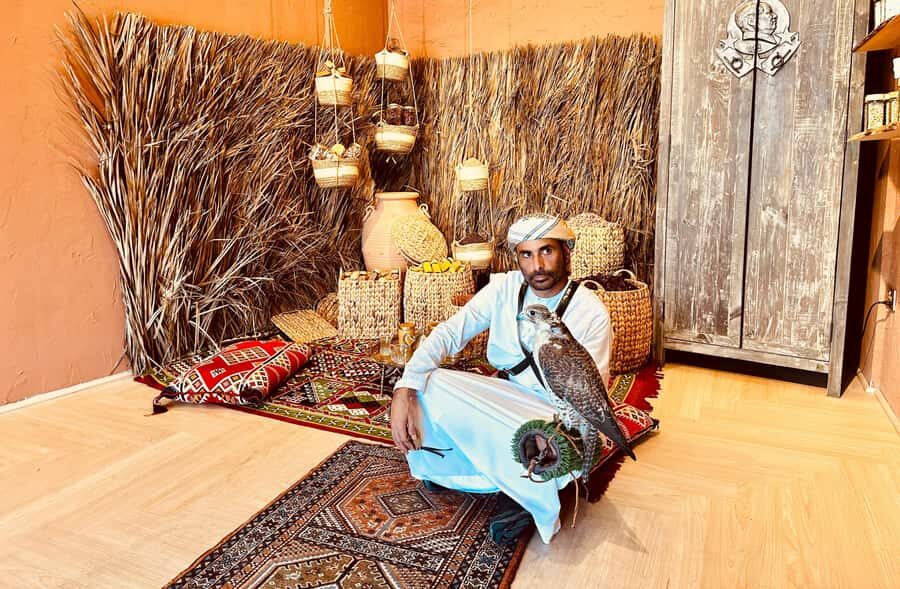
The tour’s reputation in the feedback is strongly tied to the guide experience. You’ll see names like Anis, Mustafa, Abdul, and Ahmad repeatedly, and the most common praise is not only their friendliness, but also their ability to handle questions and keep people engaged.
If you love history, you’ll enjoy how guides turn architecture and daily customs into stories you can picture. If you’re more of a foodie, you’ll like how the guide connects tastes to the ingredients behind the markets.
And if you’re traveling with family, that’s a plus too. One person mentioned a very young baby, and the guide was helpful and professional—exactly the kind of flexibility you want on an outdoor city tour.
Value check: is $8 per person a real deal?
At $8 per person, this is priced like a budget add-on. But the content goes beyond a quick walk: licensed guide, old houses entry, heritage area access, Abra boat ride, Baba’s Cave entry, and multiple tastings are all included.
When you break it down, the value comes from three buckets:
- Transportation you can’t easily DIY: the Abra crossing and guided navigation through the older areas.
- Entry and access: old houses and heritage area access add up faster than you might expect.
- Tastings plus context: Arabic coffee, saffron tea, dates, sweets, iced tea, chocolates, and spices experience are more than snacks. They’re the learning vehicle.
One caution: because the tour is so good value, you should go with the right expectations. You’re paying for guided focus and included experiences, not luxury extras or long lounge time. If you want a relaxed, seated-only day, you might find parts of the tour too hands-on.
Who this Old Dubai souk tour is for
I’d recommend it if you fall into one of these categories:
- You want Old Dubai that feels understandable, not random.
- You like markets, but you want a guide to help you avoid getting redirected or overcharged.
- You enjoy food and drink that comes with context—especially Arabic coffee and saffron tea.
- You’re short on time and want multiple highlights in one outing: Al Fahidi heritage, houses, spices, souks, Abra.
If you’re already a Dubai market pro and know every shortcut, you might feel you’re paying mostly for access and food. But even then, the Abra crossing and the heritage-house storytelling can still refresh your perspective.
Should you book this Dubai Old Town Souks, Tastings & Abra tour?
Yes, if your goal is simple: get oriented fast, taste real local flavors, and see Old Dubai through a guide’s eyes. The small-group size, strong guide reputation (Anis, Mustafa, Ahmad, Abdul), included heritage-house access, and Abra ride make this feel like a smart first step into the creek-side city.
Book it especially if you’re not confident navigating souks on your own. The guidance on avoiding tourist traps and learning the basics of spices and tea means you spend your time exploring, not second-guessing.
If you’re very sensitive to walking and sun, plan to go prepared. Bring the gear the tour asks for, wear shoes you can handle, and take the breaks your guide offers.
FAQ
Where does the tour meet?
You meet your guide in front of the Arabian Tea House Restaurant & Cafe Al Fahidi (the Al Fahidi location, not the other similar ones).
Is hotel pickup included?
Hotel pickup is included if you choose the private tour option. Otherwise, you’ll meet at the meeting point.
What food and drinks are included in the tastings?
Included tastings include traditional Arabic coffee, saffron tea, dates, chocolates, local sweets, and iced tea.
What boat ride is part of the experience?
The tour includes a traditional Abra boat ride across the river.
What sights are included beyond the souks?
You’ll have old houses entry and access to the heritage area, plus Baba’s Cave entry, along with time around the spice and gold souks.
What should I bring with me?
Bring comfortable shoes, sunglasses, and a sun hat. Water is included, but these items help you stay comfortable outdoors.