REVIEW · DUBAI
Dubai City Tour with Al Marmoom Desert Dinner and Show
Book on Viator →Operated by OceanAir Travels · Bookable on Viator
Dubai hits different after dark. This two-day city-and-desert combo pairs big-photo landmarks with real local flavor. I like the Blue Mosque visit for the scale and detail, and I like the Al Marmoom setup for dinner in a quiet conservation area. The main catch is you need to plan for long days and traffic since the stated timing can shift.
I also like that this runs as a tight group experience (up to 15) with shared pickup and drop-off in air-conditioned vehicles. It’s built for people who want highlights without cobbling together separate tours. One thing to consider: the Al Marmoom evening is weather-dependent, so it may change dates if conditions aren’t good.
In This Review
- Key highlights at a glance
- Two days in Dubai: city icons plus Bedouin stars
- Price and value: what the $142 covers
- Getting the rhythm right: timing, pickup, and group size
- Day One: Souk stops, Burj Al Arab views, and the Blue Mosque
- Abra across Dubai Creek and shopping at Gold & Spice Souk
- Al Khayma Heritage House: tea, culture, and cuisine cues
- Day Two: Al Marmoom Oasis camp with camel ride and nature time
- Bedouin dinner, luqaimat, and stargazing under the lights
- What I’d pack and wear (and what to skip)
- Guides and organization: why names matter
- Should you book this Dubai city plus Al Marmoom combo?
- FAQ
- How long is the Dubai City Tour with Al Marmoom Desert Dinner and Show?
- Is pickup and drop-off included?
- Is admission to the Blue Mosque included?
- Do we cross Dubai Creek on an Abra?
- What’s included in the Al Khayma Heritage House visit?
- What’s included at Al Marmoom Oasis on the second day?
- Is Khaliji Nasha’at dance available during Ramadan?
- Is the Al Marmoom part conducted in English?
Key highlights at a glance
- Small-group feel (max 15): more personal attention without turning it into a private tour.
- Blue Mosque stop with admission included: a major cultural anchor, not just a photo stop.
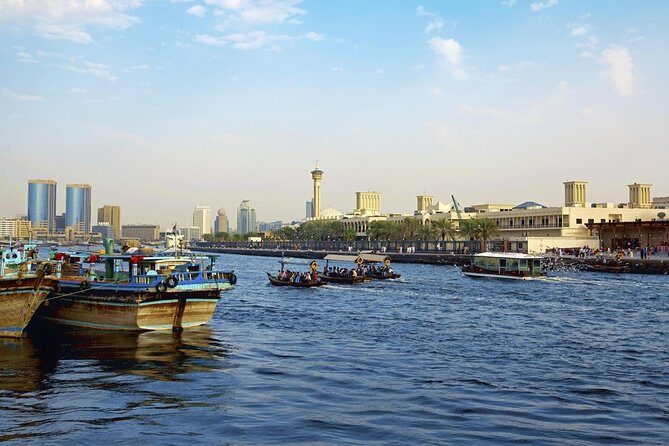
- Abra crossing into shopping mode: a classic creek ride right into Gold and Spice area browsing.
- Heritage House tea and culture lesson: Emirati hospitality with Arabic tea/coffee.
- Al Marmoom conservation camp: dinner plus nature, camel ride, and stargazing in the evenings.
Two days in Dubai: city icons plus Bedouin stars
This tour is a smart “best of both worlds” plan: Day 1 leans city-focused—mosque, creek, souks, and a photo-worthy moment at Jumeirah Beach—while Day 2 is the desert side of Dubai with a traditional-style camp dinner. The pacing works well if you want to see the big landmarks but still leave room for shopping and hands-on cultural experiences.
It also helps that the tour is designed as a combo. Instead of bouncing around different providers, you get one through-line: Emirati culture in the city, then Bedouin life out in the conservation area.
The group size ceiling (15 travelers) is a quiet but meaningful detail. With fewer people, the transitions between stops tend to feel smoother, and you’re less likely to spend the whole day waiting.
You can also read our reviews of more city tours in Dubai

Price and value: what the $142 covers
At $142 per person, you’re not just paying for sightseeing. You’re paying for a whole package of built-in inclusions across two days: shared pickup and drop-off, Blue Mosque admission, the Abra water taxi ride, heritage tea/coffee, and guided visits like Al Fahidi District.
Then Day 2 adds the stuff that’s hard to arrange on your own: transfers, camel ride, Bedouin entertainment activities, luqaimat, traditional Emirati dinner, and a stargazing astronomical session. It’s basically a city day plus a desert night where the “schedule” part is handled for you.
Where value really shows up is in how much is included versus optional. When the Blue Mosque visit and Abra ride are already covered, you can spend less time budgeting for entry fees and small transport add-ons. If your Dubai itinerary is short, that efficiency can be worth a lot.
Getting the rhythm right: timing, pickup, and group size
You start at 8:45 am. The total duration is about 10 hours across both days, and that duration includes pickup and drop-off time. Because traffic can affect the schedule, the tour says timing can vary, so I’d plan your other plans loosely on both days.
Pickup is offered and the vehicles are shared and air-conditioned. That’s a comfort win in Dubai’s heat, especially on Day 1 when you’re moving between several stops. Also, confirmation is sent at booking, and the tour is set to a fixed duration even if the exact arrival times shift a bit.
On Day 2, the start is tied to your hotel pickup in the afternoon—around 3:30 pm by estimate, with the exact timing confirmed one day before. If you like late mornings and easy starts, Day 2’s afternoon-to-night format is a good fit.
Day One: Souk stops, Burj Al Arab views, and the Blue Mosque
Day 1 starts in the shopping and souk orbit with Souk Madinat Jumeirah by Dubai Retail. Even if you’re not a hardcore shopper, it helps to begin with the souk mindset: Dubai’s retail culture is a major part of the experience, and you’ll be in the right headspace for what comes later at the Gold & Spice Souk.
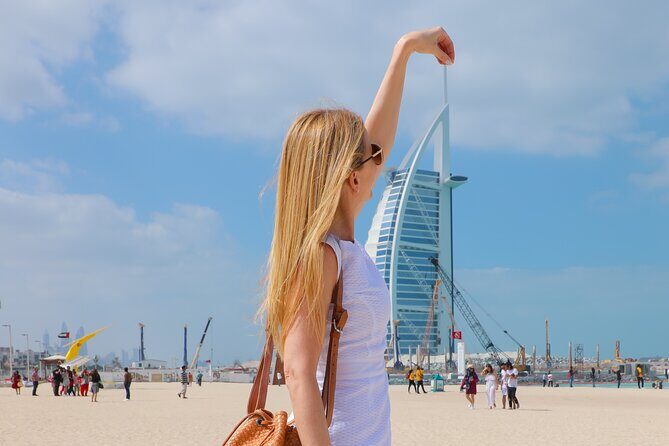
Next comes the quick Burj Al Arab view from Jumeirah Beach. It’s short, but it’s one of those Dubai images you probably came for. If you want time to actually enjoy the beach atmosphere, that 10-minute window means you’ll mainly be there for photos rather than hanging out.
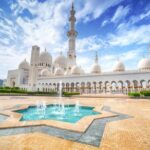
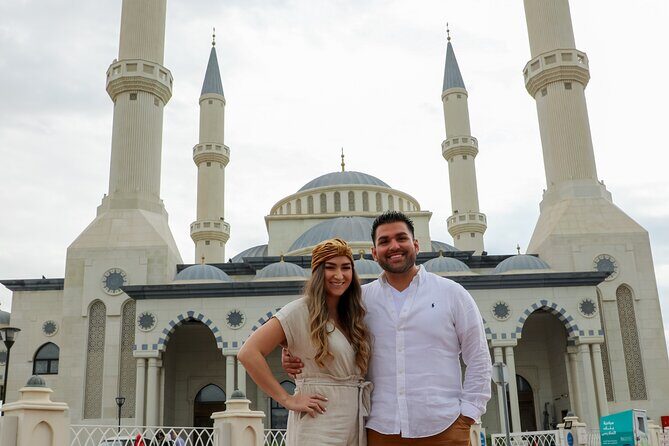
Then you land at the Al Farooq Omar Bin Al Khattab Mosque—known for its Blue Mosque look. This is the stop that gives the day weight. You can hold about 2000 worshipers at once, and the design is based on Ottoman aesthetics with Andalusian elements, inspired by the Istanbul Blue Mosque.
The visit is 1 hour and admission is included. For me, that’s the right length: enough time to appreciate the scale and design details without rushing through. Just be prepared for a cultural setting where you’ll want to dress appropriately and move respectfully through the space.
Abra across Dubai Creek and shopping at Gold & Spice Souk
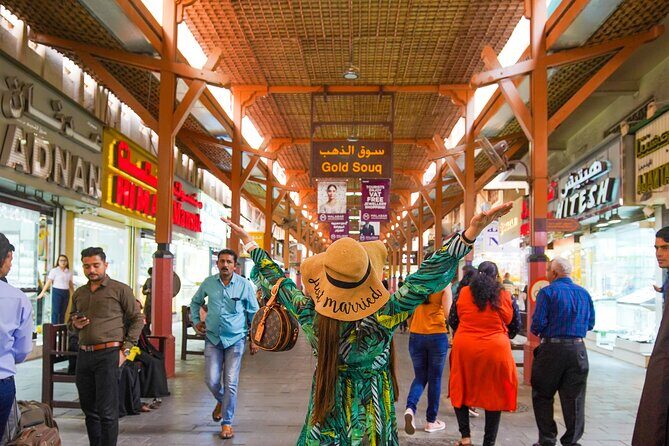
After the mosque, the tour shifts to classic Dubai texture with Dubai Creek. This is where the city feels older and more local—less glass-and-mirror, more trading and everyday movement.
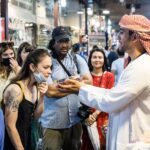
You cross the creek on an Abra water taxi, described as an authentic way to make the crossing. Then you step into the Gold and Spice Souk, a well-known area for spice trading and jewelry. The best part here is that the ride is included and timed so you go straight into browsing mode rather than feeling like the transit is a separate trip.
Practical advice: treat the souks like a sensory experience. Look at how spices are displayed, notice the variety, and don’t assume every price will be equal across stalls. If you’re shopping, bring a plan (like one spice you actually use) instead of trying to buy everything you smell.
The Abra crossing also makes it feel less like a “stop and go” sightseeing route. It’s short, but it gives you a moving postcard and helps you understand the creek’s role in Dubai’s trading life.
A few more Dubai tours and experiences worth a look





Al Khayma Heritage House: tea, culture, and cuisine cues
One of the best moves on Day 1 is the Al Khayma Heritage House experience. Instead of leaving Emirati culture as a generic idea, you get a real taste of hospitality and an intro to local food.
You’ll receive a traditional welcome with Arabic tea/coffee, then enjoy the culture and cuisine elements at the heritage house. This stop lasts about 1 hour, and admission is included while the tour wraps up the day by dropping you back to your hotel.
What I like about this kind of stop is that it acts like a bridge. Day 1 can feel like “mosque and shopping,” but the heritage house gives you language and context for what you’ll later see in the desert camp—traditional welcome, cooking styles, and a more community-driven pace.
If you’re the type who enjoys learning a few things you can actually use—like what Emirati hospitality looks like—this stop will land well.
Day Two: Al Marmoom Oasis camp with camel ride and nature time
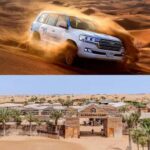
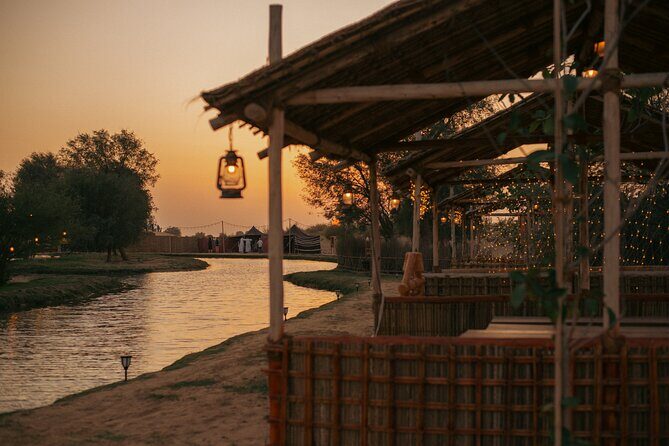
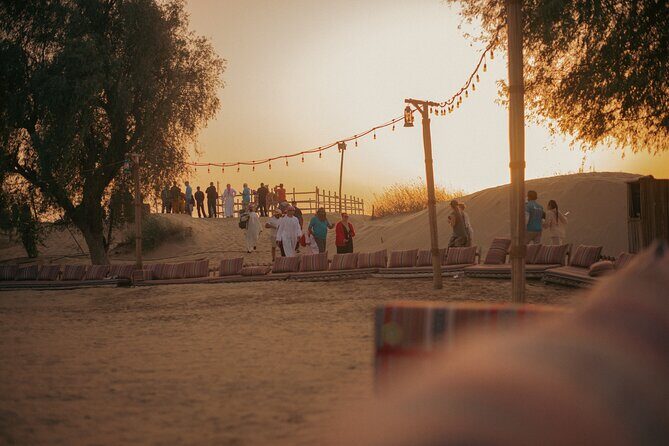
Day 2 is when Dubai slows down. You’re picked up again from your hotel and headed to Al Marmoom Oasis by OceanAir. This camp is in Dubai’s only unfenced conservation area, which matters because it changes the feel. It’s not just a theme setup; it’s tied to a nature-focused desert environment.
You’re welcomed with coffee gahwa and sweets in an Emirati style greeting. Then you head out for a camel caravan ride to explore the desert up close in a traditional way.
From a practical standpoint, camel rides can be physically bumpy, especially for anyone with back issues or anyone who isn’t used to sitting at an angle for a short time. If you’re even mildly concerned, wear something comfortable and wear a light layer you can adjust quickly.
After the ride, you spend time at the oasis with its flora and fauna mentioned as part of the experience. That nature break is a nice contrast after the city stops from Day 1. It gives your day a rhythm: movement, then observation, then dinner.
Bedouin dinner, luqaimat, and stargazing under the lights
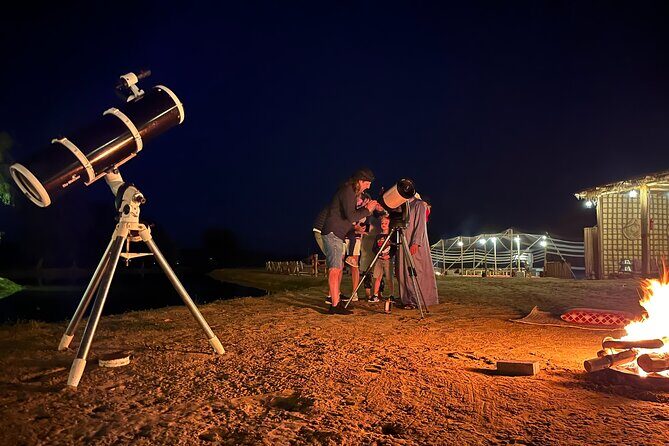
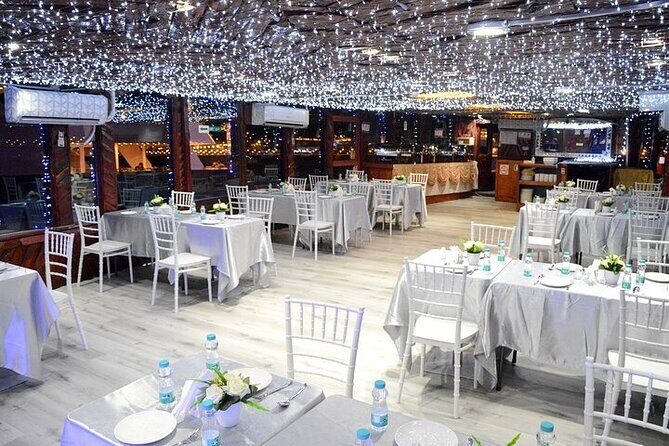
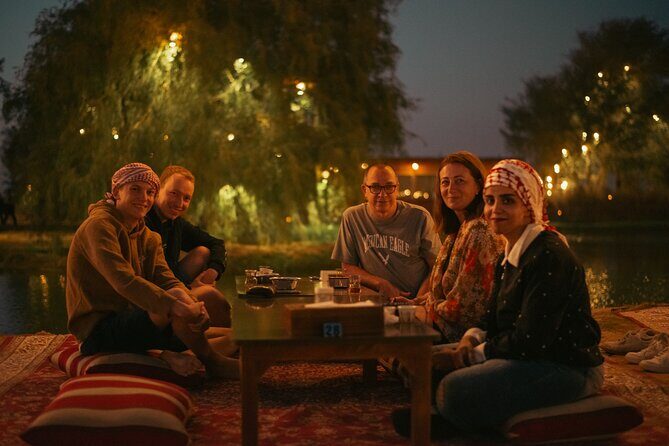
The heart of the experience is the traditional Emirati dinner at Al Marmoom Oasis. Before dinner, the camp includes Emirati cooking style demonstrations, specifically luqaimat—dumplings and flatbread. That’s one of the few moments where you get to see a food tradition as part of the show, not just as a plate delivered and forgotten.
You also get Bedouin entertainment activities. There’s an important heads-up: Khaliji Nasha’at dance will not be available during Ramadan or any other special Islamic days as per UAE law (dates may vary). If that dance is on your must-see list, it’s smart to plan flexibility around your travel dates.
As the lights are out, the camp presents a stargazing astronomical session. This is one of those features you don’t get in many Dubai desert experiences, and it’s a real reason to choose this tour instead of just doing dinner alone. Night in the desert often makes the sky feel bigger, and an organized stargazing session turns that into more than a quick glance.
What I’d pack and wear (and what to skip)
Dress code isn’t spelled out in detail here, but the tour recommends casual, loose-fitting clothing in summer, with a jacket in winter. That’s solid advice for Dubai: mornings can feel cooler, deserts cool down after sunset, and you’ll want to be comfortable across transfers.
If you’re thinking about henna, there’s a caution: if your skin is sensitive to henna, skip it. That’s a straightforward safety tip, and it’s worth taking seriously.
Also, the Al Marmoom dinner with transfers is in English only, so if you prefer English explanations on the desert side, you’re covered. For most people, that means fewer misunderstandings and less time spent guessing what comes next.
Guides and organization: why names matter
One thing that keeps showing up in positive feedback is the quality of the guides. I like that guides are praised by name—Seeham, Yamin, and Hossam—because it suggests you’re not just getting a driver and a checklist. The emphasis in feedback is on being courteous, knowledgeable, and making you feel safe and comfortable from pickup to the end.
That matters more than it sounds. Dubai can be a big, fast-moving place, and a guide who helps you connect the dots (what you’re seeing, why it matters, and what to do next) can turn a standard itinerary into a smoother day.
If you’re the type who worries about being herded from place to place, this small-group approach plus the guide focus is a good sign.
Should you book this Dubai city plus Al Marmoom combo?
Book it if you want a two-day plan that covers both the city’s key cultural stops and a traditional desert evening with dinner, camel ride, and stargazing. It’s also a good fit for first-timers who feel overwhelmed by Dubai’s sheer amount of options, but still want genuine Emirati moments rather than only modern viewpoints.
I’d think twice if you hate long days or you’re traveling around dates that might fall in Ramadan or special Islamic days. The tour notes that Khaliji Nasha’at dance won’t be available then, and weather can also affect the desert plan.
If you’re flexible on timing, comfortable with a packed schedule, and you want a structured route with cultural stops that actually explain themselves, this one is a strong value at $142 per person.
FAQ
How long is the Dubai City Tour with Al Marmoom Desert Dinner and Show?
The combo is about 10 hours total, split across two days. Timing is fixed for the activities, but it can vary due to traffic, and it includes pickup and drop-off time.
Is pickup and drop-off included?
Yes. The tour includes shared pickup and drop-off in air-conditioned vehicles.
Is admission to the Blue Mosque included?
Yes. Admission is included for the Al Farooq Omar Bin Al Khattab Mosque visit.
Do we cross Dubai Creek on an Abra?
Yes. The tour includes an Abra water taxi ride across Dubai Creek.
What’s included in the Al Khayma Heritage House visit?
You’ll visit the Al Khayma Heritage House for about 1 hour, with Arabic tea/coffee included as part of the traditional welcome.
What’s included at Al Marmoom Oasis on the second day?
On the second day you get luqaimat, an Al Marmoom Oasis visit, a traditional Emirati dinner, Bedouin entertainment activities, camel ride, and a stargazing astronomical session.
Is Khaliji Nasha’at dance available during Ramadan?
No. Khaliji Nasha’at dance will not be available during Ramadan or other special Islamic days as per UAE law (dates may vary).
Is the Al Marmoom part conducted in English?
Yes. The Al Marmoom dinner with transfers is in English language only. The tour is also capped at a maximum of 15 travelers.