REVIEW · DUBAI
Dubai: Half-Day Camel Trekking with Al Marmoom Breakfast
Book on GetYourGuide →Operated by OceanAir Travels · Bookable on GetYourGuide
Camels, coffee, and a conservation reserve. I love the 45-minute camel ride across Al Marmoom’s protected desert, and I love how the morning ends with a hearty Bedouin breakfast in a proper village setting. The main consideration: this tour isn’t suitable for wheelchair users and isn’t a fit if you’re pregnant, because it involves getting around in the desert.
What makes this one stand out is how it slows the usual Dubai desert routine down. You get Arabic coffee (gahwa) and sweets before you even start, you pause for animal-spotting, and you finish with photo time in traditional clothing plus a falcon moment.
In This Review
- Key things I think are worth your attention
- Al Marmoom Camel Trek: what you’re really buying
- Getting from Dubai to the desert (and why the timing matters)
- The camel caravan: 45 minutes that feels longer (in a good way)
- Bedouin village arrival: sustainable village touches
- Gahwa and coffee-making: not just a cup
- Dressing in Arabic attire and the falcon moment
- Bedouin breakfast: the meal people remember
- Wildlife spotting: what to look for (and how to increase your odds)
- The people factor: guides can make or break it
- Who this tour fits best (and who should skip it)
- Value check: is $95 fair for what you get?
- Should you book this camel trek with Al Marmoom breakfast?
- FAQ
- How long is the camel trekking portion?
- How long does the whole tour take?
- Is pickup from Dubai included?
- What happens when we arrive at Al Marmoom?
- Do we get Arabic coffee during the tour?
- Is breakfast included?
- Can kids ride the camel?
- Is traditional clothing included?
- Is there a falcon experience?
- What items aren’t allowed on the tour?
Key things I think are worth your attention
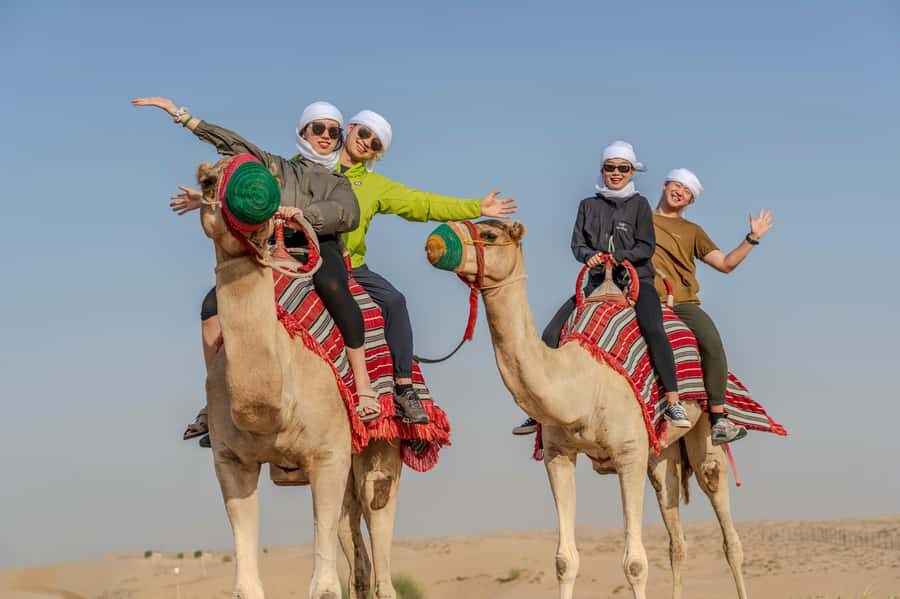
- Al Marmoom Conservation Reserve on camels, not dune-bashing
- Bedouin village breakfast served after you work up an appetite
- Gahwa (Arabic coffee) welcome and an Arabic coffee-making session
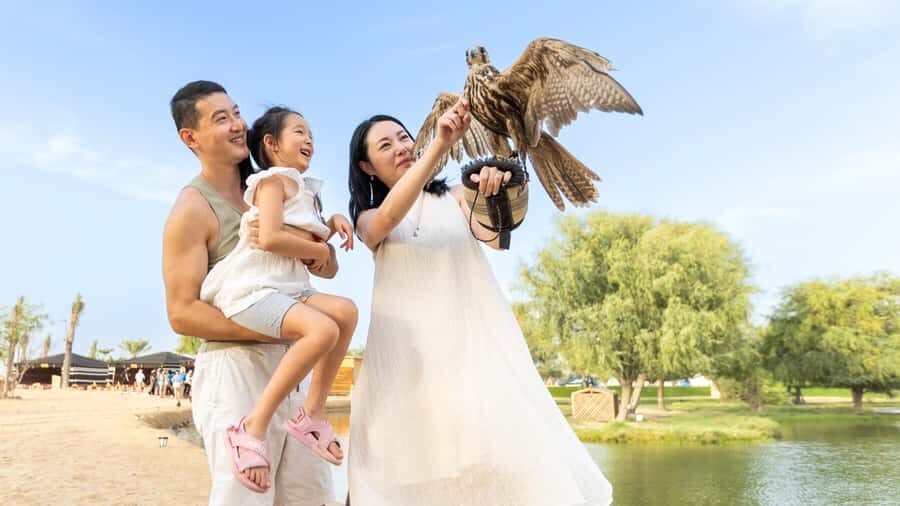
- Falcon photos with a falconer plus traditional headscarves/clothing
- Wildlife spotting opportunities, including mention of oryx and desert birds
- Guides who bring the desert to life (Saeed, Ali Sher, Aziz, Lucky, Ramish, and others show up in the praise)
Al Marmoom Camel Trek: what you’re really buying
For $95 per person and about 5 hours total, you’re paying for a focused half-day desert outing that’s built around three things: time with camels, time in a Bedouin-style village, and time learning a little culture. It’s also a nice contrast to the common Dubai “slam on the brakes, roll down dunes” style of desert activity. Here, the pacing is calmer.
The setting is Al Marmoom, described as the UAE’s largest unfenced desert reserve. That matters because an unfenced reserve tends to feel less fenced-in and more like you’re actually moving through a real ecosystem. You’re not just taking photos; you’re walking a route where you might see birds, lizards, and—depending on conditions—bigger wildlife.
The ride itself is planned around photos and gentle trekking. Multiple guides are praised for spotting wildlife and stopping when there’s something worth looking at, not just rushing to the next moment.
You can also read our reviews of more hiking tours in Dubai
Getting from Dubai to the desert (and why the timing matters)
This tour includes hotel pickup and drop-off in Dubai. Expect to spend about 50 minutes driving from the city to the Al Marmoom area before you start the camel portion. If you’re the type who gets impatient waiting in lines, you’ll probably like that this is organized and straightforward: you’re picked up, you’re driven, and you’re put to work on the camel route.
From a comfort standpoint, think of the drive as part of the experience. Several guides are described as sharing context about the UAE and the desert while you head out. Even in half a day, you want some “transfer value,” not just sitting in a car.
Also, desert mornings are a smart move. One review specifically calls out choosing the morning option to avoid later-day heat. If you have flexibility, morning is usually the easiest on your body and your photos.
The camel caravan: 45 minutes that feels longer (in a good way)
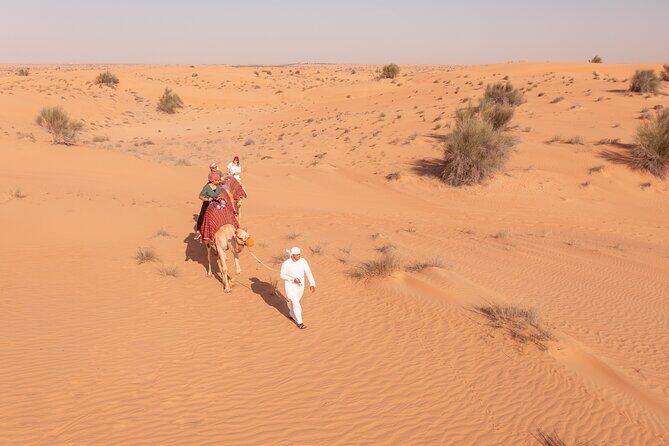
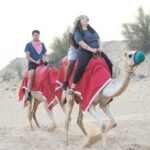
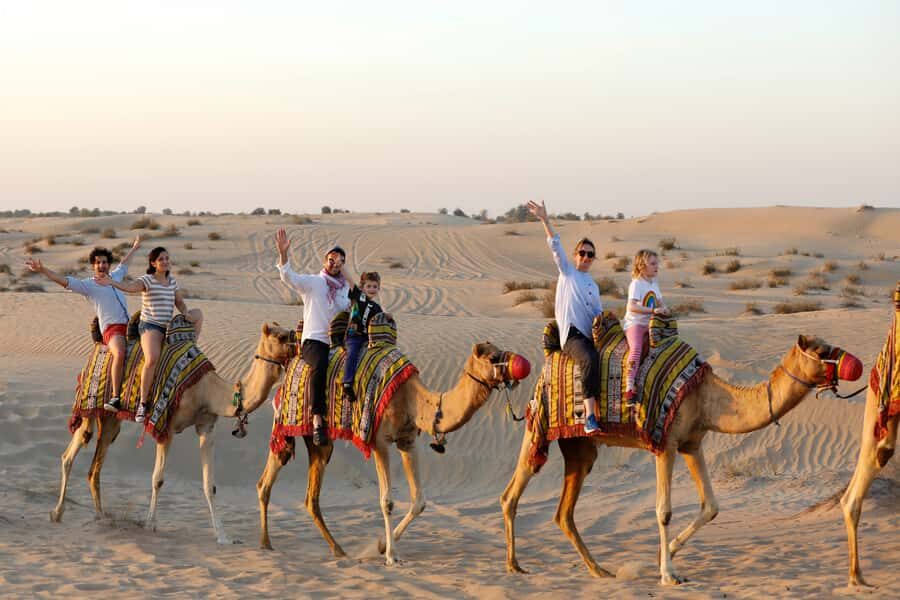
The camel portion is about 45 minutes of caravan trekking through the reserve. This is the core event, and it’s exactly what most praise focuses on: camels described as calm and well cared for, plus guides who help with pacing and photos.
A big practical tip: if you’re nervous about mounting, don’t panic. There’s clear praise for guides who reassure riders and make it easier. If you’re worried about balance, take your time when you climb up and hold steady before you start moving.
You’ll also have stops for photos along the way. That means the “camel time” isn’t only walking; it includes those little pauses when the light is right and the desert looks its best. Several guides (like Aziz and Anwar in the feedback) are noted for taking quality photos and videos, including using the group’s camera.
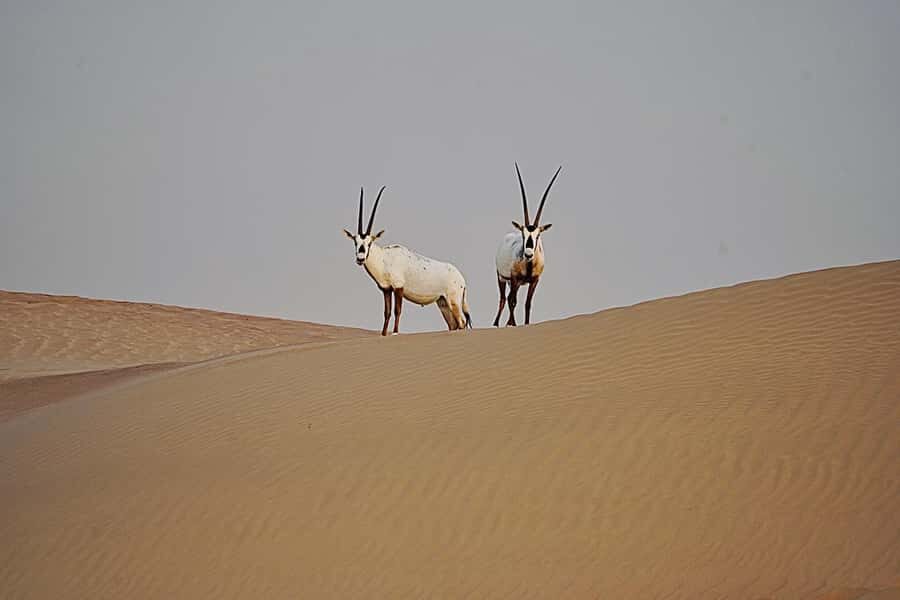
Wildlife spotting happens during the trek too. Guides are credited with finding things worth seeing, including desert birds and mention of the Arabian oryx antelope. You shouldn’t treat wildlife as guaranteed, but the tour is built to look.
Bedouin village arrival: sustainable village touches
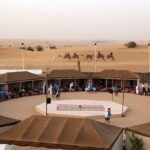
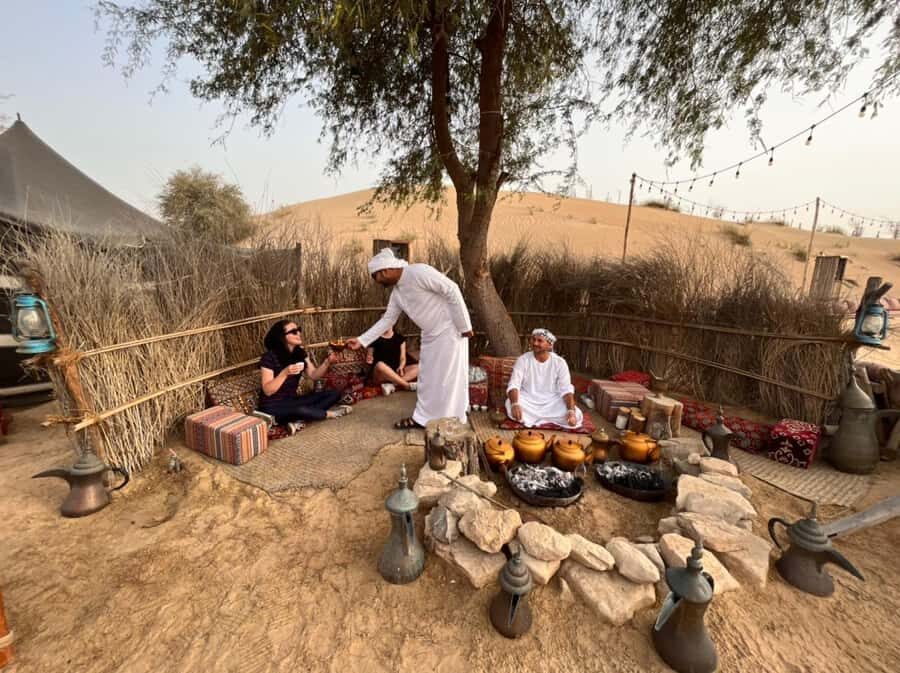
After the camel ride, you head to a Bedouin village. The village is described as built from natural and sustainable materials, with the sort of details that help you understand what you’re looking at rather than just seeing “props.”
In that village area, you can expect to see:
- Bedouin tents
- A restored well
- Cooking stations
- Farm animals (and some reviews mention more than you’d expect, while others note only a limited number)
This is also where the tour shifts from animal time to culture time. If you like food, you’ll probably like this stop, because breakfast follows quickly. If you prefer photos, this is also where the setting gives you variety beyond only dunes.
One subtle point: some people care more about “walking around and exploring.” You may not have an open-ended wander here. The experience is guided and structured. If you want lots of roaming time, you might want to manage expectations and go with the flow.
Gahwa and coffee-making: not just a cup
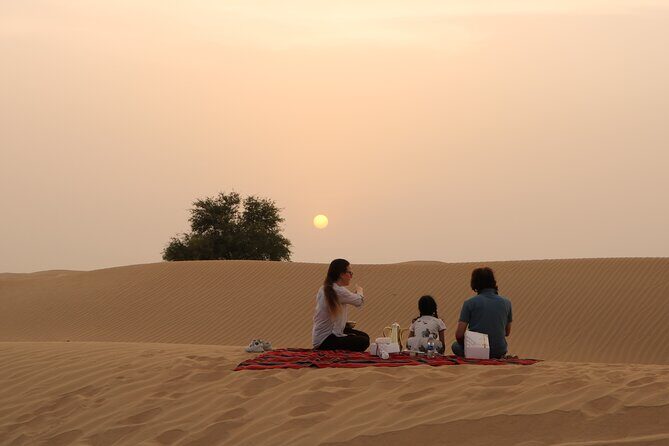
Arabic coffee (gahwa) shows up early, with a welcome of gahwa and local sweets. Then later there’s a live Arabic coffee-making session where you learn how it’s prepared.
This part is valuable because it’s not only a taste test. You get an explanation of the process and you usually hear short stories from your guide as the coffee is prepared. Several guides are singled out for being friendly and informative during these cultural moments.
What you should know is that coffee presentations can run short. One feedback note complained that coffee-making wasn’t fully demonstrated for them and that they were left to their own time during breakfast. That’s not the norm in the overall praise, but it’s the only clear “watch out” theme.
My advice: if the coffee-making demo is a priority, show up mentally ready to ask a question. If you’re curious, ask how the herbs/spices or the roasting process works. Guides often enjoy that.
A few more Dubai tours and experiences worth a look


Dressing in Arabic attire and the falcon moment
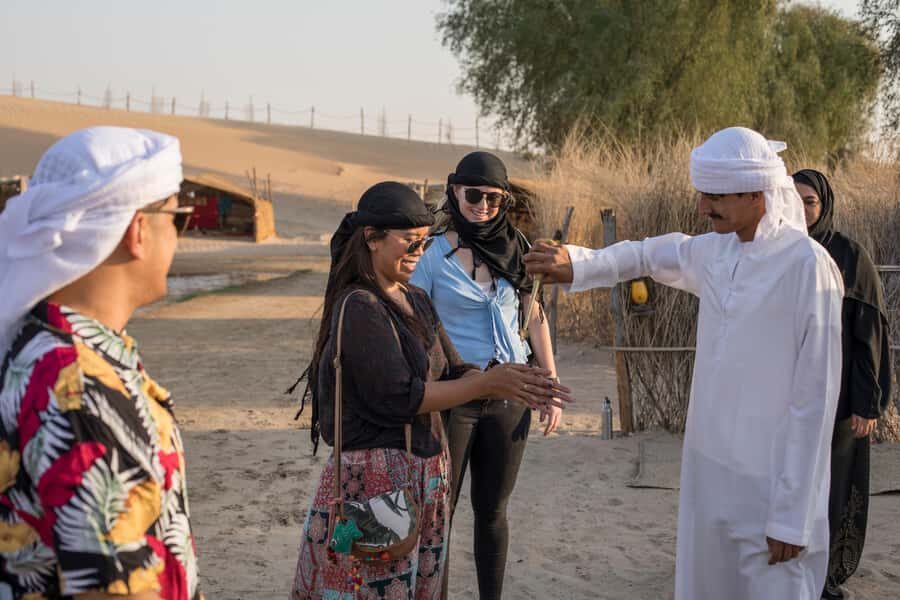
One of the fun, very Dubai-but-still-authentic-feeling parts is the chance to try on traditional clothing:
- Kandura for men
- Abaya for women
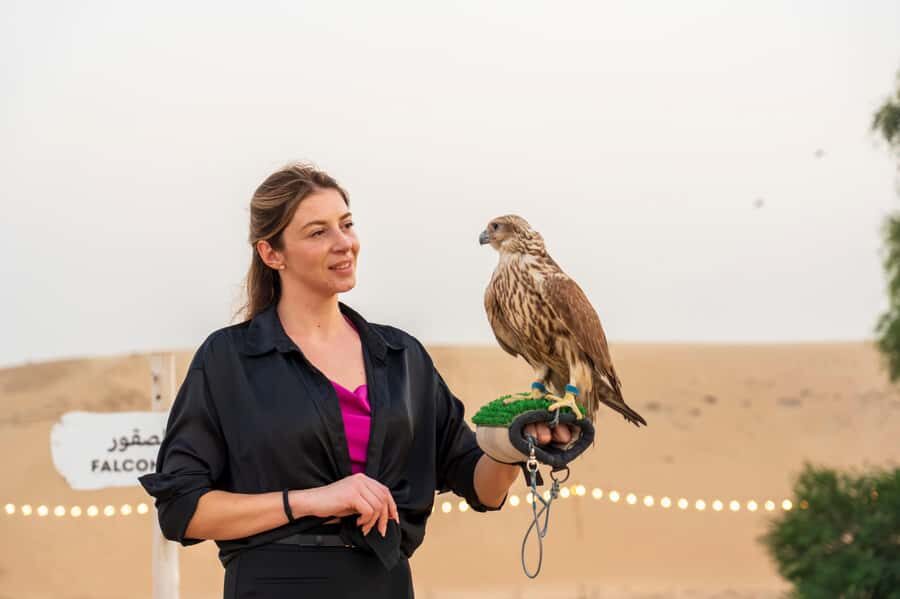
You’ll also get headscarves (noted in one review) and photo time with the falcon. The falcon session includes a falconer and is described as friendly and well trained. The photos themselves tend to be a big deal, and several reviews praise guide photo skills—some people mention guides stopping in the right spots and capturing both quick shots and video moments.
If you care about animal welfare, keep it calm and respectful. The tone from the feedback suggests the falcon part is handled professionally, not like a chaotic gimmick.
Bedouin breakfast: the meal people remember
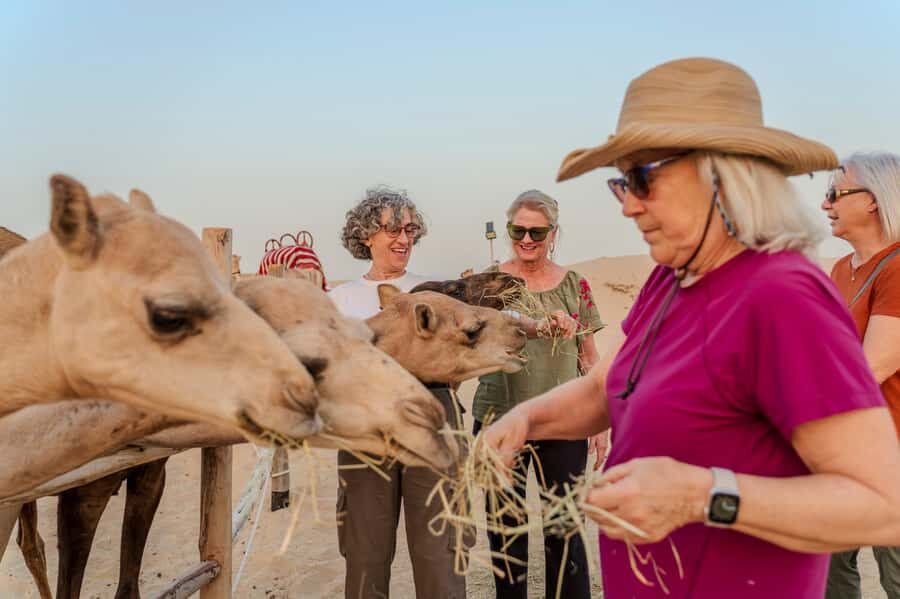
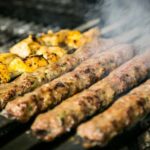
Breakfast is served at the village after your camel ride and cultural stops. Many reviews call the breakfast a highlight and say it’s delicious, filling, and plentiful. One person even says it felt like there were enough options to satisfy picky eaters, with basics like eggs and bread noted.
Here’s what you can typically expect:
- A spread of Emirati/Bedouin-style dishes
- Fresh bread mentioned in feedback
- Coffee and sweets around the experience
- A meal served in a comfortable, tent-style setting
A couple of practical perks show up in the reviews:
- People mention the toilets were very clean
- The food is described as not overly spicy in at least one account, which matters if you’re heat-sensitive
Vegetarian friendliness is not guaranteed by the tour facts, but one review explicitly says it works for vegetarians. If you eat without meat, tell the operator when you book if possible, or come ready to stick to breads, eggs, salads, and any non-meat dishes on offer.
Wildlife spotting: what to look for (and how to increase your odds)
One of the strongest themes in the praise is wildlife spotting. Your guide is expected to help you find animals like birds and lizards, and the reserve is known for conservation work connected to the ecosystem.
You might spot:
- Desert birds
- Lizards
- Arabian oryx (mentioned in the highlights, and seen as a positive in at least one review where a guide went out of their way)
How to improve your chances: listen for the guide’s instructions during the walk. When you see someone stop and angle their body toward the ground or shrub line, that’s usually where the action is. Also, keep your phone camera ready, but don’t spend the whole ride staring at it. The best sightings tend to happen when you look with your eyes first.
The people factor: guides can make or break it
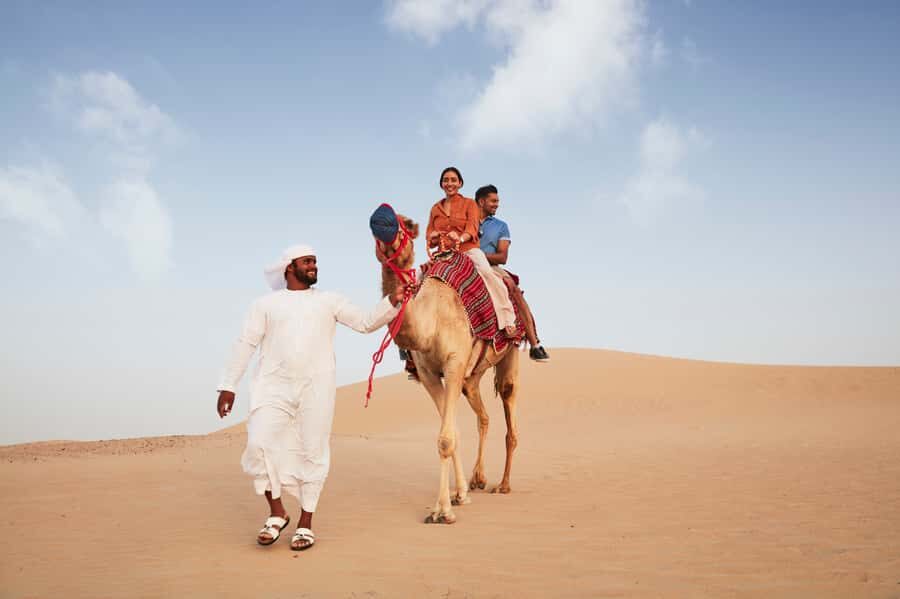
This is where the tour earns its near-perfect ratings. Guides show up repeatedly with names like Saeed, Ali Sher, Aziz, Lucky, Ramish, Inmar/Imaan, Imran, Majid, Waqar, and Anwar. The consistent thread is not only knowledge, but also photo help and a calm, supportive vibe.
Several reviews mention that guides:
- took lots of photos and videos for the group
- stopped during the camel ride for scenic or wildlife moments
- explained desert and Dubai context during the drive
- kept things organized and punctual
If you want a tour that feels like a friendly morning with a capable guide, this is the one. If you want total silence and zero conversation, you might still get interaction—but the guides seem to try to match your energy.
Who this tour fits best (and who should skip it)
This tour is best for:
- People who want camel trekking instead of dune-bashing
- Families with kids who are at least 5 years old (kids under 5 can join but can’t ride the camel)
- Anyone who likes cultural stops tied to food, clothing, and coffee (gahwa)
It’s a poor fit for:
- Wheelchair users (explicitly not suitable)
- Pregnant women (explicitly not suitable)
- People traveling with pets or large bags/luggage, which aren’t allowed
If you’re traveling with kids, note that children under 5 can stay with an adult at the village during the camel ride or follow behind the caravan. So plan your kid logistics early.
Value check: is $95 fair for what you get?
In Dubai, $95 can be either a steal or a rip-off depending on what you actually do for those five hours. Here, the value is strong because you get a structured package:
- pickup and drop-off
- camel time (45 minutes)
- Bedouin breakfast
- Arabic coffee welcome plus a coffee-making session
- falcon photos
- traditional clothing photo time
- animal-spotting guidance
The biggest “value win” is the combination. If you just wanted breakfast, you’d pay less. If you just wanted a camel ride, you’d often get a shorter, more rushed version. This tour strings them together into one calm morning.
Also, the pricing feels more reasonable when you consider the photo work. Multiple reviews mention guides helpfully capturing photos and videos without pushing extra add-ons.
Should you book this camel trek with Al Marmoom breakfast?
Book it if you want a half-day, low-stress desert experience that mixes camels, animals, and real food, not just a photo stop. If breakfast and cultural touches like gahwa and the coffee-making session are your priorities, this is the kind of tour that leaves you thinking about the meal and the village long after the camel walk is done.
Skip it if your top goal is lots of free roaming, or if you need accessibility accommodations. Also skip if you’re in any of the explicitly not-suitable groups (pregnancy, wheelchair users). And if you’re picky about the coffee-making demonstration being hands-on, go in expecting it to be a guided session, and don’t be shy about asking what you’re looking at.
FAQ
How long is the camel trekking portion?
The camel caravan ride is about 45 minutes.
How long does the whole tour take?
The tour duration is about 5 hours total.
Is pickup from Dubai included?
Yes. Hotel pickup and drop-off are included from Dubai city hotels and apartments.
What happens when we arrive at Al Marmoom?
You’ll meet your camel and ride into the Al Marmoom desert while spotting wildlife, then continue to the Bedouin village.
Do we get Arabic coffee during the tour?
Yes. You’ll have a gahwa welcome of Arabic coffee and also a live Arabic coffee-making session.
Is breakfast included?
Yes. A traditional Bedouin breakfast is included after the village activities.
Can kids ride the camel?
Children below 5 can join, but they are not permitted to ride the camel. They can stay with an adult at the village during the camel ride or follow behind the caravan.
Is traditional clothing included?
Yes. You can try on Arabic attire: Kandura for men and Abaya for women.
Is there a falcon experience?
Yes. You get photos with a falcon.
What items aren’t allowed on the tour?
Pets are not allowed, and luggage or large bags are not allowed.