REVIEW · DUBAI
Explore the Backstreets of Old Dubai with an Insider
Book on Viator →Operated by Wander With Nada · Bookable on Viator
Forget Dubai’s skyline; try its old streets. This half-day tour takes you into Deira and Bur Dubai for the city’s older rhythms—souks, a wooden abra crossing, and wind-towered lanes that explain how Dubai used to work before the glass towers. I especially like the way the tour connects places to everyday life, from pearl-trading days to modern shopping habits. I also like the pace: you walk, then sit down for a proper traditional lunch without rushing everyone like a cattle call.
The biggest reason this works is the guide. In the reviews, the name that keeps coming up is Nada Badran, and that lines up with the feeling you get on the walk: questions are invited, details get explained clearly, and the group stays small (12 people or fewer). One thing to consider: you’ll be on your feet for a few hours on uneven sidewalks and in busy market areas, so if heat and walking really wear you down, plan your day with extra water and breaks in mind.
In This Review
- What I’d Bet You’ll Love Most
- Deira to Bur Dubai: Why This Old-Dubai Tour Feels Different
- Deira Souks: Spice, Gold, and the Real Work of Shopping
- Spice Souk: Aromas + Origins
- Gold Souk: History in a Shiny Form
- Textile Souk: What Clothes Actually Signal
- Learning to Haggle Without Becoming a Full-Time Negotiator
- Dubai Creek Abra Ride: The Best Kind of Time Travel
- Al Bur Dubai: Grand Mosque Visit With Clear Cultural Context
- The Dubai Museum Fort Moment: A Snapshot From the Outside
- Al Fahidi / Al Bastakiya: Wind-Tower Streets and Persian Merchant Roots
- Lunch at a Traditional Restaurant: Where the Tour Becomes Comfortable
- Price and Value: What $118.62 Really Buys You
- What to Wear and Bring for a Smooth Old-Dubai Walk
- Who This Tour Is For (and Who Might Want to Skip)
- Should You Book This Old Dubai Tour?
- FAQ
- How long is the Old Dubai walking tour?
- What does the tour cost and what’s included?
- How big is the group?
- Is lunch vegetarian-friendly?
- Do I need special clothing for the mosque visit?
- Is the tour outdoors, and does weather matter?
What I’d Bet You’ll Love Most
- Small group size (12 or fewer) means you can actually ask questions and get answers in real time
- Deira souks made practical: you learn how the stalls work and get haggling starters like ktir ghalee (too expensive)
- A Dubai Creek abra ride gives you the best kind of contrast—high-rises from the water, old neighborhoods on land
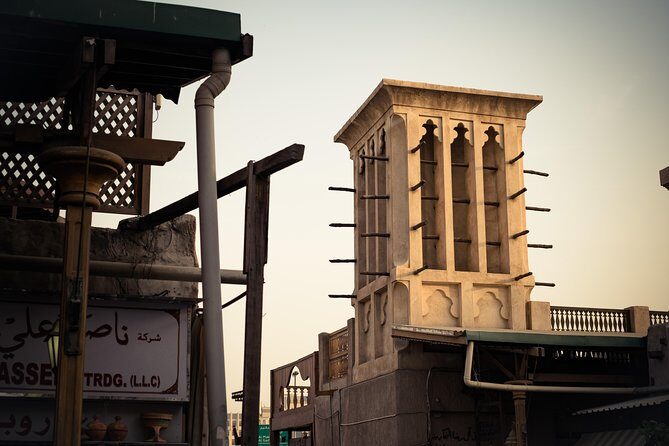
- Al Fahidi/Al Bastakiya wind-tower lanes show how homes were designed to cool before air-conditioning ruled everything
- Lunch plus entrance fees included so you’re not doing surprise budgeting mid-trip
Deira to Bur Dubai: Why This Old-Dubai Tour Feels Different
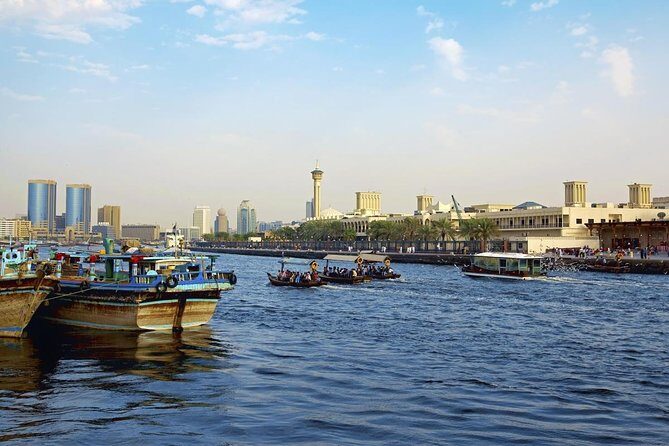
Dubai can feel like it was built for photos—big shapes, bright lights, and “look at this” moments at every turn. This tour is the opposite mood. You’re walking through areas that still feel like neighborhoods, not themed sets.
The value here is how the guide turns everyday sights into context. You’re not just told that Deira used to be a pearl trading town—you’re guided through what that kind of economy shaped in the city: how people gathered, how trade flowed, and why the souks became the social engine as much as the shopping engine. Even the practical bits—like learning the structure of the markets and how to bargain—make the experience feel useful, not just sightseeing.
You also get a nice reset after the market heat: a classic wooden abra ride across Dubai Creek, then you step into Al Fahidi/Al Bastakiya’s calmer lanes with wind-tower homes and older architecture.
You can also read our reviews of more tours and experiences in Dubai.



Deira Souks: Spice, Gold, and the Real Work of Shopping
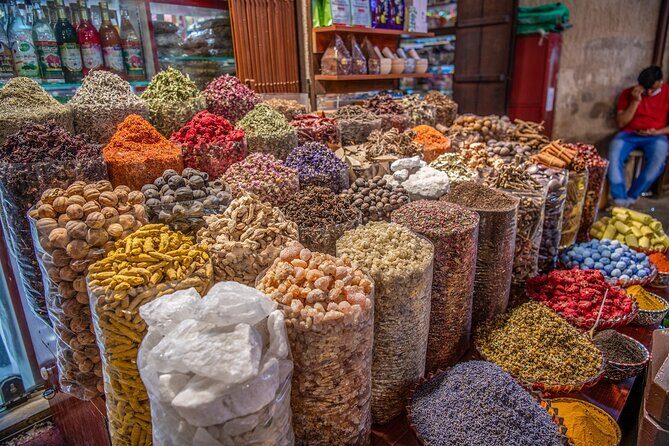
Deira’s souks are where the city shows you its trade skills. Expect narrow corridors of stalls and shopfronts, strong smells from spices, and a soundtrack of vendors calling out prices and products. The difference on this tour is that you’re not dropped into the chaos and left to figure it out alone.
Spice Souk: Aromas + Origins
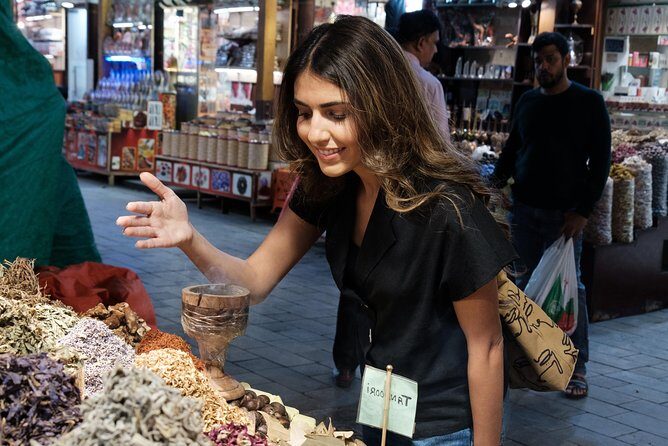
You’ll spend about 30 minutes around the Dubai Spice Souk—an aromatic mix of saffron and spices, plus popular edible souvenirs. The guide helps you navigate faster by giving you a short education first: what the spices are used for and where the items fit in the broader story of the market. After that, you’re freer to wander with a better sense of what you’re looking at.
Practical tip: if you’re sensitive to strong smells, keep a bottle of water handy and plan to pause near the doorway edges for a minute. The crowds and aromas can hit all at once.
Gold Souk: History in a Shiny Form
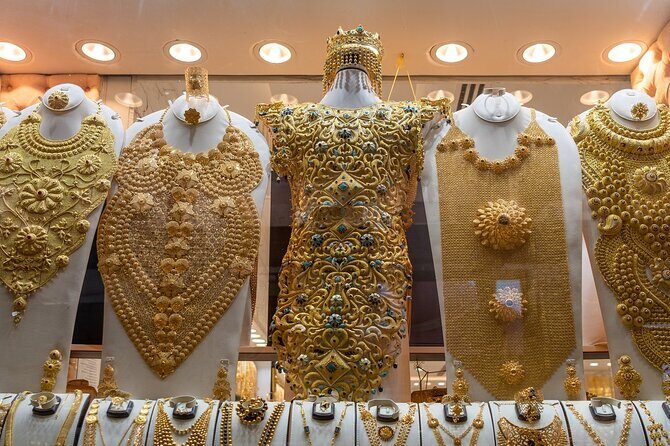
Then comes the Gold Souk. You’ll walk the covered passages through a large collection of gold shops, with a short stop focused on how the market became part of global fascination—especially around festive seasons. It’s a good reminder that Dubai’s old trade districts weren’t only local; they connected to wider demand for centuries.
What I like here is the balance. It’s not just “gold everywhere.” You get enough framing to understand why people value this metal so intensely, and why the souks remain central to identity and celebration.
Textile Souk: What Clothes Actually Signal
Next is the Textile Souk, about 20 minutes. This isn’t just a souvenir hunt. The guide explains national dress for men and women and shows how garments are worn. You’ll also see tons of fabrics and easy-to-grab souvenirs—scarves, shirts, and themed tees.
If you want a real feel for local dress (not just a quick photo), this stop is your friend. And if you’re shopping, it’s easier to buy without feeling clueless when you understand how pieces are meant to fit and look.



Learning to Haggle Without Becoming a Full-Time Negotiator
One of the most useful parts of this tour is how it prepares you for the souk rhythm. You’ll practice haggling with simple starting lines, including the opening gambit ktir ghalee (too expensive). It sounds small, but it changes everything.
Why? Because it gives you a polite script. You’re not guessing. You’re not trying to bargain from zero knowledge. And you’re not getting stuck in awkward back-and-forth because you said the first number too confidently.
Also, you’ll get tips from your guide on how to shop in a way that keeps the experience enjoyable. In markets like these, the goal is to leave with something you like, not to “win” the transaction.
Dubai Creek Abra Ride: The Best Kind of Time Travel
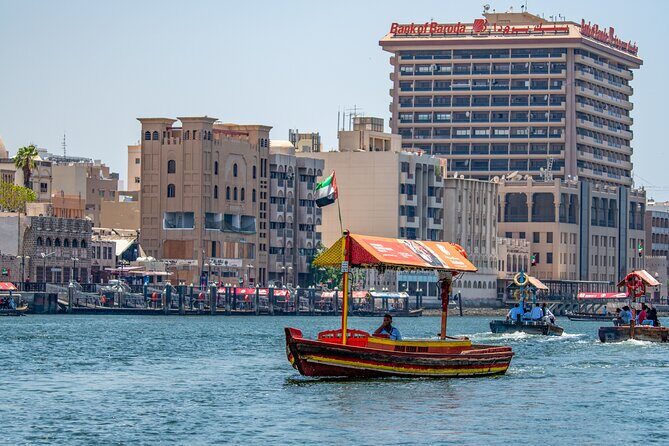
After the souks, you hop on a wooden abra across Dubai Creek. The ride is short—about 15 minutes—but it’s one of those moves that makes the entire morning click.
From the water, you get a clean contrast: Deira’s older side on one bank, and the city’s high-rises on the other. It’s the sort of view you can’t get from the sidewalk. And because it’s an iconic scene, it anchors the story of the city’s trade routes in something you can actually feel.
If you’re taking photos, aim for the first moments after boarding. The light and framing tend to look better before the boat turns into a steady rhythm of shoulder-to-shoulder sightseeing.
Al Bur Dubai: Grand Mosque Visit With Clear Cultural Context
The tour includes a visit to the Grand Bur Dubai Masjid, a mosque built in 1900 and devoted to the study of the Quran. You’ll spend about 35 minutes here, with an introduction to Islam’s core beliefs and a chance to see the architecture.
A couple things make this stop work well:
- You’ll understand what you’re looking at instead of just admiring the walls.
- You’ll get guidance on entry etiquette. Garments for entry are provided complimentary at the mosque.
Practical note: this is also a good point in the day to slow down. Market energy is fast. The mosque visit gives you structure, quiet, and perspective before you continue on.
The Dubai Museum Fort Moment: A Snapshot From the Outside
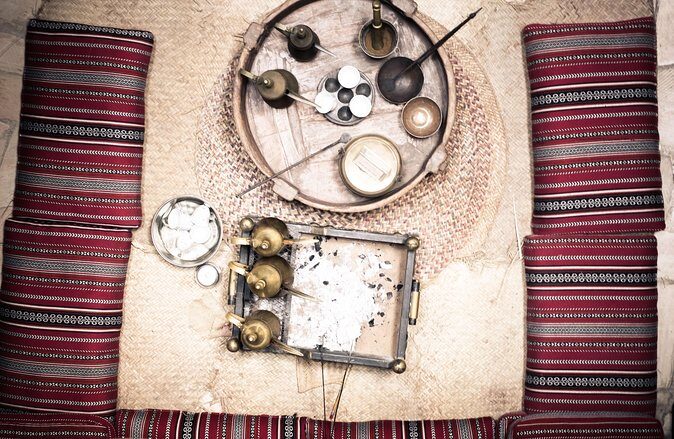
You’ll stop outside the now-closed Dubai Museum. The fort building goes back to 1787 and was once Dubai’s tallest structure, serving to protect inhabitants from threats. Even from the outside, it’s a strong reminder that Dubai has always had a defensive, strategic side—trade didn’t happen in a bubble.
This stop is brief, but it adds a useful layer: Dubai wasn’t just building markets. It also needed protection for people and goods. If you like history, you’ll appreciate how the tour threads that theme through the entire walk.
Al Fahidi / Al Bastakiya: Wind-Tower Streets and Persian Merchant Roots
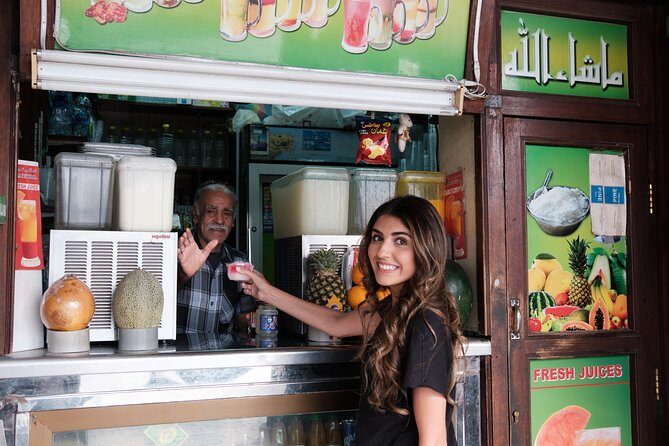
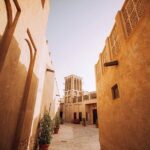
Then you reach the heart of the “old Dubai” feel: Al Fahidi Historical Neighbourhood (also widely known as Al Bastakiya). You’ll wander for about 45 minutes through lanes of sand-colored houses and wind tower structures.
This area was founded in the early 1900s by Persian merchants. The tour explains why the wind towers mattered: they helped keep homes cooler and supported traditional ways of living before modern air-conditioning. It’s architecture that does a job, not just a look.
What I like most is the way the streets are built for small-scale walking. You get a slower sense of space than you do in modern Dubai. The small lanes encourage you to look at details: the shape of openings, the texture of building materials, and the overall layout of old residential areas.
Lunch at a Traditional Restaurant: Where the Tour Becomes Comfortable
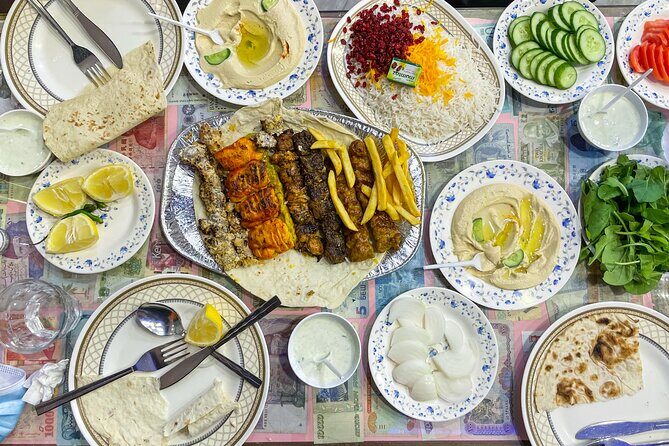
You’ll finish the walk at a traditional restaurant for lunch, with about one hour included (pre-ordered). This meal is set up for sharing platters, and it’s described as non-vegetarian by default.
If you’re vegetarian, there’s an option available if you request it at booking. The tour also includes bottled water during the meal.
Why lunch matters here: it turns the tour from “move fast, see stuff” into “sit, recover, and talk.” After souks and walking, you’ll feel ready to compare notes—what you liked, what you bought, and what surprised you.
Price and Value: What $118.62 Really Buys You
At $118.62 per person for about 4 hours, this isn’t the cheapest thing you could book in Dubai. But you’re paying for a few value-heavy ingredients:
- Small group size (12 or fewer), which reduces the “you’re one of many” feeling
- Abra ride and multiple souk stops, not just one shopping street
- Entrance fees included
- Lunch included, plus bottled water during the meal
- A guide who ties the places together with context (and, based on reviews, keeps the tone friendly and engaging)
If you were to do these parts independently, the combined costs add up fast—taxis, entrance fees, lunch, plus the time tax of figuring out routes and timing. Here, the logistics are bundled into one organized half-day plan, and that saves energy.
What to Wear and Bring for a Smooth Old-Dubai Walk
This tour is described as having moderate walking. You’ll also stand at points during explanations and visits, and you’ll be in sun and shade shifts through the market areas.
Bring:
- Bottled water
- Sunglasses, hat, sunscreen
- Light, comfortable clothing (especially helpful in hotter months)
- Comfortable shoes (you’re walking on sidewalks and market paths)
You don’t need hiking gear. But you should dress for weather and expect a bit of sidewalk time.
Who This Tour Is For (and Who Might Want to Skip)
This is ideal if you want Dubai with a human scale:
- You like markets and want help navigating without getting overwhelmed
- You want a cultural explanation alongside the photos
- You appreciate small-group tours where you can actually ask questions
- You’d rather learn how Dubai worked than only see what’s been built
You might think twice if:
- You hate walking in heat
- You want a very relaxed, no-plans day (this has a steady flow)
- You’re hoping for a pure “architecture only” tour with minimal culture and shopping talk
Should You Book This Old Dubai Tour?
Book it if your Dubai trip has room for depth and you want the city’s older side to make sense. The best sign is the consistency of the guide experience in the reviews, including the repeated praise for Nada Badran as friendly, engaging, and strong at turning history and customs into something you can actually understand while walking.
If you want one half-day that connects Deira’s souks, a Dubai Creek abra ride, and the wind-tower lanes of Al Fahidi/Al Bastakiya, this tour is a smart use of time.
If your plan is all about skyscrapers and indoor attractions, you might feel like this tour slows the pace. But if you want Dubai to feel like a lived-in place, not just a skyline, this is one of the better ways to do it.
FAQ
How long is the Old Dubai walking tour?
It runs for about 4 hours (approx.).
What does the tour cost and what’s included?
The price is $118.62 per person, and the tour includes lunch as per the itinerary, bottled water at the restaurant, and admission fees.
How big is the group?
The group is small, with a maximum of 12 travelers.
Is lunch vegetarian-friendly?
The pre-ordered meal is non-vegetarian by default, but a vegetarian option is available on request at booking.
Do I need special clothing for the mosque visit?
Garments for entry to the mosque are provided complimentary at the mosque.
Is the tour outdoors, and does weather matter?
You should expect moderate physical activity and walking, and the experience requires good weather. If it’s canceled due to poor weather, you’ll be offered a different date or a full refund.