REVIEW · DUBAI
From Dubai: Al Ain City Tour
Book on GetYourGuide →Operated by RAH Tourism LLC - Dubai · Bookable on GetYourGuide
Al Ain can feel like a different UAE planet. This Al Ain City Tour mixes cooler “garden city” stops, big-view nature at Jebel Hafeet, and hands-on cultural sights like the oasis and camel market—all in an air-conditioned vehicle with an English-speaking guide. I especially like the variety: you get plants, archaeology, animals, and local commerce in one day, without the stress of driving 120 km on your own.
My other favorite: the small group size (limited to 12) keeps the day moving but still lets you ask questions. The main drawback to consider is timing—on paper it’s a guided day, but if your guide’s energy or on-site pacing is off, you can end up feeling rushed at certain stops, especially ones with fixed time windows.
In This Review
- Key things to know before you go
- A garden-city reset from Dubai’s pace
- Price and what you’re paying for (and what you’re not)
- The AC ride that actually matters on a hot day
- Jebel Hafeet: summit views and hot springs at the foot
- Green Mubazzarah public park: a shaded reset for legs
- Al Ain Zoo: good for families, not required for everyone
- Al Ain Oasis: thousands of palms you can actually experience
- Hili Gardens: ancient tombs and third-millennium clues
- Al Ain National Museum and Al Jahili Fort: heritage with real scale
- Al Ain Camel Market: racing camels and fast-moving local commerce
- Al Ain Mall lunch and shopping stop: useful, but plan around it
- Small-group reality: what 12 people changes on the day
- What could go wrong: guide gaps and missed stops
- Who this Al Ain City Tour is best for
- Should you book this Al Ain City Tour?
- FAQ
- FAQ
- How long is the Al Ain City Tour from Dubai?
- Where is pickup located?
- What’s included in the price?
- How large is the group?
- Is the tour wheelchair accessible?
- What language is the guide?
- Is cancellation allowed?
- Is reserve and pay later available?
Key things to know before you go
- AC pickup and drop-off from Dubai saves you a full day of logistics
- Jebel Hafeet delivers big summit views plus hot springs at the mountain’s base
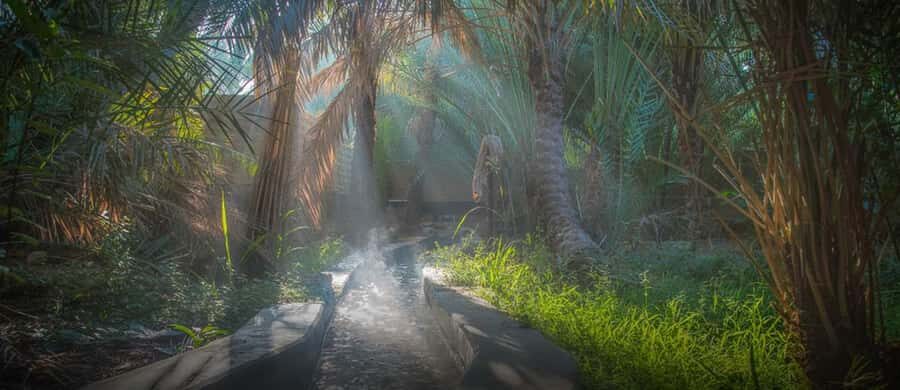
- Al Ain Oasis and palm walks show why this city is famous for greenery
- Hili Gardens connects you to ancient tombs and early archaeological digs
- Al Ain Camel Market is the real-deal hub for racing camels in the UAE
- Family-friendly pacing makes it easy to share with kids (even if the zoo isn’t for everyone)
A garden-city reset from Dubai’s pace
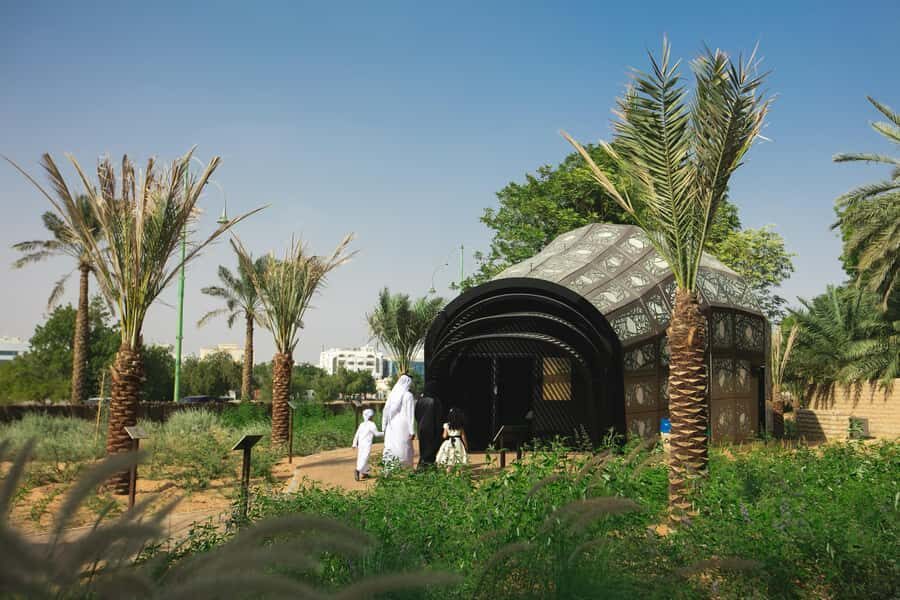
Dubai is shiny and fast. Al Ain is slower, greener, and more spread out—so the mood changes quickly once you’re outside the city. You start the day with pickup from Dubai, then spend the next hours moving through the places that explain why locals call Al Ain a “garden city.”
The tour is built for people who want variety without planning. You’ll see why Al Ain is known for palms and farms, then shift to archaeology and museums, and finally end with something very local and very noisy: the camel market. If you like contrast—nature plus heritage plus market life—this is a good day.
One practical plus: because you’re going by air-conditioned vehicle, you’re not baking between stops. You still need sunglasses and sunscreen, but your main travel time is comfortable.
You can also read our reviews of more city tours in Dubai

Price and what you’re paying for (and what you’re not)
At around $81 per person for an 8-hour day, you’re paying for three big things:
- Transport from Dubai and back (Al Ain is about 120 km from Dubai)
- A live English-speaking guide (when the day is running well)
- A “see a lot” route that covers multiple major sights in one outing
What you’re not paying for is “owning the schedule.” This is not a slow, leisurely day with open browsing. It’s a structured route with visits at several points, including a zoo, a museum/fort pairing, and the camel market.
So think of it like this: if you’re short on time and you’d rather trade a little freedom for a smoother day, the price can make sense. If you’re the type who wants to linger—especially at museums or tomb sites—you might feel slightly compressed.
The AC ride that actually matters on a hot day
The best part of a day trip is often the one you don’t notice until it’s missing. Here, the vehicle is air-conditioned, and that matters when your itinerary includes sun-exposed spots like mountain viewpoints, outdoor gardens, and palm areas.
With pickup included, you’re also spared the “where do I meet?” scramble. You’ll wait in the hotel lobby about 10 minutes before your scheduled pickup time. That small habit makes a big difference—especially in Dubai traffic, where even a few minutes can cascade.
Small group size (up to 12) also helps. You’re less likely to get stuck with a huge crowd blocking sightlines or slowing departures. It won’t turn into a private tour, but it feels more human than a bus full of strangers.
Jebel Hafeet: summit views and hot springs at the foot
Your first big nature hit is Jebel Hafeet, described as the tallest mountain in the UAE. The payoff is the views—high enough that the surrounding setting becomes part of the story, not just the background. You also get hot springs at the foot of the mountain, which adds a very sensory contrast to the cool idea of “fresh air” you might expect from a viewpoint.
This stop tends to be a highlight because it breaks the day into two modes: cultural and urban sights, then a dramatic step into the natural terrain. If you’re the kind of person who loves a photo moment but also wants the “why here” feeling, Jebel Hafeet delivers.
Tip: wear closed-toe shoes if you’re prone to slipping on uneven paths. You’ll be moving between viewpoint areas and other nearby spots, and comfortable feet beat forced stretching every time.
Green Mubazzarah public park: a shaded reset for legs
Next you’ll visit Green Mubazzarah, a public park area. Even if it isn’t the “main character” in your day like the oasis or the camel market, it’s a useful pause. You get a breather between longer attraction stops, and it’s a reminder that Al Ain’s greenery isn’t just a marketing line.
Parks like this also help if you’re traveling with kids or anyone who gets restless. Instead of making every stop a building entry, you get open space and a chance to stretch.
The main thing to manage here is heat and timing. Parks are outdoors, so plan to keep water handy and don’t treat this as a free-floating long break. You’re still working within a set route.





Al Ain Zoo: good for families, not required for everyone
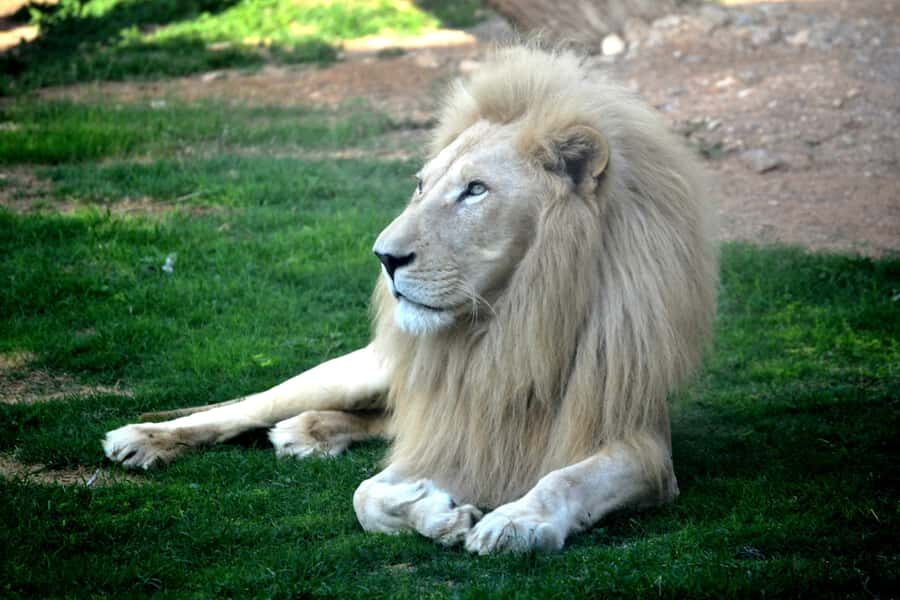
Al Ain Zoo is on the schedule, and that’s great if you’re traveling with children or you enjoy animal-focused visits. It also gives the day an accessible, everyday feel: after museums and archaeological sites, the zoo is the kind of place where most people instantly understand what they’re there to see.
That said, one clear consideration: the zoo isn’t automatically a must-do for every adult. If your priority is strictly heritage, architecture, or markets, you may find you’re ready to move on after a set amount of time.
If you do enjoy zoos, focus on pacing yourself. Use the zoo time to slow down and watch how enclosures and animal habitats are set up rather than rushing through everything. A calm approach makes the stop feel worthwhile, even if the rest of the day is busy.
Al Ain Oasis: thousands of palms you can actually experience
Then comes one of the tour’s most memorable themes: the Al Ain Oasis. This is where you see why palms are such a core part of local life. The route includes time to witness the sheer scale—thousands of palm trees—and that changes your mental map of the region.
Instead of “Al Ain has greenery,” it becomes “Al Ain is built around water-and-palms agriculture.” The oasis is also an ideal place for slower walking because it’s visual, textured, and easy to photograph without needing a specialist lens.
If you’re the type who likes cultural landscapes, this stop is a strong anchor. If you’re more into buildings and forts, the oasis still works because it’s a living explanation, not just a view.
Practical tip: if you’re sensitive to glare, bring a cap or sunglasses. Palm areas can be bright, and shade isn’t always evenly distributed.
Hili Gardens: ancient tombs and third-millennium clues

Hili Gardens is where the day gains archaeological weight. It’s known for excavations tied to the third millennium B.C. and ancient tombs. Even if you don’t read every information panel, the experience is meaningful because you’re seeing how old communities shaped this area long before the modern city grew up around it.
This stop is valuable for three reasons:
- It gives context to Al Ain as a long-inhabited region.
- It adds variety beyond modern attractions and animals.
- It connects the “garden city” idea to deep time.
The only drawback is that archaeology can be hard to enjoy if you get limited time or if the site interpretation isn’t explained clearly. When it’s handled well, you’ll leave understanding what you saw. When it’s not, you might feel like you were just passing through open areas with old stones.
So if you care about learning, pay attention when your guide gives context. If you don’t get much explanation, ask a simple question like what to notice first, and you’ll get more out of your time.
Al Ain National Museum and Al Jahili Fort: heritage with real scale
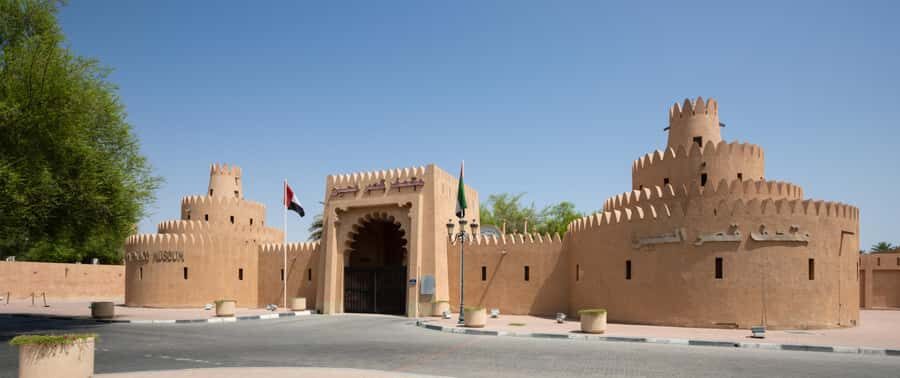
You’ll also stop at Al Ain National Museum and Al Jahili Fort. Together, they give you a fuller sense of how Al Ain organized its identity—through collecting and storytelling in the museum, and through protective, power-related architecture at the fort.
One practical note: on some recent dates, the museum has been reported as re-opened, which is the kind of detail that can change your experience. If your date aligns with reopening and normal visitor flow, the museum stop tends to feel more complete.
At the fort, expect a different mood. Forts are about structure and atmosphere—thick walls, defensive positioning, and the sense of a place designed to last. Even if you aren’t a hardcore history person, forts often make the past feel tangible.
If you’re the type who loves photos, aim to spend a bit more time at the edges and corners where you can see how the fort relates to the surrounding area. If you rush straight through, the stop can feel like it ends before it starts.
Al Ain Camel Market: racing camels and fast-moving local commerce
Finally, you reach the largest camel market in the UAE, where dealers come from across the Gulf to buy and sell racing animals. This is not a quiet museum moment. It’s active, focused, and very local—exactly the kind of place that helps you understand regional culture beyond postcards.
Why it’s worth the visit:
- You see something that matters economically and socially here.
- You get a real-world look at how camel racing connects to the broader market culture.
- The pace and energy contrast nicely with the calmer oasis and gardens.
It’s also a good reminder that Al Ain isn’t only about heritage sites—it’s a working city. The camel market brings you into that working life.
Consideration: if you dislike animal-focused markets or crowds, this stop might feel intense. Go in knowing it’s hands-on and busy, not slow and scenic.
Al Ain Mall lunch and shopping stop: useful, but plan around it
The day includes lunch and also time to shop at Al Ain Mall before heading back to Dubai. This is one of those “practical” parts of the itinerary that travelers often appreciate because it saves you from finding food and then trying to time everything while tired.
Just remember: mall time can be what you make of it. If you want a real pause, use it to sit down, eat, and reset. If you’re not much of a shopper, treat it as a meal break rather than an extra attraction.
If you have dietary needs, it helps to know you may be choosing among what’s available at that stop, since the tour structure doesn’t give you a free “pick any restaurant you want” kind of freedom.
Small-group reality: what 12 people changes on the day
A group size capped at 12 participants is a big deal on day trips. It reduces waiting time between vehicles and makes it easier for a guide to keep everyone together. You’re also more likely to hear explanations since your guide isn’t competing with a wall of voices.
That said, a small group still needs structure. When the day runs tight, everyone feels it. This is why the experience hinges on execution: a strong guide can turn short stops into meaningful ones, while weaker coordination turns them into quick drop-offs.
So if you love guided context—names, dates, why this place matters—arrive with a mindset to ask. A simple question can turn a “walk and look” moment into something you remember.
What could go wrong: guide gaps and missed stops
Most of what I’d call the “risk” here is about day-of delivery rather than the destinations themselves.
One major concern you should watch for: the tour is advertised as having an English-speaking guide. If, on your departure, you end up with only a driver or limited guiding, the learning component drops fast. You also might get less context at the places where information matters—like Hili Gardens, the museum, and the fort.
Another timing issue that can hurt the experience is short on-site limits. If you only get a narrow window at each stop, you can end up doing quick photo rounds instead of actually soaking in what you’re seeing.
My advice: when you meet your guide, confirm the plan out loud. Ask what order the stops will be in and whether the museum and fort are fully included for your date. If something feels off, you’ll know early instead of realizing it at the end of the day.
Who this Al Ain City Tour is best for
This tour fits best if you want an organized, AC-supported day that covers multiple Al Ain highlights without driving yourself.
You’ll likely enjoy it if:
- You’re visiting Dubai and you want a change of pace to greenery and heritage
- You travel with family and want a mix of outdoor space, animals, and culture
- You like markets and local life as much as museums
- You want “big hits” in one day: Jebel Hafeet, oasis palms, camel market energy
You might not love it if:
- You hate feeling rushed and want deep, slow museum time
- You’re very dependent on detailed guided explanations
- You’re sensitive to busy animal market settings
Should you book this Al Ain City Tour?
If your goal is a smart, structured day trip—with pickup from Dubai, air-conditioned comfort, and major Al Ain sights packed into 8 hours—this tour is a strong choice. The combination of Jebel Hafeet views, Al Ain Oasis palms, Hili Gardens archaeology, and the camel market gives you variety that’s hard to replicate cheaply on your own without planning.
Book it if you like the idea of seeing a lot and learning along the way. Skip it or adjust expectations if you’re the type who needs long museum hours or you strongly rely on consistent, talkative guiding.
FAQ
FAQ
How long is the Al Ain City Tour from Dubai?
The tour duration is 8 hours.
Where is pickup located?
Pickup is from Dubai, and you should wait in your hotel lobby about 10 minutes before your scheduled pickup time.
What’s included in the price?
The tour includes pickup and drop-off from Dubai by air-conditioned vehicle, an English-speaking guide, and cold mineral water.
How large is the group?
The group is limited to 12 participants.
Is the tour wheelchair accessible?
Yes, the tour is wheelchair accessible.
What language is the guide?
The live tour guide works in English.
Is cancellation allowed?
Yes. You can cancel up to 24 hours in advance for a full refund.
Is reserve and pay later available?
Yes. The tour offers a reserve now & pay later option.