REVIEW · DUBAI
Journey to the Heart of the Emirates
Book on Viator →Operated by Unveil Arabia · Bookable on Viator
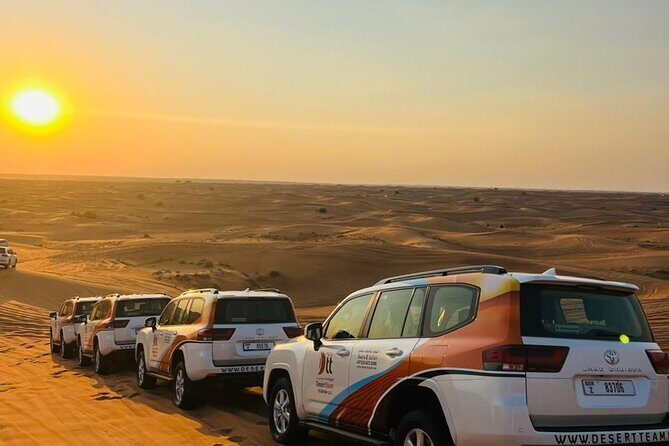
Dubai changes fast once you leave the highway. This full-day Journey to the Heart of the Emirates is a rare mix of self-driving freedom and hands-on storytelling, as a guide stays with your group via walkie-talkie while you roll through desert towns, wadis, and mountains. The goal is simple: help you see the UAE beyond skyscrapers.
Two things I really like: the geology talk is specific (fossils, limestone, volcanic rock), not just generic sightseeing, and the day builds in natural moments like Ghaf trees, acacia plains, and likely camel encounters. One consideration: you’re in for a long, road-focused outing, starting in the morning and depending on good weather, so plan for heat and long stretches in your car.
In This Review
- Key highlights you’ll remember
- A day that makes the UAE feel real, not staged
- Morning start, your own car bubble, and walkie-talkie comfort
- Nazwa: the mint-and-dates edge where desert farming begins
- Mahafiz: Ghaf tree, ancient riverbed, and fossil hunting vibes
- Al Madam: acacia plains, volcanic remnants, and possible donkeys
- Showkah wadi: falaj irrigation, picnic lunch, and ruins
- The guide matters: story quality, languages, and pacing
- Price and value: what $835.90 buys you (and why it can be worth it)
- Who should book this, and who should think twice
- Quick practical notes to help you enjoy it
- Should you book Journey to the Heart of the Emirates?
- FAQ
- How long is the Journey to the Heart of the Emirates?
- What time does the tour start?
- Is this tour self-driving?
- What are the main stops during the day?
- Are admission tickets included for the stops?
- Is lunch included?
- What happens if the weather is poor?
- Can I bring a service animal?
Key highlights you’ll remember
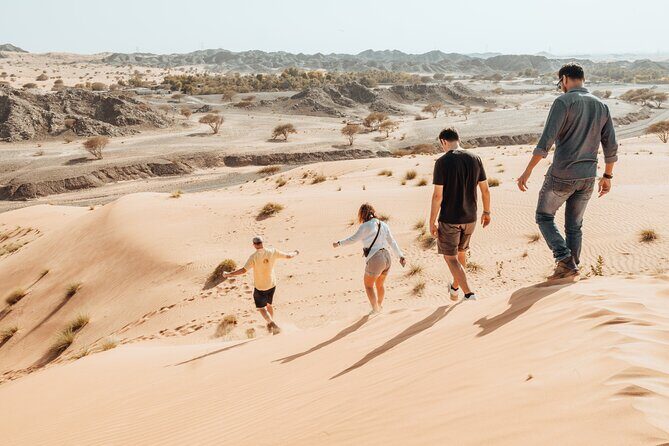
- Drive-your-own-car format with walkie-talkie guidance
- Geology you can see: limestone fossils, ancient river beds, volcanic remnants
- Wildlife-style sightings: camels are likely; donkeys if you’re lucky
- Ghaf tree stop tied to how the desert ecosystem survives
- Showkah wadi picnic with optional 1–2 km wadi-bed walk
A day that makes the UAE feel real, not staged
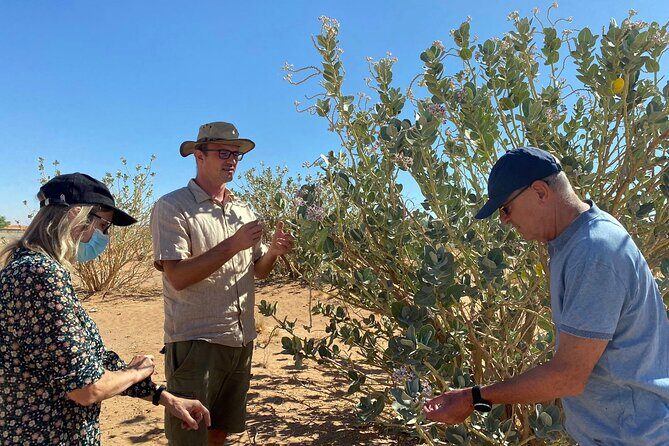
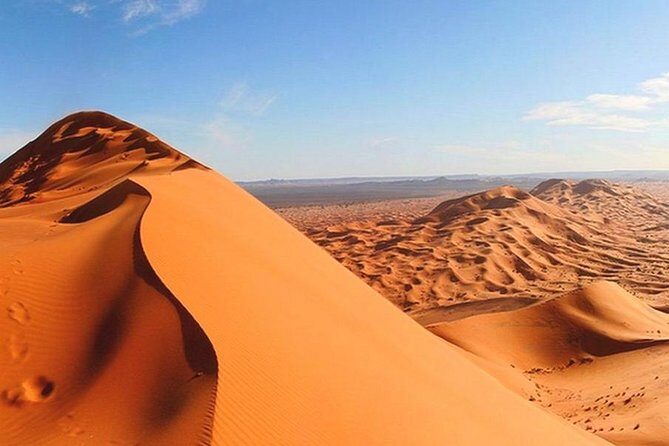
This tour is built for people who are tired of the usual Dubai loop. Instead of bouncing between malls and viewpoints, you get a route that feels like it’s stitched together from the UAE’s own geography: desert towns at the edge of dunes, then wadis carved by water that doesn’t always flow, then rocky hills and agricultural pockets.
What makes it work is the combination of your car plus a guide who can correct the direction and the story. You’re not wandering alone with a map app. You follow along, and the guide keeps the meaning attached to what you’re seeing. It’s the difference between driving past a place and understanding why it exists.
You can also read our reviews of more tours and experiences in Dubai.



Morning start, your own car bubble, and walkie-talkie comfort
The tour runs in the morning, with a start window from 8:00 AM to 9:30 AM (daily). That early timing matters. In hot months, a morning start helps you do more before the day gets too punishing.
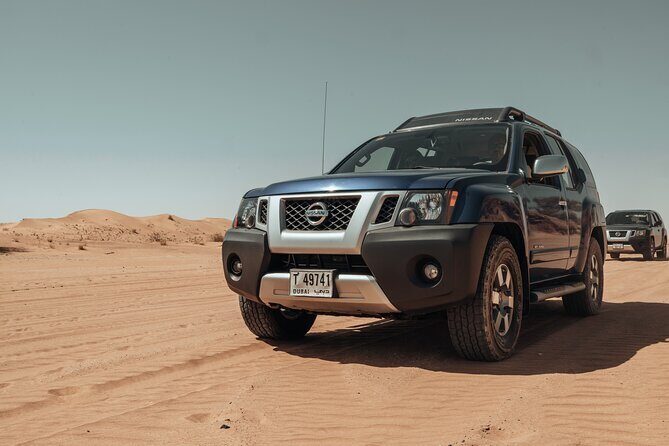
You also stay in your own transport “bubble.” The format is private for your group, and the concept is that each person follows along in their own vehicle while communication happens through walkie-talkie. In practice, that means you can hear instructions clearly and still have the privacy of being in your own car rather than packed into a van with strangers.
One small tip from the reality of driving: keep your comfort kit simple. Sunglasses, water, sun protection, and something for dust are more useful than you’d think. You’ll be outside at multiple stops.
Nazwa: the mint-and-dates edge where desert farming begins
Your day eases out of Dubai as the outskirts give way to desert towns. Early on, you stop at a local mint and date farm near the boundary of the emirate.
At the Nazwa stop, you’ll spend about 20 minutes. The admission is free, and the point isn’t big museum facts. It’s the feeling of seeing how farming works right where the land turns dry. Mint and dates aren’t random souvenirs here. They’re tied to how people make a livable patch in a harsh climate.
If you care about food plants and local practice, this is the kind of short stop that quietly anchors the rest of the tour. Later, when the guide talks about plant adaptation and survival, you’ll have a real-world image in your head.
Mahafiz: Ghaf tree, ancient riverbed, and fossil hunting vibes
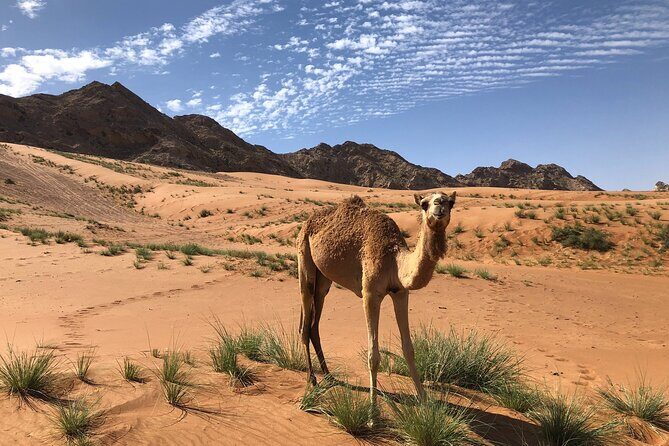
Next you head to Mahafiz for about 45 minutes. This is where the tour starts feeling more like a field lesson.
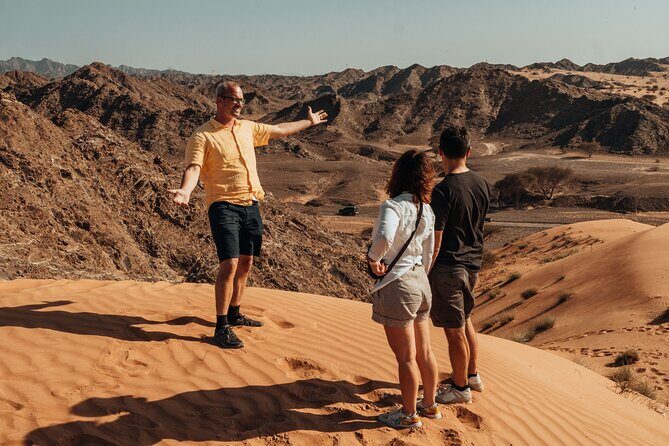
You begin with the Ghaf tree, which is the national tree of the Emirates. Then you move into an ancient river bed where the guide explains how climate change shaped the landscape. The talk also connects to plant life—how species adapt when the environment shifts over time.
The most striking detail here is the fossil angle. You’ll see fossils in ancient limestone rocks that remain even after the desert takes over. It’s the kind of stop where you don’t need to be a geology student to get the takeaway: the rocks are records, not just scenery.
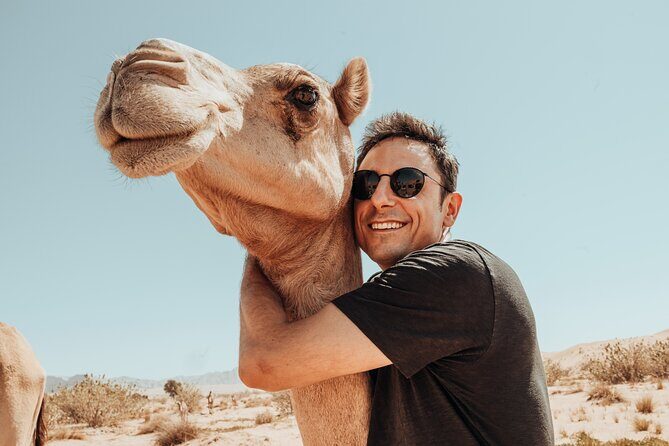
And yes, you might get the classic desert moment too. Camel encounters are highly likely on this stop. Even if you’ve seen camels before, this one tends to feel more natural because it’s tied to the land rather than a staged interaction.
A practical consideration: bring patience and good shoes. You may be walking around uneven ground as you look at rocks and listen for the story.
Al Madam: acacia plains, volcanic remnants, and possible donkeys
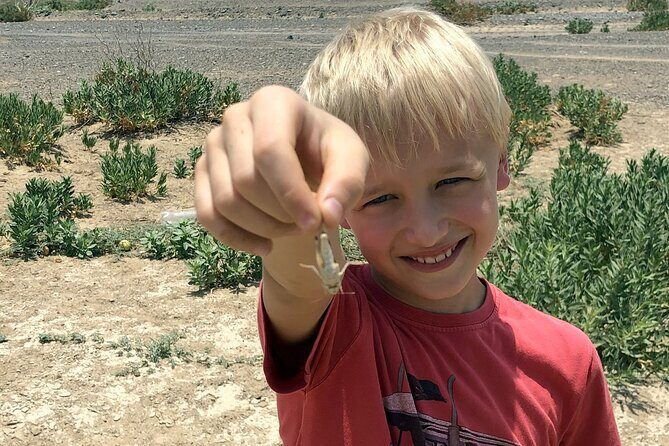
At Al Madam, you’ll also spend around 45 minutes. This stop shifts the view into a broader “plains” feeling: an alluvial plain dotted with acacia trees that can remind you of African savannah scenery.
The guide’s geology theme continues, but the focus changes. You’ll learn how ancient rivers transported volcanic rock from the Hajar, leaving remnants of river banks that are still visible. That’s the key: the landscape you see today isn’t random. It’s the after-effect of long-ago movement—water, rock, and time doing their work.
Wildlife odds keep rising here too. Camel encounters are expected again, and if you’re lucky you may spot feral donkeys. I wouldn’t plan your day around seeing them, but it’s a fun bonus if you’re alert and slow down for a moment.
If you’re the type who likes spotting signs of life—tracks, shapes in the sand, different plants—this stop scratches that itch. You’ll be looking more than taking photos.


Showkah wadi: falaj irrigation, picnic lunch, and ruins
This is the emotional payoff of the day.
Showkah takes about 2 hours, and it’s where the scenery turns greener and cooler-feeling—not because you’re in a tropical resort, but because the wadi and irrigation systems create pockets of life.
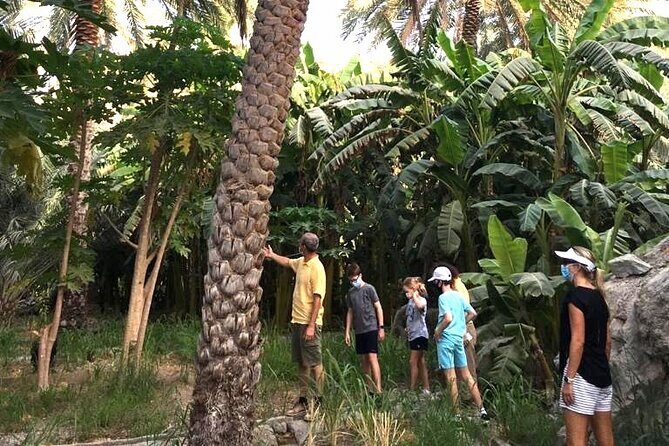
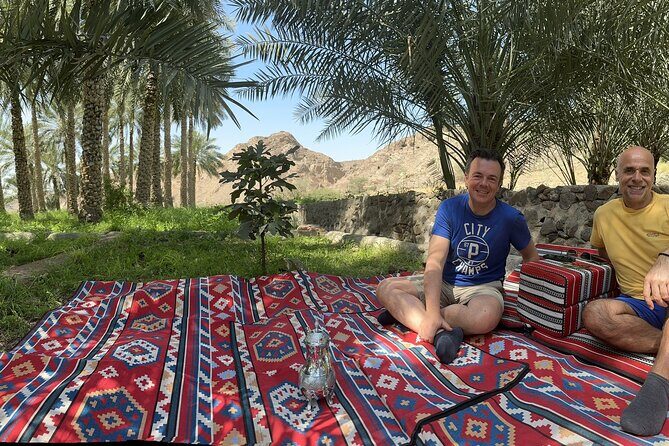
You’ll go through wadi Showkah and stop for a scenic picnic lunch at a lush tropical farm area. The tour also highlights the falaj irrigation system—a traditional water management method that helps explain why farmland can survive in a place that looks dry at first glance.
Then there’s the option to stretch your legs. If you want, you can take a 1–2 km walk through the wadi bed. It’s not a marathon hike. It’s a chance to experience the wadi shape from closer range and see how the water story connects to the rocks and plants.
You may also spot ancient ruins at the end of the wadi. That’s a nice way to end the loop: the day starts with farming and desert survival, and then you finish with reminders that people have been reading this terrain for a very long time.
After the wadi walk and picnic time, you head back toward the highway and return to Dubai.
The guide matters: story quality, languages, and pacing
The “heart” of this trip isn’t the stops. It’s how the guide ties them together.
In the reviews I saw, guides such as Salua, Konrad, Koenraad, Patrice, and Tim are praised for professionalism and for explaining what you’re seeing in a way that feels like you’re getting the real reason behind each location. People also mention that the planning is balanced, with room for sensible timing and options to pause when it’s best.
A small note for your expectations: the tour is described as self-driving with walkie-talkie guidance. Still, one review mentioned being guided by Patrice in a different way. If self-driving is your must-have, confirm with the operator what the setup is for your specific date—especially if you’re traveling with kids or you don’t want extra driving responsibility.
Price and value: what $835.90 buys you (and why it can be worth it)
At $835.90 per person for a 7–8 hour excursion, this isn’t a budget day trip. So you should ask what makes it cost-justified.
Here’s what you’re paying for, based on the tour details:
- A private-group format (only your group participates)
- Guide-led navigation and interpretation across multiple Emirates and terrain types
- Walkie-talkie communication, which is a smart way to keep your car freedom without losing the guide
- Multiple meaningful stops with free admission at the farm and sites listed
- A picnic stop in wadi Showkah plus optional walking time
The value gets stronger if you want something you can’t replicate easily on your own. Touring the UAE’s desert-adjacent geology and irrigation systems isn’t just about reaching a pin on a map. You need context for why limestone holds fossils, why riverbeds preserve volcanic rock remnants, and why plants survive where you expect nothing to grow.
If you’re traveling as a couple or a small group and you genuinely want a different UAE side, this can be a good spend because the day is built like an experience, not a checklist.
Who should book this, and who should think twice
Book it if you:
- Want to see desert, wadis, and mountains-adjacent terrain in one day
- Like learning how landscapes form—fossils, limestone, ancient rivers, volcanic remnants
- Prefer your own car freedom instead of sitting in a crowded bus
- Enjoy nature stops like farms, trees, and the hunt for wildlife moments (camels are likely)
Think twice if you:
- Dislike long driving hours or prefer short city loops
- Are sensitive to heat, dust, or full-day outdoor time (the tour requires good weather)
- Want a purely urban experience with minimal time off the paved route
Quick practical notes to help you enjoy it
Bring the basics because the day mixes car time with outdoors:
- Sun protection and water
- Shoes that handle uneven ground at wadi stops
- A light layer. Even in warm months, wadis can feel cooler depending on conditions.
Also, go in expecting multiple “mini lessons.” The stops are short to moderate (20 minutes to 2 hours), but each one is designed to add a piece to the overall story of the UAE’s geology and survival strategies.
Should you book Journey to the Heart of the Emirates?
I’d book it if your UAE wish list includes the land itself—desert towns, wadis, irrigation systems, and geology you can actually see with your own eyes. The self-driving format with walkie-talkie guidance is a smart setup, and the itinerary keeps you moving through genuinely different environments rather than repeating the same kind of scenery.
I would hesitate only if you’re expecting a casual, no-effort city day. This is a real full-day drive-and-stop outing, and it depends on conditions being workable outdoors.
If you want Dubai’s geography explained by someone who can connect rocks, plants, and water systems into one story, this is one of the more memorable ways to do it.
FAQ
How long is the Journey to the Heart of the Emirates?
It runs for about 7 to 8 hours.
What time does the tour start?
The meeting/start window is 8:00 AM to 9:30 AM, Monday through Sunday.
Is this tour self-driving?
The experience is described as a self-driving tour where you board your own vehicle and follow your guide, communicating via walkie-talkie.
What are the main stops during the day?
You’ll start in Dubai and visit the desert edge area at a mint and date farm, then stop at Nazwa, Mahafiz, Al Madam, and Showkah before returning back.
Are admission tickets included for the stops?
For the listed stops (Nazwa, Mahafiz, Al Madam, Showkah), admission tickets are free per the tour details.
Is lunch included?
There is a stop for a scenic picnic lunch at Showkah. The details provided do not clearly say whether food is included, so it’s smart to confirm what you should bring or expect.
What happens if the weather is poor?
The experience requires good weather. If it’s canceled due to poor weather, you’ll be offered a different date or a full refund.
Can I bring a service animal?
Yes. Service animals are allowed.