REVIEW · DUBAI
Private Tour of Authentic Dubai, Markets, Boat Ride & Blue Mosque
Book on Viator →Operated by Ahmed Habibi · Bookable on Viator
Old Dubai feels personal on this private route. You get a private guide, air-conditioned pickup and drop-off, and a plan that goes from the city’s trading past to a guided Blue Mosque visit inside.
I especially like the mix of hands-on moments (the traditional water crossing) and real market time for browsing. You also get helpful local cultural touch points, including tastings like dates and Arabic coffee, plus an option to wear traditional attire.
One thing to keep in mind: it’s a half-day format, so each stop is timed. If you want a long shopping session, you’ll have to move fast and make decisions in the souks.
In This Review
- Key highlights you’ll feel right away
- Why this private Old Dubai route makes sense in 3 to 4 hours
- Al Seef: sandstone streets, windtowers, and “Old meets New”
- Al Fahidi Historical Neighbourhood: houses, coffee, and even coins
- Dubai Creek and the Abra crossing: the classic way to move
- Deira old souk area: where the boat ride turns into market time
- Gold Souk: how to shop (and what the 64-kg ring teaches you)
- Spice Souk: your nose does half the learning
- Textile Souk: quick style check and practical browsing
- Blue Mosque visit inside: why the guide matters here
- The guide effect: Farhan, Khaled, and story-first explanations
- Dates and Arabic coffee: included tastings that actually help
- What you’ll likely see between stops (and how to plan your time)
- Price and value: is $69.79 a fair deal for a private tour?
- Who this tour fits best
- Booking call: should you book this private Old Dubai tour?
- FAQ
- Is this tour private or shared with other groups?
- How long does the tour take?
- Does the tour include pickup and drop-off?
- Is the Abra boat ride included?
- Which souks and markets are part of the experience?
- Is the Blue Mosque visit included inside?
- Are entry fees, tastings, or food included?
- What are the cancellation terms?
- What kind of ticketing do I need?
Key highlights you’ll feel right away
- A guided Blue Mosque visit inside, so you don’t just see the building from the outside
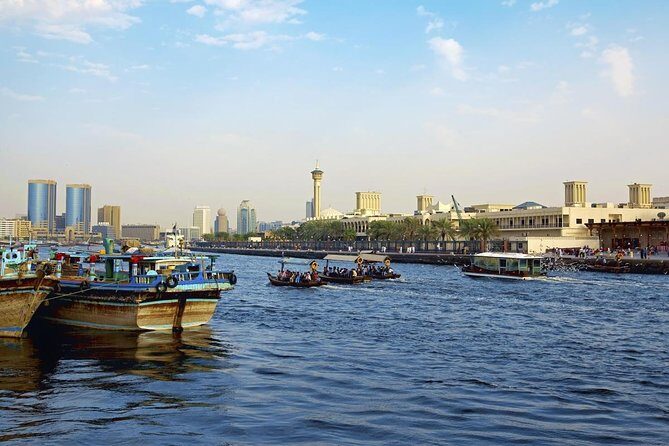
- Traditional Abra boat crossing across Dubai Creek, with the classic Deira and Bur Dubai feel
- Old Dubai districts with time to walk: Al Seef and Al Fahidi Historical Neighbourhood
- Souk time that’s practical, including Gold, Spice, and Textile shopping stops
- Local tastings included, like dates and Arabic coffee
- Guides named Farhan or Khaled are noted for making the stories click for adults and kids
Why this private Old Dubai route makes sense in 3 to 4 hours
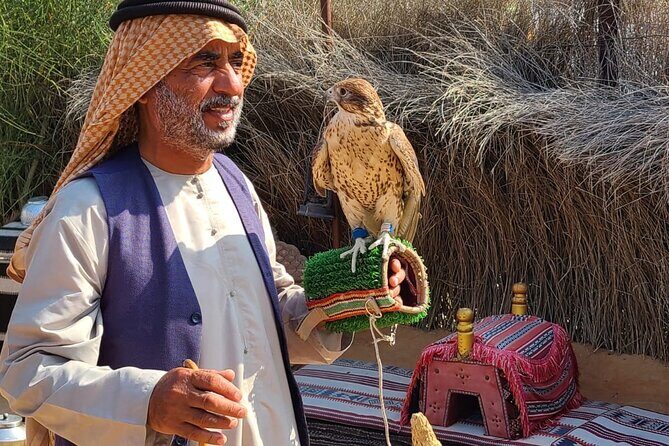
Dubai can overwhelm you with size. This tour works because it narrows your focus. Instead of bouncing between far-flung landmarks all day, you concentrate on the older parts of the city where commerce, boats, and alley streets shaped daily life.
The private setup also matters. You’re in a vehicle with pickup and drop-off, so you’re not spending your trip figuring out how to get to the next stop. And because your group is private, the guide can pace the walk—useful in markets where crowds and narrow lanes can slow everything down.
The half-day duration is the trade-off. The route packs a lot in, from Al Seef and Al Fahidi to both sides of the Creek and multiple souks. Plan to enjoy browsing, but don’t expect hours of shopping the way you might on a full day.
You can also read our reviews of more boat tours in Dubai



Al Seef: sandstone streets, windtowers, and “Old meets New”
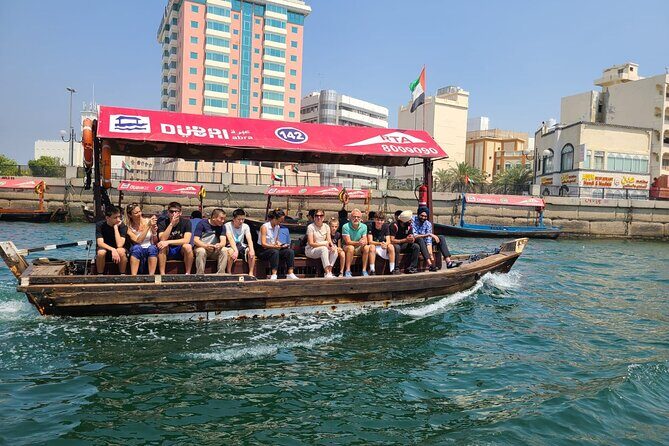
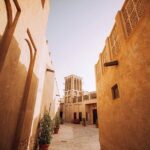
Your day starts in Al Seef, a district built around the idea of keeping the old look while living in the present. You’ll walk among sandstone buildings and see windtowers that point to an earlier way of managing heat and bringing breezes through streets and houses.
You’ll also spot the “in-between” passages—sikkas (small lanes) that connect the main walkways. This is one of those parts of Dubai where a short stroll can teach you how the city used to move people: along creek-adjacent routes and market connections rather than wide roads.
What I like here is that Al Seef is a gentle warm-up. You start with an easy walk and time that feels “get your bearings fast,” before the more sensory souks later.
Al Fahidi Historical Neighbourhood: houses, coffee, and even coins
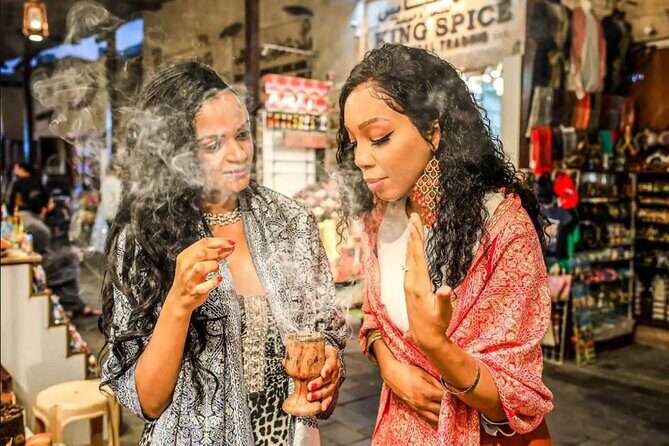
Next comes Al Fahidi Historical Neighbourhood, where you get a closer look at the city’s traditional design. The focus isn’t just scenery. You’re meant to understand how the homes were built and why certain materials made sense—stone, sandalwood, palm fronds, and palm wood.
The stops here are practical for visitors because they give you options depending on your group:
- You may visit the Coffee Museum
- You may also stop by the Coin Museum
- There’s time around Majlis House and other heritage locations
This is also where the photo opportunities are strongest. The lanes are narrow, the textures are tactile, and the houses create that classic “Dubai, before the skyscrapers” feeling without needing you to imagine what it looked like.
If you’re traveling with kids, this is a smart pivot point. A history lesson becomes something you can see and touch—coffee tools, money displays, and household layouts—rather than just facts in the air.
Dubai Creek and the Abra crossing: the classic way to move
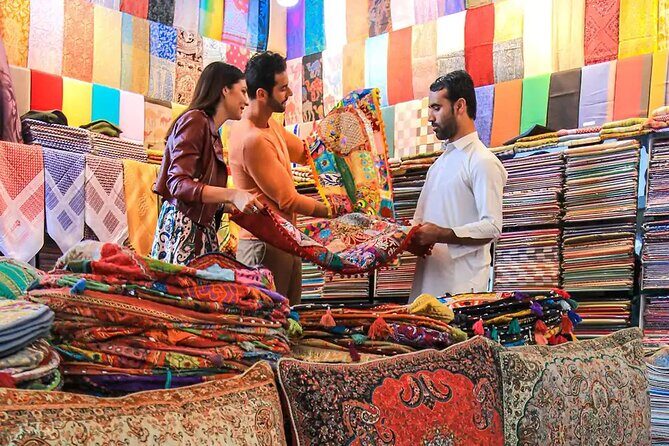
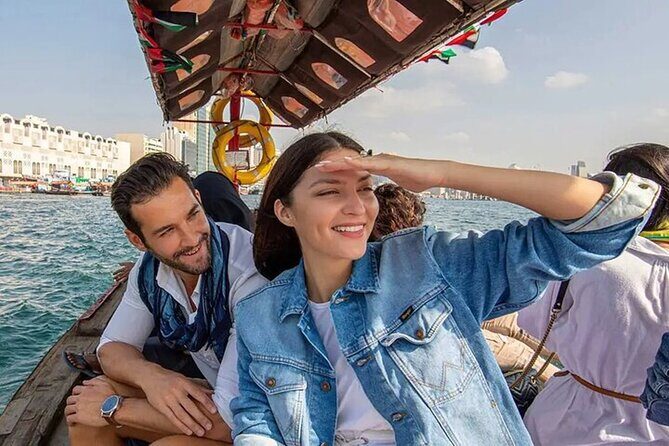
Dubai Creek is the real connector between Bur Dubai and Deira. The tour uses that logic by including a boat ride on an Abra water taxi—so you experience the city’s transportation in the most direct, low-tech way possible.
The crossing is included and timed so you’re not sitting around waiting. And it gives you more than transportation. It gives you a change in perspective. From the water, you understand why trade centered on the creek: it’s the natural corridor that links neighborhoods and markets.
Practical tip: wear shoes you can walk in for a while. Abra stations and souks can involve short stretches of uneven ground and compact lanes.
Deira old souk area: where the boat ride turns into market time
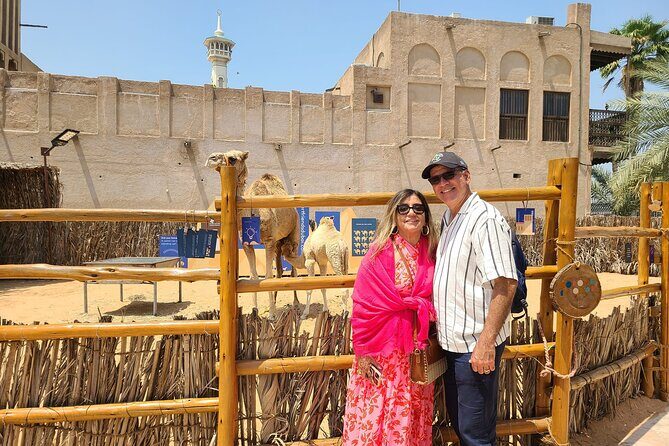
After you cross, you land in the Deira side where the market ecosystem takes over. The tour brings you to the area that serves as a natural starting point for gold and spice browsing—exactly where you want to be if your goal is to understand how these souks function.
You’ll get shopping time at the market and then move into the big three:
- Old souk market browsing
- Dubai Gold Souk
- Dubai Spice Souk
- Textile souk time
This sequencing is one reason the tour feels efficient. You’re not jumping around randomly; you’re moving with the logic of how Deira’s trading areas cluster.
You can also read our reviews of more private tours in Dubai






Gold Souk: how to shop (and what the 64-kg ring teaches you)
The Dubai Gold Souk is often the headline stop, and it earns it. There are more than 300 retailers, and the sheer concentration of jewelry shops can be a little overwhelming if you arrive cold.
Your guide’s job here is to do two things: give you the background for what you’re seeing, and help you navigate without getting lost in the noise. One fun detail you might hear is the Guinness World Record connection—the 64-kg gold ring that’s been displayed and is credited with its world-record weight.
If you’re looking to buy something, the key is to treat this as research time as much as purchase time. Prices vary widely by design and weight, and the moment you decide to buy is when you’ll want your guide’s help staying focused.
Even if you don’t buy gold, this stop is still worth it because it explains a trade specialization Dubai is known for. The souk isn’t just pretty storefronts; it’s an economic system built around craftsmanship and repeat buyers.
Spice Souk: your nose does half the learning

Then you switch gears to the Spice Souk, a place where the senses take charge fast. Expect narrow lanes and a heavy mix of aromas. It can feel like overload at first—then your guide starts attaching meaning to what you smell and see.
You’ll also get a chance to look for souvenirs and traditional crafts such as carpets, jewelry, and ceramics at stalls in the souk area. Even if you plan to buy later, this is a good moment to identify what styles you actually like because the environment pushes you to notice texture, packaging, and how products are displayed.
The spice stop is also one of the best places to ask questions. A good guide can explain what different spices are used for and how people think about them in everyday cooking and gifting. You don’t need a cookbook; you need context.
Textile Souk: quick style check and practical browsing
The textile segment is shorter, but that can be a strength. You get enough time to understand the vibe of fabric shopping in Dubai without turning the whole afternoon into a fabric crawl.
Use this stop to see how color, pattern, and materials are presented. Then, if something catches your eye, you can decide whether it’s worth going deeper on.
This is also where the tour’s “half-day pacing” becomes obvious. You’ll be moving on again soon, so it helps to come in with a simple plan: browse first, then pick one or two items to evaluate more carefully.
Blue Mosque visit inside: why the guide matters here
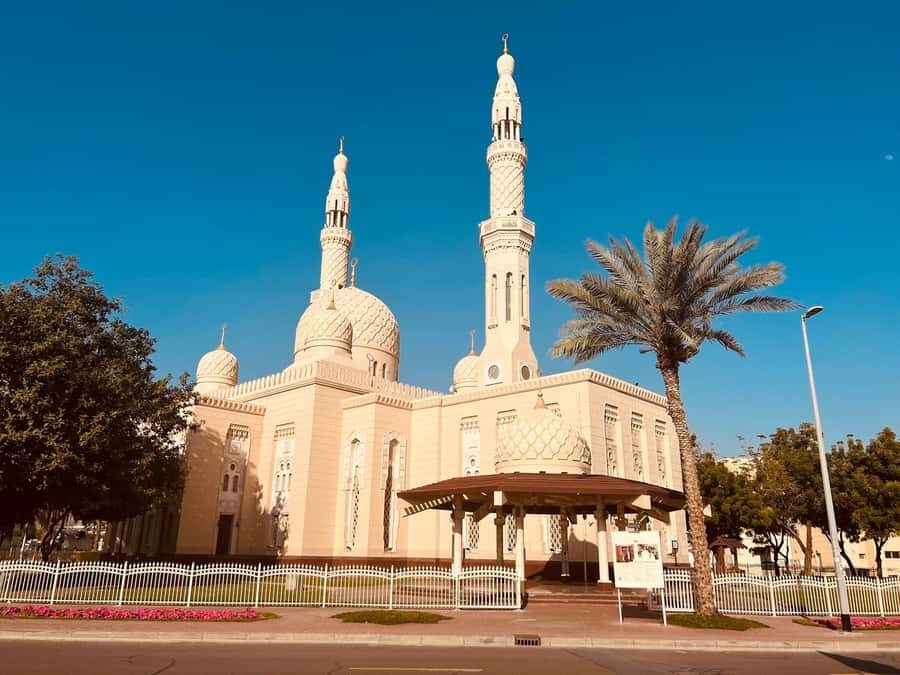
The tour includes a guided visit to the Blue Mosque inside, and that changes the experience. Seeing the mosque from the outside is one thing; walking through with someone who can explain what you’re looking at is another.
This is also the moment where cultural etiquette and dress expectations matter most. The tour notes an opportunity to wear traditional attire. That’s a practical benefit for visitors who want to follow the rules comfortably while also getting a more meaningful experience than just taking photos.
If you care about architecture and design, the Blue Mosque visit is your best “pause” in the itinerary. After walking through souks, it’s a chance to reset and focus on a space with a different pace and purpose.
The guide effect: Farhan, Khaled, and story-first explanations
The biggest difference between an okay market tour and a great one is how the guide connects the dots.
In guides mentioned for this experience, Farhan and Khaled have both been praised for being warm and professional, and for making the info land for both adults and kids. That matters because markets can become just shopping chaos unless someone gives you structure.
Khaled is also noted for using the ride time to point out major city sights—like the Dubai Frame and the entrance area of the Museum of the Future—so you get extra context even when you’re still in “Old Dubai mode.” You may not get those same photo points every time, but it’s a good reminder: some guides use transit time well.
Dates and Arabic coffee: included tastings that actually help
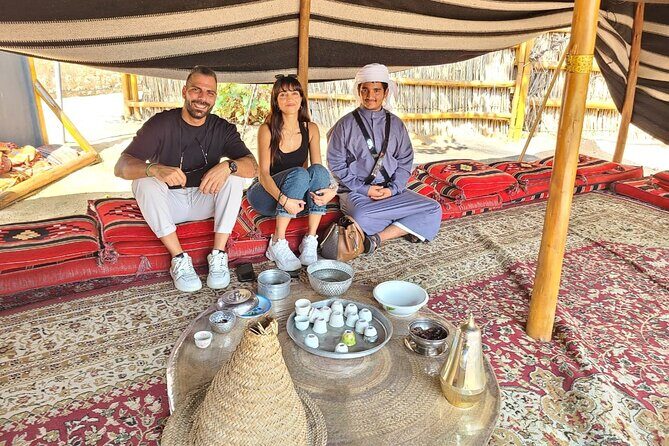
Food isn’t included, but local tastings are: dates and Arabic coffee. This is one of those details that sounds small until you’re in the middle of walking tours and you realize how much energy those quick bites give you.
Arabic coffee also helps with context. Instead of treating it as a random stop, you learn how hospitality works in the region. And since you’re visiting markets, the tasting feels like part of the culture you’re seeing—not an unrelated snack break.
If you have dietary needs, the tour data doesn’t list specifics for substitutions. So it’s smart to ask in advance if options are available.
What you’ll likely see between stops (and how to plan your time)
Even though each stop is timed, the route naturally includes short walks, quick viewpoints, and transitions at souk lanes. Plan on:
- comfortable walking shoes
- a small water plan (since food isn’t included)
- a simple shopping mindset (browse, decide, buy if it feels right)
Also, remember that markets move with energy. If you arrive ready to shop aggressively, you’ll miss the story. If you arrive ready to observe first, you’ll enjoy the shopping more because you’ll understand what you’re comparing.
Price and value: is $69.79 a fair deal for a private tour?
At about $69.79 per person, the value comes from the mix of included basics and “time-saving” logistics.
You’re paying for:
- private transport with pickup and drop-off
- a local guide
- entry fees to heritage sites and museums
- the Abra boat ride
- local tastings like dates and Arabic coffee
- guided mosque time inside
- set shopping time in multiple souks
The big value signal is that this isn’t just a walking tour. You’re getting transportation across key parts of Old Dubai, plus guided access to heritage and the mosque inside, which is where many tours either skip or rush.
If you compare the cost to solo taxi rides plus individual tickets plus time spent finding your own way through old neighborhoods, the private format starts to look very reasonable for a half day—especially if you’re traveling as a family or small group.
Who this tour fits best
This works especially well if you want Dubai without the “just skyscrapers” feeling. It’s also a strong choice if you like guided structure but hate rigid group schedules.
Best fits:
- families who want kids to learn while still enjoying markets
- couples who want a mix of culture and shopping time
- first-time visitors who need orientation in Old Dubai quickly
- anyone who prefers private pacing over crowd herding
If you’re the type who hates walking or shopping, you’ll still enjoy it—but you might focus more on the heritage districts and the Blue Mosque inside, and treat the souks as browsing only.
Booking call: should you book this private Old Dubai tour?
If you want a smart, guided snapshot of Old Dubai with the key “must-do” elements—Al Seef, Al Fahidi, Abra crossing, Gold and Spice Souks, and the Blue Mosque inside—this tour is easy to recommend.
I’d book it when:
- you have about half a day and want a full story arc
- you care about guided context, not just photos
- you like markets, but you want help navigating them
I wouldn’t book it if:
- you’re expecting hours of free shopping with no structure
- you want a slow, meandering tour with lots of downtime
FAQ
Is this tour private or shared with other groups?
This is a private tour/activity. Only your group participates.
How long does the tour take?
The duration is approximately 3 to 4 hours.
Does the tour include pickup and drop-off?
Yes. Private transport with pickup and drop-off is included.
Is the Abra boat ride included?
Yes. The tour includes crossing Dubai Creek on an Abra water taxi.
Which souks and markets are part of the experience?
You’ll have shopping time at the Old Souk area, plus stops at the Gold Souk, Spice Souk, and Textile Souk.
Is the Blue Mosque visit included inside?
Yes. The experience includes a guided visit to the Blue Mosque inside.
Are entry fees, tastings, or food included?
Entry fees to heritage sites and museums are included, and local tastings like dates and Arabic coffee are included. Food itself is not included (you can purchase it on your own if you want).
What are the cancellation terms?
You can cancel for free up to 24 hours in advance for a full refund. If you cancel less than 24 hours before the start time, the amount paid is not refunded.
What kind of ticketing do I need?
A mobile ticket is included.