REVIEW · DUBAI
Private Tour Old Dubai Souks Creek and Abra Tour with Tastings
Book on Viator →Operated by 1001 Nights Experiences · Bookable on Viator
Old Dubai can feel like a puzzle. This private souks-and-creek walk turns it into a plan, with a private guide and tastings plus an Abra ride to keep things moving.
I love that the pacing is flexible for your group, so you can linger for photos or questions instead of being herded. I also like that several stops come with admission included (or free entry), so you’re not constantly budgeting or guessing what you still need to pay for.
One thing to consider: this tour needs good weather, and the markets are popular. You’ll see a lot, but the time in each souk is limited, so you may want a second visit if you’re serious about shopping.
In This Review
- Key things I’d circle before you go
- How this private Old Dubai route actually helps you
- Meeting point at Al Fahidi and what to expect on arrival
- Stop 1: Souk Al Seef and the creek-side feel
- Bastakiya (Al Fahidi): old lanes, old houses, old logic
- Dubai Creek: the trading artery behind everything
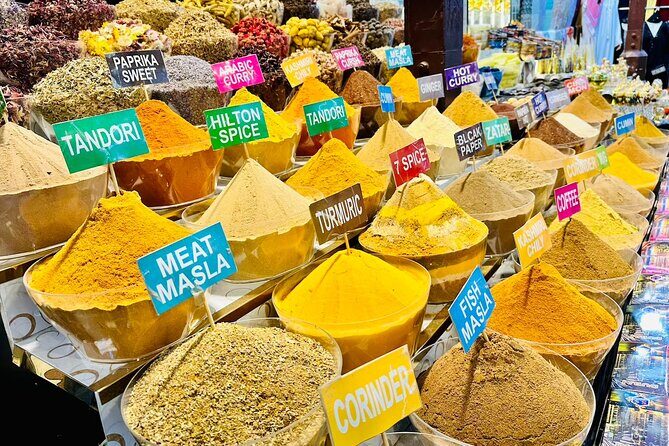
- Baba’s Cave: spices with a sensory learning moment
- Bur Dubai Abra Station: the short ride that changes the whole feel
- Dubai Museum and Al Fahidi Fort: heritage you can read
- Old Souk and then the shopping surge: how the tour balances both
- Tastings: why small stops actually matter
- The guide factor: why Anis shows up in the praise
- Pacing, timing, and what you may want to do afterward
- Price and value: what you’re paying for
- Who this tour is best for (and who might not love it)
- Should you book this Old Dubai souks and Abra tour?
- FAQ
- How long is the private Old Dubai souks and Abra tour with tastings?
- How many people are in a private group?
- What tastings are included?
- Is an Abra boat ride included?
- Where does the tour start and where does it end?
- What is the cancellation and weather policy?
Key things I’d circle before you go
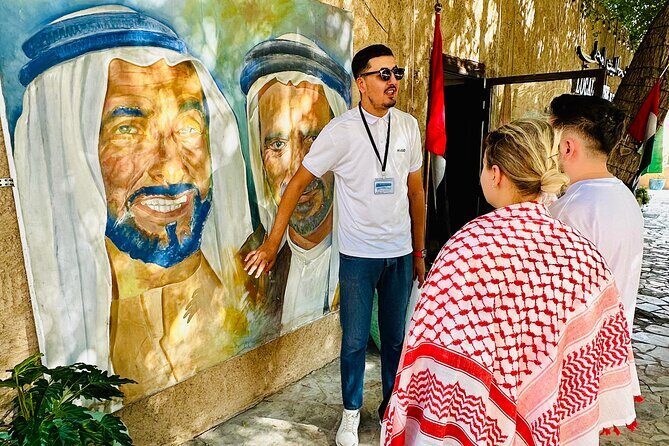
- Anis-led history and humor: the guide factor matters, and Anis gets repeated praise for answering questions and keeping the tone fun.
- Abra crossing from Bur Dubai: you get the classic creek boat experience as part of the route.
- Bastakiya (Al Fahidi) focus: traditional houses and lanes, not just storefronts.
- Baba’s Cave sensory stop: a dedicated chunk of time for learning spice history through a hands-on-style experience.
- Gold and spice souks with set time: structured browsing at Deira’s most famous markets.
- Mobile ticket and private group up to 15: easy entry and a tour that can match your pace.
How this private Old Dubai route actually helps you
Dubai has two faces: the postcard skyline, and the older trading world along Dubai Creek. This tour picks the second one on purpose. With a private guide, you don’t just “see places”—you learn why the city grew the way it did, and you get help reading what’s in front of you while you walk.
The group stays small enough (up to 15) that you can ask questions without shouting over everyone. And because the format is a 2 hours 30 minutes loop that returns to the meeting point, it feels more like a guided neighborhood tour than a long day of transport.
A big practical win is how the stops are spaced. You start around Al Fahidi/Bastakiya, move through heritage sites and museums, then head toward Deira’s souks and end back near where you began. That mix keeps the walking interesting: old houses, creek views, spice learning, then the shopping areas that many people come to Dubai for.
You can also read our reviews of more private tours in Dubai



Meeting point at Al Fahidi and what to expect on arrival
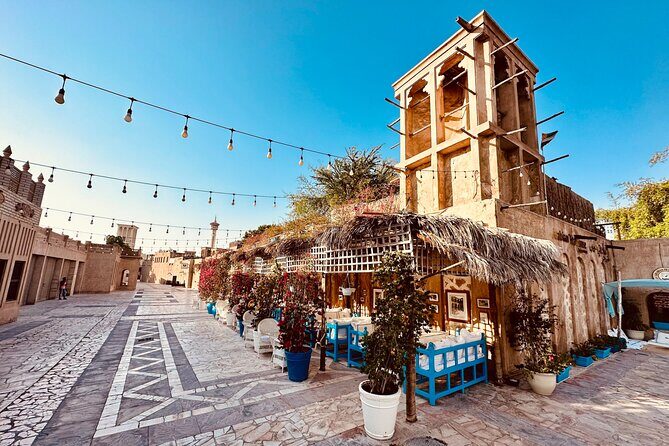
The tour starts at the Arabian Tea House Restaurant & Cafe in Al Fahidi (Bastakiya). The meeting point is listed opposite Musalla Post Office in the Al Fahidi area, in Bur Dubai. That’s useful because Al Fahidi is a distinct zone—once you’re there, the whole day’s theme makes sense.
The tour ends back at the meeting point. That matters more than it sounds. It means you can plan your later evening without worrying about where the guide drops you.
You’ll also want to dress for street-level walking. The itinerary is built around short stops—some are 5 to 10 minutes, one is longer (the Gold Souk segment). You’ll get frequent cues to look, smell, read, and ask, but you’ll still be on your feet.
Stop 1: Souk Al Seef and the creek-side feel
Souk Al Seef by Dubai Retail is your first stop, along Dubai Creek, in a historic-feeling neighborhood. This is the moment where the tour sets the tone: traditional charm plus modern convenience, right by the water.
You get about 15 minutes here, and the entry is listed as free. So think of it as a warm-up stroll—scoping the vibe, spotting architectural details, and getting a sense of how the creek shaped trade.
What I like about this start is that it prevents culture shock. Instead of jumping straight into two of the biggest markets in the city, you get a short orientation moment first. If you’re prone to getting overwhelmed in busy souks, that calm start can help.
Bastakiya (Al Fahidi): old lanes, old houses, old logic
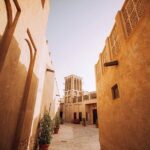
Two segments are dedicated to Al Fahidi Historical Neighbourhood in Bastakiya. One stop focuses on the area itself—preserved traditional architecture mixed with cafés and galleries. Another stop specifically points you toward the old traditional houses where locals used to live.
Both are listed with admission included, and the time allocations are short but purposeful (10 minutes, then another 15 minutes). That structure tells you what the tour values: not endless sightseeing, but a few high-signal places that give you a baseline understanding fast.
In practical terms, Bastakiya is where you start to see Dubai as more than a modern city. You understand why people built the way they did, what “old Dubai” looks like at close range, and why these lanes still matter.
If you’re the type who loves asking why something works—layout, cooling, materials—this part is likely to click. And if you prefer photo time, the narrow lanes and preserved façades give you plenty of angles without feeling like a rush.
Dubai Creek: the trading artery behind everything

After Bastakiya, the route briefly shifts to Dubai Creek. This stop is only about 5 minutes, with admission included, but it’s more than a photo break.
This is where the tour links your walking to the city’s original engine: the creek and the markets that grew around it. Even a short stop here helps you “connect the dots” between Al Fahidi and Deira. You start to understand why the souks are where they are, and why boat transport became part of daily life.
If you’re curious about how cities work before you visit the famous landmarks, this stop is a smart use of time.




Baba’s Cave: spices with a sensory learning moment
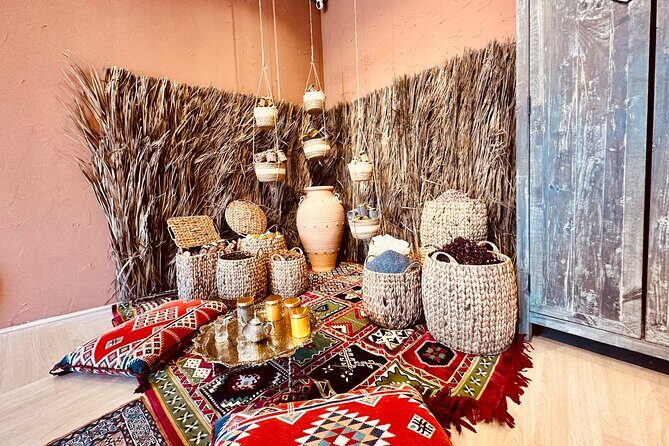
Next up is Baba’s Cave, a longer stop at about 25 minutes, with admission included. The tour frames it as a way to learn spice history and as a sensoriel experience.
This is one of the most “tour-like” stops in the itinerary because it’s not just walking and looking. It’s a dedicated learning block. And that helps balance the rest of the day, which is heavy on streets and markets.
What you should expect here (based on how the experience is described) is a more hands-on style of learning about spices—likely tied to smell, handling, or guided explanation. If you’ve ever walked past spices and thought, I know what I’m seeing but not what it means, this is designed for that gap.
Also, this stop sets you up for the later Spice Souk and Gold Souk segments. When you reach those alleys, you’re not only shopping—you’re interpreting.
Bur Dubai Abra Station: the short ride that changes the whole feel
Now you get the Abra moment. The itinerary includes Bur Dubai Abra Station, about 5 minutes, with admission included.
Even though the time listed is short, the Abra ride is often the part people remember because it moves you across Dubai Creek the way locals and traders did. It gives you a different viewpoint of the same area you’ve been walking—one that doesn’t rely on zooming in with your phone.
Practically, this is also a useful break from walking. After souks and lanes, the creek crossing resets your pace. And because it’s part of the planned route, you’re less likely to lose time figuring out logistics on your own.
Dubai Museum and Al Fahidi Fort: heritage you can read
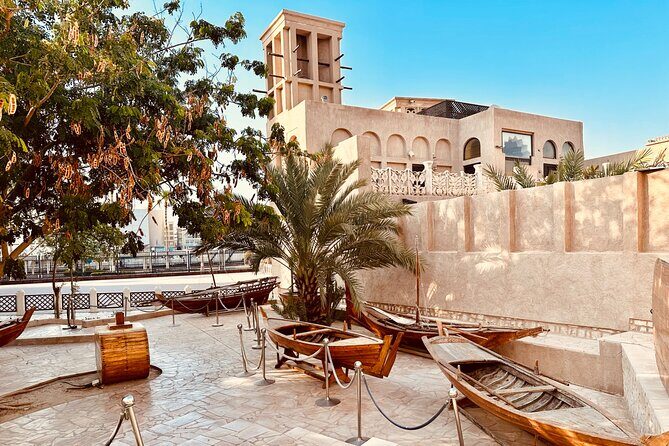
The tour includes a stop at Dubai Museum & Al Fahidi Fort. Entry is listed as free, and this is a good mid-route anchor.
This part matters because it’s not just street-level aesthetics. It’s a place tied to the fort itself and its transformation into a museum. When you’re covering Al Fahidi, the creek, and the souks, this museum stop adds context: you see how the city protected itself, how it evolved, and how heritage is presented now.
This is also a nice option if the weather turns hot or you want a break from the outdoors. Even if you don’t stay long, a museum stop can make the whole tour feel “earned,” not just sampled.
Old Souk and then the shopping surge: how the tour balances both
After the museum, there’s a short old souk stop (about 5 minutes) with admission included. This feels like a quick taste of the traditional market texture before the tour commits to the two big Deira souks.
Then you move into Spice Souk in Deira (about 10 minutes, entry free). The tour describes it as narrow alleys filled with aromatic spices, herbs, and traditional ingredients—so you’re meant to experience it with your senses, not just browse.
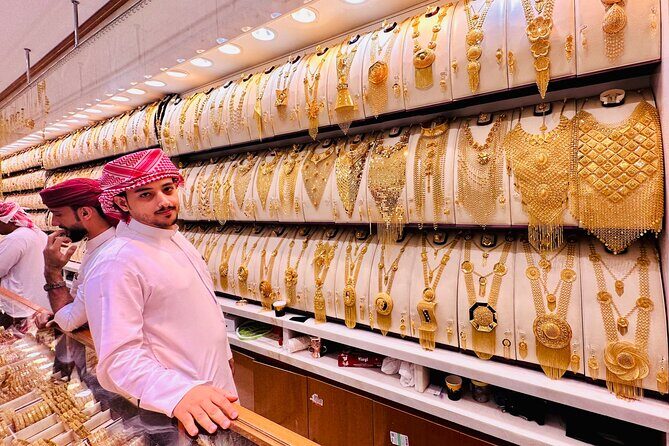
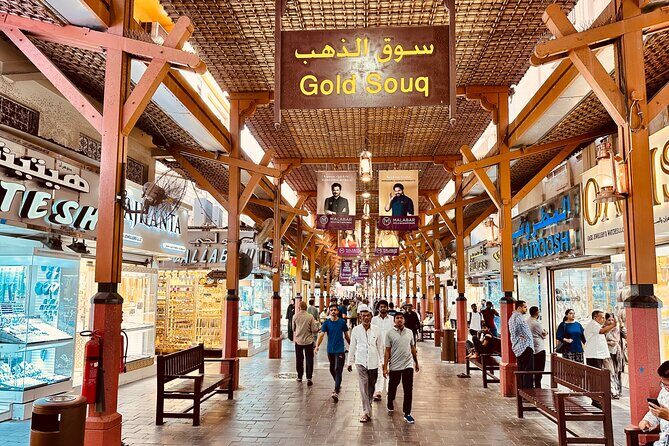
Finally, you reach the Gold Souk (about 30 minutes, entry free). This is the longest market block after Baba’s Cave. It’s where you get that famous visual effect: rows of jewelry displays and high-shine details that you can’t really appreciate until you stand in the middle of it.
A fair heads-up: the market time is planned, not open-ended. If you love slow shopping, you’ll likely want extra time after the tour. But for most people, 30 minutes is enough to see the range, understand the styles, and decide what—if anything—you want to follow up on later.
Tastings: why small stops actually matter
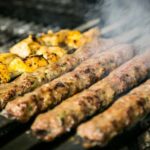
The tour includes tastings along the way, such as chocolates and Arabian sweets. Even without knowing exact flavors, the role of tastings here is clear: they add a pause that keeps your energy up during a walking-heavy afternoon.
This also fits the “authentic Dubai” theme. Souks are about more than items for sale—they’re social places. Small tastings help you feel that everyday culture rather than treating the markets like a photo checklist.
If you’re picky with food or have allergies, you’ll want to ask about specific ingredients when you book. The tour clearly includes sweets and chocolate samples, but the detailed list isn’t provided here.
The guide factor: why Anis shows up in the praise
The reviews consistently point to one name: Anis. The strongest repeated comments aren’t just about facts—they’re about delivery. People describe him as funny, patient, and enthusiastic, with the ability to handle lots of questions.
There’s also praise for practical guidance: he gives people time to explore and take photos, and he answers questions in a way that makes the whole route easier to understand. One review even mentions traveling with a 1.5-year-old baby, and Anis being helpful—which suggests he can adapt when your group needs a gentler rhythm.
This matters because Old Dubai can be confusing if you’re walking without context. With a guide like this, you’re not only seeing souks—you’re learning how to read them: what’s where, what each area represents, and how the different sides of Dubai Creek connect.
Pacing, timing, and what you may want to do afterward
At 2 hours 30 minutes, you’re not getting a “sit for hours” tour. You’re getting a fast but not frantic tour. The trick is to decide how you’ll spend your attention.
During the heritage blocks (Al Fahidi and the fort/museum), focus on questions and details. During the souks, let your senses take over. After the tour, give yourself options:
- If you enjoyed the Spice Souk vibe, plan a second pass later with more time for browsing.
- If the Gold Souk grabbed your attention, consider coming back when you have a fuller budget and calmer headspace.
Because the itinerary returns to the meeting point, you can naturally roll into dinner afterward without a complicated logistics shuffle.
Price and value: what you’re paying for
The price is listed at $458.77 per group, up to 15 people, for about 2 hours 30 minutes. That can look high until you break it down the way you would for families or friend groups.
If your group size is close to the top end, your per-person cost drops sharply. Even without assuming full groups, the value equation is helped by admissions included/free at several stops, plus a guided route that covers multiple areas efficiently: Bastakiya, Dubai Creek, the museum/fort, Baba’s Cave, the Abra station, and two major Deira souks.
In other words, you’re paying for:
- a guided “map” through places that can feel confusing,
- entrance value at multiple stops,
- a structured tasting break,
- and the Abra crossing experience included in the flow.
If you’re traveling solo or as a couple, this can still be worth it if you care about having a guide for a half-day and you don’t want to figure out the sequence yourself. But if you only want “market photos” and nothing else, you might find cheaper ways to do it independently.
Who this tour is best for (and who might not love it)
This tour fits you best if you want Old Dubai with structure. It’s also a good match if you like history explained in an easy way and you enjoy mixing heritage stops with markets.
It may be less ideal if you’re the kind of shopper who wants to spend hours negotiating, comparing, and repeating visits. The souks are timed. You’ll see a lot, but you won’t “master” either market during this one slot.
It also makes sense for travelers who prefer a private guide over a large group format. And the service animal note suggests it’s set up with basic accommodations in mind, at least at the policy level.
Should you book this Old Dubai souks and Abra tour?
I’d book it if you want an efficient, guided path through the parts of Dubai that feel most connected to its trading past. The Abra ride, the Bastakiya focus, and the fact that tastings plus multiple admissions are built into the route make it feel like more than a walk-by tour.
I’d think twice if you’re purely after deep shopping time or you’re traveling during a period when weather can be unpredictable for creek walking and boat schedules. Since the experience requires good weather, you’ll want flexibility.
If you do book, bring comfortable shoes and keep your expectations tuned to the format: short, high-signal stops designed to give you a clear Old Dubai picture fast—then leave you free to follow your own interests afterward.
FAQ
How long is the private Old Dubai souks and Abra tour with tastings?
It lasts about 2 hours 30 minutes.
How many people are in a private group?
The tour is private for your group, up to 15 people.
What tastings are included?
The tour includes tastings such as chocolates and Arabian sweets.
Is an Abra boat ride included?
The tour includes a chance to ride a traditional Abra, with Bur Dubai Abra Station listed as part of the route.
Where does the tour start and where does it end?
It starts at Arabian Tea House Restaurant & Cafe in Al Fahidi (Bastakiya), opposite Musalla Post Office, and it ends back at the same meeting point.
What is the cancellation and weather policy?
You can cancel for a full refund up to 24 hours before the start time. The experience requires good weather, and if it’s canceled due to poor weather you’ll be offered a different date or a full refund.