REVIEW · DUBAI
Semi-Private Half-Day Tour of Old Dubai City
Book on Viator →Operated by Desertour Tourism DMC · Bookable on Viator
Old Dubai has a way of rewiring your brain. This small-group half-day combines pickup convenience with air-conditioned comfort, then drops you into the parts of Dubai that feel older than the skyline. I especially love the abra ride over Dubai Creek and the way a guide helps you shop the Spice and Gold Souks without getting turned around. One thing to plan for: there’s no lunch included, so you’ll want to eat after your tour.
I also like the human scale here: it caps at 15 travelers, so you get real answers instead of quick “tour-bus” explanations. When the guide is on their game—like Walid, who’s been singled out for making the day special—you come away understanding how old neighborhoods and traditions still shape what you see today.
In This Review
- Key Highlights Worth Planning For
- First, The Value: Why This Old Dubai Half-Day Feels Efficient
- Getting Oriented With Pickup and a Small Group (So You Don’t Waste Your Morning)
- Jumeirah Mosque: A Meaningful Start Without the Long Detour
- Dubai Museum and Al Fahidi Fort: Heritage You Can Actually Read
- Dubai Creek by Abra (or Water Taxi): The Emotional Part That Still Feels Practical
- Spice Souk in Deira: Shopping Time With a Guide’s Order
- Gold Souk: Bargaining Practice and a Few Big-Deal Facts
- Comfort and What’s Actually Included (Bottled Water, A/C, and Tickets)
- The Biggest Wins: What Makes This Tour Worth Your Time
- Who This Tour Is Best For
- Should You Book This Old Dubai Half-Day Tour?
- FAQ
- How long is the Semi-Private Half-Day Tour of Old Dubai?
- What time does the tour start?
- Is pickup included?
- What is the maximum group size?
- Which places do you visit?
- Are tickets included?
- What’s included in the price?
- Is lunch included?
- Do I get a mobile ticket?
- What is the cancellation policy?
Key Highlights Worth Planning For
- Small group limit (max 15) means more time with your guide and fewer bottlenecks.
- Hotel/area pickup across Dubai saves you time and hassle, especially in the morning.
- Dubai Creek by abra (or water taxi) gives you an authentic, local-style crossing, not just a photo stop.
- Souk time with a guide + free wandering balances learning and shopping.
- Tickets and fees handled for the key paid moments, plus bottled water keeps the pace comfortable.
First, The Value: Why This Old Dubai Half-Day Feels Efficient
Old Dubai works best when you see it in the right order. This tour is set up so you’re not bouncing around with random taxis and scattered timings. You start with a major landmark, move into heritage walls that explain the city’s early days, then shift into Deira’s market life—ending where people actually hunt for deals and souvenirs.
The price—$138.45 per person—looks steep if you think of it as “just a walking tour.” But when you factor in pickup, an air-conditioned vehicle, and the fact that admission tickets are included for the paid stops (and the abra crossing is covered), it becomes much more about paying for time, logistics, and interpretation. For many people, that’s the difference between spending your morning solving directions and actually learning how the city grew.
The total day is about 4 to 5 hours, which is short enough to keep energy up but long enough to cover multiple districts and transitions. If you’re on a tight itinerary, that matters. If you hate rushing, you might feel it in the souks—there’s free time, but it’s still scheduled.
You can also read our reviews of more city tours in Dubai



Getting Oriented With Pickup and a Small Group (So You Don’t Waste Your Morning)
Dubai is huge, and “getting there” can eat a lot of your trip. I like that this tour includes pickup from all areas in Dubai, so you’re not stitching together your own plan while traffic and long drives chew up the day.
The vehicle is air-conditioned, which is a real plus in the UAE, especially if your tour hits the hottest hours of the morning or mid-day. You also get a built-in social buffer: with a maximum of 15 travelers, you’ll usually hear what the guide is saying without leaning over other people.
Practical tip: if you want good photos, arrive ready to go. Bring your camera/phone charger plan in mind, keep water handy (you’ll get bottled water), and use your first stop to set your expectations for the contrasts you’ll see later—quiet heritage first, then intense souk energy.
Jumeirah Mosque: A Meaningful Start Without the Long Detour
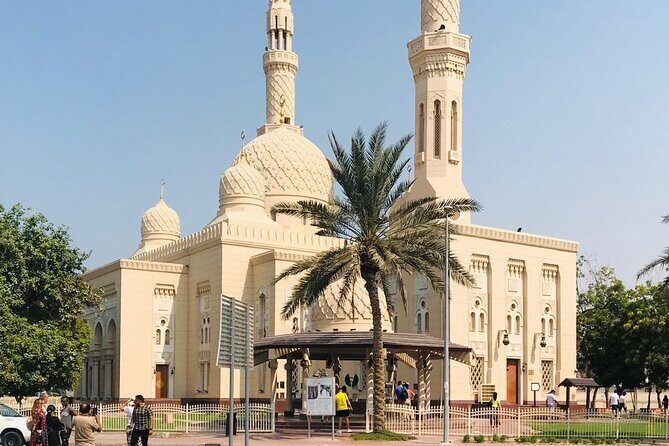
You begin in the Jumeirah area, at Jumeirah Mosque. It’s listed as the most visited mosque in Dubai, and the point of starting here is smart: it gives you an immediate sense of the city’s cultural center of gravity before you head into older, commercial districts.
This is a short stop (about 20 minutes), so it’s not the kind of visit that turns into a lecture marathon. Instead, it’s timed to set context and help you understand why the rest of the day matters. The guide’s explanations are where you pick up the “why,” not just the “where.”
What you’ll like: the contrast. Dubai’s modern image is loud, but starting with a cultural anchor helps you see the city as more than glass towers and shopping malls. One more bonus: a short first stop keeps you from feeling like you already spent your best energy before the day’s main heritage moments.
Possible consideration: because the stop is brief, if you’re hoping for a slow, detailed mosque visit, you might find you want more time here. The tour’s design is about covering the story, not living inside one location all afternoon.
Dubai Museum and Al Fahidi Fort: Heritage You Can Actually Read
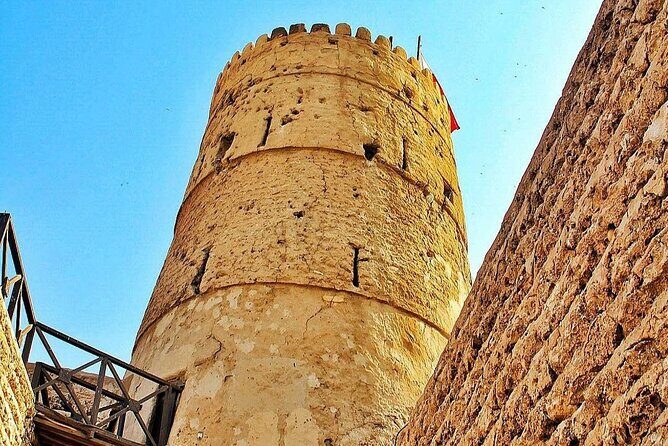
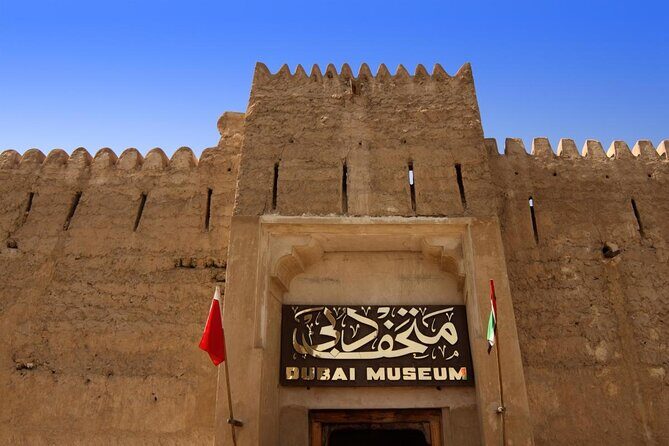
Next comes Dubai Museum & Al Fahidi Fort, where the tour spends about 45 minutes. This matters because the museum is housed in what’s described as Dubai’s oldest building, dating back to the 18th century. That time depth gives weight to everything you’ll see in the souks later.
I like this stop because it reframes what you think “old Dubai” means. It’s not only about narrow streets and wind. It’s about how a settlement organized itself, how people lived, and how trade shaped the city. When you spend time in a heritage site like this, the later market areas feel less random and more connected.
The fort/museum stop also includes admission, so you’re not hunting for tickets or worrying about last-minute entry rules. You simply go in and use your guide’s interpretation to connect the dots.
What to expect from a 45-minute format: you won’t read everything at museum speed. Instead, you’ll focus on key themes and landmarks that help you picture what the city looked like before the modern sprawl.
Dubai Creek by Abra (or Water Taxi): The Emotional Part That Still Feels Practical
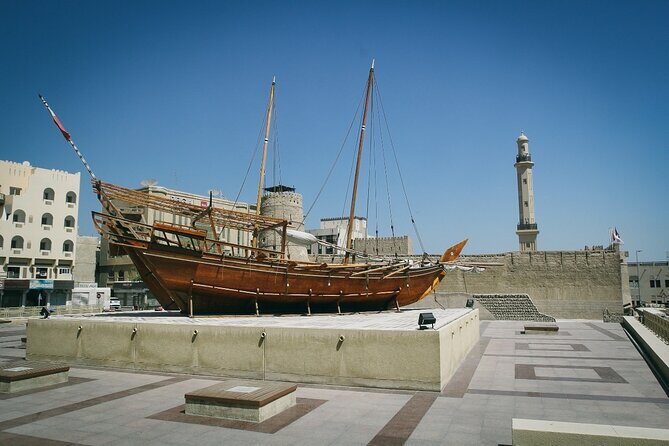
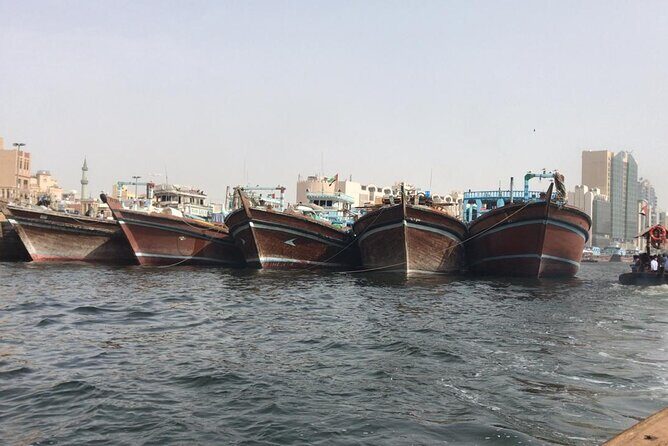
Then you hit Dubai Creek, the natural canal that cuts through the old district. Instead of treating it like scenery, the tour uses one of the area’s oldest transport methods: an abra ride (or a water taxi, depending on what’s used that day). The crossing portion is about 15 minutes, and admission is included.
This is one of those “small time, big memory” moments. Crossing by traditional water transport makes the whole district feel like a living system, not a museum set. In particular, an abra crossing can feel surprisingly emotional because it connects you to how people moved historically—before bridges and modern road networks took over.
Why it’s valuable for your trip: it gives your brain a new map. After that, when you walk through Deira souks, you understand that trade and movement depended on water routes. You’ll start seeing the market as a transportation story, not just a shopping stop.
Photo tip: you’ll have limited time, so be ready at the water’s edge and don’t wait until you see a perfect shot. The best photos come from being prepared and then letting the moment happen.
You can also read our reviews of more private tours in Dubai






Spice Souk in Deira: Shopping Time With a Guide’s Order
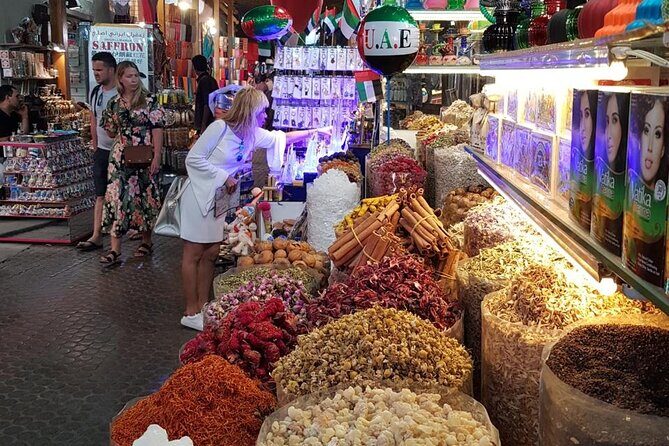
After the creek crossing, you land in Deira for the Dubai Spice Souk (the Souk al Kabeer / Big Bazar area). The tour schedules about 30 minutes here, with free time for shopping and a guided walk to uncover what makes the souks work the way they do.
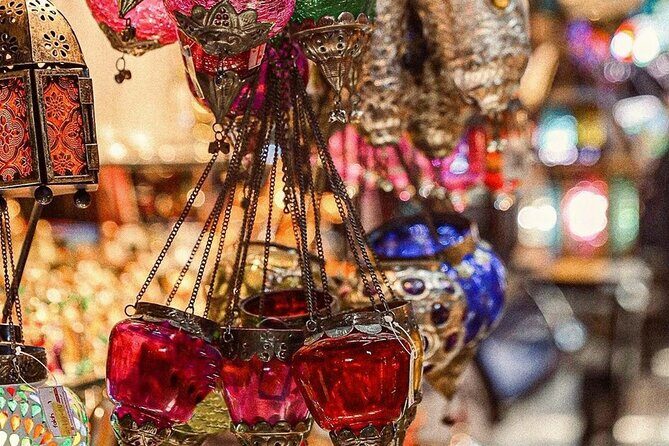
I like spice-market time because it’s sensory and practical. Even if you’re not buying much, you’ll notice how stalls are arranged, how sellers present products, and how customers move through lanes. The guide’s role is helpful because you don’t have to guess where to look, what to ask, or how to avoid spending your whole “free time” stuck at the first stall.
One detail that makes this stop more useful: spice markets aren’t just about fragrances. They’re also a window into everyday trade—what people needed, what people bought, and what you could keep fresh. You’re not only consuming the atmosphere; you’re learning how the economy used to function in real life.
Potential drawback: 30 minutes can be short if you love shopping. If you’re aiming for more than a few small items, set your priority before you arrive (for example, decide whether you want to focus on spices, oils, or gifts first).
Gold Souk: Bargaining Practice and a Few Big-Deal Facts
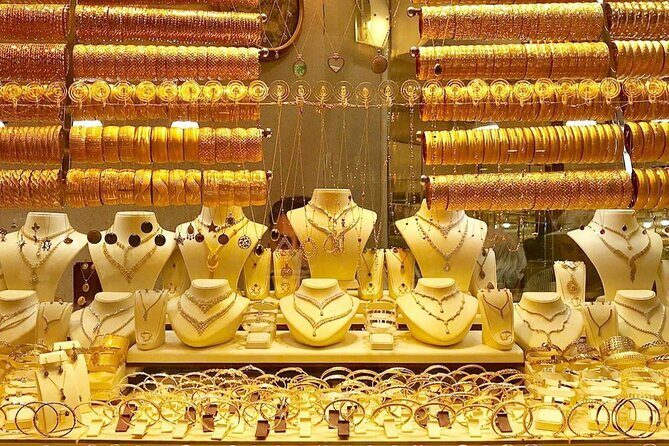
The last major stop is the Dubai Gold Souk, with about 1 hour. This is free-entry time, and it’s the place where shopping turns into a sport. The tour frames it beyond gold jewelry, pointing out that you’ll find other interesting items and references—like records and displays, including mention of the biggest ring in the world.
You also get time to browse for traditional dresses and Arabic perfumes, and yes, you can bargain with local sellers. That hour is long enough to do a quick comparison, learn how sellers talk you through options, and still bring home a meaningful souvenir if that’s your style.
What I like about ending here: the souk energy builds. You move from spices (everyday goods and trade) to gold (status, craft, and high-interest shopping). By the time you reach the Gold Souk, you’ve already learned how the market lanes work, so you spend your last hour more confidently.
Small caution: this is often where impulse buys happen. If you’re budget-conscious, set a spending cap before you enter. The best bargaining usually comes from having a clear number and a respectful attitude.
Comfort and What’s Actually Included (Bottled Water, A/C, and Tickets)
A few practical perks make a half-day tour feel smoother than DIY chaos:
- Bottled water is included.
- You travel in an air-conditioned vehicle.
- All fees and taxes are included as part of the price.
Ticket coverage is mixed by stop, and that’s normal for tours like this. Here’s the pattern you should remember:
- Jumeirah Mosque: admission is free.
- Dubai Museum & Al Fahidi Fort: admission included.
- Abra station crossing on the creek: admission included.
- Spice Souk: admission is free.
- Gold Souk: admission is free.
What’s not included: lunch. Since the tour ends after the souks, plan to eat right after. If you tend to get hungry quickly, consider carrying a snack for the ride and then save your real meal for later.
The Biggest Wins: What Makes This Tour Worth Your Time
If I had to summarize why this experience works, it’s three things: it’s focused, it’s guided, and it’s paced for real sightseeing.
First, it’s focused. You hit the main ingredients of Old Dubai—heritage, creek crossing, and souks—without wasting the morning on detours.
Second, it’s guided. A good guide helps you understand what you’re seeing so the visit doesn’t turn into random wandering. In particular, one guest noted how guide Walid made the day special, which is exactly the kind of difference you want when you’re short on time.
Third, the pacing respects attention. You don’t just sprint between stops. Each place has a clear time box, so you get enough to feel the place and then move on before you’re exhausted.
Who This Tour Is Best For
This is a good fit if you:
- want a guided “Old Dubai” overview without getting lost in Deira
- like seeing cultural landmarks and market life in one morning/afternoon
- prefer small group settings (max 15) with time for questions
- are curious about how older transport (abra/water taxi) connects to today’s districts
It may be less ideal if you want:
- a very long, slow museum experience (the fort/museum time is about 45 minutes)
- lots of unscheduled time to shop (souks are scheduled, even with free wandering)
Should You Book This Old Dubai Half-Day Tour?
If your goal is to understand Old Dubai in a few hours, I’d say yes—this tour is built for exactly that. The pickup + small-group + A/C vehicle combo is practical, and the structure keeps you from losing half your day to navigation.
Book it if you want a guided day that ends in the souks with enough time to browse, ask questions, and bargain without rushing every stop. Skip it if you’re the type who wants to linger for hours in one place or you don’t like scheduled time limits.
FAQ
How long is the Semi-Private Half-Day Tour of Old Dubai?
It runs about 4 to 5 hours.
What time does the tour start?
The start time is 9:00 am.
Is pickup included?
Yes. Pickup is offered from all areas in Dubai.
What is the maximum group size?
The tour has a maximum of 15 travelers.
Which places do you visit?
You visit Jumeirah Mosque, Dubai Museum & Al Fahidi Fort, Deira Old Souk Abra Station with a creek ride, Dubai Spice Souk, and Dubai Gold Souk.
Are tickets included?
Admission is included for Dubai Museum & Al Fahidi Fort and for the abra creek crossing. Jumeirah Mosque, Dubai Spice Souk, and Dubai Gold Souk are listed as free admission.
What’s included in the price?
Bottled water, an air-conditioned vehicle, and all fees and taxes are included.
Is lunch included?
No, lunch is not included.
Do I get a mobile ticket?
Yes, the tour includes a mobile ticket.
What is the cancellation policy?
You can cancel for free up to 24 hours in advance for a full refund. If you cancel less than 24 hours before the start time, the amount paid won’t be refunded. The tour also requires a minimum number of travelers, and if it’s canceled due to that, you’ll be offered another date/experience or a full refund.