REVIEW · DUBAI
Traditional Dubai City Tour
Book on GetYourGuide →Operated by Desert Adventures Tourism L.L.C. · Bookable on GetYourGuide
Old Dubai still smells like spices. This traditional Dubai City Tour mixes old wind-tower streets, a classic creek crossing, and time in the souks, so you understand the city faster than wandering on your own. You’ll also get stops that make the modern skyline feel less random, including Fort Al Fahidi and a photo stop by Jumeirah Mosque.
I especially like the Dubai Museum setting inside the Fort Al Fahidi, because it turns Dubai’s story into something you can see and walk through, not just read. I also like the practical souk mix: Abra ride across the creek, then Spice Market and Gold Souk with a guide who can help you navigate and bargain. One drawback to plan around: pickup can be a mess if your pickup time gets tight, and one German-speaking booking reported language-guide availability issues.
In This Review
- Key things to know before you go
- What this Traditional Dubai City Tour is really like
- Bastakia and Fort Al Fahidi: the history stop that actually feels local
- Dubai Creek by Abra: short ride, big payoff
- Spice Market to Gold Souk: bargaining help that keeps you from getting lost
- How to shop smarter (without turning it into a stressful contest)
- Jumeirah Mosque and Burj Al Arab photos: quick contrast with a purpose
- Timing and pickup realities: the one thing you should manage
- What’s included, what isn’t, and how to plan your day
- Comfort checklist
- Who this tour fits best
- Should you book this Traditional Dubai City Tour?
- FAQ
- How much does the Traditional Dubai City Tour cost?
- What’s included in the tour price?
- Are meals included?
- What are the main stops on the tour?
- Does the tour include an Abra ride?
- What should I wear?
- What languages are available for the tour?
- Is air-conditioned transportation provided?
- Does the tour include entry fees?
- Can I pay later or cancel if plans change?
Key things to know before you go
- Fort Al Fahidi and Dubai Museum: A 180-year-old fort that anchors the whole day’s history stop
- Bastakia wind-tower streets: Old merchant houses and heritage lanes give you real visual context
- Abra creek crossing: A short boat ride that makes Dubai Creek feel like the city’s original highway
- Spice Market to Gold Souk flow: Easy progression from fragrant goods to high-value shopping
- Jumeirah Mosque and Burj Al Arab photos: Quick but worthwhile skyline contrast from the heritage side of town
- Guide support for shopping: You’ll get help with finding items and negotiating at the souks
What this Traditional Dubai City Tour is really like
Dubai has a way of changing its personality every few minutes. One moment you’re looking at old stone lanes and wind towers; the next you’re staring at the sheen of the skyline. This tour is built to help you make those connections fast.
You’re not doing a marathon. The route is compact and designed for a first-timer day: heritage area, Dubai Museum, Abra across Dubai Creek, then the souks, finishing with a photo stop near Jumeirah Mosque. Even if you’ve seen lots of Dubai photos online, the order of stops matters, because it puts the old city and the market economy right next to the places tourists usually treat as separate.
Value-wise, it’s priced at $70 per person, with a professional guide, bottled water, air-conditioned transportation, and entry fees included. That’s the part you can feel right away: you pay once, you ride comfortably in heat, and you don’t have to manage every ticket or small transfer between sights.
You can also read our reviews of more city tours in Dubai
Bastakia and Fort Al Fahidi: the history stop that actually feels local
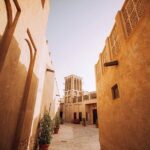
The day begins in the Bastakia heritage area. This is where you’ll see those old wind-tower houses built by wealthy merchants. It’s a small detail until you notice how well the architecture is doing its job: the wind towers aren’t decorative, they’re part of how older homes stayed cooler.
Then you move to Fort Al Fahidi, which is described as the city’s oldest structure and is about 180 years old. Inside, the stop centers on the Dubai Museum. I like this approach because it’s not just a building photo-op. You get the chance to walk through a space that shaped the city’s early story, right before you head into the creek and markets where trade is the main theme.
Practical tip: for the Fort and museum area, wear shoes with decent grip. You’ll likely do some walking on uneven or textured surfaces, and you’ll want comfort more than style.
Dubai Creek by Abra: short ride, big payoff
After Bastakia, the tour pivots to Dubai Creek and the classic transport method: the Abra. This isn’t a long journey, but it’s one of those simple experiences that makes everything feel more grounded. When you cross the water, you feel how the creek connects areas that look far apart on a map.
The tour then continues toward the souk side of town, starting with the Spice Market. That order helps. The Abra ride gives you a sense of arrival and movement, and then the spices hit you immediately with color, scent, and bargaining energy.
If you’re wondering why people love doing Abra rides instead of skipping straight to the shopping: it changes your rhythm. You’re moving through the city in a way locals historically used, which makes the markets feel less staged and more like a working system.
Spice Market to Gold Souk: bargaining help that keeps you from getting lost
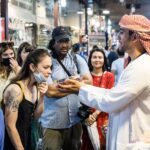
Once you’re on the souk side, you’ll head to the Spice Market, then continue to the Gold Souk. This is where the guide support becomes more than a nice-to-have.
One standout theme from a strong experience: the guide helped with locating and negotiating goods at the market. That matters because Dubai souks can feel like a maze if you’re trying to do it alone. With a guide, you can focus on what you actually want instead of wasting energy on navigation and shop-to-shop comparisons.
How to shop smarter (without turning it into a stressful contest)
You don’t need to become an expert bargainer, but you should go in with a basic mindset:
- Be ready to ask for options at different price points.
- Compare quality, not only price. In markets, the same product name can hide differences.
- Keep your eye on what you’re holding. Small items add up fast.
Also, remember this is a shopping area. If you’re sensitive to crowds or noise, plan on a bit of push-and-pull energy. That’s part of the local character.
A small realism check: the Gold Souk can be visually dazzling, but it’s also a place where prices can vary widely by craftsmanship and weight. If you’re just browsing, bring patience. If you want a specific item, go in with a clear idea of what you’re seeking.


Jumeirah Mosque and Burj Al Arab photos: quick contrast with a purpose
The tour finishes with a photo stop connected to two major references in Dubai: Jumeirah Mosque and Burj Al Arab.
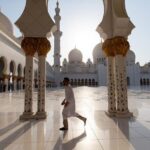
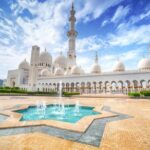
Jumeirah Mosque is described as an architectural landmark, and you’ll have time to take photos. Right beside that, you’ll also stop near Burj Al Arab, described as the most luxurious hotel in the world. Even if you’re not going inside (you’re not listed as entering here), the sightline is useful because it shows you Dubai’s modern branding in one frame.
I like this ending because it closes the loop. You started in heritage lanes and a museum inside an old fort. Then you crossed the creek on the Abra and moved through markets shaped by trade. Ending near the Burj Al Arab photo area gives you the skyline punch without derailing the whole day into an expensive detour.
Timing and pickup realities: the one thing you should manage
The itinerary sounds straightforward, but the biggest practical risk with any city tour is logistics. There were reports of pickup problems, including people waiting for a long time and, in one case, not being picked up with contact attempts not succeeding.
Here’s how I’d protect your day:
- Be ready early at your pickup point, not right on the dot. Give yourself a buffer so you’re not rushing.
- Double-check the meeting location details before morning time gets hectic.
- If you’re booking in a specific language (like German), don’t assume availability without confirmation. The tour offers multiple languages, and one booking reported a gap when a German guide wasn’t available.
Also, one positive review mentioned a guide carried no sign, so identifying the right person wasn’t automatic. That doesn’t mean it will be the same for you, but it’s a good reminder to keep your phone handy, compare guide clothing carefully, and watch for your group call time.
What’s included, what isn’t, and how to plan your day
This tour includes professional English-speaking guide, bottled water, air-conditioned transportation, and entry fees. That’s a strong bundle for a $70 price point, especially on a warm day in Dubai when heat makes walking feel longer than it is.
What’s not included: meals and drinks. So don’t build your schedule around being fed. I’d plan a light breakfast or a snack and then decide what you want afterward. If you tend to get hungry fast in market areas, bring a small snack with you before the tour starts (as long as it’s permitted at your pickup).
Comfort checklist
- Wear comfortable shoes. You’ll do enough walking that blisters would ruin your evening.
- Wear breathable clothes. Even with AC transport, you’ll be outside near the creek and in markets.
- Keep cash or card expectations in mind. Souks are shopping; you’ll likely want options.
Who this tour fits best
This is a good match if you want a compact introduction to Dubai’s older face without spending your whole day planning. It’s especially suited for:
- First-time visitors who want the highlights with context
- People who like market energy but want it organized with a guide
- Travelers who enjoy photos, but also want meaningful stops like the Fort and museum
- Anyone who wants a blend of culture (Bastakia + mosque) and commerce (Spice and Gold Souk)
If you’re the type who hates any shopping component, you might find the souk segment more time-consuming than you expected. And if you rely on a strict pickup schedule due to other plans, you’ll want to build in extra buffer.
Should you book this Traditional Dubai City Tour?
I think it’s worth booking if you want a guided, air-conditioned day that connects Bastakia, Dubai Museum, an Abra creek crossing, and the souks in a logical flow—then adds a skyline contrast with Jumeirah Mosque and Burj Al Arab photos. The included guide support can also make shopping easier, especially in the Gold Souk.
I would book with eyes open about the one weak link: pickup reliability. If your schedule is tight, add extra slack and be ready early. If you’re booking for a specific language, it’s smart to confirm language guide availability.
If those points fit your travel style, this tour is a solid first-impression route that shows you how old trade lanes meet Dubai’s modern shine.
FAQ
How much does the Traditional Dubai City Tour cost?
It’s $70 per person.
What’s included in the tour price?
You get a professional English-speaking guide, bottled water, air-conditioned transportation, and entry fees.
Are meals included?
No, meals and drinks are not included.
What are the main stops on the tour?
You’ll visit Bastakia, Fort Al Fahidi and the Dubai Museum, take an Abra across Dubai Creek, visit the Spice Market and the Gold Souk, and have photo stops near Jumeirah Mosque and Burj Al Arab.
Does the tour include an Abra ride?
Yes. The program includes crossing Dubai Creek by traditional Abra boat.
What should I wear?
Wear comfortable shoes.
What languages are available for the tour?
Languages listed include English, Spanish, German, Portuguese, French, and Italian.
Is air-conditioned transportation provided?
Yes, air-conditioned transportation is included.
Does the tour include entry fees?
Yes, entry fees are included.
Can I pay later or cancel if plans change?
The option listed is reserve & pay later, and you can cancel up to 24 hours in advance for a full refund.