REVIEW · DUBAI
Discover the Magic of Old Dubai by Walking Tour with Guide
Book on GetYourGuide →Operated by sunclear · Bookable on GetYourGuide
Old Dubai makes you slow down fast. This 3-hour guided walk is a smart way to see how Al Seef and the Dubai Creek abra ride fit into daily life, not just postcard views. I like that the route includes classic souks like the Spice Souk and Gold Souk, plus a stop in the Al Fahidi Historic District for the old wind-tower vibe. The main thing to plan around is practical: you cannot bring luggage or large bags, and it is not set up for wheelchair users.
If you’re trying to build a first, coherent picture of Old Dubai, this tour is a good shortcut. For $40, you get a licensed guide, water, the abra ride, and a small chocolate date, which helps you stay comfortable while you shop and walk. Just know it’s not a food tour or a door-to-door transfer, so you’ll want to handle your own meals and getting to the meeting point.
In This Review
- Key things I’d circle before you go
- Old Dubai on foot: why the souks make the best classroom
- Meeting at Sharaf DG Metro Exit 4: start location matters
- Al Seef and the Al Fahidi Historic District: old streets with real geometry
- Bur Dubai and the Abra ride: how to feel Dubai Creek in 15 minutes
- Spice Souk: the sensory stop that makes your guide earn their fee
- Gold Souk: shiny, yes, but also a lesson in trade
- Water and a chocolate date: the small inclusions that help
- Price and value for a 3-hour Old Dubai route
- Who this walking tour suits best
- Potential issues: guide no-shows and how to protect your time
- Should you book this Old Dubai walking tour?
- FAQ
- How long is the Old Dubai walking tour?
- What is the price per person?
- Where do we meet?
- Is food included?
- What’s included in the tour?
- What languages are the guides?
- Is the tour wheelchair accessible?
- Are luggage or large bags allowed?
- Is free cancellation available?
Key things I’d circle before you go
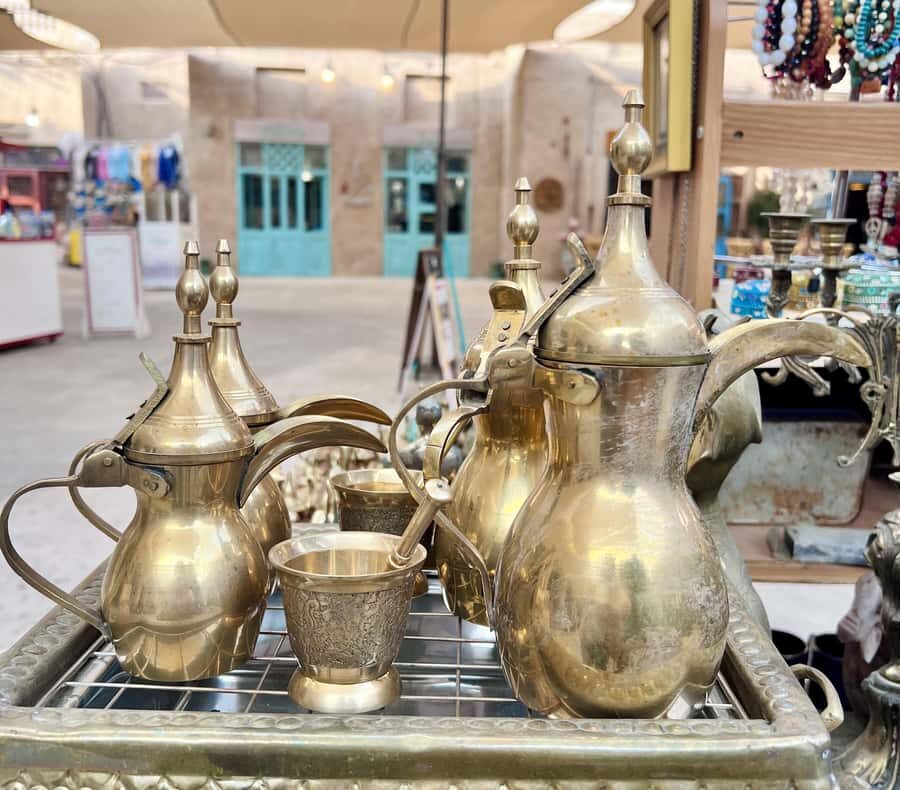
- Al Seef + Al Fahidi District gives you both waterfront character and old Dubai street patterns
- Abra ride on Dubai Creek is the quickest way to feel the city’s “two sides”
- Spice Souk and Gold Souk let you compare everyday trading vs. high-end shine
- Licensed guide means you’re not guessing your way through souk etiquette
- No large bags keeps the walk comfortable and stops bottlenecks
Old Dubai on foot: why the souks make the best classroom
Old Dubai can feel confusing if you land in the wrong place at the wrong time. On foot, you get the rhythm: narrow lanes, small turns, and shop fronts that look similar until a guide points out what’s different. That is where the value shows—someone local helps you read the streets, not just photograph them.
I particularly like how this tour threads together three layers of the same area. You get waterfront textures at Al Seef, traditional architecture in Al Fahidi, and the trading world in Deira souks. Put together, it makes the whole “old city” idea feel real instead of random.
One more practical plus: walking means you can stop for quick questions. If you care about how Dubai grew from trade routes to skyline status, this format keeps the story grounded in place.
You can also read our reviews of more walking tours in Dubai



Meeting at Sharaf DG Metro Exit 4: start location matters
You meet in front of Sharaf DG Metro Station Exit 4. For me, that’s a big part of the planning: it’s not a pick-up at a hotel, so you need to get there under your own steam.
The tour duration is 3 hours, so even a slow start costs you time on the last souks. When you arrive, give yourself a couple of extra minutes to confirm you’re at the right exit and look for your guide before the group moves out.
Also remember: no large bags. If you’re coming from the airport or carrying more than a small daypack, you may need to rethink your luggage plan so you can comfortably follow the group.
Al Seef and the Al Fahidi Historic District: old streets with real geometry
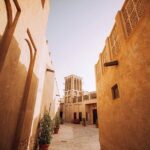
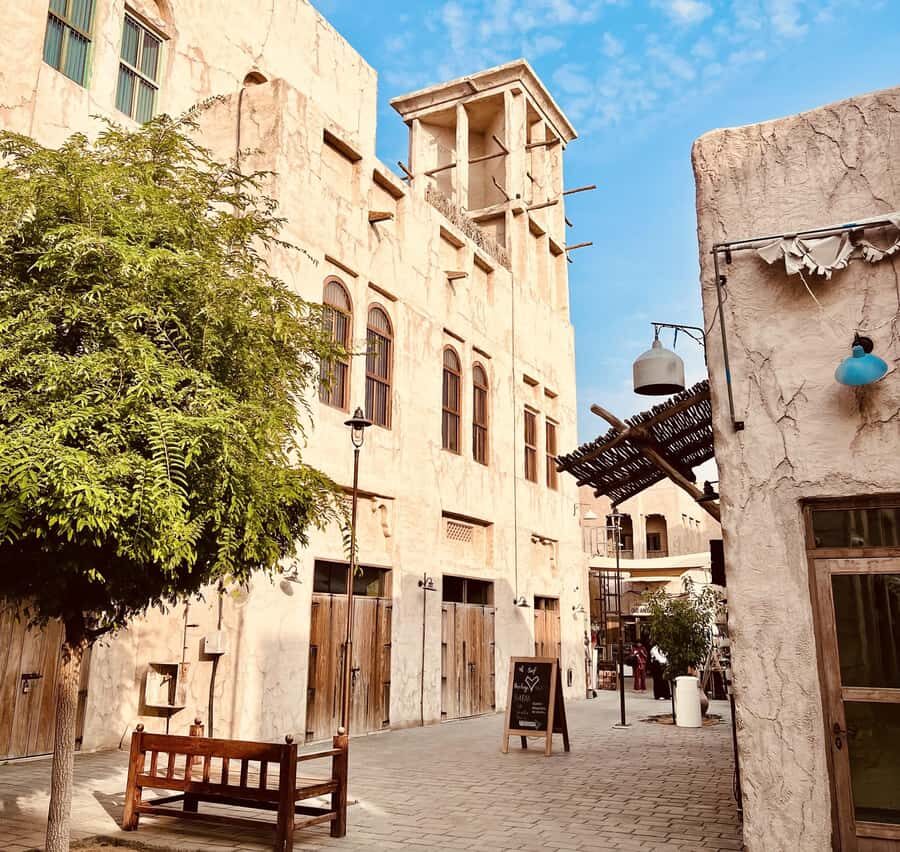
The walking portion starts in the area of Al Seef and then moves into the Al Fahidi Historic District and the Al Bastakiya Quarter feel. These places work because the streets are not wide, not staged, and not built for big tour buses. You learn the city’s logic by moving through it.
In Al Fahidi, the big visual clue is the old wind-powered building style—houses that look like they were designed for shade and airflow long before modern air conditioning. I like this stop because it turns the usual “Dubai is all new” narrative into something more accurate.
You also get a museum element through Dubai Museum in the Al Fahidi area. If you’re the kind of traveler who wants context for what you’re seeing, this is where it clicks. If you prefer shopping and photos, this is still useful because it explains why these lanes feel the way they do.
Tip: wear shoes that can handle uneven paving and tight corridors. This is a walk where you may feel your feet before you notice the scenery.
Bur Dubai and the Abra ride: how to feel Dubai Creek in 15 minutes
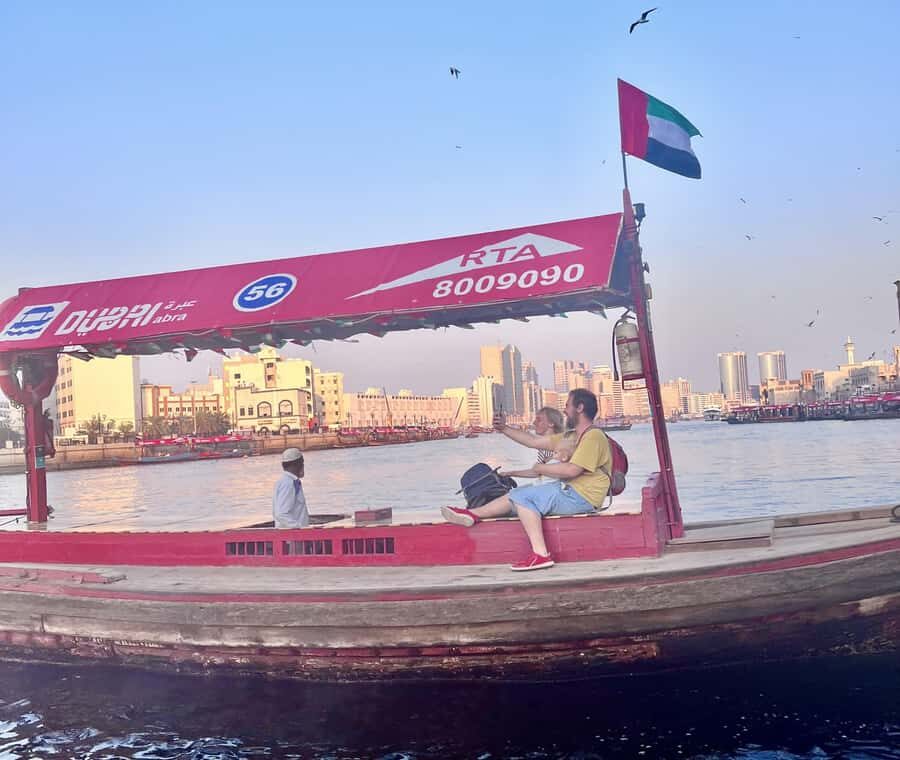
The tour includes a Creek crossing by abra from Bur Dubai to Deira (you’ll see it described as an abra ride along Dubai Creek). This is one of those “small time, big payoff” experiences.
Dubai Creek is the old trade artery, and the abra ride compresses the story into something you can actually sense. You look across the water and see how fast the city changes on one side and stays traditional on the other.
Why I think it matters: it prevents the souks from feeling like a separate theme. Without the water crossing, the old city can feel stuck in one pocket. With it, the whole layout makes sense.
A simple planning note: you’ll likely stand and board in a crowd. Keep your belongings secure and avoid anything you’ll regret holding in warm weather.
Spice Souk: the sensory stop that makes your guide earn their fee
The Spice Souk is where the tour earns attention, even if you’ve seen souks before. The guide’s role matters here because the market is not just “pretty stalls.” It’s a working trading area with its own flow.
If you enjoy browsing spices, teas, and incense-type goods, you’ll have fun because you can slow down and ask what’s what. If you’re not shopping, you’ll still appreciate learning the difference between goods that look similar on the first pass.
How to get value: treat this stop like research, not just a photo stop. Ask a couple of smart questions and then decide what you want to buy. You’ll feel more confident and less rushed.
Keep in mind that food is not included on the tour. If you want a snack or drink beyond the included water and chocolate date, plan to buy it yourself during or after market time.
You can also read our reviews of more guided tours in Dubai



Gold Souk: shiny, yes, but also a lesson in trade
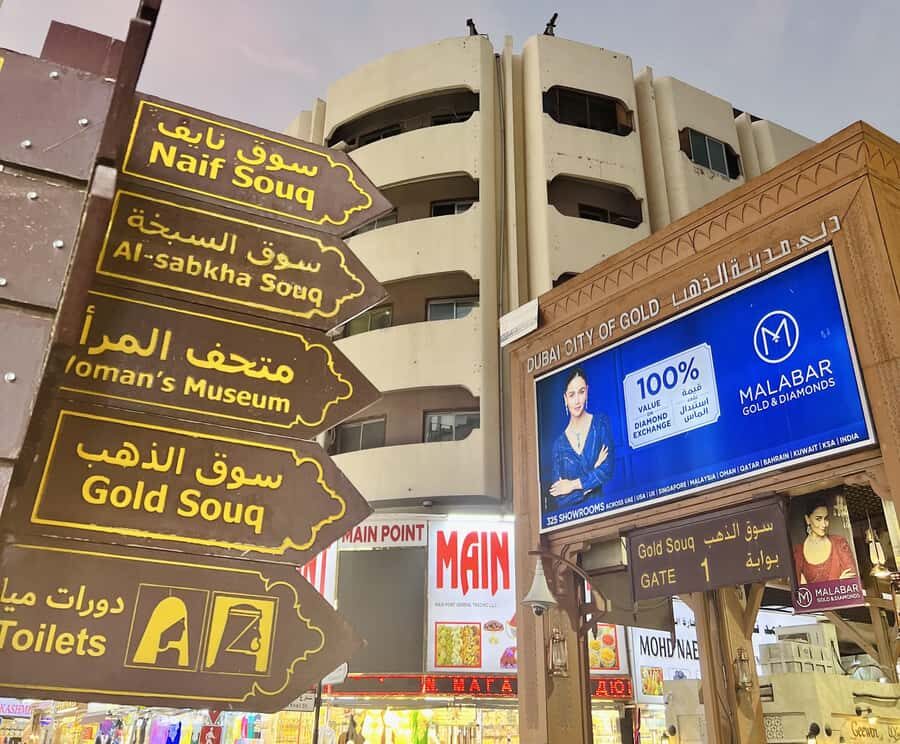
Next comes the Gold Souk, and this is a different world from the spice section. It’s brighter, more formal-feeling, and often geared toward purchases rather than just browsing.
I like Gold Souk because it shows how Dubai’s old trading culture moved into luxury. You can compare the energy of the two souks and get a clear sense of how the city’s “market logic” scales up.
If you’re hoping to buy jewelry, go in with realistic expectations about time and pricing. A guided walk helps with navigating, but this is still a shopping environment. If you’re more of a look-and-learn person, focus on craftsmanship details and shop layout rather than trying to force a quick deal.
The other reason this stop works: it balances the tour. Spice Souk is about smell and everyday trade; Gold Souk is about shine and high-end commerce.
Water and a chocolate date: the small inclusions that help
The tour includes water and a chocolate date. That sounds minor, but on a market walk in Dubai heat, it’s a legit comfort upgrade.
I like these inclusions because they support the main activity: walking and browsing. Without a drink, souks can wear you out fast. Without a small snack, it’s harder to stay patient when you’re inside crowded lanes.
Still, don’t treat the chocolate date like a meal. Food is not included, so plan ahead if you’re traveling with dietary needs or if you know you get hungry during shopping time.
Price and value for a 3-hour Old Dubai route
At $40 per person for 3 hours, this tour is priced in the “you’re paying for guidance and structure” category. You’re not getting a full-day museum pass or a meal plan, so the question is: do you want someone to connect the dots for you?
You do get meaningful built-ins: licensed guide, abra ride, water, and the chocolate date. That means you’re paying less out of pocket for the single biggest “experience” chunk (the Creek crossing) and more for having someone manage the route and timing.
Where value gets shaky is if you’re expecting a food-and-activities day. If you want tastings, restaurant stops, or a relaxed sit-down pace, this isn’t that kind of tour.
But if your goal is a first Old Dubai snapshot with the right stops—Al Seef, Al Fahidi, Spice Souk, Gold Souk—this price can make sense.
Who this walking tour suits best
This works best for you if you:
- want a first-time Old Dubai orientation that covers both traditional areas and major souks
- like walking with a guide who can point out what matters
- prefer structured time over wandering alone and hoping you find the “right” lanes
It’s less ideal if you:
- need wheelchair access (it’s not suitable for wheelchair users)
- travel with more than a small bag (large luggage is not allowed)
- want hotel transfers or a full meal plan (neither is included)
If you’re coming from nearby neighborhoods and can reach Sharaf DG Metro Exit 4 easily, you’ll likely find the experience smoother.
Potential issues: guide no-shows and how to protect your time
One real downside appears in the lower rating feedback: there are cases where the guide did not show up. I can’t promise it will happen to you, but it’s enough that I’d plan defensively.
My practical advice:
- arrive early enough to absorb delays at the meeting point
- keep your phone charged so you can contact the provider if that option exists
- build in some flexibility on the day, since the tour is only 3 hours
If punctuality is your top priority, aim to meet 10–15 minutes early. And if something feels off at the start, don’t wait too long before escalating with whatever contact method you have.
Should you book this Old Dubai walking tour?
I’d book it if you want a guided, walkable sampler of Old Dubai that includes the key anchor points: Al Seef, Al Fahidi Historic District, a Dubai Creek abra ride, and the two biggest souks, Spice and Gold. The included abra ride + water + chocolate date makes it easier to stay on pace without constant stops for basics.
I would skip or reconsider if you need wheelchair access, you’re carrying large luggage, or you need a meal-focused experience. And if you’re the kind of traveler who can’t risk losing time due to a no-show, add extra caution on timing and day-of communication.
If you’re prepared for a real walking market day, this tour is a strong way to understand Old Dubai fast—by actually seeing how the city’s trade routes still shape everyday streets.
FAQ
How long is the Old Dubai walking tour?
It lasts 3 hours.
What is the price per person?
The price is $40 per person.
Where do we meet?
You meet in front of Sharaf DG Metro Station Exit 4.
Is food included?
No. Food is not included.
What’s included in the tour?
It includes water, the abra ride, a licensed guide, and a chocolate date.
What languages are the guides?
The tour guide is available in English, German, Russian, and Arabic.
Is the tour wheelchair accessible?
No, it is not suitable for wheelchair users.
Are luggage or large bags allowed?
No. Luggage or large bags are not allowed.
Is free cancellation available?
Yes. You can cancel up to 24 hours in advance for a full refund.