REVIEW · DUBAI
walking tour in old dubai, souks, abra boat, old town
Book on GetYourGuide →Operated by Amazing Tours · Bookable on GetYourGuide
Old Dubai smells like spices and history. On this 3-hour walking tour, I love the way a licensed guide turns Al Fahidi buildings into stories, and I love the short Abra ride across Dubai Creek for a local feel. You get a clear picture of how Dubai grew from old neighborhoods and markets into the city you see today.
The trade-off is practical: you’ll walk a lot in warm weather, and the experience isn’t set up for wheelchair users or people with mobility impairments. Also, plan to travel light—no baby strollers or large bags.
In This Review
- Key Highlights You’ll Actually Notice
- Old Dubai Walk: Why Souks + Abra Beat a Phone-Photo Route
- Getting Started at Sharaf DG Metro Exit 4
- Al Bastakiya and Al Fahidi: Traditional Architecture That Still Has a Job
- Old Mosque Area and Dubai’s Old Wall Remains
- Dubai Museum, Textile Souk, and Al Souq Al Kabeer: The Fabric of Everyday Life
- Dubai Creek by Abra: That 15-Minute Boat Ride Changes Everything
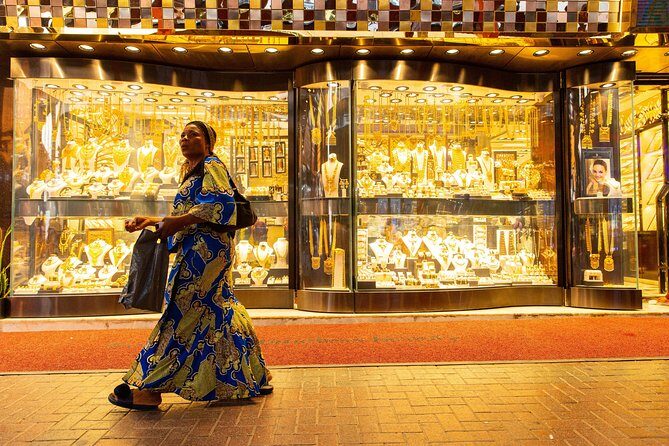
- Gold Souk: Tax-Free Shopping Streets and What to Watch For
- Spice Souk: The Senses Part of the Tour (Not Just the Sights)
- Food, Camel Milk Drinks, and the Value of Included Stops
- Price and Timing: $23 for 3 Hours That Actually Uses Your Feet
- Group Size, Private Option, and Matching Your Pace
- What to Bring (and What to Skip) for Old Dubai Comfort
- The Guides: A Big Part of Why This Tour Gets Top Marks
- Should You Book This Old Dubai Walking + Abra Tour?
- FAQ
- How long is the Old Dubai walking tour?
- How much does the tour cost?
- Where do I meet the guide?
- Is the Abra water taxi included?
- What’s included in the tour besides the guide?
- What languages are available for the live guide?
- Can I book a private tour instead of a small group?
- Is hotel pickup and drop-off included?
- Are baby strollers or luggage allowed?
- What should I bring and wear?
- FAQ
- Is there free cancellation?
- Can I reserve now and pay later?
Key Highlights You’ll Actually Notice
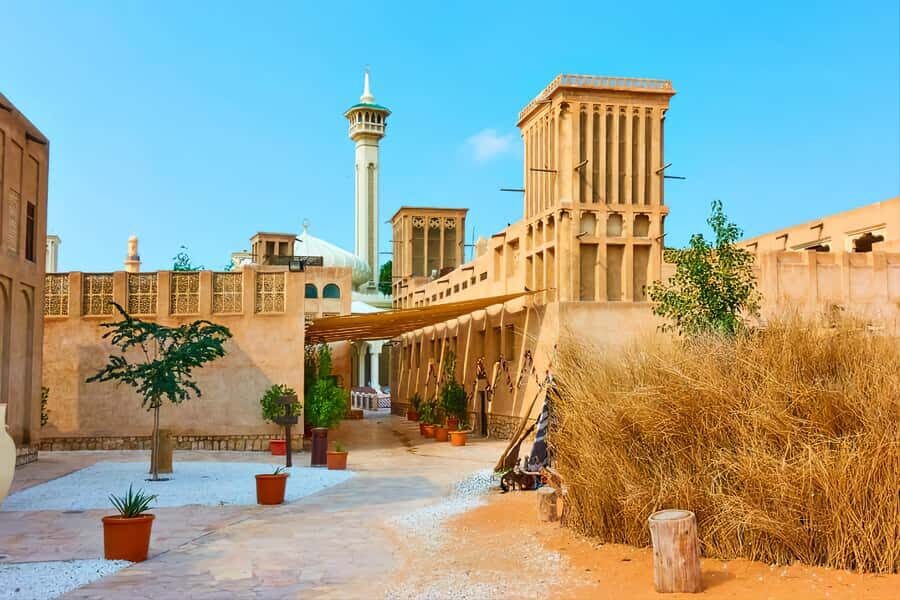
- Old Dubai views, from traditional houses to wind-tower architecture
- Smells and tastes from the spice market area (plus included drinks and food)
- Al Fahidi District stop with cultural venues, including the coffee museum area
- Abra water taxi crossing across Dubai Creek for the classic “right-in-the-middle” view
- Gold Souk visit with access to a massive concentration of tax-free gold retailers
- Small-group or private option so the pace can fit your day
Old Dubai Walk: Why Souks + Abra Beat a Phone-Photo Route
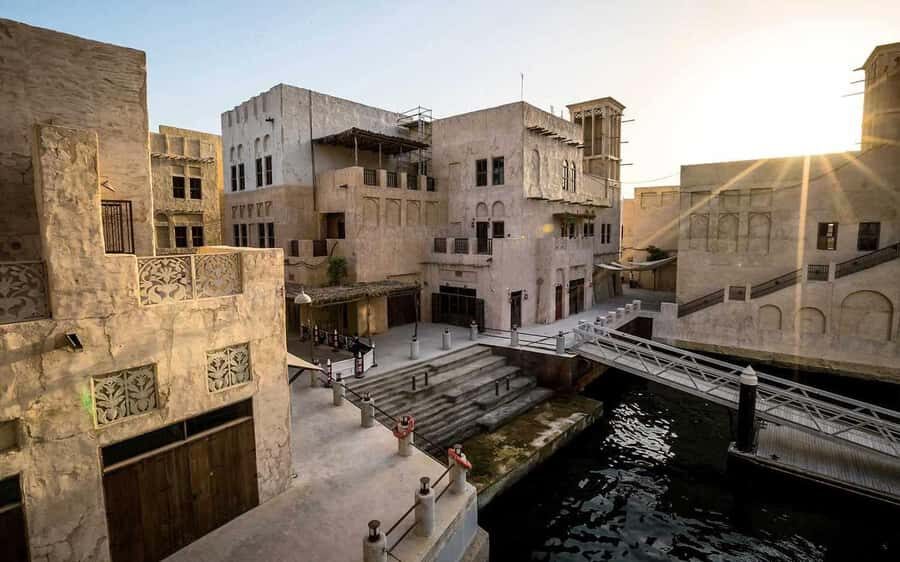
Dubai gets a lot of hype for its modern skyline. This tour does the opposite on purpose. You start in the older neighborhoods where the street layout, building styles, and market habits still feel like the city’s earlier rhythm.
What makes it work is the pacing. You’re not stuck in one museum room all day. Instead, you stitch together architecture, then textile and gold shopping streets, then a creek crossing that changes your perspective fast.
And the best part? You’re not just looking—you’re sensing. Expect the smells of spices and coffee as you walk, and you’ll get included food and drinks that keep the experience from feeling like pure sightseeing.
You can also read our reviews of more walking tours in Dubai



Getting Started at Sharaf DG Metro Exit 4
The meeting point is Sharaf DG metro station, Exit No 4. It’s a good choice because it’s simple to reach by metro or taxi, and you’re not hunting around in a maze of back streets.
Your guide will be waiting in licensed-tour-guide gear. That matters here because the Old Town can feel busy and crowded near the souks, especially around peak shopping hours.
If you’re using public transit, give yourself a little buffer time. Metro navigation can be straightforward, but exits and street crossings in this area still take a few minutes to get your bearings.
Al Bastakiya and Al Fahidi: Traditional Architecture That Still Has a Job
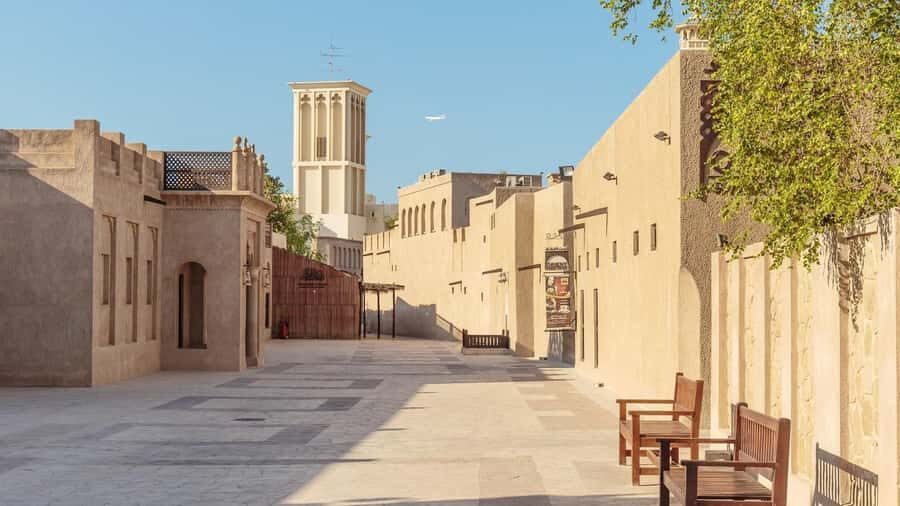
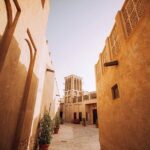
Your tour begins in the Al Bastakiya area with time for photos and a guided walk. This is where the “Old Dubai” idea becomes real. You’ll see the kind of Arabian-style architecture that shaped the district long before the high-rises.
A key reason I like this stop: the buildings aren’t just decorative. They’ve been adapted into cultural venues like museums, art galleries, and events spaces. So you’re not only sightseeing—you’re seeing how heritage can stay useful.
You’ll also have a chance to view the Al Fahidi Fort area from outside. Even without going deep into every room, the mix of historic walls and the surrounding neighborhood gives you context for what Dubai was protecting and building around.
Old Mosque Area and Dubai’s Old Wall Remains
Next, you pass by the Old Mosque and continue toward the remains of Dubai’s Old Wall, built around 1800 AD. This is the kind of stop that’s easy to overlook if you’re just chasing photos—but it’s worth slowing down for.
Here’s why: the wall remains help explain why the Old Town developed the way it did. Market routes, neighborhoods, and daily movement often followed the logic of protection and access. Even a short look adds a layer of meaning to the streets you’ll walk later.
The Old Mosque area also helps you understand the environment beyond shops. It reminds you this district isn’t a theme park. It’s part of a real, lived-in city culture.
Dubai Museum, Textile Souk, and Al Souq Al Kabeer: The Fabric of Everyday Life
As you head toward the Dubai Museum area, you’ll see relics and artifacts that show Emirati civilization across time. This isn’t about memorizing dates. It’s about getting a baseline—so the markets that come next feel less random.
From there, you move into market streets, starting with the Textile Souk. Textile markets are a great Old Dubai lens because fabric trade connects many parts of life: clothing, household needs, and status. Expect a strong mix of color and display styles as you walk through.
Then comes Al Souq Al Kabeer for a guided stop. This is one of those areas where your guide matters. Without context, it’s easy to treat it like “just shops.” With a guide, you start to notice the structure of the place: where the trade clusters, how people move, and what locals seem to value.
If you like getting your bearings fast, this part of the tour is designed to do that.
You can also read our reviews of more boat tours in Dubai





Dubai Creek by Abra: That 15-Minute Boat Ride Changes Everything
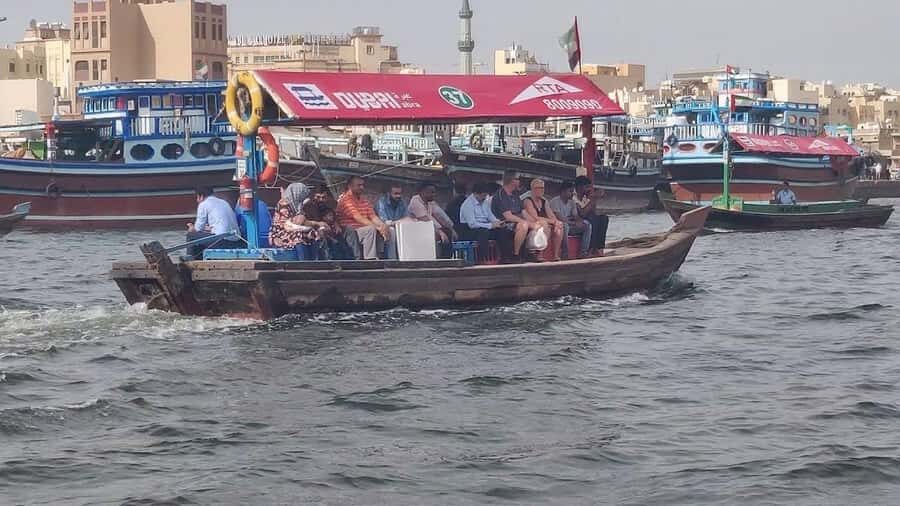
After walking through the Old Town streets, you cross Dubai Creek by Abra water taxi. It’s only about 15 minutes, but it’s a major shift in the experience.
Why it matters: it breaks the “only-walking” rhythm. You get a different viewpoint of Dubai—one that’s harder to replicate from a street-level promenade. It also signals you’re moving between distinct sides of the city, not just moving to the next shop.
The tour also includes local food before you cross. That’s a smart move because it keeps energy up when your schedule is mostly outdoors.
For most people, this is the moment the tour feels like a real day out in Dubai instead of a checklist of stops.
Gold Souk: Tax-Free Shopping Streets and What to Watch For
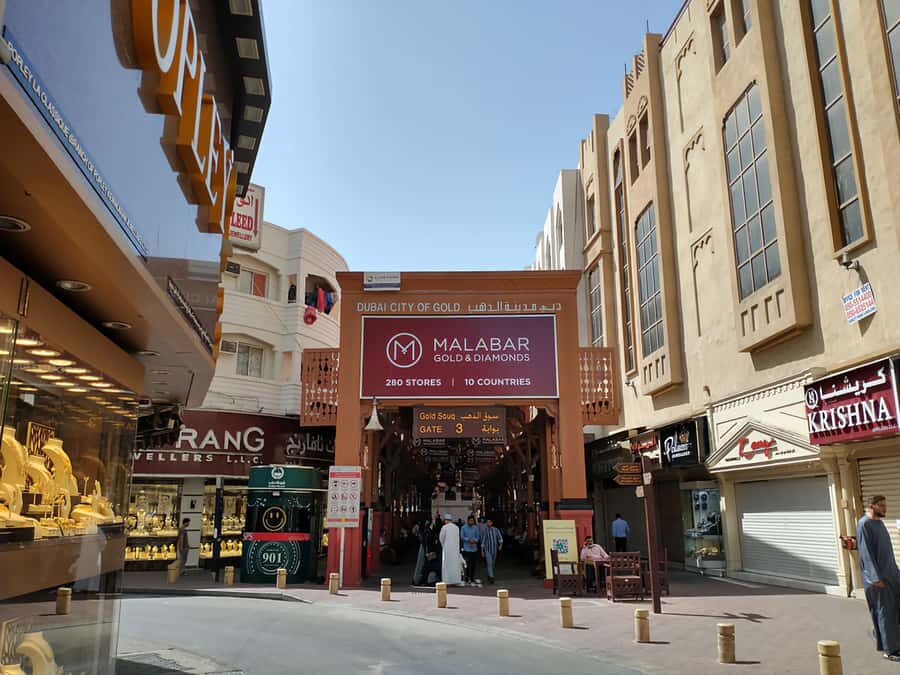
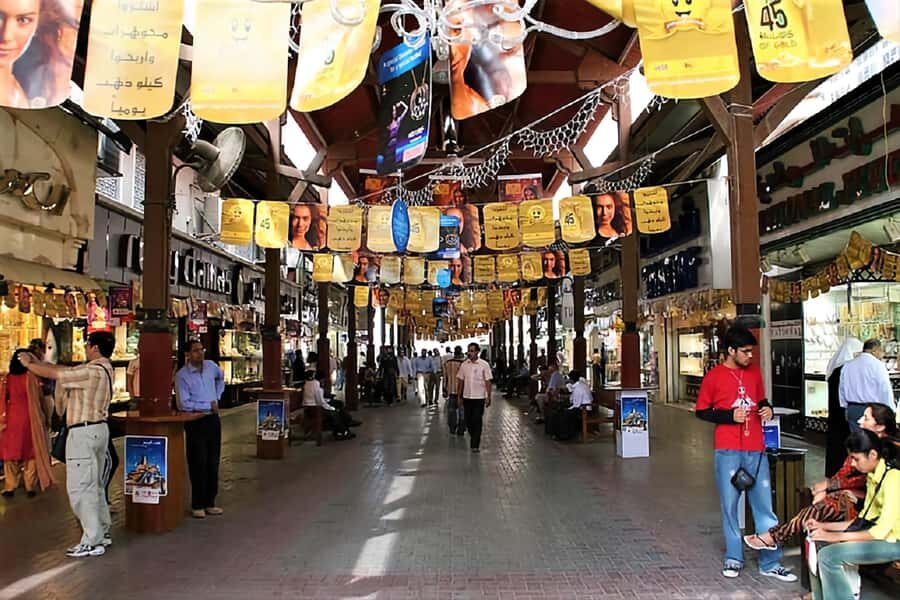
Crossing the creek sets you up for the Gold Souk. The tour highlights that the area has over 350 tax-free gold retailers. That number is the point: this is one of the densest gold-shopping zones you’ll see anywhere.
Here’s how to enjoy it without getting overwhelmed. Treat it like a walk-through museum, but with materials. Look at craftsmanship and variety first. If you’re shopping, use the guided time to learn how the market is organized so you’re not guessing where to go next.
Also, keep your expectations realistic. This is a marketplace. Some stalls can feel assertive or loud compared to quiet Old Town streets. The guide helps you stay oriented, and that makes the difference between frustration and fun.
Even if you’re not buying gold, the Gold Souk gives you the clearest snap-shot of Dubai’s trading identity.
Spice Souk: The Senses Part of the Tour (Not Just the Sights)
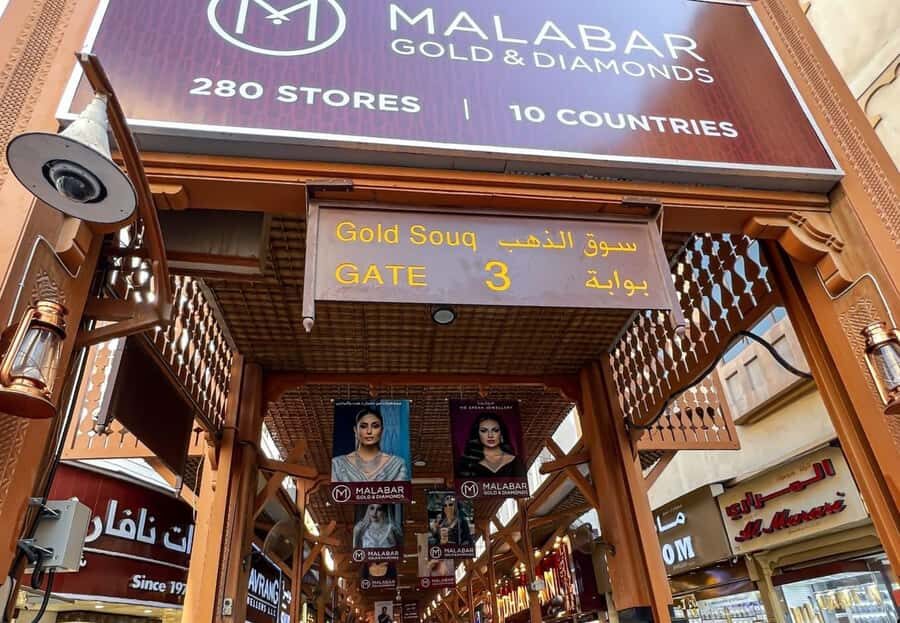
After the Gold Souk, you head to the Dubai Spice Souk area with a stop for photos, plus guided time. This is where the tour leans into what Old Dubai feels like daily.
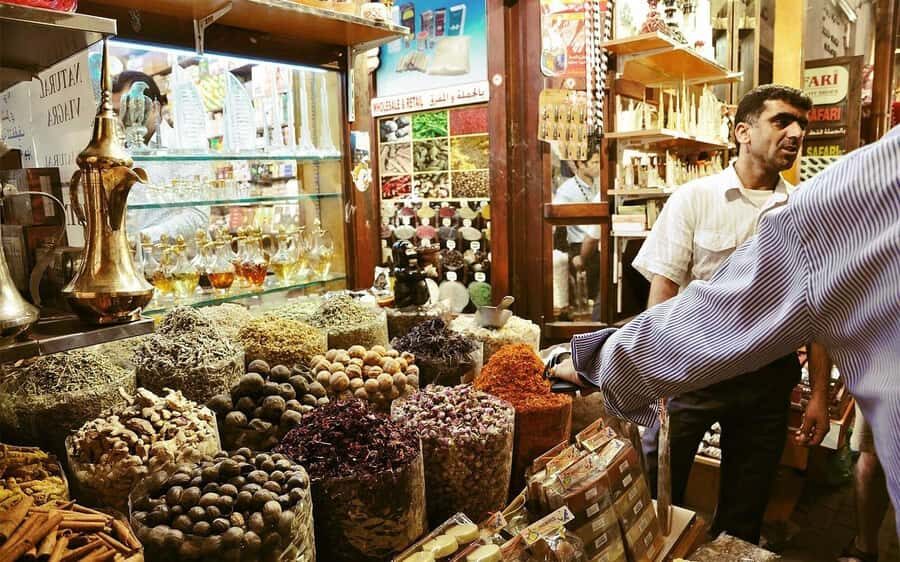
Expect strong smells of spices and coffee as you walk through. The spice market doesn’t work as well from a distance. You need to get close to notice the mix of colors, packaging, and vendor display style.
You’ll also have included water, which helps because this is the part where the sun and foot traffic can catch you off guard. If you’re sensitive to heat, you’ll appreciate the built-in pacing and the chance to pause while the guide explains what you’re looking at.
Food, Camel Milk Drinks, and the Value of Included Stops
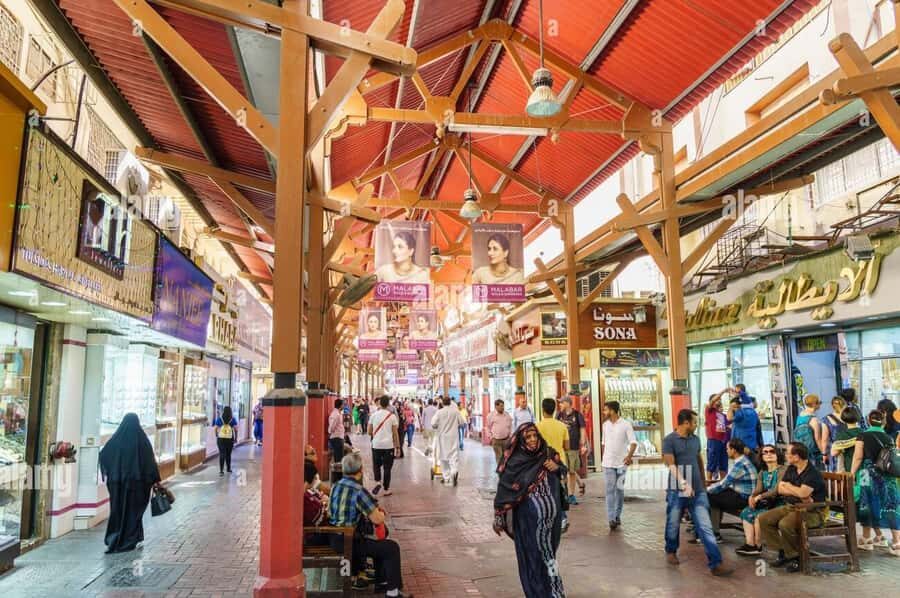
One of the simplest reasons this tour feels good for the price is what’s included. You get a licensed tour guide, camel milk tea, camel milk chocolate, local food, water, and the Abra ride.
That’s not just “free extras.” It supports the experience. Market walks can turn into a grind if you’re thirsty or hungry. Included snacks and drinks keep the walking comfortable and help you stay focused on the places, not your discomfort.
Camel milk items are also a fun cultural angle, especially if you’ve never tried them. If you’re unsure, the chocolate version is usually easier to accept than drinks, but your guide can steer you toward what fits your taste.
Price and Timing: $23 for 3 Hours That Actually Uses Your Feet
At $23 per person for about 3 hours, the value comes from the mix. You’re paying for more than a self-guided route. You’re getting guided interpretation in multiple market zones, plus the Abra crossing and included tastings.
This matters because Dubai’s Old Town isn’t only about the final destination. It’s about the connections: architecture to history, souks to trade, and then the creek crossing to show how the city is laid out.
So the price makes sense if you:
- want a guided sense of place, not just photos
- like walking and sensory stops
- don’t want to separately arrange a creek water taxi experience
It might feel less attractive if you prefer slow museum time, or if you’d rather do shopping at your own pace without group timing.
Group Size, Private Option, and Matching Your Pace
You can choose between a private experience or a small-group tour. Private can be great if you’re traveling with kids, older relatives, or you want more control over breaks and pace.
If you choose private, pickup and drop-off are available from anywhere in Dubai, including the airport or hotels. That’s a real convenience if you don’t want to deal with metro exits, especially after a long flight day.
Small-group tours are often the best balance for people who want a social energy but still want the guide to explain things clearly. Many guides keep checking in, which helps when you’re navigating crowded market streets.
What to Bring (and What to Skip) for Old Dubai Comfort
Old Dubai rewards comfortable planning. Bring:
- comfortable shoes
- sunglasses
- a sun hat
- comfortable clothes
Leave at home anything that slows you down. The tour doesn’t allow baby strollers or luggage/large bags. That’s for safety and crowd-flow reasons.
Also note: this tour is not suitable for people with mobility impairments or wheelchair users. The route includes walking on uneven, busy streets and market areas.
The Guides: A Big Part of Why This Tour Gets Top Marks
English and German are offered, and the guide is licensed. That’s the baseline.
In the feedback, guides like Muhammad, Aqib Abbas, Hassan, Abdullah, Mazher, Ikram, Ehsan, and Shahzad show up repeatedly for being friendly, organized, and strong with story-based context. The common thread is how they handle pace and questions—especially helpful when you’re trying to understand a place that can look chaotic from the outside.
If you care about learning, pick the guide language you feel most comfortable with. It’s the difference between hearing “facts” and actually understanding why the neighborhood looks and behaves the way it does.
Should You Book This Old Dubai Walking + Abra Tour?
Book it if you want a first-time-friendly route through Old Dubai that includes the key sensory stops: souks, spice smells, gold lanes, and the Abra creek crossing. The included drinks and food also reduce the hassle of planning your day around what to eat and where to cross the creek.
Skip it (or at least consider another format) if:
- you need wheelchair-friendly access
- you’re traveling with a stroller or bulky luggage
- you hate walking in warm weather and sun
- you’d rather shop without timing or guided direction
If your goal is to understand how Dubai used to function—through trade, architecture, and everyday market life—this is a smart use of three hours.
FAQ
How long is the Old Dubai walking tour?
The tour lasts 3 hours.
How much does the tour cost?
The price is $23 per person.
Where do I meet the guide?
Meet at Sharaf DG metro station, Exit No 4. The guide will be waiting there wearing a tour guide licence.
Is the Abra water taxi included?
Yes, the Abra water taxi trip is included.
What’s included in the tour besides the guide?
Included items are camel milk tea, camel milk chocolate, Abra water taxi, local food, and water.
What languages are available for the live guide?
Live guide languages include English and German.
Can I book a private tour instead of a small group?
Yes, private group options are available.
Is hotel pickup and drop-off included?
Hotel pickup and drop-off are not included unless you select the private option.
Are baby strollers or luggage allowed?
No. The tour does not allow baby strollers or luggage/large bags.
What should I bring and wear?
Bring comfortable shoes, sunglasses, and a sun hat, and wear comfortable clothes.
FAQ
Is there free cancellation?
Yes, you can cancel up to 24 hours in advance for a full refund.
Can I reserve now and pay later?
Yes, there is a reserve now & pay later option.