REVIEW · DUBAI
Dubai: Discover Dubai Old Town, Souks, Museum & Street Food
Book on GetYourGuide →Operated by Royal Eagle Tourism LLC. · Bookable on GetYourGuide
Old Dubai tastes better on foot. You get a guided loop through the oldest streets, with museum stops and market time, plus a traditional Abra boat crossing that helps you see the creek from a different angle. I especially like how the tour connects landmarks (fort, heritage area, mosque) with what people actually do there each day, from shopping to sipping.
Two things I like a lot: the street-level pace through Al Fahidi Fort and the Bastakiya area, and the way you sample the souk experience in a practical order—coffee/tea stops first, then souks, then the Abra hop over to the spice and gold markets. For a short visit, that flow helps you get your bearings fast and avoids the usual wandering-with-a-map feeling.
One consideration: if you’re going during Ramadan, street food, coffee, and tea aren’t provided. The tour still runs as a cultural walkthrough, but the food part changes, so plan accordingly.
In This Review
- Key highlights that make this tour worth your time
- Walking Dubai’s Old Town the way locals do it
- Al Seef start to Al Fahidi Fort: where the old streets start talking
- Dubai Museum, Coffee Museum, and the oldest mosque stop
- Al Souq Al Kabeer and Grand Souk time: shopping with a plan
- Bur Dubai Abra dock to Spice Souk: the creek changes everything
- Gold Souk finale: how the market experience lands at the end
- Guides who keep it human: what Hesham and Abdullah add
- Price and value: what $16 buys in 3 hours
- Practical tips: cash, shoes, and Ramadan food rules
- Who should book—and who should skip this walking loop
- Should you book this Old Town, Souks, Museum & Street Food tour?
- FAQ
- Where is the meeting point?
- How long is the tour?
- What’s included in the food and drinks?
- Does the tour include a boat ride?
- Is pickup and drop-off included?
- What should I bring?
Key highlights that make this tour worth your time
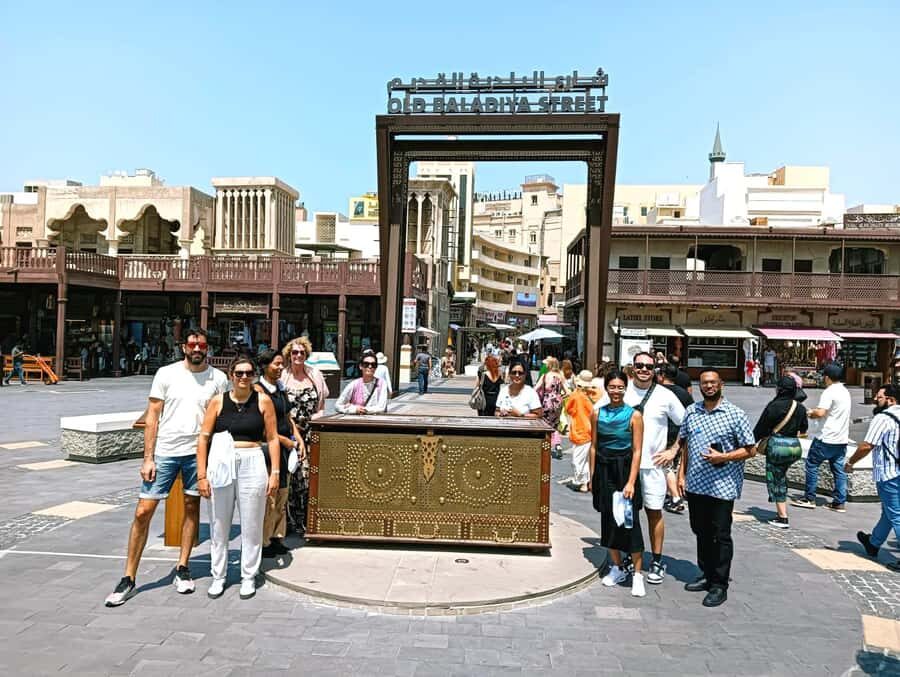
- Three souks in one route: Al Souq Al Kabeer, the Spice Souk, and the Gold Souk without jumping around the city.
- Abra ride over Dubai Creek: a quick boat moment that turns the market area into a real visual change of scene.
- Food and drink tastings included: Arabic coffee, tea, water, refreshing beverages, plus camel milk chocolate.
- Museum and heritage stops: Dubai Museum, the Coffee Museum, and time around the heritage district for local context.
- Most popular market energy, controlled: free time at the Grand Souk so you can choose what you want to taste and buy.
- Guide storytelling with real answers: guides like Hesham and Abdullah are specifically praised for explaining culture and taking questions.
Walking Dubai’s Old Town the way locals do it
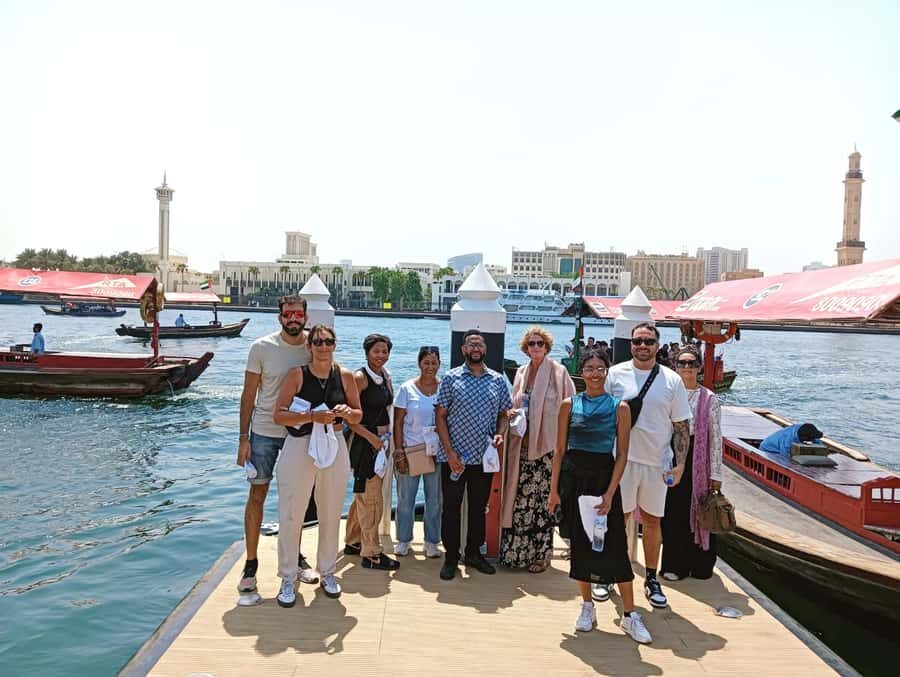
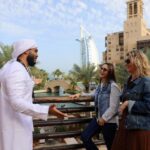
Dubai is famous for skyline fireworks and luxury malls, but the old side of town tells a different story. This tour focuses on the earlier Dubai: the creek trade area, the narrow streets, the heritage neighborhoods, and the market culture that made the city grow.
What makes it work is the mix of viewpoints. You don’t just stand in front of a landmark and move on. You walk from place to place, then taste, shop, and cross the water so the city keeps changing right under your feet. For a first-timer, it’s one of the fastest ways to understand why the souks matter.
You can also read our reviews of more food & drink experiences in Dubai
Al Seef start to Al Fahidi Fort: where the old streets start talking
You begin at Wokyo Noodle Bar in Al Seef, near the creek. That’s a smart starting point because you’re already in the area where you’ll keep hearing the same theme: Dubai’s past is tied to water, trade, and neighborhoods built for daily life.
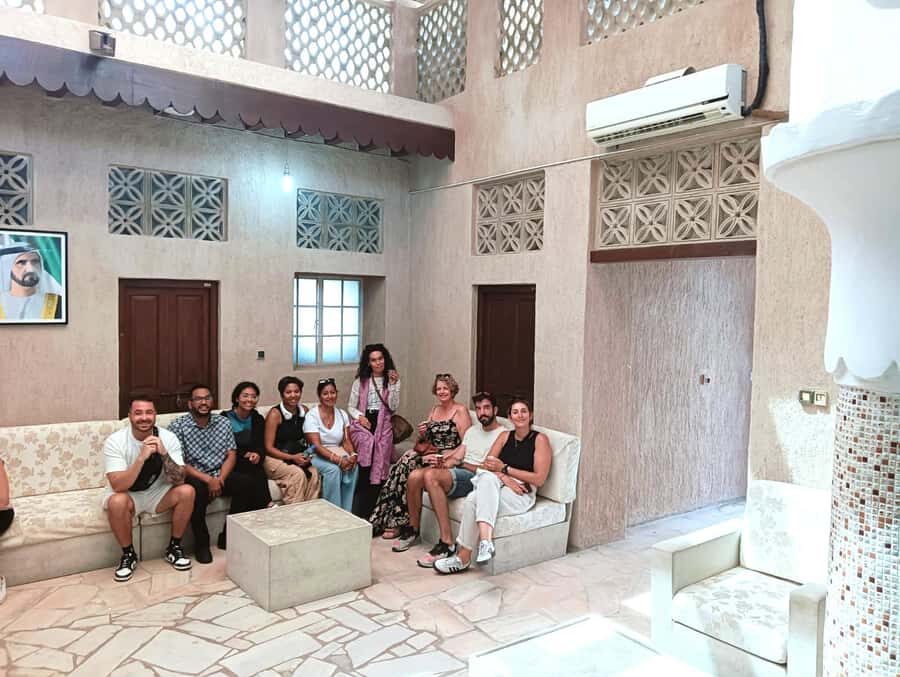
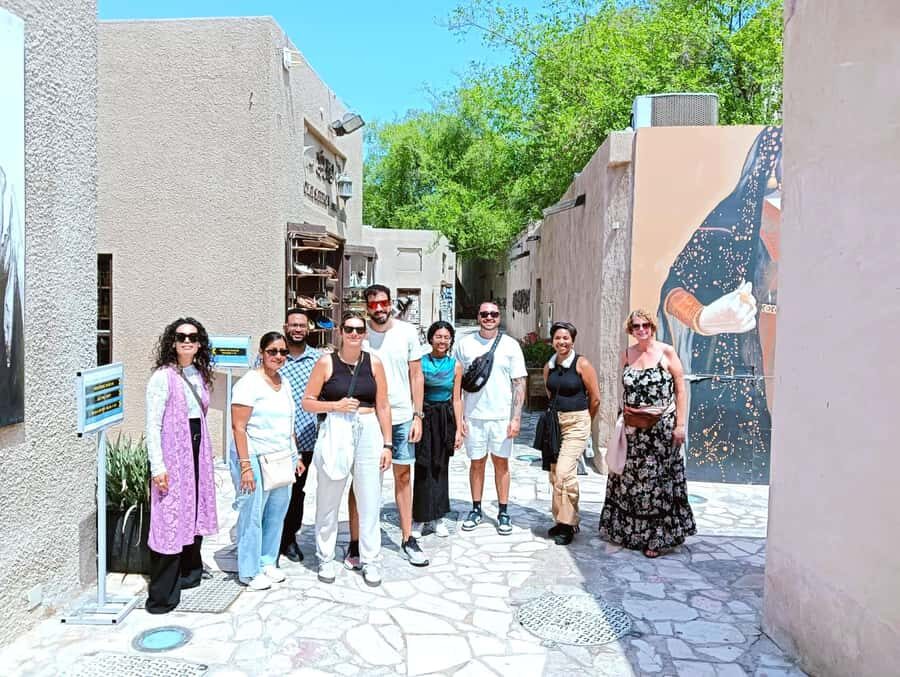
From there, the walk shifts toward Al Fahidi Fort and the Al Bastakiya area. These stops are about scale and texture. You get photo moments, guided context, and a sense of how old Dubai was laid out before modern high-rises took over most skylines. The fort stop helps you understand the region’s defensive needs and the role of the creek-era settlements, while Bastakiya adds the “human scale” you miss if you only look at big monuments.
Practical tip: wear comfortable shoes. This is a walking tour, and even a few hours can feel longer when you’re stopping often for photos and short explanations.
Dubai Museum, Coffee Museum, and the oldest mosque stop
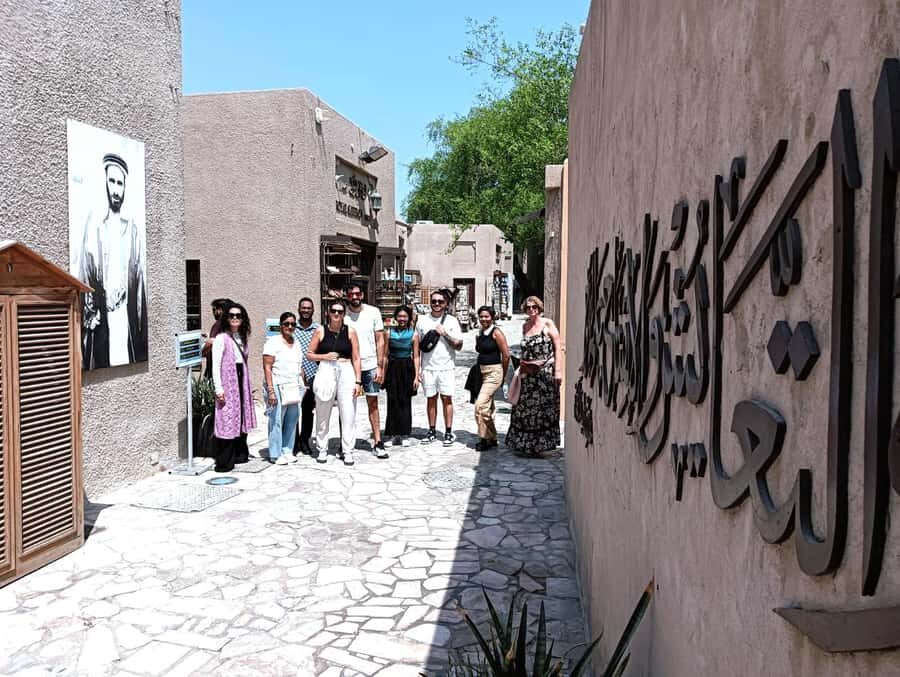
One of the tour’s best features is that it doesn’t treat culture like a speed bump. After the heritage streets, you move into the museum-and-traditions rhythm.
You’ll visit Dubai Museum, pass the Coffee Museum, and then go by the Arabian Tea House, which is described as a well-known restaurant for local food. You also spend time around Dubai’s oldest mosque, with your guide sharing religious facts as you go. That matters because it helps you understand what you’re looking at beyond architecture—what the space means, how people observe it, and why visitors should approach respectfully.
I like that the tour places the food-and-drink stops alongside the cultural stops. That way, your tastes make sense. Arabic coffee isn’t just a drink at a checkpoint—it becomes part of hospitality and everyday custom as your guide explains the context.
Al Souq Al Kabeer and Grand Souk time: shopping with a plan
Next comes the market section, and it’s where the tour turns practical.
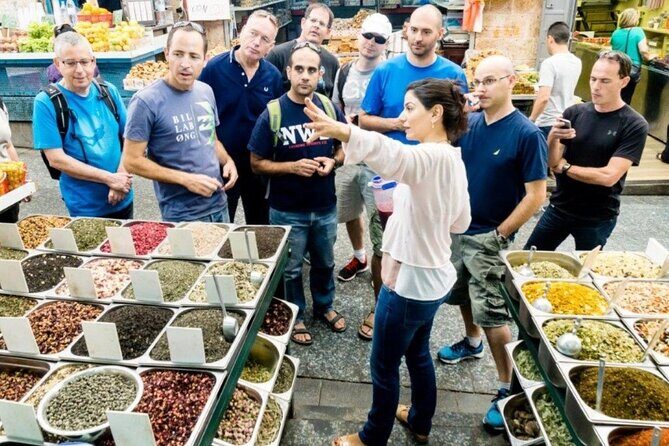
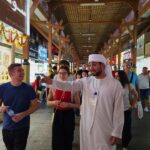
You’ll pass Al Souq Al Kabeer with a mix of guided explanations and photo stops. Then you’ll work your way toward the Grand Souk area, where the tour builds in free time. This is where you can slow down a bit and choose what you want to try.
Your included tastings for this part include tea and street-food-style options, plus the camel milk chocolate tasting. Even if you’re not a big sweets person, it’s a useful bite because it’s distinct and you’ll understand why it shows up in the market loop.
The “shopping with a plan” angle is important. Souks can be chaotic if you go in blind. Having a guide and a route means you can focus on what you actually want—spices, gold items, or just the feel of the stalls—without feeling like you’re constantly hunting for the next landmark.
Bur Dubai Abra dock to Spice Souk: the creek changes everything
A standout moment here is the traditional Abra boat ride from the Bur Dubai dock area. This isn’t a theme-park photo op. It’s a short crossing that helps you see Dubai as a connected system: old neighborhoods on both sides of the creek, market areas built around water access, and a waterfront view that makes the walking feel more worthwhile.
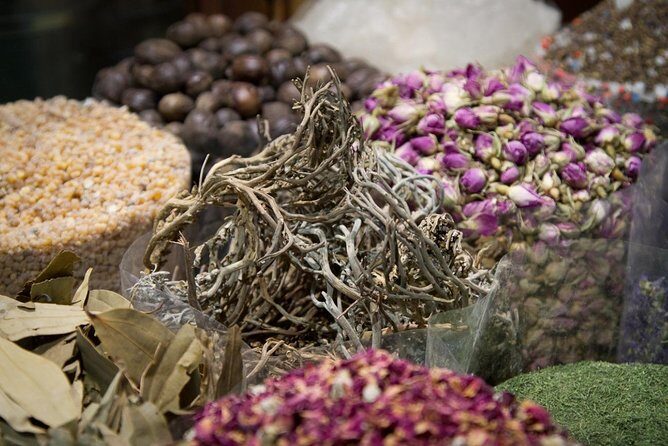
After the boat ride, you head into the Spice Souk with guided explanations and photo stops. The spice area is a sensory stop—smells, colors, and layers of ingredients. Even if you don’t plan to buy anything, you’ll learn how the shops work and what spices are used for locally.
Here’s how I’d use this time: treat the Spice Souk as your “learning and sampling” zone. If you want to ask questions about quality, uses, or how things are packaged, this is the moment to do it while your guide is right there.
A few more Dubai tours and experiences worth a look
Gold Souk finale: how the market experience lands at the end
The tour ends at the Gold Souk, which is billed as one of the biggest gold markets in the world. Whether you love gold or not, the real point of ending here is that the market becomes a climax.
Your route includes photo stops and guided context as you approach the gold area, so you’re not just arriving into a wall of shops and shiny things. You’ll have already seen how the souks are organized, how bargaining culture tends to work in practice (at least at a basic level), and how spices and teas fit into the broader “trade and hospitality” idea.
The finishing arrangement is also practical: once you’re done, you’re already where people want to linger. If you want to continue browsing on your own, you can. If you want to head back quickly, it’s easier because you end in the most central souk cluster for that area.
Guides who keep it human: what Hesham and Abdullah add
A walking tour lives or dies on the guide’s pacing and clarity. In the information provided, Hesham and Abdullah are specifically praised for being upbeat, informative, and responsive to questions. That matters in old Dubai, because the streets and buildings can look similar if you don’t have help placing them in context.
I also like that the guide work described here isn’t only facts. It’s cultural interpretation—how Emirati lifestyle shows up in daily habits like hospitality (coffee/tea), market behavior, and respect around sacred spaces. If you’re the type who asks why things are arranged a certain way, this format is a good match.
Price and value: what $16 buys in 3 hours
At about $16 per person for a 3-hour experience, this is strong value if you want a guided structure rather than self-guided wandering.
You’re getting:
- A live English-speaking guide
- Museum and heritage-area stops
- Market time across multiple souks
- Arabic coffee, tea, and water
- Camel milk chocolate tasting
- Traditional boat ride (Abra)
- Refreshing beverages
For me, the value calculation comes down to the included logistics. A boat ride isn’t hard to find in Dubai, but it’s not always timed well for tourists. Having it built into an efficient walking route saves time and keeps your day from turning into transit-chasing.
The only real trade-off is that pickup and drop-off aren’t included. If you’re staying far from Al Seef or Bur Dubai, you’ll want to budget time to get to the meeting point on your own.
Practical tips: cash, shoes, and Ramadan food rules
Before you go, keep a few practical points in mind.
- Bring cash. Market time is central here, and having cash helps if you want to buy small items or pay without scrambling.
- Wear comfortable shoes. You’ll be walking through heritage streets and market areas with frequent stops.
- If you’re visiting in Ramadan, street food, coffee, and tea are not provided. That doesn’t ruin the tour’s cultural value, but it changes what you’ll get to eat and sip.
Also note: the tour is listed in English, and you should expect a guided walking format, not a sit-down museum-only day.
Who should book—and who should skip this walking loop
This tour fits best if you:
- Want old Dubai in a short timeframe
- Like guided context more than clicking photos and guessing
- Enjoy markets and food tastings
- Want a structured route that includes an Abra crossing
It may not be ideal if:
- You’re over 95 years old (not suitable per the activity info)
- You’re hearing-impaired (not suitable per the activity info)
- You need minimal walking or very slow pacing
If you’re sensitive to crowds, markets can feel busy even with a guide organizing the flow, especially at the souks. But the guide-led pacing usually keeps things manageable.
Should you book this Old Town, Souks, Museum & Street Food tour?
I’d book it if you want a well-structured intro to Dubai’s older neighborhoods—fort, heritage areas, museum context, and then the souks with tastings and an Abra ride. The $16 price makes it an easy add-on for people who are already doing classic Dubai in the same week.
Skip it (or at least adjust expectations) if you’re going during Ramadan and specifically want the street food and coffee/tea experience as described. In that season, the cultural walkthrough matters more than the tasting component.
If you want to experience old Dubai without spending your whole afternoon wandering, this tour gives you a clean path—and it ends in the Gold Souk so you can keep exploring on your schedule.
FAQ
Where is the meeting point?
Meet your guide at Alfahidi Abra Station, at Wokyo Noodle Bar, House Number 10, Dubai Creek – Al Seef St (Umm Hurair 1), in Bur Dubai.
How long is the tour?
The duration is 3 hours.
What’s included in the food and drinks?
Arabic coffee, tea, water, camel milk chocolate tasting, and refreshing beverages are included. During Ramadan, street food, coffee, and tea are not provided.
Does the tour include a boat ride?
Yes. You’ll take a traditional Abra boat ride across Dubai Creek.
Is pickup and drop-off included?
No. Pickup and drop-off are not included.
What should I bring?
Bring cash and wear comfortable shoes.