REVIEW · DUBAI
Dubai Old Town Walking Tour with Abra ride, Spice and Gold Souk
Book on Viator →Operated by F H Tourism · Bookable on Viator
Old Dubai feels close and personal. This tour threads together the Old Dubai streets and landmarks, then tops it off with an Abra ride across Dubai Creek.
I like that the guide connects real places to the way Dubai used to work, from Al Fahidi Fort to the local temple community. I also like the shopping time built into each stop, especially Textile, Spice, and Gold Souk, where you can practice bargaining without rushing.
One thing to consider: the plan is fairly compact for about 2 to 3 hours, so if you want slow, museum-style pacing or you dislike markets and sales talk, a few stops may feel too shop-heavy.
In This Review
- Key things to know before you go
- Al Fahidi and the Creek: why this Old Dubai route works
- Start at Local House (Al Fahidi) and get oriented fast
- Al Fahidi Historical Neighbourhood and Fort: wind towers and 1780s walls
- Shiva Temple in Bur Dubai: religion as part of everyday city life
- Textile Souk: fabrics, shawls, and how to bargain without stress
- Abra across Dubai Creek: the short ride that changes everything
- Spice Souk: follow your nose, then use the guide to shop smart
- Gold Souk: big jewelry choices and price reality checks
- Price and value: what $86.53 includes (and why it adds up)
- Who should book this, and who should skip it
- Should you book this Old Town Dubai tour?
- FAQ
- FAQ
- How long is the Dubai Old Town walking tour with Abra ride?
- What does the tour price include?
- Where does the tour start and end?
- Is there an Abra ride across Dubai Creek?
- Is this tour private?
- What is the cancellation policy?
Key things to know before you go
- Al Fahidi’s wind-tower architecture: you’ll see barjeel-style cooling towers and traditional building materials explained on site
- Old fortress context: the Fort stop is tied to Dubai’s early political center
- A proper temple visit: the Dubai Hindu Temple complex is included with time to look around respectfully
- Souk time is real time: Textile, Spice, and Gold stops are set aside for shopping, not just window looking
- Abra across Dubai Creek: an affordable, classic ferry ride that changes how the city feels
- Food and drinks included: bottled water plus coffee and/or tea and snacks keep you going between stops
Al Fahidi and the Creek: why this Old Dubai route works
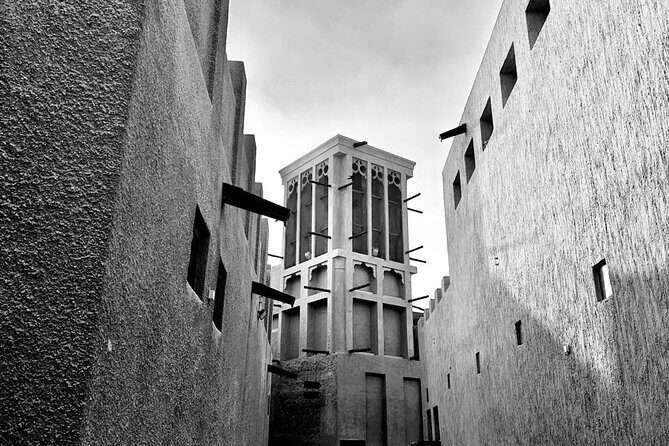
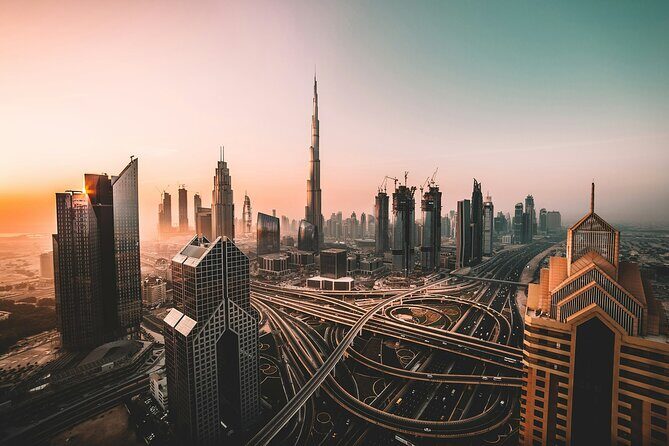
Dubai’s modern skyline can be overwhelming. This tour gives you a different starting point: the older neighborhood where street width, building style, and water routes still shape the day. You’ll walk through areas that feel designed for shade, with narrow lanes and heritage buildings that explain how daily life functioned long before big malls and metro hubs.
The other big reason I like this route is the pacing. You’re not only indoors or only shopping. You get a walking circuit, a short cultural stop, then a classic public-transport-style ferry across Dubai Creek, followed by the Spice and Gold Souks. That mix helps you understand Old Dubai as more than one photo stop.
You’ll also benefit from having a licensed local guide leading the transitions. When you’re moving between old neighborhoods and high-sales markets, the guide’s role is practical: where to stand, what to look for, and how to ask questions without getting lost.
You can also read our reviews of more walking tours in Dubai


Start at Local House (Al Fahidi) and get oriented fast
The meeting point is Local House Restaurant in the Al Fahidi area (65 Al Fahidi St, Bur Dubai). The tour ends at the Dubai Gold Souk, and the guide will help you find the nearest metro station or taxi stop so you’re not stranded after the final market.
Why that matters: Al Fahidi is one of the easiest places to begin for an Old Dubai walk because it’s close to the historic core. Starting there means your first steps are already in the “right” atmosphere—stone-and-plaster textures, older streets, and the kind of architecture you can’t really replicate anywhere else in the city.
This is also set up as a private experience, meaning it’s only your group. That usually helps for three things: better questions, less waiting around, and a smoother pace when you want to pause for photos or clarification. If your group includes kids, or you’re traveling with older relatives, a private setup can make the walking feel more manageable because you’re not trying to match a large crowd.
Al Fahidi Historical Neighbourhood and Fort: wind towers and 1780s walls
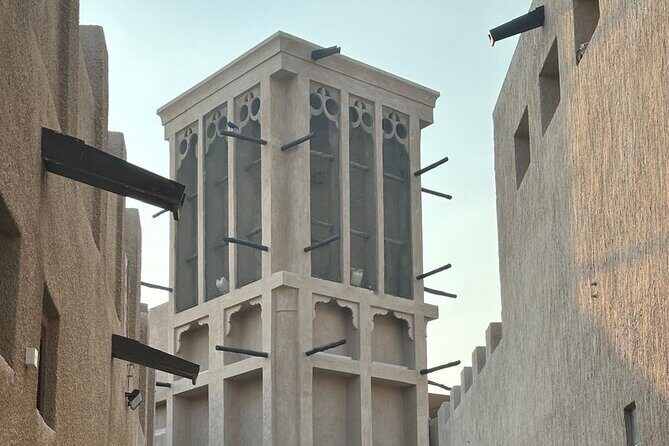
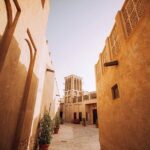
Your first major stop is the Al-Fahidi Historical Neighbourhood, where you’ll see traditional building design laid out in real space. The area is described as reflecting life from the mid 19th century through the 1970s, with high-air towers known as barjeel. The tour also points out traditional building materials like stone, gypsum, teak, sandal wood, and palm-related fronds and wood—details that make the place feel specific rather than generic.
If you’ve ever wondered why old neighborhoods look the way they do, this stop answers that. Those tower-and-courtyard choices weren’t decoration. They’re part of how people adapted to heat and how homes were arranged around airflow and shade.
Then there’s the Fort component: the oldest building in Dubai dating to the 1780s, described as a fortress and linked to the center of politics in Old days. Even if you only spend a short time there, it changes your understanding of the neighborhood. Al Fahidi isn’t just quaint street scenery; it’s tied to the city’s early power and decision-making.
Admission tickets are included at these heritage stops, so you’re not juggling extra lines or figuring out what costs extra.
Shiva Temple in Bur Dubai: religion as part of everyday city life
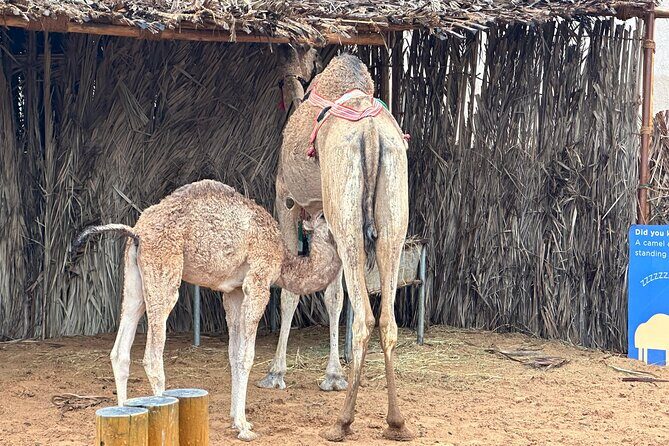
Next comes the Dubai Hindu Temple stop, dedicated to the Hindu community in the UAE. You’re given a short, respectful visit window (around 10 minutes), and the tour context matters here: it’s not presented as a distant spectacle. The temple complex was initially established in 1958 in Bur Dubai, and the tour notes key sections such as Shiva Mandir, Krishna Mandir, and Gurudwara.
For me, this is one of the most valuable parts of the route because it broadens what “Old Dubai” means. Old neighborhoods are cultural networks, not just markets and boats. Seeing a temple in the middle of a working city neighborhood helps you understand that Dubai’s story includes migration, community building, and long-term presence—not just trade routes.
If you go, keep it simple: dress respectfully, keep voices down, and let your questions come from curiosity. A good guide will frame what you’re seeing without turning it into a lecture.
Textile Souk: fabrics, shawls, and how to bargain without stress
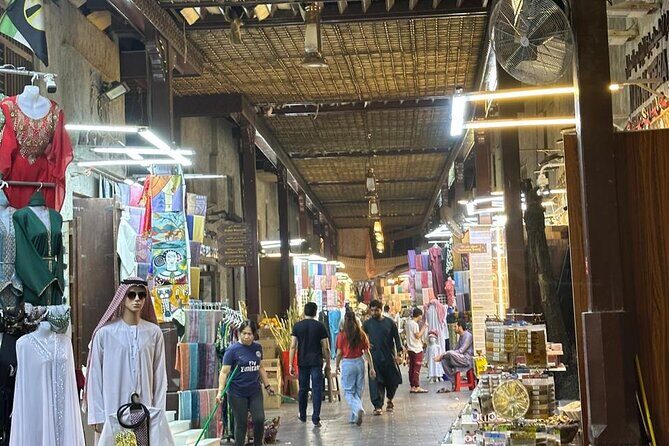
From heritage stone and fort history, the tour shifts into color and commerce at the Textile Souk. The market is described as an old-style shopping spot with rainbow-hued colors, textures, weaves, and embroidery from around the world. You also get time positioned as a good place to buy textile products, shawls, and souvenirs.
This is where shopping strategy helps. The tour’s advice is blunt but useful: bargain. That doesn’t mean being aggressive. It means using the time you have. If you see something you like, ask the price, compare nearby stalls, and negotiate calmly. The guide’s job is to help you navigate the process and understand what’s being offered.
A practical tip: if you’re the type who hates crowds and decision-making, Textile Souk can still be enjoyable if you treat it like a tasting menu. Look first, price check second, and only commit to purchases when you feel confident you’re comparing like with like.
This stop also helps set you up for the next two markets. Textile shopping is tactile. Spice shopping is sensory. Gold shopping is visual and financial. Each one tests a different skill.





Abra across Dubai Creek: the short ride that changes everything
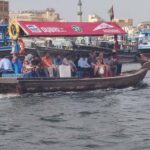
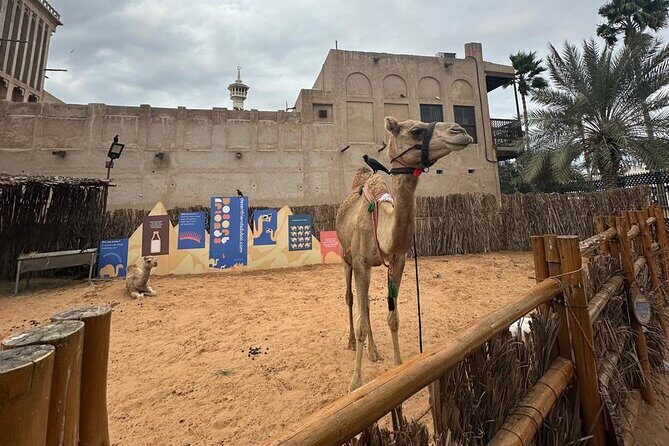
Then you hop over to the Bur Dubai Abra Station for a traditional ferry ride across Dubai Creek, crossing between Bur Dubai and Deira. The ride time is short (around 10 minutes), but it carries a lot of meaning for first-time visitors because it shows how people historically moved through the city.
The tour description calls it one of the most affordable and authentic experiences. I agree with that logic. You’re not paying for a novelty boat with a show. You’re using a traditional water route that locals still recognize.
This is also a smart break inside a walking-and-shopping day. Your legs get a reset, your eyes get a new viewpoint, and your brain stops treating everything as one long market corridor. On the other side of the creek, the air changes—spice notes, shop brightness, and the Gold Souk’s visual intensity all hit faster once you’ve crossed by water.
Abra ride details are included, which keeps the experience from turning into an extra expense hunt.
Spice Souk: follow your nose, then use the guide to shop smart
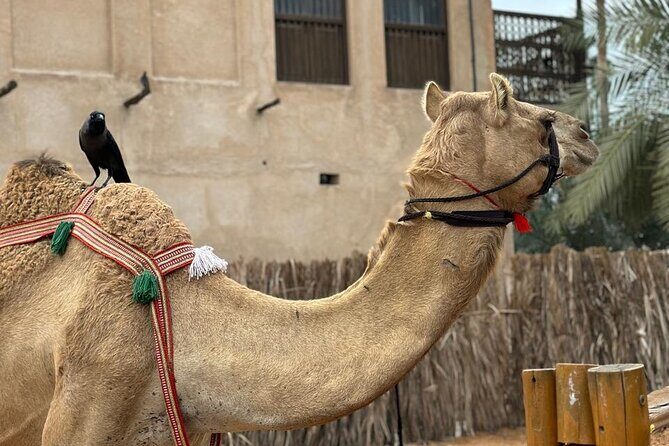
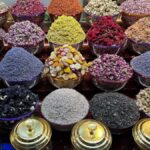
At the Dubai Spice Souk, the tour emphasizes the aroma as soon as you arrive. That’s not marketing fluff—spice markets work like perfume counters on a bigger stage. You’ll find a collection of spices and you’ll have dedicated time for shopping (around 20 minutes).
This stop is described as the oldest market of Dubai, so you’re not just buying souvenirs. You’re stepping into a market that still trades in the language of the city’s past: trade goods, scents, and practical bulk items.
Again, the key instruction is to bargain. In Spice Souk, it helps to think in categories:
- whole spices versus blends
- small taste-size buys versus bigger containers
- oils and perfume-style products versus typical gift packs
The guide’s value here is more than pointing at stalls. A good guide helps you compare what looks similar, understand why two jars might have different pricing, and avoid getting pulled into sales pressure. If you like buying gifts that actually smell like the place, this is where you do it.
And yes, you might leave with your clothes smelling like you just walked through a spice cabinet. That can be a bonus, depending on how much you love the memories.
Gold Souk: big jewelry choices and price reality checks

The final market stop is the Gold Souk, positioned as one of the largest gold markets in the world. You’ll spend about 20 minutes here and browse the enormous collection of shops and the variety of gold items. The tour description also mentions exceptionally reasonable prices, which is exactly why having help matters.
Gold shopping can get confusing fast because it’s part product, part negotiation, part personal preference. A guide can help you navigate the flow and keep your comparisons practical. In past tours with this operator, guides like Mansoor Ali and others have been noted for helping people negotiate and find a good price for jewelry, plus for helping the group move efficiently through the area.
One honest way to approach this stop: even if you’re not buying, treat it like a learning hour. Notice styles, price ranges, and the difference between simple pieces and more elaborate designs. If you do buy, decide on your budget before you start, then bargain with confidence.
If you hate jewelry shopping or feel uncomfortable around sales-heavy settings, you can still enjoy the visual side. But this tour will not be shy about ending in the middle of that world.
Price and value: what $86.53 includes (and why it adds up)
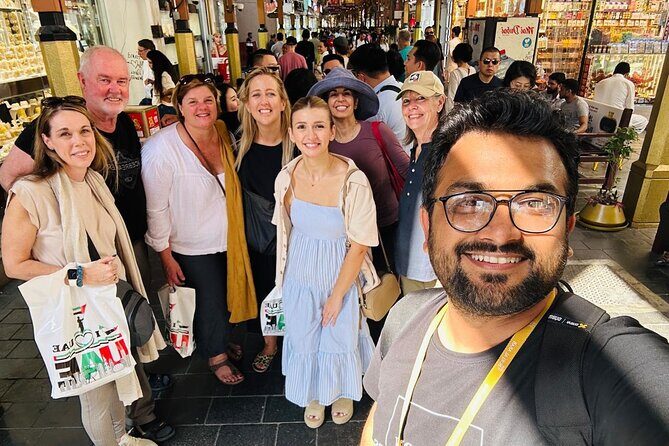
At $86.53 per person, this tour can look steep until you break down what’s bundled.
You’re not paying just for a guide. The package includes:
- Abra ride across Dubai Creek
- bottled water
- coffee and/or tea
- snacks
- a professional licensed local guide
- admission tickets included for the heritage and temple stops (as stated in the stop details)
That turns the day into something closer to a guided itinerary with built-in costs already handled. You’re also getting time set aside at three major shopping zones—Textile, Spice, and Gold—so you’re not doing a random walk where you keep paying for transport or trying to find what’s worth your time.
Another value point: private group format. If you’re traveling with friends or family, privacy often reduces the “wasted time tax” of group schedules. You can move at a pace that works for your group and get more direct answers to questions as you go.
If your goal is a first-day orientation to Old Dubai plus a structured souk shopping circuit, this price makes more sense than piecing together multiple standalone activities.
Who should book this, and who should skip it
This is a good fit if you:
- want a short, focused way to see Old Dubai
- like markets but still want guidance so you don’t feel overwhelmed
- want the classic Abra across Dubai Creek without planning it yourself
- enjoy learning stories tied to places, not just taking pictures
This may not be for you if:
- you want mostly museums with quiet, long stops (the format is short per stop)
- you dislike shopping and bargaining completely
- your group needs a very strict schedule for every hour (the tour is flexible with timing for many groups, but it’s still built around market flow)
In your planning, think about time of day. One common plus: the experience can work well with later starts, with some departures starting around 5pm so you get cooler walking conditions before dinner. That’s a big practical advantage in Dubai.
Should you book this Old Town Dubai tour?
I think this tour is worth booking if you want Old Dubai to feel connected—heritage buildings, a temple stop, a creek crossing, then the souks in a logical order. The best part is the combination of organized structure and real market time, plus guide help that can make bargaining and navigation easier in places like Spice and Gold Souks.
Skip it if you’re looking for a mostly hands-off sightseeing day. This is a “see it, walk it, smell it, shop it” style tour. If that matches your travel mood, you’ll come away with a stronger sense of how Dubai’s older neighborhoods still function.
FAQ
FAQ
How long is the Dubai Old Town walking tour with Abra ride?
It runs about 2 to 3 hours.
What does the tour price include?
The price includes an Abra ride across Dubai Creek, bottled water, coffee and/or tea, snacks, and a professional licensed local guide. Admission tickets are included for the heritage and temple stops listed in the tour.
Where does the tour start and end?
The tour starts at Local House Restaurant in the Historical Neighbourhood area on Al Fahidi St (Bur Dubai). It ends at the Dubai Gold Souk, and the guide will assist with the nearest metro station or taxi stop.
Is there an Abra ride across Dubai Creek?
Yes. The tour includes a traditional Abra ferry crossing between Bur Dubai and Deira.
Is this tour private?
Yes. It’s a private tour/activity, meaning only your group participates.
What is the cancellation policy?
Free cancellation is available up to 24 hours in advance for a full refund. If you cancel within 24 hours of the start time, the amount you paid is not refunded.