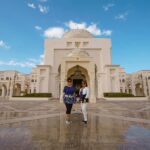
Old Dubai at night is a totally different city. This 3-hour street food walk strings together Dubai’s oldest districts with creek views, souks, and a real food payoff at the end. I like that it uses the city like a map: you move by foot, then cross by abra boat, then snack your way through Deira.
Two things I’d highlight: first, the small group size (max 8) makes the guide time feel real, not rushed. Second, the menu is balanced—savory bites like shawarma and mutton kebab, plus sweets and camel-milk treats. One consideration: it’s not for vegetarians or vegans, and you’ll be eating meat-based items at multiple stops.
If you want Dubai beyond malls and skyscraper photos, this is the kind of evening that helps you see the city’s food logic—how trade routes and neighborhoods shaped what ends up on your plate.
In This Review
- Key things I’d watch for
- Old Dubai at 5 pm: why this street food route works
- Meeting at Al Fahidi Fort: get oriented fast
- Textile Souk and Indian market snacks: the trading story starts immediately
- Dubai Creek by abra: a short ride with a big payoff
- Spice Souk stop: chocolate dates, Iranian merchants, and real shopping ideas
- Gold Souk and Perfume Souk: quick visuals, strong sensory reward
- Bur Dubai side stop and Dahi Puri: a snack that’s more than crunchy
- The mutton kebab finale at an old-school restaurant
- Price and value: what $165 buys you in practice
- Guide impact: when the tour feels personal
- Who should book this Dubai street food tour?
- Smart tips to make the most of it
- Should you book this evening street food tour?
- FAQ
- What is the duration of the Dubai Street Food Tour?
- How much does the tour cost per person?
- Where do I meet the guide for the tour?
- What time does the tour start?
- Where does the tour end?
- Is dinner included?
- What food tastings are included?
- Is this tour suitable for vegetarians or vegans?
- Does the tour include a boat crossing?
- Is free cancellation available?
Key things I’d watch for
- Small group (max 8) means more time to ask questions and compare flavors
- Abra creek crossing is part transportation, part great night views
- Spice Souk shopping + tastings centers on herbs, mixes, and sweets like chocolate dates
- Old-Dubai restaurant finale adds atmosphere: newspaper clippings, photos, and banknotes on the walls
- Walking-heavy food route through Bur Dubai and Deira is the point of the tour
Old Dubai at 5 pm: why this street food route works
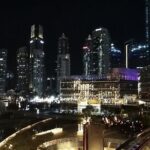
Dubai at night is when the city becomes easier to read. The neon glow around markets, the light over Dubai Creek, and the calmer pace compared with the midday heat all help you focus on small details—shop signs, spice aromas, steam from food carts, and the way people actually eat out.
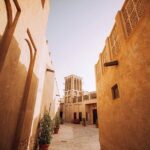
This tour is built around neighborhoods that feel older than the skyline. You start in Bur Dubai on the south bank of the creek, then move into Deira for the Spice Souk area. Even if you’ve seen photos of Dubai before, this route gives you the street-level version: textured alleyways, busy markets, and food stalls that look like they’ve fed the same local crowd for years.
You can also read our reviews of more food & drink experiences in Dubai

Meeting at Al Fahidi Fort: get oriented fast
You meet at 5 pm at the main entrance of Dubai Museum (Al Fahidi Fort) in Bur Dubai. It’s a handy landmark because it’s near Al Fahidi metro station—plan on about a short walk from the platform. Taxi drivers also know the spot, which is useful when you’re trying to arrive without extra stress.
Here’s a practical twist: the museum itself is stated as closed until further notice right now. If you want to go inside, the info says you should arrive up to an hour earlier, but you may not be able to. The good news is the tour route itself is not affected by the museum closure, so you’re not losing the actual street food plan.
Textile Souk and Indian market snacks: the trading story starts immediately
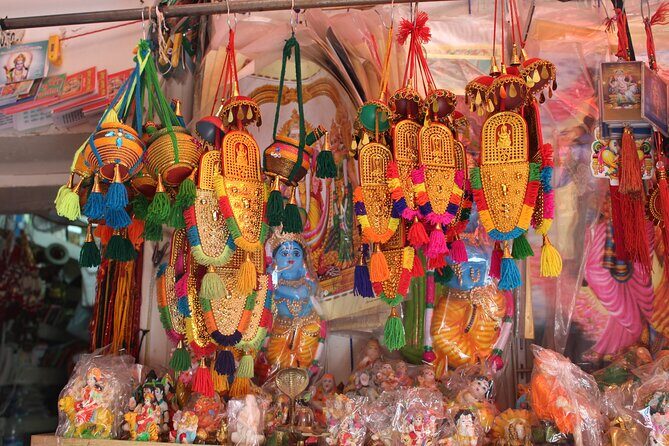
The first walking stretch goes through the Indian market area (Souk Al Khabeer), where textiles are the focus today. This stop matters because it sets up the food theme for the entire evening. The region’s trade ties shaped what’s available in shops—and what people end up craving.
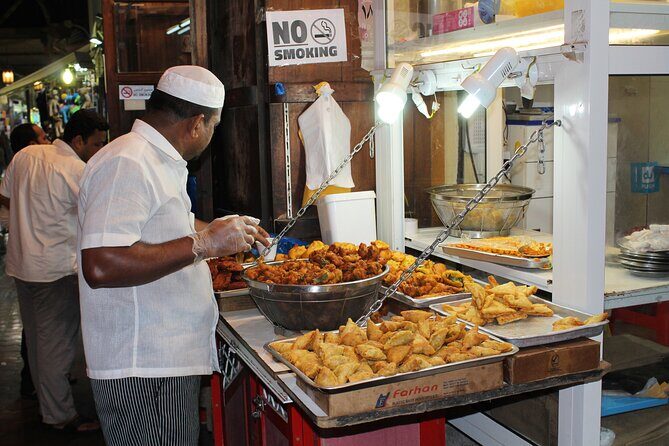
On this leg, you also get your first hot Indian snack. The exact item can vary, but the idea is consistent: expect warm, street-style flavor that fits the evening pace. If you’re the type who likes to understand why something tastes the way it does, pay attention to what the guide connects to the area—textiles, food imports, spices, and the long-running relationship between the Gulf and India.
Potential drawback: this part is light on seating and heavy on walking. If your feet get tired easily, wear shoes that can handle a fast pace and uneven sidewalk edges.
Dubai Creek by abra: a short ride with a big payoff
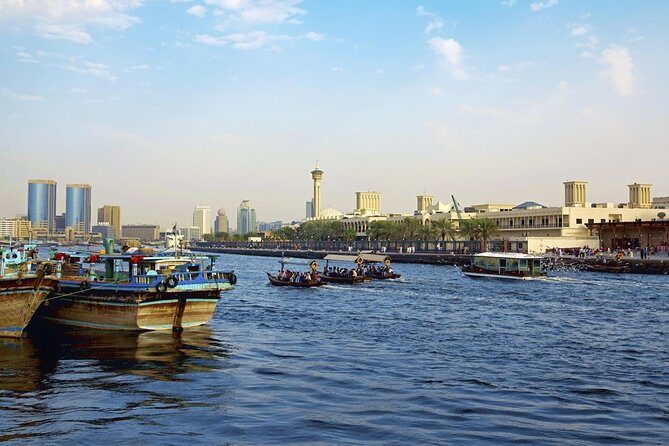
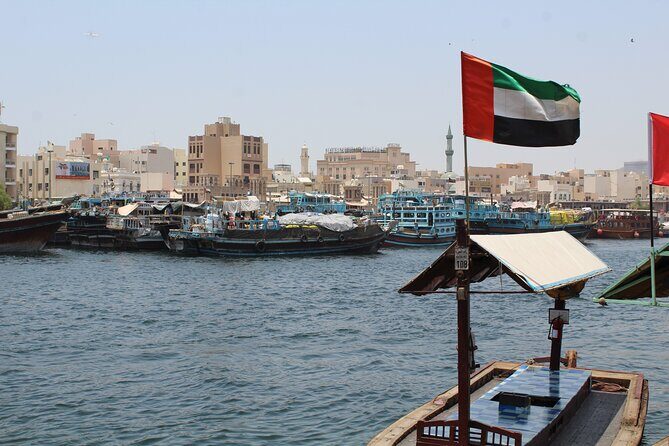
After the first snack, you cross Dubai Creek via abra, the traditional wooden water taxi. It’s also described as an official public mode of transportation, which is a nice touch: you’re not just getting a “tour boat” moment. You’re using the local system.
On the Deira side, you’ll get camel milk ice cream. It’s one of those foods that can sound unusual until you taste it—then you’ll understand why it shows up in souvenir form, too. The tour also includes a glass of juice around this phase, which helps balance the sweetness you’ll encounter next (especially chocolate dates later).
This creek crossing also gives you a simple visual break. You get night views without needing a viewpoint ticket. You’re moving, but you’re still seeing the city in motion.
Spice Souk stop: chocolate dates, Iranian merchants, and real shopping ideas
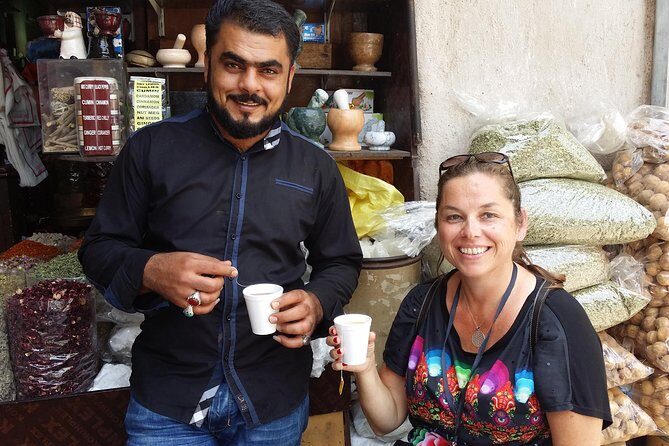
The Spice Souk experience is where the tour shifts from eating to smelling and shopping. You’ll walk through covered alleys with stalls selling spices, herbs, sweets, and related goodies. The merchants are mainly described as coming from Iran, and the guide role here is useful: this is where you learn what spice mixes are for and how sellers describe quality.
You’ll also taste chocolate dates—sweet, dense, and perfect for street food pacing. Then you get time to browse and buy local items. The list of products mentioned is specific, and that helps you shop intelligently instead of grabbing random gifts:
- frankincense
- saffron
- Madagascan vanilla
- myrre (myrrh)
- camel milk soap and camel milk chocolate
If you’re bringing something home, I like that this stop is practical for gift shopping. You can buy food and perfume-adjacent items without guessing what’s local.
One consideration: if your shopping style is strict (only buy what you can name and explain), go in ready with questions for the guide. The spice market is crowded, so you’ll get more value if you’re already thinking about what you want to use rather than what looks good in a bag.
A few more Dubai tours and experiences worth a look


Gold Souk and Perfume Souk: quick visuals, strong sensory reward
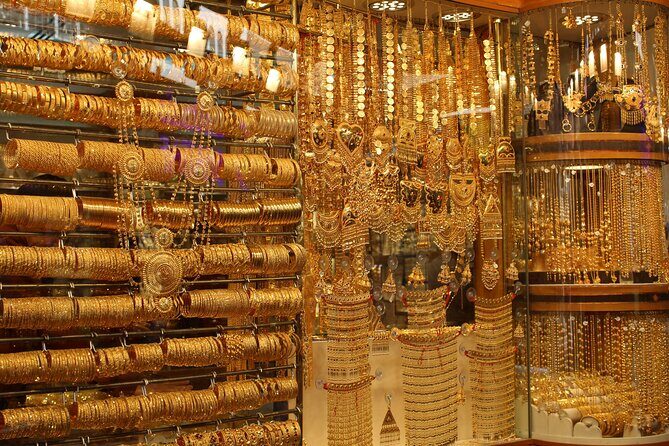
From the Spice Souk area, the route takes you through the Gold Souk on the main street. Dubai’s reputation as the City of Gold is hard to miss here—expect to walk past showpieces of gold jewelry. You don’t have to go inside every shop. In fact, the tour keeps this walk more about seeing the street and its scale than turning it into a jewelry shopping spree.
Right after, you pass through the Perfume Souk, where the focus becomes scent. You’ll smell traditional oil-based perfumes and learn about the main ingredients used in classic perfume making. This is a good break from pure food focus. Your brain gets a different kind of information: scent associations, what goes into fragrance, and why Middle Eastern perfumes are built differently than what you might be used to.
Then the big flavor moment arrives again: you eat shawarma—the meat-filled wrap that’s often described as the Gulf’s answer to a burrito. You get this as a major street-food stop, so plan to pace yourself before the final meal.
Bur Dubai side stop and Dahi Puri: a snack that’s more than crunchy
After heading back toward Bur Dubai, you cross the creek again by boat. Then you move through winding little alley streets to a Puri street-food spot.
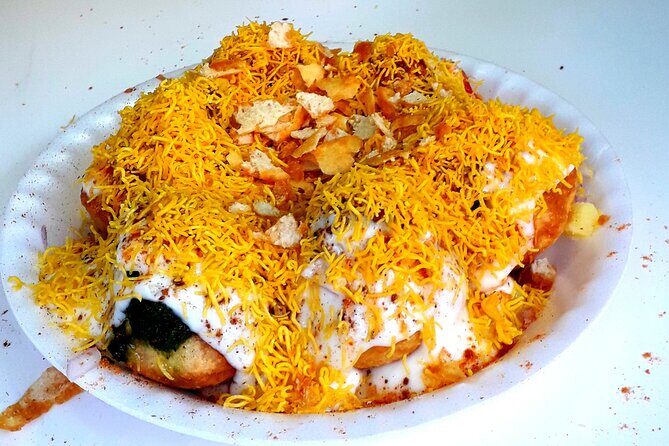
Here, you try Dahi Puri, described as a Mumbai-style explosion of tastes. That phrase is doing some work. This kind of snack is built to hit multiple flavor notes quickly—crunch, tang, and spice—often in small bites that keep you moving without slowing the group too much.
This is also a nice staging point. By now, you’ve had sweets (camel milk ice cream and chocolate dates) and a savory wrap. Dahi Puri gives you something bright and punchy right before the final restaurant meal.
The mutton kebab finale at an old-school restaurant
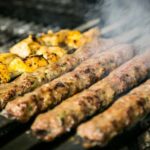
The last stretch is dinner at one of the oldest restaurants in town. This is a key part of the value because the tour doesn’t end with just another snack. You sit down and get a proper meal: a secret Persian family recipe for mutton kebab.
The setting is part of the experience. The restaurant walls are decorated with old newspaper clippings, photos of Dubai, and a collection of around 5000 different banknotes from all over the world left behind by visitors. It creates a time-capsule vibe—less Instagram, more “why did people come here for so long?”
If you’re worried about meat eating on tours, this is specifically built to include it. You’re not just sampling; you’re having dinner. That’s why the tour is better for omnivores who like variety rather than for picky eaters who want control.
After dinner, you finish at Al Ustad Special Kebab, very close to Al Fahidi Metro Station, so you can get moving without hunting for transport.
Price and value: what $165 buys you in practice
$165 sounds steep until you look at what’s actually included. You’re getting:
- multiple food tastings across markets
- a full dinner with a specific mutton kebab focus
- bottled water
- a professional guide for the whole walking + boat + souk route
A lot of food tours include snacks only. This one leans into a longer chain of stops, including two creek crossings and multiple distinct markets (textiles/Indian market, Spice Souk, Gold Souk, Perfume Souk), then lands with dinner at a historic-feeling restaurant.
Also note the small group cap (max 8). That’s not always stated on cheaper tours, and it matters because you’re walking and asking questions. If you like to understand what you’re eating—spice origin stories, why certain items show up in certain shops—that extra guide time is where your money shows up.
Guide impact: when the tour feels personal
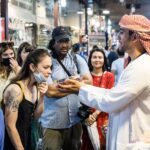
Some tours move fast and talk at you. This one is set up for conversation. The group size is small, and the route depends on the guide for context—trade history behind the Indian market, merchant stories at the Spice Souk, and how to think about what’s for sale (and what you might actually use later at home).
From past experiences tied to this tour style, names like Annette and Regina show up as guides, which suggests consistency in personable guidance. The key for you: come ready with questions. The spice market and perfume stalls are the best places to ask what to buy, how to use it, and what to treat as a souvenir versus a kitchen ingredient.
Who should book this Dubai street food tour?
Book it if you:
- want to see old Dubai and not just the skyline
- enjoy markets, street food, and shopping that has a logic behind it
- like evening plans with a clear food payoff
- are comfortable eating meat dishes
Skip it if you:
- are vegetarian or vegan (the tour is not suitable for either)
- want a quiet, sit-down-only experience (this is walking + standing + sampling)
- prefer air-conditioned pacing and long rest breaks
Also, it’s a good fit for couples and solo travelers who want a guided route but don’t want to feel stuck in a crowd.
Smart tips to make the most of it
- Wear closed-toe shoes. You’re walking through markets and alleyways, and the route is structured around that movement.
- If you plan to shop for spices or camel-milk products, keep room in your bag early. You’ll have browsing time at the Spice Souk and shopping opportunities for specialty items.
- Bring your energy for two sweet moments (camel milk ice cream and chocolate dates) plus a savory shawarma stop, then dinner. Pacing is part of the fun.
- You won’t have alcohol included, though it may be available to purchase. If that matters for you, plan around it.
Should you book this evening street food tour?
Yes, if you want a guided introduction to Dubai through the places that locals shop and eat—especially if you like the idea of combining souks, creek views, and a proper dinner in one evening.
It’s not the right choice if you need vegetarian options or want a low-walking experience. But if meat-based street food and classic restaurant kebabs sound like your kind of travel night, this tour gives strong value for money: multiple distinct food stops, a boat crossing that feels local, and a memorable restaurant setting that doesn’t end with a quick bite.
If you’re traveling on a schedule, booking ahead is smart since it’s typically booked around two weeks out.
FAQ
What is the duration of the Dubai Street Food Tour?
It runs for about 3 hours.
How much does the tour cost per person?
The price is $165 per person.
Where do I meet the guide for the tour?
Meet at 5 pm at the main entrance of Dubai Museum (Al Fahidi Fort) in Bur Dubai, near Al Fahidi metro station.
What time does the tour start?
The start time is 5:00 pm.
Where does the tour end?
The tour ends after dinner at Al Ustad Special Kebab near Al Fahidi Metro Station.
Is dinner included?
Yes. Dinner is included, and water is included as well.
What food tastings are included?
The tour includes tastings such as an Indian snack, camel milk ice cream, chocolate dates, and shawarma, plus a mutton kebab dinner.
Is this tour suitable for vegetarians or vegans?
No. It is not suitable for vegetarians or vegans.
Does the tour include a boat crossing?
Yes. You cross Dubai Creek by abra, a wooden water taxi, and you do this as part of the route.
Is free cancellation available?
Yes. You can cancel up to 24 hours in advance for a full refund.