REVIEW · DUBAI
Old Dubai Historic Guided Tour: Creek, Street Food & Souks
Book on GetYourGuide →Operated by OceanAir Travels · Bookable on GetYourGuide
Old Dubai moves at a human pace. This guided walk turns Creek-side Dubai into a story you can follow, from a heritage house to the Spice and Gold Souks.
I really like that the tour mixes “see it” with “taste it.” You get Arabic coffee or tea with dates, plus street treats like karak tea and samosas, then you’re off to shop and bargain with your guide’s help.
One heads-up: it’s still a walking tour in warm weather, and it’s not set up for everyone. It’s not recommended for infants, and it’s not suitable for wheelchairs or people with mobility impairments.
In This Review
- Key Highlights Worth Your Time
- Starting at Al Khayma: coffee, dates, and the heritage-house vibe
- Al Seef and Al Fahidi Fort: where old lanes still feel lived-in
- Street snacks along the way: karak tea and samosas fuel the souk sprint
- Crossing Dubai Creek on an abra: skyline contrast without the big-tour bus
- Spice Souk and Gold Souk time: how to bargain without losing your footing
- How the 3–4 hour format works (and how to plan your day)
- Price and value: what $10 buys you here
- Who this tour is best for (and who should choose differently)
- Should you book Old Dubai Creek, Street Food & Souks?
- FAQ
- How long is the Old Dubai Historic Guided Tour?
- Where do I meet the guide?
- What food and drinks are included?
- Is there time for shopping in the souks?
- Are strollers or large luggage allowed?
- Can the Coffee Museum be visited on the 5:00 PM tour?
Key Highlights Worth Your Time
- Heritage house photos and local welcome with Arabic coffee and dates to set the tone
- Street snacks that actually matter before you hit the souks
- Al Seef and Al Fahidi photo moments that show how the old city holds together
- Traditional abra ride on Dubai Creek for trading-ship views and skyline contrast
- Spice Souk smells, Gold Souk shine, and real bargaining time
Starting at Al Khayma: coffee, dates, and the heritage-house vibe
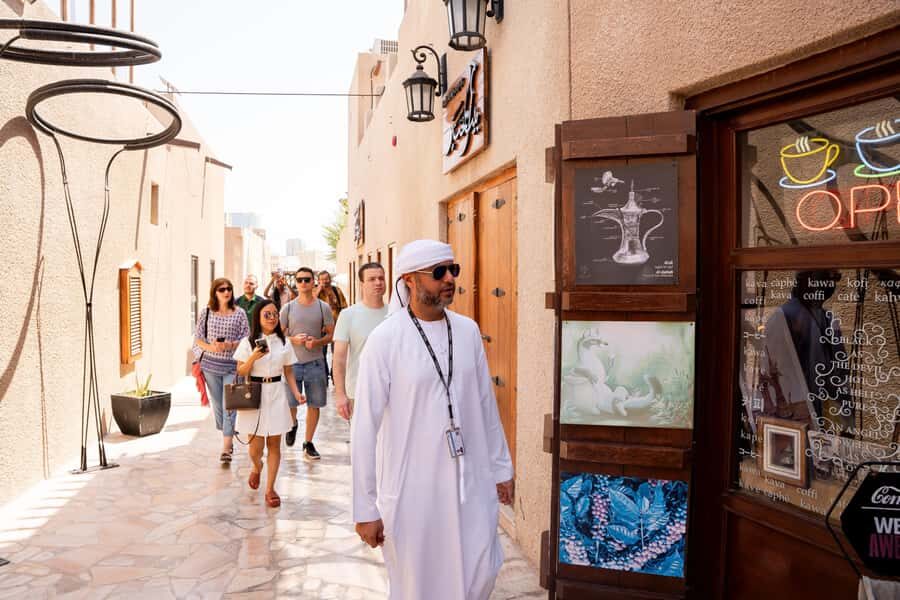
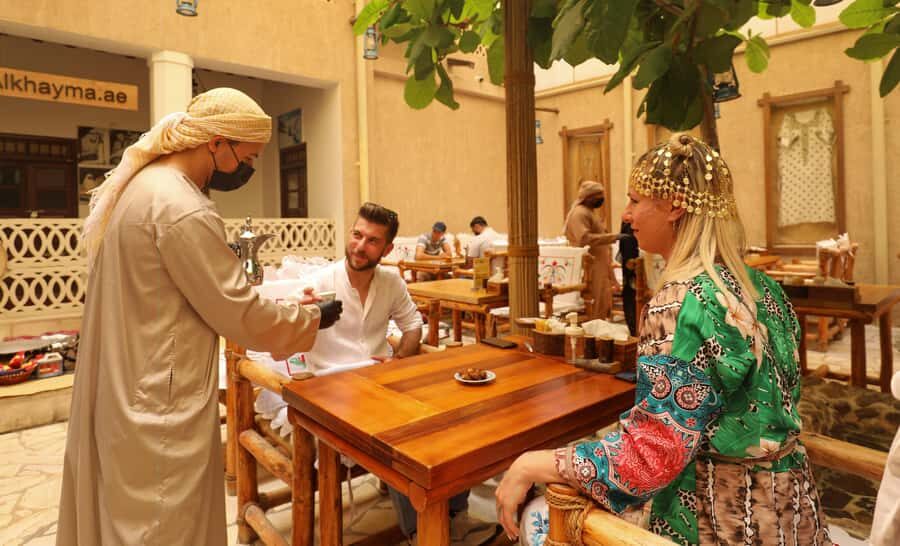
Your tour begins at Al Khayma Heritage Restaurant. If you’re coming by metro, Sharaf DG is the nearest stop, and from there it’s an easy hop to the meeting area. Many people like starting here because it feels grounded and local, not like a tourist lineup.
Before you move, you’ll get a hot welcome: Arabic coffee or Arabic tea plus dates. This is more than a “small extra.” It’s a quick cultural bridge. You get a taste of how hospitality works in the UAE, and you’re fueled for the walking to come.
Then you’ll head inside a traditional Emirati heritage house. The experience includes photos and storytelling that connect everyday life to the UAE’s past. A few guides on this route are known for making that history feel clear and watchable, not like a lecture. Names that show up in people’s comments include Ahmed Hussein and Ibrahim, with special praise for guides who explain what you’re seeing as you go.
You’ll also get a bottle of water and included entry to heritage sites and museum areas tied to the start point. That matters because, for the price, you’re not paying extra to “unlock” the main cultural stops.
You can also read our reviews of more food & drink experiences in Dubai


Al Seef and Al Fahidi Fort: where old lanes still feel lived-in
Next, you shift from the welcome area into the walkable heart of Old Dubai. Al Seef is your early highlight zone. Expect views of the mosque along the way and a focused photo stop at the Al Seef mosque area. This is where the creekfront meets the older architectural style, so the photos come out better than you’d expect from a short stop.
Then you move toward Al Fahidi Fort for another quick photo stop and a short guided look. Even if you’ve seen a lot of forts in your life, this one helps you understand how Dubai protected and organized itself before the modern skyline took over the headlines.
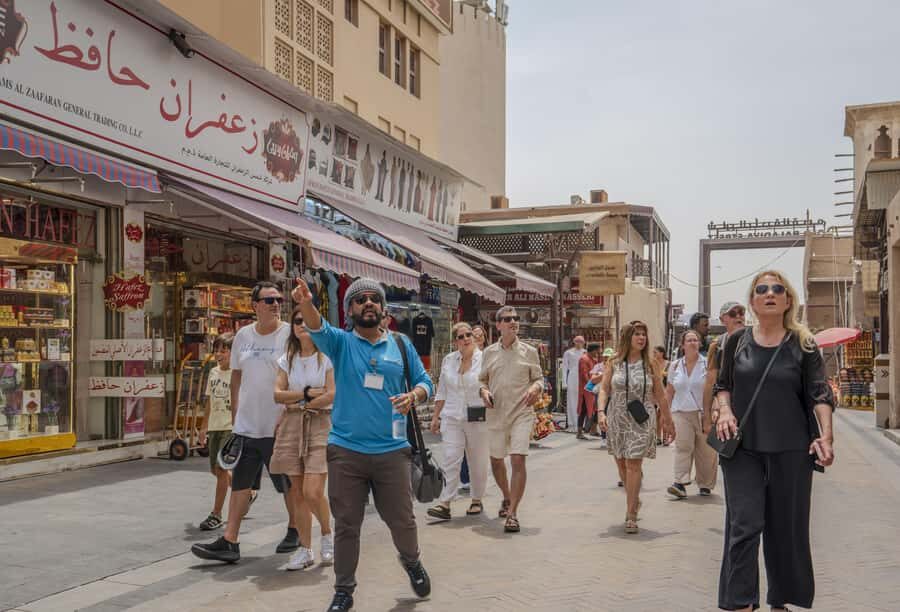
The real value here is the rhythm. The guide ties things together as you walk: how the historic districts connect, why narrow lanes mattered, and why certain buildings show up in specific patterns. People consistently appreciate guides who keep the pace friendly and the explanations easy to follow, including humor and room for questions.
If you’re the kind of traveler who likes to understand a place before you start shopping, this part sets you up. You’ll know what you’re looking for when the souks get noisy and crowded.
Street snacks along the way: karak tea and samosas fuel the souk sprint
At some point during the stroll, you’ll get local street food tastings. The standard included treats are karak tea and samosas, and the tour also includes Arabic tea or coffee.
What I like about this plan is timing. You’re not stuffing yourself at the end. You’re eating early enough that you can handle the sensory overload of the souks without feeling sluggish or cranky. (Yes, I’ve watched plenty of people wilt in air-conditioned malls. Here, you’re walking, so you need energy.)
A few comments from past groups also mention extra sweet and drink options beyond the baseline—like multiple types of Arabic coffee, luquma, and chai served with camel’s milk. That’s not listed as a guarantee for every departure, but it matches the overall vibe: this tour wants you to taste more than just one item.
Practical note: wear comfortable shoes. Even with a short duration (3–4 hours), the route adds up fast in warm weather. Sunglasses and a hat are a smart move too.
Crossing Dubai Creek on an abra: skyline contrast without the big-tour bus
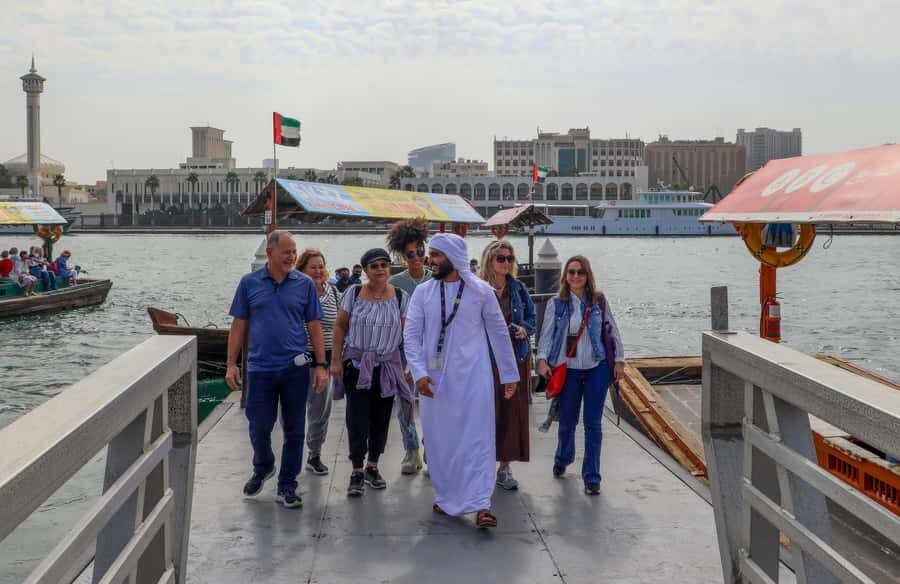
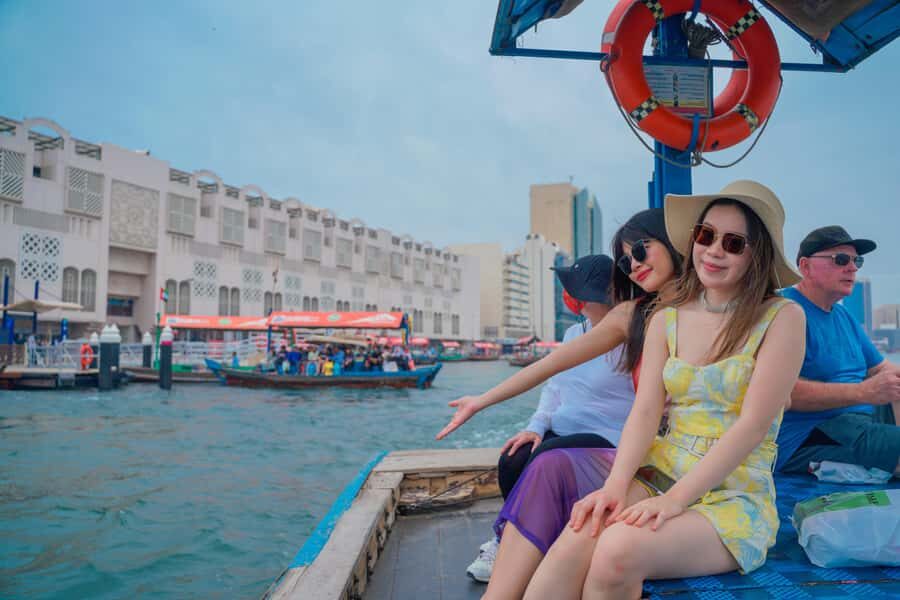
One of the most satisfying moments is the traditional abra boat ride along Dubai Creek. You’ll head to the Bur Dubai abra dock and hop on the boat for a scenic crossing. There’s a brief break component with photo time before boarding, which helps the whole group stay together without rushing.
On the water, you get that classic old-meets-new view. You’ll see huge trading ships, watch daily creek activity from close by, and catch the Dubai skyline rising in the background. This contrast is why the abra ride works so well. It’s not just transportation. It’s a moving viewpoint.
On the timing side, it stays short—about 15 minutes—so it fits nicely into the overall pacing. That’s a good thing if you don’t want your half-day chopped up with long transit.
The guide also tends to frame what you’re seeing, which helps you interpret the creek rather than just photographing it. Some guides (including Nasser and Khan, based on group feedback) are praised for keeping the boat ride informative and fun.
Spice Souk and Gold Souk time: how to bargain without losing your footing
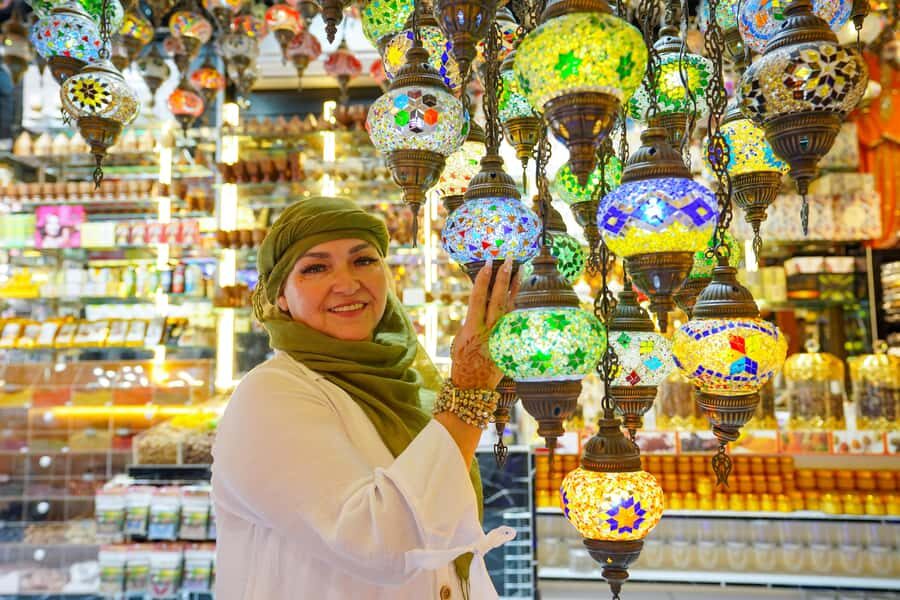
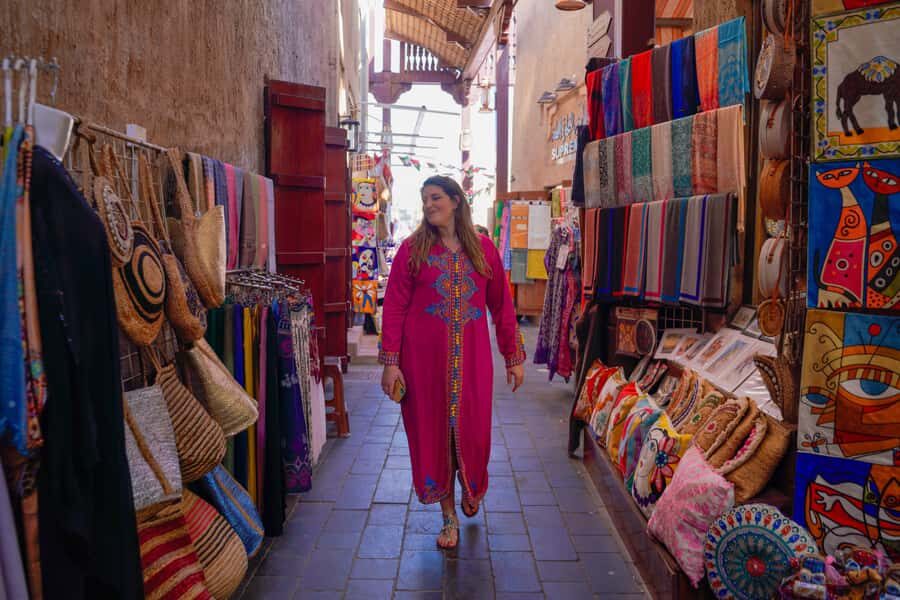
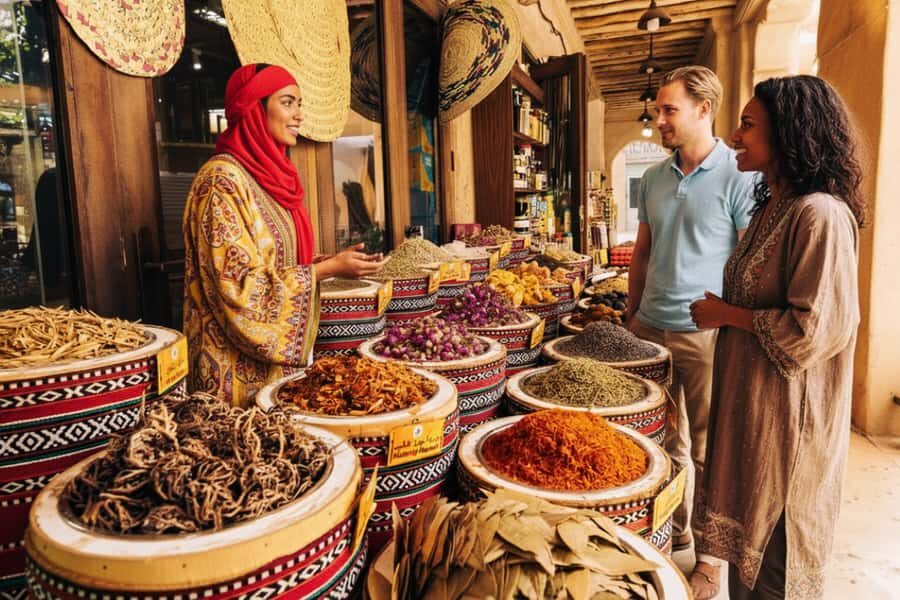
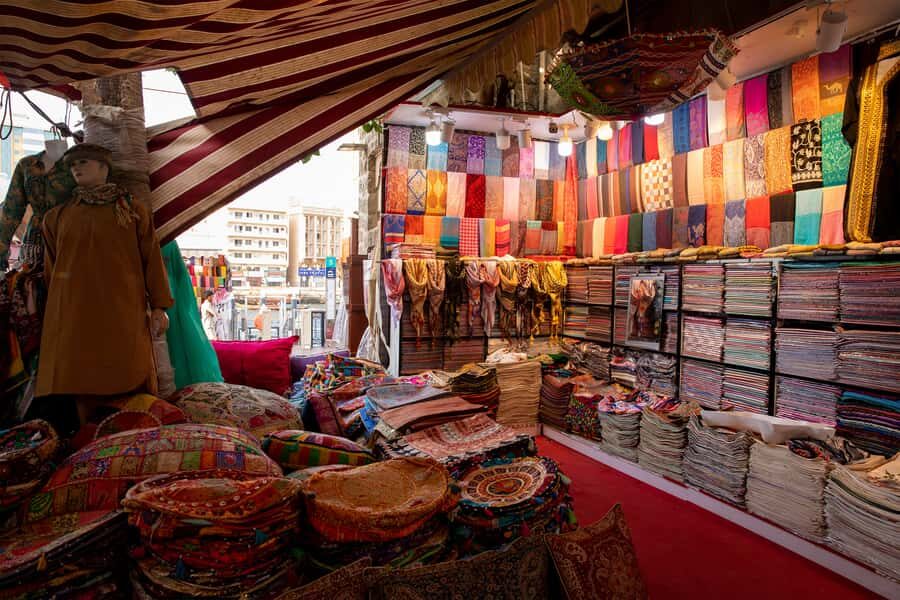
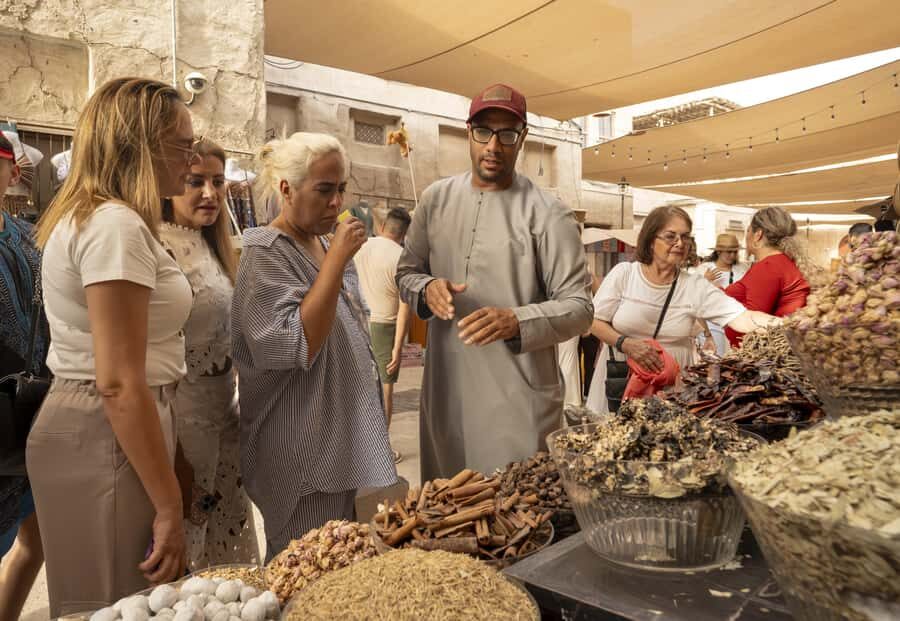
Then comes the shopping section, and it’s built into the experience—not tacked on as an afterthought. You’ll visit the Spice Souk first. Here, the highlights are the sensory cues: you’ll smell spices and see colorful displays, and you’ll have time to look closely and ask questions.
The guide encourages bargaining with friendly merchants. That part is key. If you’ve never bargained in the Middle East before, the souks can feel intimidating. With a guide in your group, you can learn the rhythm: where to pause, how to compare prices, and how to talk without turning it into a stressful confrontation.
Next is the Gold Souk. This is where the pace often slows just a bit, because people want to see details. Expect sparkling jewelry and precious stones, plus time for guided touring through the market area.
A practical tip: set a mental budget before you start. Prices can swing, and it’s easy to get carried away by the shine. If you want souvenirs that feel personal, this is the best part of your trip. If you’re only window-shopping, you’ll still enjoy it—just move steadily and keep your eyes on craftsmanship, not just the sticker price.
One reason this tour gets high marks is that guides tend to help you negotiate calmly. Ibrahim, Iqbal, and others are repeatedly credited with making bargaining easier—either through explanation or through gentle guidance on how to talk like you belong.
A few more Dubai tours and experiences worth a look





How the 3–4 hour format works (and how to plan your day)
This is designed for a half-day window: 3 to 4 hours total. You’re walking through historic lanes, doing a short fort and mosque circuit, adding a short boat crossing, and ending with souk time. That format is efficient, but it still gives you real experiences.
Here’s what the pacing feels like in practice:
- Early cultural grounding at Al Khayma and the heritage house
- Quick scenic/photo moments at Al Seef and Al Fahidi Fort
- Snack and tea/coffee fuel so you don’t flag during shopping
- Abra ride for the big viewpoint shift
- Then a shopping finish that feels like you earned it
If you’re booking this as your first Old Dubai stop, it works especially well. You’ll get your bearings fast and come away with context, not just photos.
If you’re trying to stack it with other activities later, plan for sun and foot fatigue. You’ll be on your feet, and there are restrictions: baby strollers aren’t allowed, and luggage or large bags aren’t allowed either. So travel light.
Price and value: what $10 buys you here
At $10 per person, this tour is one of the smarter value picks in Dubai for people who want more than a photo parade. Why? Because the price covers multiple categories that usually cost extra on their own.
You’re getting:
- A guided experience across Old Dubai’s key areas
- Heritage house entry (plus included heritage site access)
- Street food tastings like karak tea and samosas
- Arabic tea or coffee, plus dates
- A traditional abra ride across Dubai Creek
- Souk visits with guided context and time to shop
That’s the tradeoff: you’re not doing a long, ticket-heavy museum day. Instead, you’re stitching together a handful of high-impact stops into one smooth route. For many people, that’s the best way to learn a city in limited time.
In plain terms: if you’re already planning to do a creek crossing and spend time in the souks, this price point becomes less about “deal” and more about convenience.
Who this tour is best for (and who should choose differently)
This works especially well for:
- First-timers to Dubai who want Old Dubai context without spending half a day in transit
- Travelers who like food tastings included in the plan
- People who enjoy guided explanations and don’t want to figure everything out alone
- Souk shoppers who want help bargaining and spotting quality
It’s also a good match if you want a guide who can keep things light. Group feedback often highlights hosts like Ahmed Hussein, Hossam, and Ibrahim for friendliness, humor, and clear, paced explanations.
But it’s not a fit for everyone. The tour isn’t suitable for wheelchair users or people with mobility impairments, and it’s not recommended for infants. If that describes your group, you’ll want an alternative experience that’s less walking-heavy and more adaptable.
Should you book Old Dubai Creek, Street Food & Souks?
If you want the Old Dubai story, this is an easy yes. You get heritage context, real food tastings, a traditional abra crossing, and meaningful time at both the Spice and Gold Souks—all in 3 to 4 hours.
Book this if:
- You care about understanding what you’re seeing, not just snapping pictures
- You want included snacks so you can focus on the walking and shopping
- You’d rather learn bargaining basics with a guide than guess on your own
Skip it (or look for an alternative) if:
- You need step-free access or accommodations for limited mobility
- You’re traveling with infants or baby strollers
- You hate walking in the heat and would prefer a mostly indoor plan
FAQ
How long is the Old Dubai Historic Guided Tour?
The tour runs about 3 to 4 hours.
Where do I meet the guide?
You meet at Al Khayma Heritage Restaurant. The nearest metro station is Sharaf DG Metro Station.
What food and drinks are included?
Arabic coffee or Arabic tea is included, along with dates. There are also street food tastings such as karak tea and samosas, plus bottle water.
Is there time for shopping in the souks?
Yes. The tour includes visits to both the Spice Souk and the Gold Souk with shopping time.
Are strollers or large luggage allowed?
No. Baby strollers and luggage or large bags are not allowed.
Can the Coffee Museum be visited on the 5:00 PM tour?
No. The Coffee Museum cannot be visited if you choose the 5:00 PM evening tour.