REVIEW · DUBAI
Old Dubai Walk, Souk, Street Foods, Al Fahidi and Al Seef Tales
Book on Viator →Operated by Hisam Tour · Bookable on Viator
Old Dubai smells like spices and sea air. This Old Dubai walk ties together Al Seef alleys, a Dubai Creek Abra crossing, and the classic souk circuit in under four hours.
I love how the tour feeds you from the start with tea and dates, then layers in street food like luqaimat and ragag along the way. I also like that entry to the Dagger Museum is included, so you spend less time figuring things out and more time learning what you’re actually looking at.
One watch-out: one past booking described a long wait with no guide and ended up exploring on their own. Before you set off, confirm the meeting point at Al Seef Heritage Hotel Dubai, Curio Collection by Hilton and keep the provider name Hisam Tour handy in case you need quick help.
In This Review
- Key things to know before you go
- Getting your bearings at Al Seef: camel statues, tea, and first souk bites
- The Abra ride across Dubai Creek: the easiest way to see “old plus new”
- Street food lunch: luqaimat, ragag, and why you should pace yourself
- Bayt Al Khanyar Dagger Museum: craftsmanship you can see, not just read about
- Al Fahidi Fort and the Dubai Museum: from 1787 defenses to 1971 storytelling
- Meena Bazaar and the Bur Dubai vibe: shopping speed and street-food energy
- Spice Souk and Gold Souk: smell the market, then shop with VAT in mind
- Price, group size, and the logistics that matter in real life
- Who should book this Old Dubai walk
- Should you book this tour?
- FAQ
- How long is the Old Dubai walk tour?
- What does the tour include for food and drinks?
- Are museum entries included?
- Is pickup available?
- Where does the tour start and end?
- Can I cancel for a full refund?
Key things to know before you go
- Al Seef first, Dubai Creek second: you start by the water in Al Seef, then do an Abra crossing on the creek to reach the souk area.
- Street food is part of the plan: you’ll try snacks and sweets like luqaimat and ragag, plus fresh juices.
- Two museum-style stops (with one ticketed): Dagger Museum is included; Museum of Illusions is a photo stop only.
- Al Fahidi Fort timeline stop: you’ll see the fort built in 1787 and learn how it became a museum in 1971.
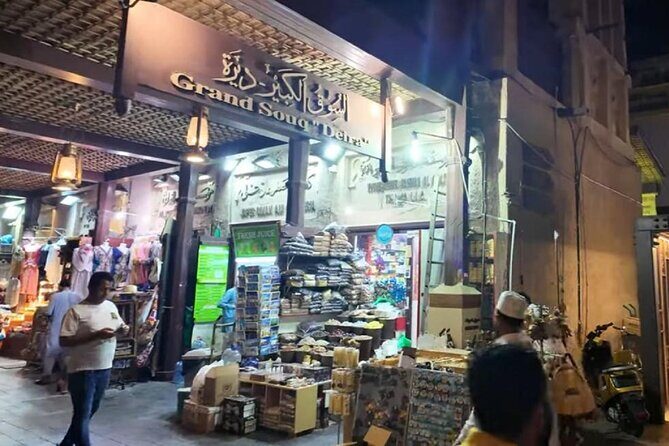
- Spice and Gold Souks end the day with shopping context: you get the senses at the Spice Souk and the famous Gold Big Ring photo moment at the Gold Souk.
- Small group size: the tour caps at 15 people, which helps the guide keep things moving.
Getting your bearings at Al Seef: camel statues, tea, and first souk bites
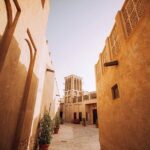
Most first-timers in Dubai land in glitzy malls. This tour flips the order and starts where the city’s trade life began: Al Seef, along the waterfront. You kick off near the camel statues that point to the desert-transport heritage behind the nickname ship of the desert.
Within minutes, you’ll feel the tempo shift. Traditional Arabic coffee or tea arrives with dates, and the walk heads toward the promenade and nearby souks. If you’ve ever wondered what “old Dubai” looks like up close, this is one of the most practical ways to see it without spending your whole day figuring out streets.
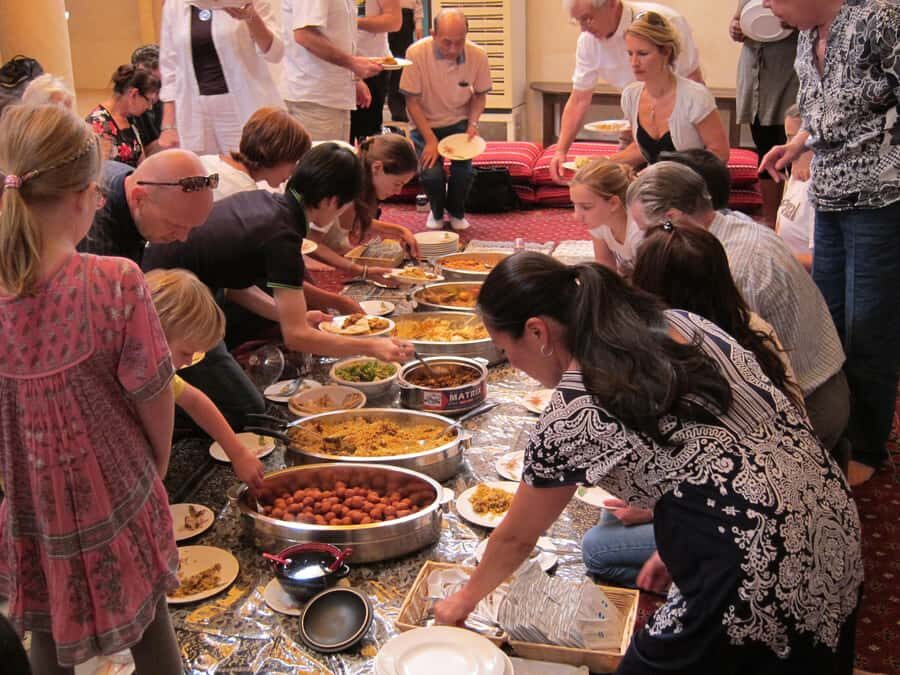
The best part for me is that the tour treats food like part of the storytelling, not an afterthought. You’ll snack along the way, then later sit down with more substantial street-food style dishes once you’re over by the souk areas.
Stop time at the first section is about 45 minutes, so you’re not stuck waiting around. The pace is steady: enough time to taste, take photos, and browse, without turning the walk into a marathon.
You can also read our reviews of more walking tours in Dubai



The Abra ride across Dubai Creek: the easiest way to see “old plus new”
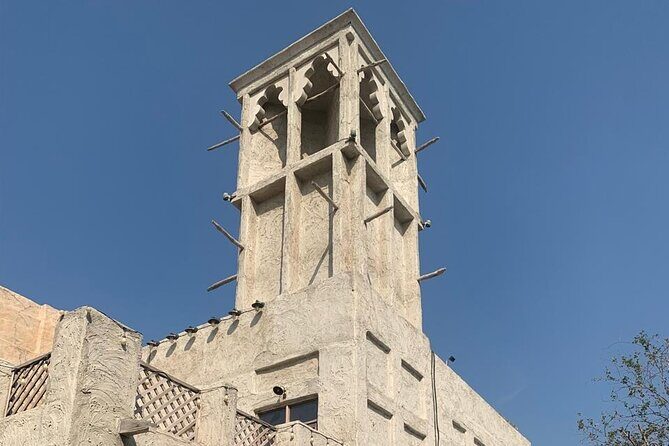
Dubai’s modern skyline is impressive, but the creek shows the logic behind the city’s growth. One of the tour’s core moments is a traditional Abra crossing on the Dubai Creek. You’re on a wooden boat, gliding between sides of the water that used to be the main trade routes.
This matters because the souks make more sense when you see the geography. On one side you’ll be near the market streets; on the other side you’ll catch views toward older districts. The tour also points out traditional dhows docked along the creek, which gives you a sense of how maritime commerce shaped everyday life.
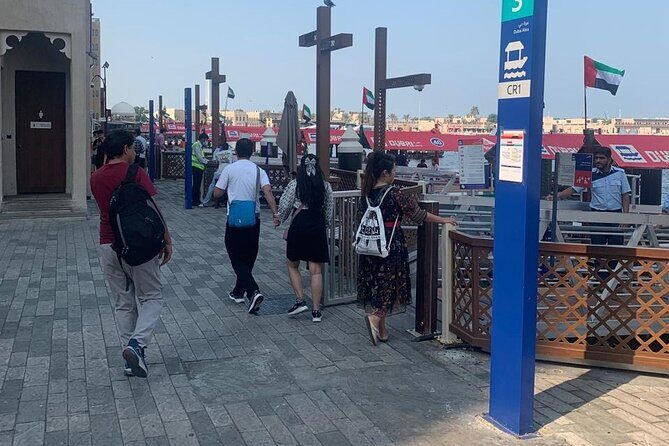
You’ll do an early crossing as part of the first stop flow, and then there’s another Abra ride component later in the itinerary from the Bur Dubai Abra station area (about 30 minutes). That second ride is useful, because it lets you compare angles: you see the older neighborhoods more clearly and you get a different view of the skyline at distance.
If you like photos, this is where you’ll get them. If you get motion-sick, this is generally an easy boat ride, but it’s still a boat—so bring a little patience and breathe through it.
Street food lunch: luqaimat, ragag, and why you should pace yourself
Food is a big reason to book this kind of Old Dubai walk. After the early creek crossing, the tour builds in time for a lunch-style tasting of classic items and drinks.
You’ll get to try sweets and snacks including luqaimat (golden fried bites) and ragag (a popular Emirati-style griddle bread/cake). You’ll also have fresh juice as part of the included offerings, which is a nice break from walking in warm air.
One practical tip: don’t overload on the first tastings if you plan to buy spices later at the Souk. Spices are easy to smell on your clothes, and if you’re sticky-sweaty from sugar, it’s harder to enjoy the market aromas. I’d treat lunch as sampling, not a full meal you have to finish.
There’s also a small benefit to the way this tour feeds you. You’re not doing the “search, guess, hope” approach that can turn street-food time into stress. The guide keeps you moving and helps you order what’s most worth trying.
Bayt Al Khanyar Dagger Museum: craftsmanship you can see, not just read about
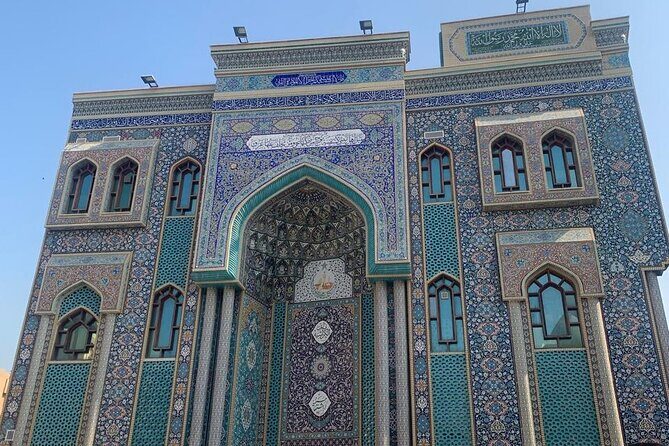
At Bayt Al Khanyar, the tour focuses on one of the most visual parts of Emirati heritage: traditional weapons. The included stop is the Dagger Museum, featuring kh anjars (traditional daggers) along with swords. The key point here isn’t “wow, weapons.” It’s why they mattered—honor, identity, and craft.
What I like about this stop is how it gives context to details you might otherwise miss while walking in older districts. In many places, a dagger or related design shows up subtly as decoration or cultural reference. Seeing the actual objects—and how they’re made—makes those references click.
You’ll have about 25 minutes here. That’s long enough to look closely, read the labels, and ask a couple of questions without turning it into a full museum day. Tickets are included for this stop, which reduces one of the most common headaches on short tours.
If you’re sensitive to violent imagery, it’s still a weapon-focused museum, but the tone is presented through craftsmanship and cultural significance rather than shock.
Al Fahidi Fort and the Dubai Museum: from 1787 defenses to 1971 storytelling
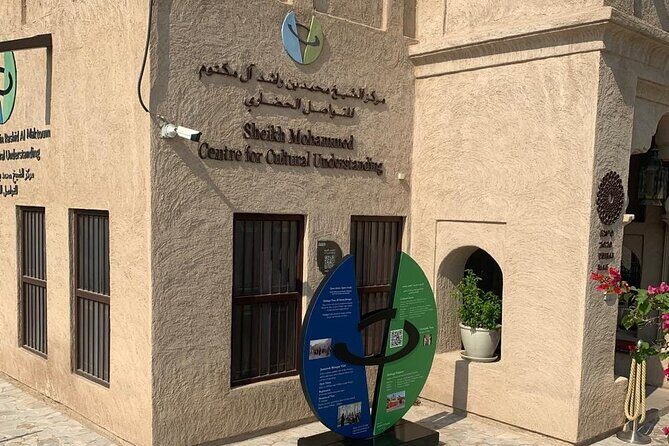
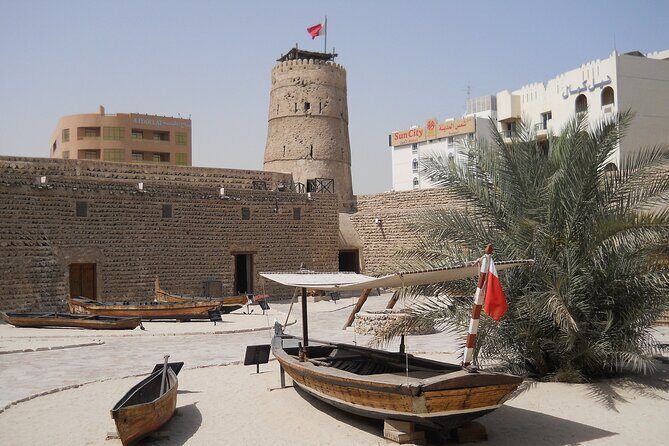
Then you step into Al Fahidi Fort, one of the oldest buildings in Dubai, dating back to 1787. Originally built for defense against invaders, it later became a museum in 1971, not long after the formation of the United Arab Emirates.
Inside, the Dubai Museum shares Dubai’s transformation through exhibits that include life-sized dioramas, historical artifacts, and multimedia displays. Even if you only spend the allotted time, the payoff is how fast you get the big picture: Dubai started as a fishing and pearling area, then evolved into a global trading hub.
Why this stop is valuable for you: it gives you a frame for everything else you’re doing. When you later hit the souks—especially the Spice and Gold areas—you can connect the dots between trade goods and the markets built around selling them.
The practical side: fort museums can involve stairs and indoor walking. The time here is part of the overall flow, so if you’re moving slowly, tell your guide early so they can keep the schedule comfortable.






Meena Bazaar and the Bur Dubai vibe: shopping speed and street-food energy
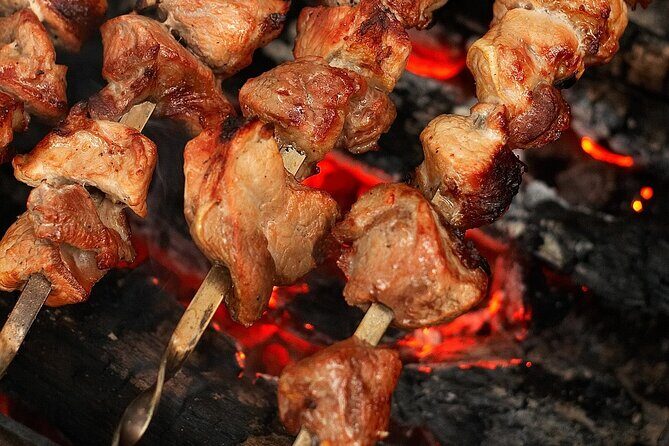
Next comes Meena Bazaar in Bur Dubai. You get a short window—about 15 minutes—in a shopping and cultural hub known for textiles, jewelry, spices, and street food.
Because the time is limited, the smart strategy is to use this stop for browsing rather than heavy purchasing. If you see something you truly want, note it, then plan the purchase later when you’ve had time to compare prices elsewhere. This approach helps you avoid the common tourist problem of buying too fast.
If you’re hungry or still smelling street food from earlier, take a brief reset here. Meena Bazaar is also where the route shifts back toward the creek-side market areas, so it helps to arrive with your energy steady.
Spice Souk and Gold Souk: smell the market, then shop with VAT in mind
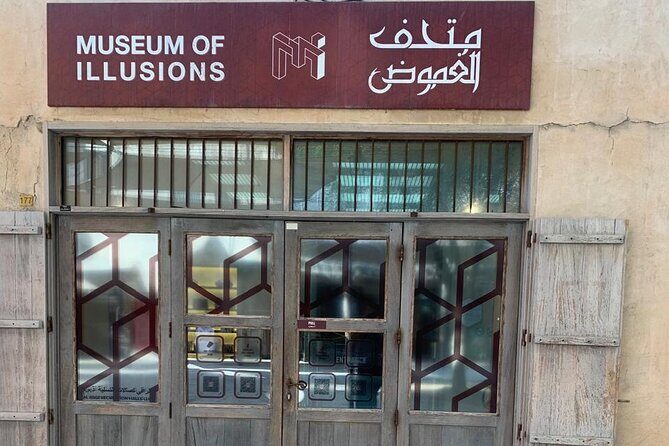
The tour ends with two market hits that are easy to understand even if your Arabic is zero. First is the Dubai Spice Souk, near the Gold Souk by the creek in Deira.
This is the part where your senses do the guiding. The air fills with fragrances from spices, herbs, and incense. Expect to see and smell major staples like saffron, cardamom, cumin, coriander, turmeric, and more. You’ll also find incense, essential oils, and dried flowers such as rose petals.
If you buy spices, ask about freshness and storage. And if you’re flying home, be realistic about how much you can carry. Small packets are usually the best balance between value and weight.
Then you finish at the Dubai Gold Souk, where the tour highlights a famous photo stop: the Gold Big Ring. It’s an iconic landmark and a quick way to confirm you’re in the right area.
Here’s a shopping detail that’s actually useful: the tour notes that gold buyers aren’t subject to VAT on gold jewelry purchases in Dubai. VAT applies to other goods and services, but for gold specifically, this can make shopping feel more attractive than in places with broad consumption taxes. Still, check final prices and any extra charges—market math can get tricky fast.
Price, group size, and the logistics that matter in real life
The price is $19.99 per person for a tour that runs about 3 hours 50 minutes. That’s a fair setup when you consider the mix: multiple included drinks, street food tastings, museum entry at the Dagger Museum, a fort/museum component, and Abra rides on the creek.
If you’re booking as a group, the offer is worth paying attention to: Book for 3 adults & get one adult free. That can turn the effective cost per person into something much easier to justify, especially if you’d otherwise pay for museum tickets and guided pacing separately.
Group size is capped at 15 people, which typically keeps the experience from feeling like a moving crowd. Still, the real-world constraint is heat and walking time—this is a walk-and-stop format, not a bus tour.
One more practical note: this tour includes pickup as a premium option, plus a mobile ticket. That means you’ll want to double-check your pickup details if you choose it, and you’ll want to make it to the start point on time if you’re doing self-arrival.
And since there is at least one documented case of a guide issue (a delayed start with no guide), I’d take a simple precaution: message or call the provider shortly before departure and confirm who you’re meeting and where.
Who should book this Old Dubai walk
This is a great match if you want a short, guided way to see the layers of Dubai—Al Seef, the creek, the souks, and the older neighborhoods around Al Fahidi—without spending a full day piecing it together.
It’s also ideal if you like food-and-market time, because street-food sampling is built in and not just optional wandering. The Dagger Museum stop adds substance for people who enjoy seeing cultural objects and understanding what they mean.
If you’re not into walking or you dislike markets, you might find parts of the route feel fast. In that case, you’ll likely enjoy the museum pieces more than the shopping segments.
Should you book this tour?
If you want a compact Old Dubai sampler with street food, an Abra ride, and museum time, this tour is a solid pick—especially with the free-adult promotion if your group qualifies. The value improves when you’d otherwise pay for entry and prefer a guide to connect what you’re seeing in Al Fahidi and the souks.
I’d book it with one mindset: stay flexible and confirm your guide details ahead of time. If you do that, you’ll get a very readable route through Dubai’s older core, ending where most visitors want to be anyway—the Spice and Gold Souks.
FAQ
How long is the Old Dubai walk tour?
The duration is about 3 hours 50 minutes.
What does the tour include for food and drinks?
It includes Arabic tea or coffee with dates, cold bottled water, and street-food options such as shawarma or falafel sandwiches (premium option). You also get camel milk chocolate and fresh juice of your choice.
Are museum entries included?
Tickets are included for the Dagger Museum. The Museum of Illusions stop is a photo stop only, and the fort/museum portion is part of the tour experience (with its exhibits described).
Is pickup available?
Pickup and drop-off are offered with a premium option.
Where does the tour start and end?
The start is Al Seef Heritage Hotel Dubai, Curio Collection by Hilton. The tour ends at Dubai Gold Souk in Deira, Al Ras.
Can I cancel for a full refund?
Yes. You can cancel up to 24 hours in advance for a full refund. If you cancel less than 24 hours before the start time, the amount paid is not refunded.