REVIEW · DUBAI
Private Food Tour – 12 Tastings with Locals
Book on GetYourGuide →Operated by travel with malik · Bookable on GetYourGuide
Old Dubai has a smell you can follow, food first. This private tour turns that trail into 12 tastings you can actually finish in about 3 hours, with a guide who links what you eat to where you are walking. Along the way, you’ll hit classic bites like falafel and dates, plus less common tastes like camel milk tea and camel milk chocolate.
Two things I like a lot: the way the tastings feel local, not generic, and the steady story your guide keeps in motion. Guides like Uzma, Hadi, Abdullah, Mahzer, and Ikram come through in different styles, but the theme is the same—food plus everyday history in places like the souks and Al Bastakiya.
One possible drawback to know up front: you’re walking and stopping often, and this tour isn’t set up for mobility impairments or wheelchair users. Also, keep your bag small since large luggage isn’t allowed and you’ll want comfy shoes for the pace.
In This Review
- Key highlights you will feel fast
- Starting at Al Ras Metro and Walking Into Old Dubai
- Spice Souk and Textile Souk: Food Culture You Can Smell
- Indian Temple Street: The In-Between Stops That Make Dubai Feel Real
- Falafel, Dates, and the Camel Milk Tea and Chocolate Moment
- Al Fahidi Fort and Al Bastakiya: History That Explains the Food
- How 12 Tastings Actually Works in 3 Hours
- Price and Value: What You Really Get for $107
- Who This Tour Fits Best (and Who Should Skip)
- Quick tips so your tour goes smoothly
- How Guides Make or Break a Food Tour
- FAQ
- FAQ
- How long is the private food tour?
- How much does the tour cost?
- What is included in the tour price?
- What tastings should I expect?
- Are hotel pickup and dropoff included?
- Where do I meet the guide?
- What language is the live guide?
- Can I bring luggage or large bags?
- Is the tour wheelchair accessible?
- Is free cancellation available?
- Should you book this tour?
Key highlights you will feel fast
- 12 tastings of Arabian favorites, from savory classics to sweet sips and bites
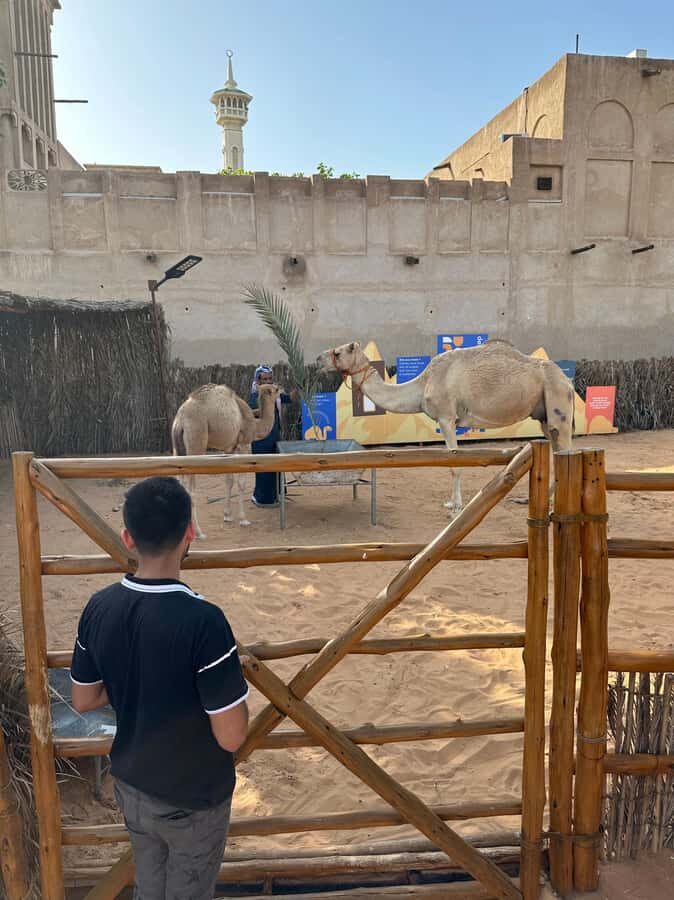
- Camel milk tea and camel milk chocolate as a signature stop
- Souk walking that connects food with trade culture, including Spice Souk and Textile Souk
- A guided route through Old Dubai areas like Al Fahidi Fort and Al Bastakiya
- Come hungry energy: you’ll be eating enough to count as a meal
Starting at Al Ras Metro and Walking Into Old Dubai
Meeting point is simple: Al Ras metro station, Exit 1. It’s easy to reach by metro or taxi, and it also means you start in the neighborhood instead of being shuffled from one hotel lobby to another. For a food tour, that matters. You want time for bites, not time waiting.
Your first job is to get comfortable on foot. You’ll be making short walks between tastings, plus some walking through market streets. Bring comfortable shoes and sunglasses. The streets can be bright, and you’ll likely be outside more than you expect for a 3-hour tour.
This is also a “keep it light” kind of day. Luggage or large bags aren’t allowed, so use a small backpack or crossbody. If you’re carrying a bigger item, plan to store it before you head to Al Ras.
You can also read our reviews of more food & drink experiences in Dubai

Spice Souk and Textile Souk: Food Culture You Can Smell
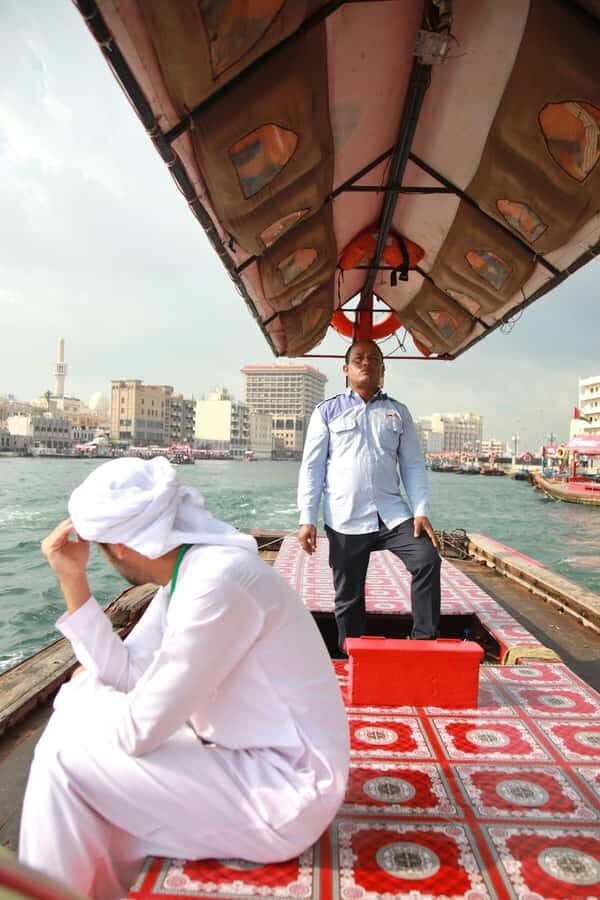
The route is built around what made Dubai trade-important long before skyscrapers did. You’ll spend time in the market areas, including Spice Souk and Textile Souk. Even if you’re not shopping, these streets give you the context for why certain flavors became part of everyday life.
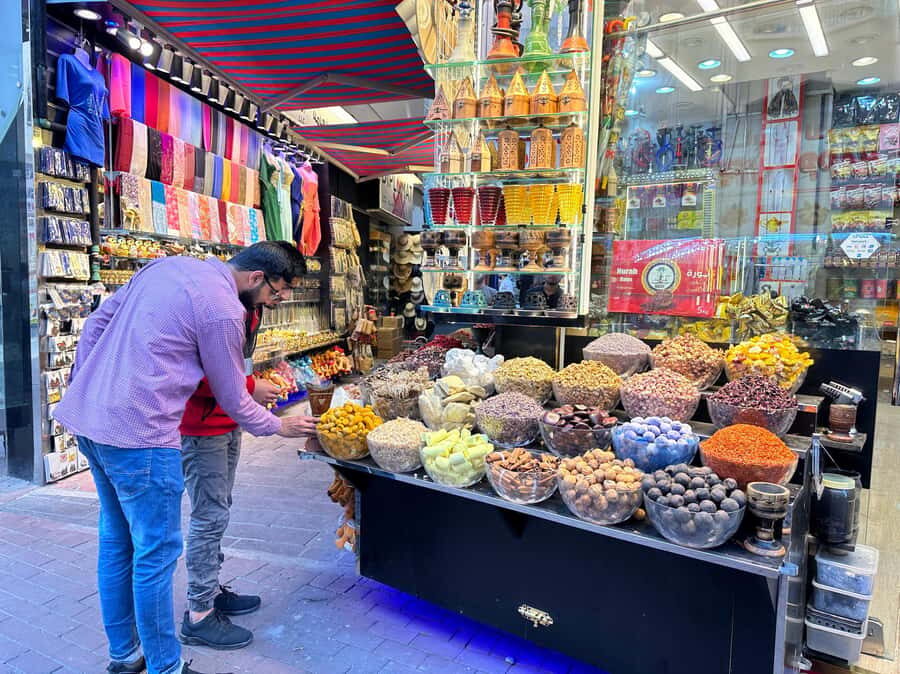
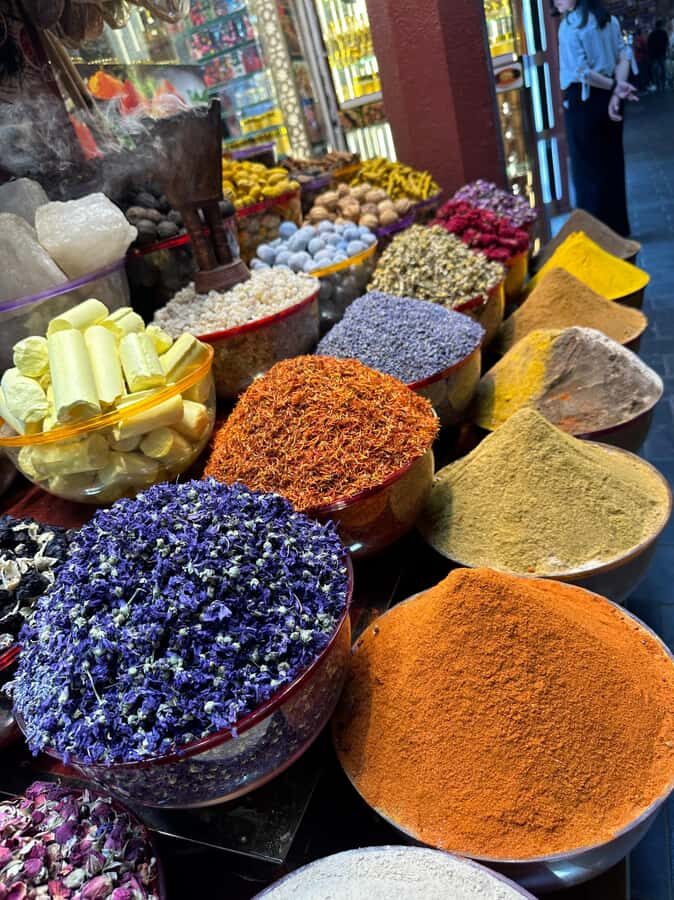
At Spice Souk, expect your senses to get involved right away. You’ll see and smell spices and dried goods everywhere, and that’s where a lot of the city’s “food logic” starts to make sense—why certain dishes taste the way they do and how cuisines travel along with goods.
Textile Souk is a nice contrast. You’re learning how trade worked in the same corridor as food. The guide’s job here is more than pointing. You’ll get cultural notes that connect everyday buying habits, traditions, and the way markets shaped local life. One guide style you might see: a lot of practical explanations and a light humor tone, like Ikram’s approach in past groups.
What you’ll care about most, though, is how the tastings match the setting. The stops aren’t random snacks. They connect to what you’re seeing around you.
Indian Temple Street: The In-Between Stops That Make Dubai Feel Real
A good food tour doesn’t only chase famous landmarks. It shows you the in-between streets where locals actually live—where restaurants, snacks, and daily routines overlap.
You’ll walk through Indian Temple Street, which helps you understand Dubai as a trading crossroads, not a single-story city. It’s one of those areas where the food experience feels grounded because you’re not just seeing a theme. You’re passing through real neighborhoods and learning how different communities have shaped the city.
This is also where the pacing matters. You’re not sprinting. You’re moving in short sections, tasting, then walking again. That rhythm keeps you from getting “market fatigue” too fast.
If you’re someone who loves stopping for a quick look at street life—shopfronts, people waiting, the flow of foot traffic—this part is where Old Dubai clicks.
Falafel, Dates, and the Camel Milk Tea and Chocolate Moment
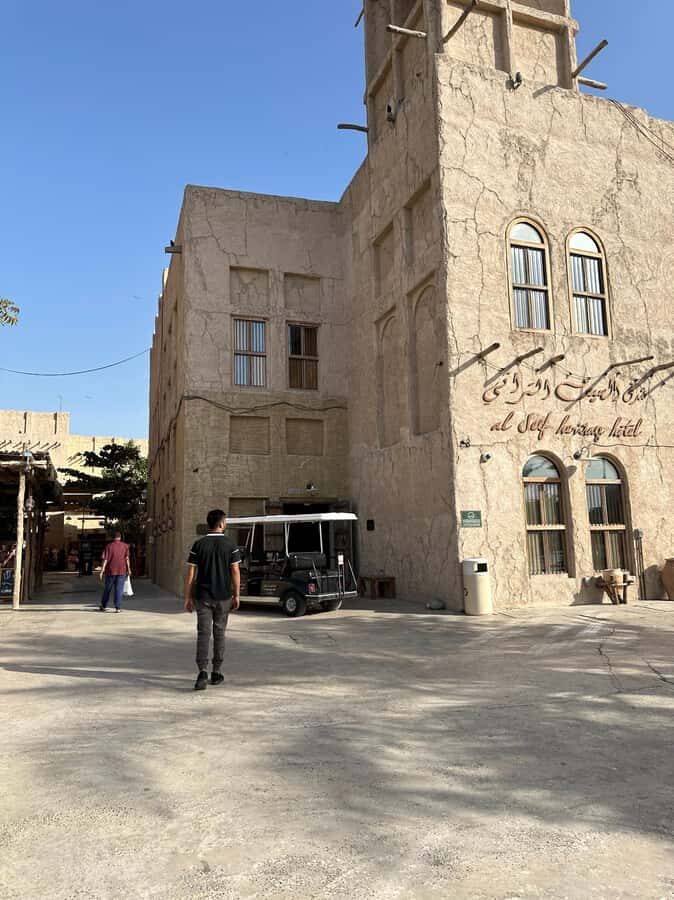
This tour is built around eating, and the best parts are the bites that feel distinctly local.
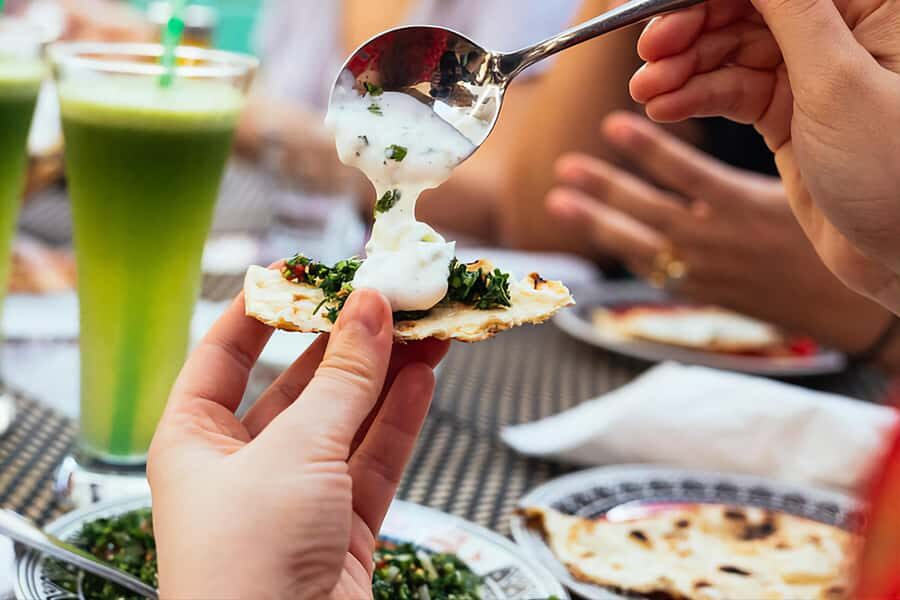
You can expect classics like dates and falafel, served in ways that reflect local taste rather than tourist-style plating. Dates are a big deal in the Gulf for everyday snacking and special moments, and pairing them with other bites helps you understand how sweetness fits into a meal—not just dessert.
Falafel is another anchor. It can taste very different depending on where you eat it, and here the goal is authenticity: the flavors, textures, and seasonings that show up in the region’s everyday food. If you’re the kind of eater who likes to compare versions, this is a good chance to notice the differences.
Now for the signature surprise: camel milk tea and camel milk chocolate. These aren’t just “look what we tried” souvenirs. They’re an example of food traditions people still talk about locally. The tea version gives you a more unusual, lightly sweet direction, while camel milk chocolate leans into familiar candy territory with a local twist.
You’ll hear the guide explain what makes these options part of regional food culture, and it’s one of the reasons this tour feels more informative than a simple tasting walk.
Tip for your taste buds: keep water nearby. You get bottled water, and you’ll thank yourself when you’re switching between savory bites and sweet sips.
Al Fahidi Fort and Al Bastakiya: History That Explains the Food
Old Dubai history isn’t only about museums. It’s about why people set up where they set up, and how the city grew around trade routes and community areas.
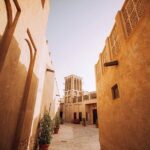
Your tour includes Al Fahidi Fort and Al Bastakiya, both strong stops for understanding what the “old” in Old Dubai actually means. Fort and neighborhood in the same outing is smart. It helps you connect the city’s defensive and administrative past to the lived-in street texture around it.
This part of the walk also answers a practical question you might have: why do some flavors and food habits stick around in specific neighborhoods? The answer is often connected to community patterns, trade history, and how families and sellers kept operating.
You’ll likely get guide explanations in clear, easy-to-follow language. Some guides (like Mahzer in one past tour example) have gone beyond the basic overview and spent extra time sharing context, while still keeping the group moving.
Even if you’re not a history person, this stop helps you see the tastings as part of a bigger picture. The food stops start to feel like clues.
A few more Dubai tours and experiences worth a look



How 12 Tastings Actually Works in 3 Hours
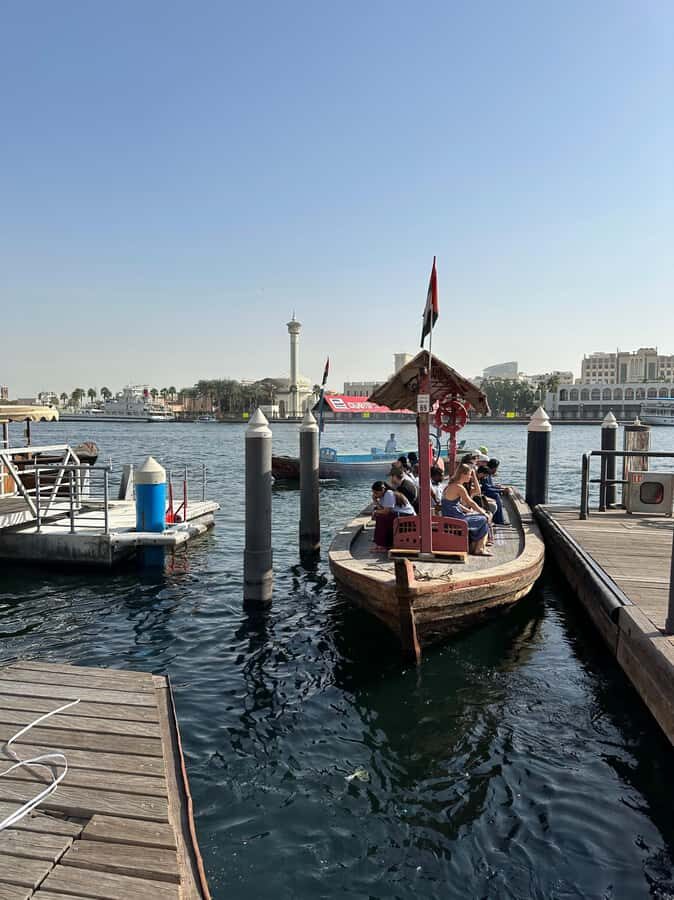
Let’s talk about the main promise: 12 different tastings in about 3 hours. That’s a lot, but it’s doable when portions are bite-sized and the pacing is organized.
The tour is designed for people who don’t mind eating more than one stop’s worth. You’re encouraged to come hungry so you can handle everything without feeling cheated. If you arrive with a heavy breakfast, you might still enjoy it, but you could end up skipping or slowing down.
The good news is that the tour typically keeps you from feeling like you’re stuffed all at once. Guides with strong pacing—like Abdullah and Ikram—have a way of spacing tastings so your stomach stays on board. In one group experience, the guide’s pacing was specifically mentioned as preventing an overly stuffed feeling.
What you’ll get across the tastings:
- savory bites (including local classics like falafel)
- sweet or sweet-leaning items (dates and camel milk chocolate type moments)
- local drinks (including camel milk tea)
- water to keep you comfortable during the walking
If you’re the kind of eater who likes variety over repetition, this tour fits. If you’re someone who prefers full meals and long sit-down time, you might find the style more snacky than restaurant-y.
Price and Value: What You Really Get for $107
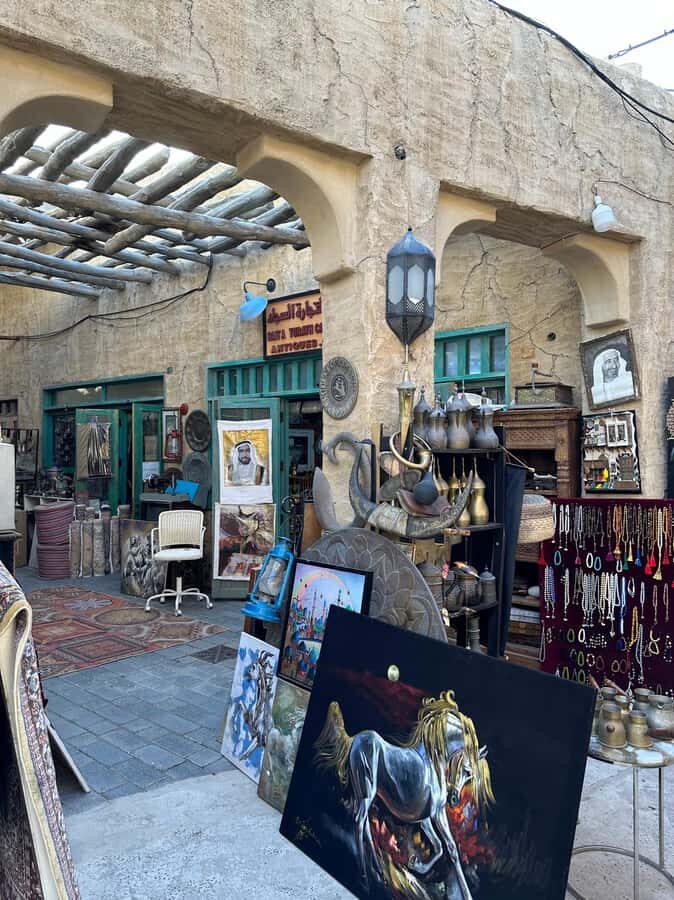
At $107 per person, this tour isn’t cheap, but it also isn’t overpriced in the way some tasting tours can be. Here’s why the value can make sense:
You get:
- a local guide
- 12 tastings (food plus drinks)
- bottled water
- an experience that combines food with guided walking through Old Dubai spaces like souks and Bastakiya
A private guide is doing the heavy lifting. They manage timing, choose stops, and explain what you’re eating while you walk. That’s hard to replicate alone unless you’re already planning a full research trip.
Also, the meeting point setup (Al Ras metro) helps you keep costs reasonable. You’re not paying for hotel pickup that you might not need.
The best value test for you: would you pay to walk through Old Dubai with someone explaining what you see, while feeding you along the way? If yes, this price is easier to swallow.
If you’re mostly interested in one famous dish and don’t care about a guided walk, you can likely spend less elsewhere. But if you want a structured local-food sampler with context, this is a strong deal.
Who This Tour Fits Best (and Who Should Skip)
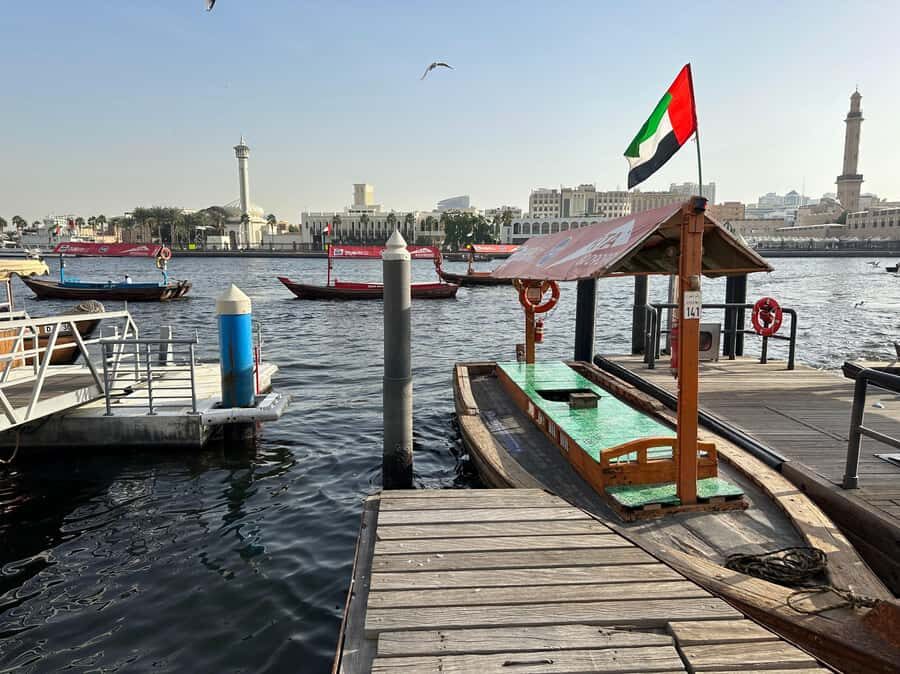
This private tour works best if you:
- like street-level food experiences
- enjoy history that connects to daily life, not just plaques
- want a variety pack of local bites in one afternoon
- are comfortable walking for a large chunk of the 3 hours
You’ll also probably enjoy it if you like small surprises. Camel milk tea and camel milk chocolate are not the default “food tour” items, and they add real local flavor to the lineup.
On the other hand, it may not be a fit if:
- you need wheelchair access or have mobility limits, since the tour is not suitable for people with mobility impairments
- you plan to bring large luggage, since bags are restricted
- you hate walking through crowded streets and market areas
Quick tips so your tour goes smoothly
These are small things that matter in real life.
Wear comfortable shoes. Even though the tour is only 3 hours, market walking adds up.
Use sunglasses if you’re out during bright daylight. You’ll be outside and moving.
Bring light. No large bags or luggage. You’ll move easier and feel less stressed.
Eat with a plan. If you want to try everything, don’t arrive starving but also don’t arrive full. Aim for “ready to snack-to-meal.”
And if you see a shop or stop with extra sales pressure, stay friendly and keep your focus on the next tasting. One past experience noted that a promotional push in a shop felt unnecessary, so keep that mindset.
How Guides Make or Break a Food Tour
What comes through strongly is guide quality and how they handle the group.
Different guides have different voices, but you’ll see the same strengths:
- engaging explanations
- good pacing
- clear language, often with strong German ability (Hadi was specifically noted for excellent German, and other guides also shared info in an engaging way)
- humor in the way they connect food and culture
Names you might hear from prior groups include Uzma, Hadi, Abdullah, Mahzer, Mazhar, and Ikram. Since the tour offers English and German, it’s worth checking that the language you want is available for your date so you get the full story with every bite.
FAQ
FAQ
How long is the private food tour?
It lasts 3 hours.
How much does the tour cost?
The price is $107 per person.
What is included in the tour price?
You get a local guide, 12 local food and drink tastings, and bottled water.
What tastings should I expect?
You’ll try 12 different local food and drink items, including well-known classics such as dates and falafel, plus camel milk tea and camel milk chocolate.
Are hotel pickup and dropoff included?
No. Hotel pickup and dropoff are not included.
Where do I meet the guide?
The meeting point is Al Ras metro station, Exit no 1.
What language is the live guide?
The live tour guide is available in English and German.
Can I bring luggage or large bags?
No. Luggage or large bags aren’t allowed.
Is the tour wheelchair accessible?
No. It is not suitable for people with mobility impairments or wheelchair users.
Is free cancellation available?
Yes. There is free cancellation up to 24 hours in advance for a full refund.
Should you book this tour?
If you want a focused way to experience Old Dubai food and history in one go, this is an easy yes. The mix of 12 tastings, memorable items like camel milk treats, and walking stops such as Spice Souk, Textile Souk, Indian Temple Street, Al Fahidi Fort, and Al Bastakiya makes the tour feel like a real local route, not a checklist.
Book it if you’re comfortable walking and you want context with your snacks. Skip it if mobility is an issue for you or if you prefer long sit-down meals over a tasting rhythm.
If you like practical value—food quantity, a private guide, and a route that teaches while you eat—this one belongs on your shortlist.