REVIEW · DUBAI
Private Walking Tour in Dubai / Old Dubai Tour
Book on GetYourGuide →Operated by Yalla Habebeee tourism · Bookable on GetYourGuide
Old Dubai tells its story on your feet. I love how Al Fahidi shows everyday trading-town life, and how the abra ride makes Dubai Creek feel real, not staged. One thing to consider: it’s only 3 hours, so you’ll move at a steady walking pace in the heat.
You’ll follow a local guide (certified by Dubai government) through the old neighborhoods and markets, with time for photos and short shopping stops. The tour ends at Al Ras Metro Station or a taxi drop-off, depending on what you choose, which makes it easy to continue your day.
In This Review
- Key Takeaways Before You Go
- Why Old Dubai Feels Different on Foot
- Meeting Point and Getting Set for a 3-Hour Walk
- Al Fahidi: Desert-Trade Dubai in One Neighborhood
- Al Seef and Bastakia: Where Old Streets Meet Waterfront Life
- Al Souq Al Kabeer and Bur Dubai Markets: The Noise With Meaning
- Al Fahidi Fort and Dubai Museum: Seeing the City Through Evidence
- Dubai Creek by Abra (and a Water Taxi Add-On)
- Dubai Spice Souk: Smell, Trade, and Camel Milk Tea
- Gold Souk: Big Showpieces and Smarter Browsing
- Price and Value: What $47 Buys You Here
- Practical Comfort: Footwear, Heat, and How to Keep the Day Pleasant
- Who Should Book This Tour (and Who Might Skip It)
- Final Call: Should You Book This Old Dubai Walking Tour?
- FAQ
- FAQ
- How long is the private walking tour in Old Dubai?
- Where do I meet the guide?
- Is this a private tour or a group tour?
- What language is the tour conducted in?
- Is the tour wheelchair accessible?
- What parts of Old Dubai do you visit?
- Do you include a boat ride?
- Is there a cost per person?
- Can I cancel or reserve without paying right away?
Key Takeaways Before You Go
- Government-certified local guide, small group size (limited to 12) so you can ask questions without feeling lost.
- Al Fahidi + Al Seef + Bastakia gives you the look and feel of old Dubai, not just one photo spot.
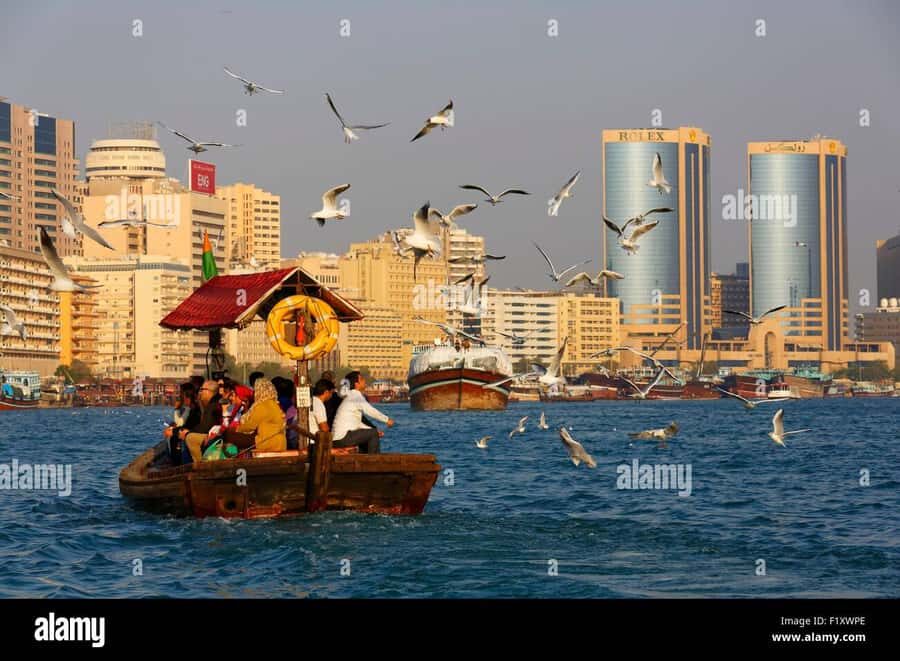
- Abra (traditional boat) on Dubai Creek plus a short water taxi ride so you see the city from the water.
- Gold Souk and Spice Souk in the same loop means you can compare how goods and smells shaped daily life.
- Camel milk tea stop and time to browse local date and sweet stacks.
- End at Al Ras so you’re not stuck trying to find your way back.
Why Old Dubai Feels Different on Foot
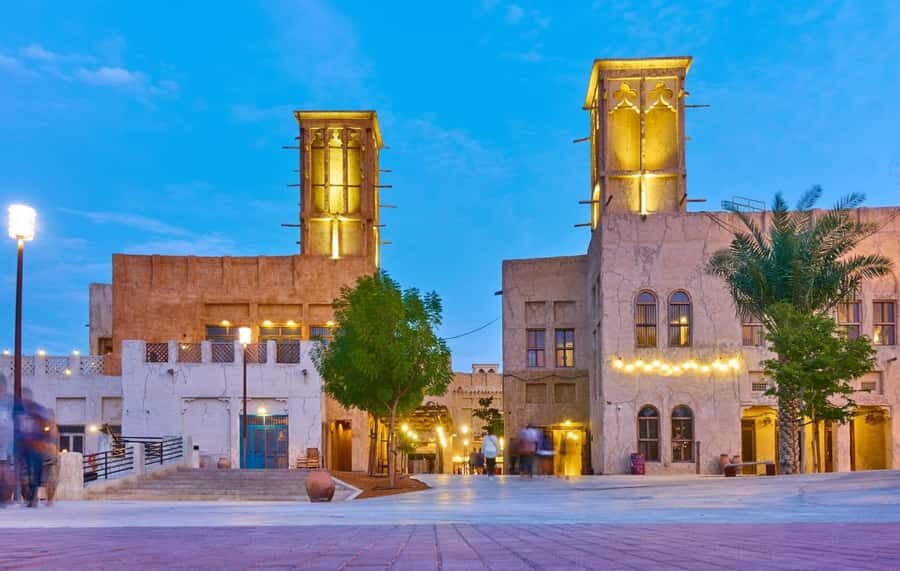
Dubai has a second face, and it’s not the shiny skyline. Old Dubai is about older trading lanes, low-rise streets, and water connections that made commerce possible. Walking through it, you notice details you’d miss from a taxi window.
This tour is built for that kind of attention. You start in the historic Al Fahidi area and move into the souk zones where gold and spices pull people in from every direction. And because you include the creek crossing by traditional boat, you get a sense of how the water shaped daily routes.
You can also read our reviews of more walking tours in Dubai



Meeting Point and Getting Set for a 3-Hour Walk
You meet your guide outside Sharaf DG metro station, exit 4. That’s a smart setup because metro helps you arrive without hunting for parking, and the meeting point is clear.
You’ve got 3 hours, which sounds short until you’re actually walking between neighborhoods and stopping for photos. Expect a steady rhythm: guided time inside key areas, then enough free moments to look around, shop if you want, and take breaks when the guide offers them.
This is also a small group tour (up to 12 people). You’ll still be walking with others, but it’s not a giant herd, and that usually means you get more direct answers along the way. If you care about questions—food history, old trading routes, why certain souks exist—this setup helps.
Al Fahidi: Desert-Trade Dubai in One Neighborhood
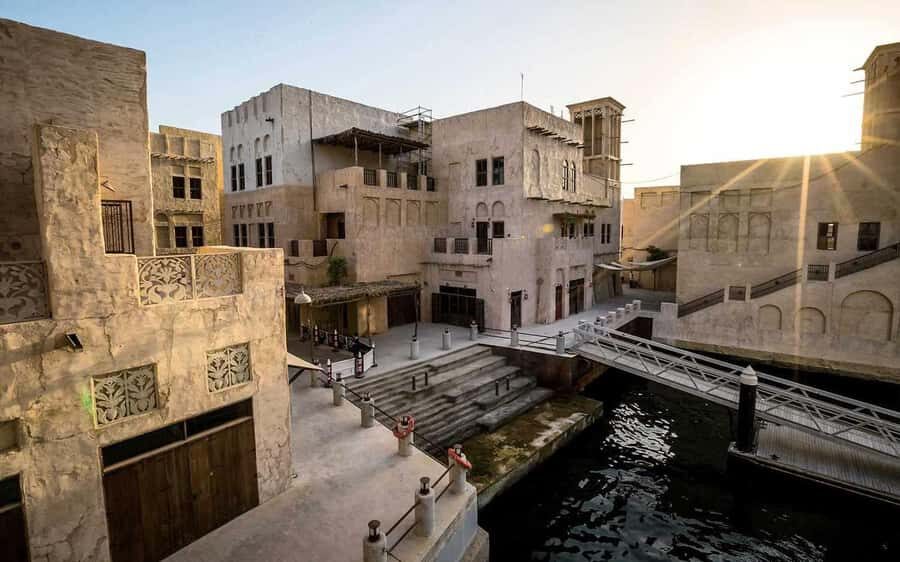
The tour begins in the Al Fahidi historical area, where you start understanding Dubai as a trading town rather than a modern megacity. Here, the streets and architecture point back to how people lived and worked during earlier decades.
You’ll walk through the guided section and get context for what you’re seeing. That matters, because without a guide, it’s easy to treat Al Fahidi like just another heritage stop. With a guide, it becomes a story: how the city grew, how communities were organized, and how the desert economy connected to the sea.
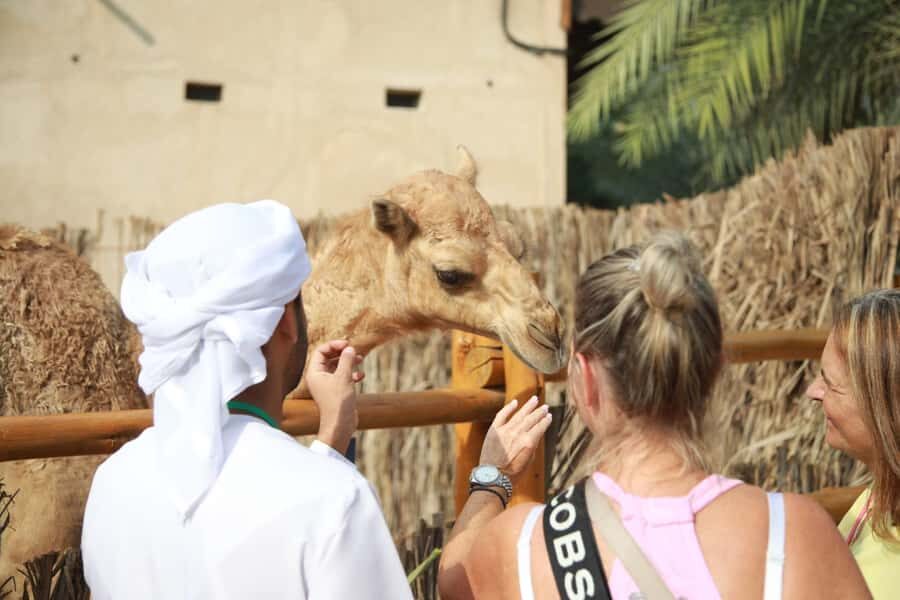
You also pass through elements tied to older life, including camel and tent house features. Those small details help you picture the day-to-day world behind the photos.
Al Seef and Bastakia: Where Old Streets Meet Waterfront Life
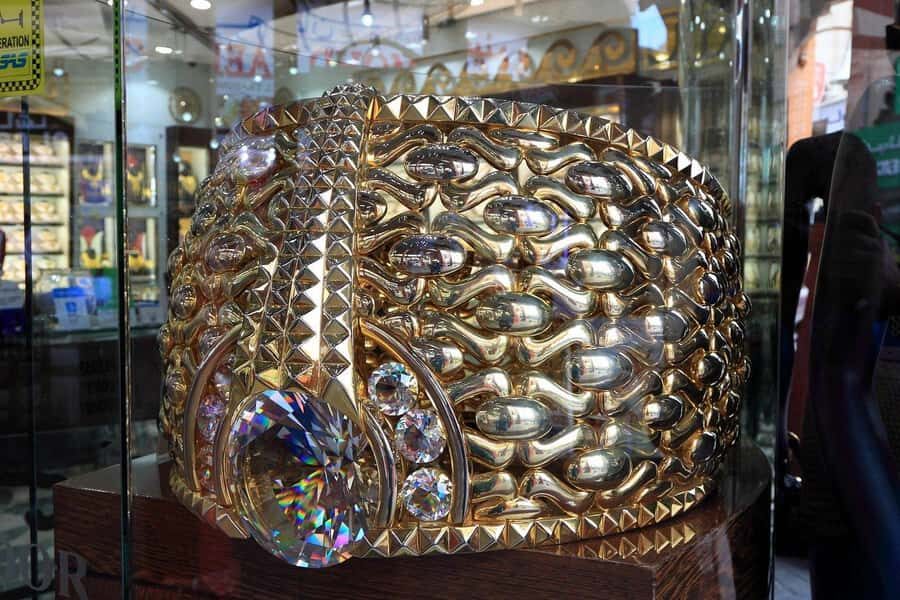
Next up is Al Seef, where you’ll get a photo stop plus guided time. Al Seef is one of those areas that shows Dubai’s habit of blending past and present—so you can compare what remains and what’s been rebuilt around it.
Then you head to Al Bastakiya, also spelled Bastakia in some materials. This area is known for older courtyard-style structures and the kind of narrow lanes that slow your pace naturally. With a guide, it’s easier to understand why these buildings and layouts made sense in the heat and in a city built around trade and water routes.
If you like architectural details, this stretch is where you’ll notice them. If you’re mainly there for shopping, you’ll still benefit, because the souks later feel less random when you understand their neighborhood context first.
Al Souq Al Kabeer and Bur Dubai Markets: The Noise With Meaning
You’ll visit Al Souq Al Kabeer for a guided stop and photo time. This is where the tour starts feeling like a working market environment, not just a heritage walk.
Then you move toward Bur Dubai, with a stop connected to the classic commercial flow of the area. One of the best parts of doing this on foot is that the guide can point out how market zones tend to cluster—so you understand why gold and spices end up in specific areas rather than just wandering randomly.
You’ll also get time for browsing, including local sweet and date stacks. That’s not just a snack moment. It’s a small window into how local trade habits showed up in everyday treats.
You can also read our reviews of more private tours in Dubai






Al Fahidi Fort and Dubai Museum: Seeing the City Through Evidence
Along the way you’ll pass by Al Fahidi Fort and the Dubai Museum. You might not spend hours inside based on the 3-hour pace, but even a guided pass-by helps you connect the visual world of the neighborhood with what the museum tells.
This part is valuable because it grounds the street story. You’re looking at places that relate to earlier decades, and the guide can help you connect what you see to the historical themes tied to the fort and museum.
If you’re someone who likes facts alongside photos, this segment is a good match. It keeps the walk from turning into only shopping and scenery.
Dubai Creek by Abra (and a Water Taxi Add-On)
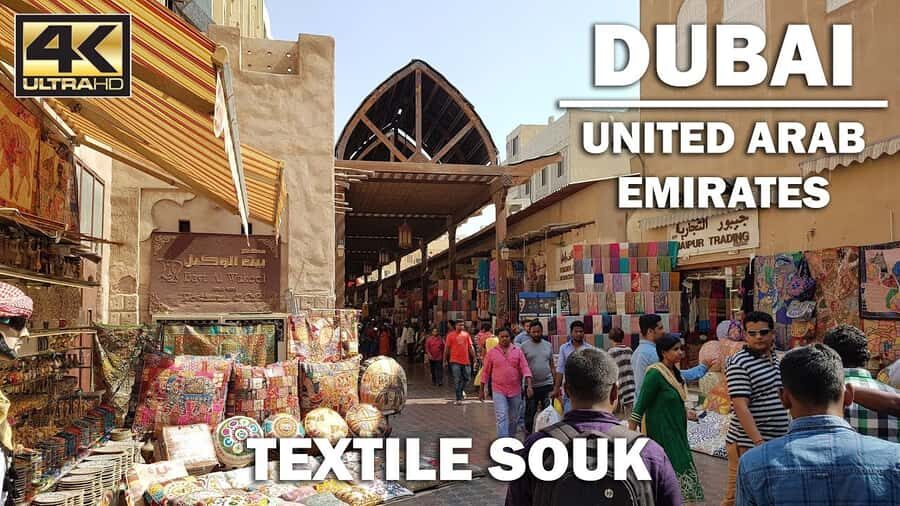
A highlight is the crossing area: Bur Dubai Abra Dock, where you’ll take a short traditional boat ride (abra). Seeing Old Dubai from the water changes your perspective fast. Streets and buildings suddenly line up in a way you just can’t get from ground level.
The tour also includes a short water taxi time. That combination—abra for tradition and water taxi for a quick shift—helps you get both the classic feel and an efficient route.
If you’re photographing, bring your phone or camera strap and keep it close. When you’re on a boat, everything moves: you, the guide, and the view. It’s a fun kind of chaos, and it’s also why this stop ranks high for many people.
Dubai Spice Souk: Smell, Trade, and Camel Milk Tea
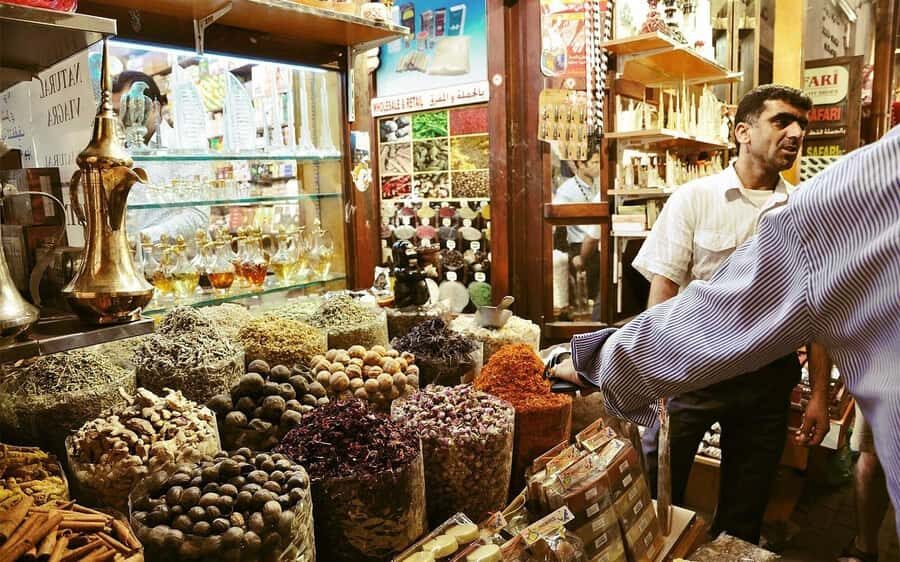
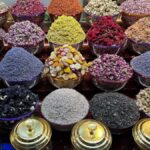
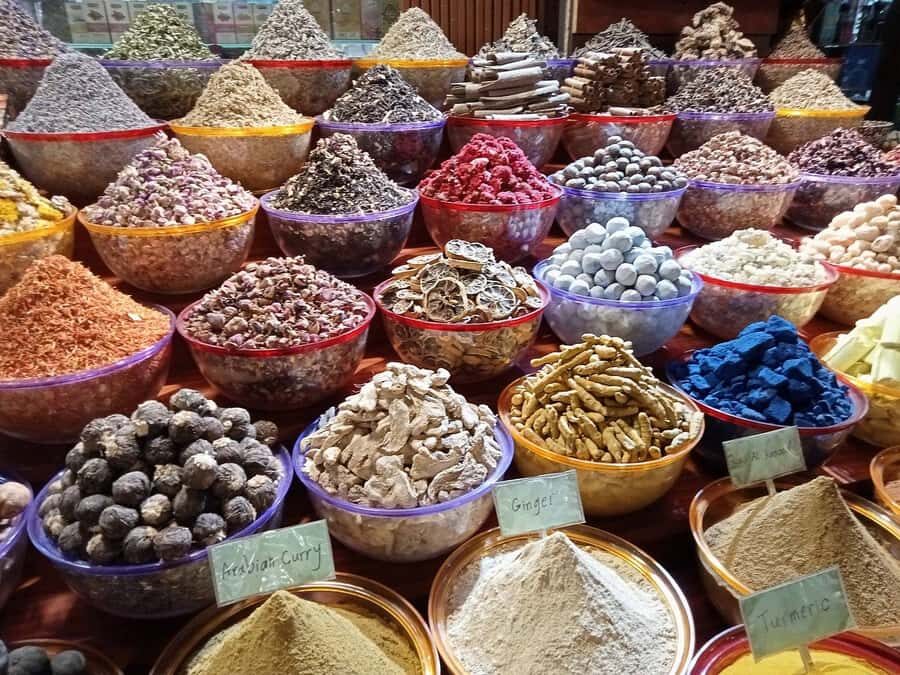
Then comes Dubai Spice Souk. This is where the senses take over: the guide can explain how spices were historically stored and traded, and why they were tied to both cooking and medical uses in older times.
You’ll have time for a guided look plus shopping time if you want it. I like this structure because you’re not pressured—you can ask questions about specific items, then decide if anything is worth buying.
A neat included touch is complimentary camel milk tea. It’s the kind of small tradition that makes the tour feel more personal than a checklist walk. If you’re curious about local drinks and ingredients, it’s worth sampling.
Gold Souk: Big Showpieces and Smarter Browsing
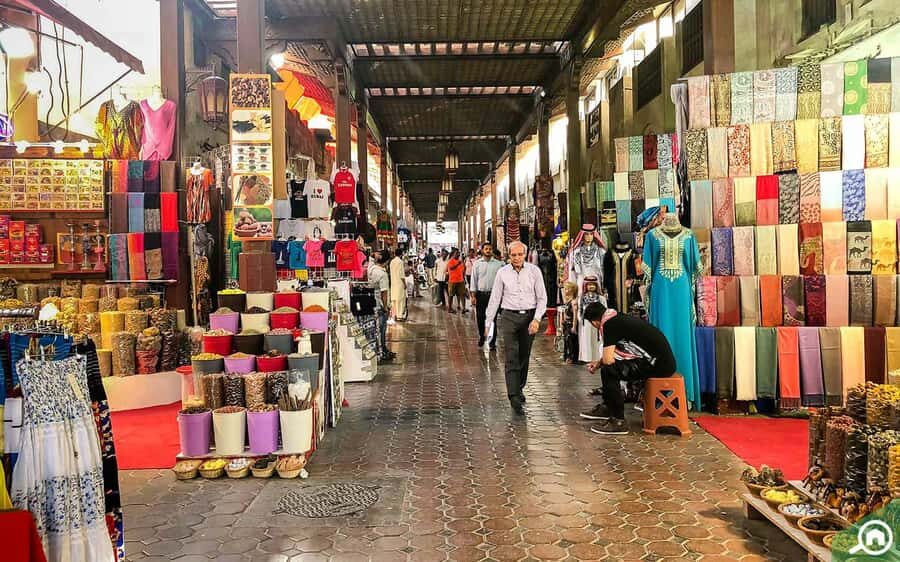
After spice comes Dubai Gold Souk with photo stops, guided time, and free time for shopping and sightseeing. The Gold Souk is where Dubai leans into spectacle, and you’ll even hear about the biggest gold ring in the world as part of the way the souk markets its highlights.
I suggest treating the gold stop as both a visual experience and a learning moment. Look at the styles, notice how items are displayed, and listen to what your guide explains about the market culture. When you understand the context, you shop more confidently or decide not to shop at all.
For people who want souvenirs, this is also a practical point in the tour to buy something. You’ll have already worked up an appetite for seeing how goods are sold—now you can compare styles and pricing logic across the market zones.
Price and Value: What $47 Buys You Here
At $47 per person for a 3-hour guided walk, the value comes from what’s bundled. You’re not just strolling through a few photo spots—you’re guided through multiple historic neighborhoods, souks, and a traditional abra ride, plus time for shopping.
A big part of the worth is the guide. This is a private walking tour with a local guide certified by Dubai government, which matters because market culture and old neighborhood context are hard to piece together on your own. Also, you get skip-the-line access through a separate entrance, which helps you avoid wasted time at key stops.
The complimentary camel milk tea is a small extra, but it adds to the feeling that you’re included in the local rhythm, not just watching it from the sidewalk.
If you’re visiting Dubai with limited time and you want a high-return day, this price is easier to justify than a scattered plan of taxis plus separate tickets plus self-guided wandering.
Practical Comfort: Footwear, Heat, and How to Keep the Day Pleasant
Old Dubai walking means sun, shade, and changing levels of crowding depending on the souk area. I’d treat the day like any outdoor walking day in Dubai: wear breathable clothes, comfortable shoes, and keep water in mind.
Some guides in the program have been praised for keeping people hydrated, including bringing bottles of water when it’s hot. Still, don’t count on that as your plan. Bring your own water too, especially if you’re heat-sensitive or traveling with kids.
Also, if you plan to shop, expect that some items may tempt you with strong visuals. Set a small budget before you start browsing, and use your guided time for questions about what you’re looking at instead of getting swept up on impulse.
Who Should Book This Tour (and Who Might Skip It)
This tour is a great fit if you:
- want a structured path through Al Fahidi, Al Seef, and the souks
- like learning how old trading life shaped what you see today
- want a short, focused day (3 hours) instead of a long research project
It’s less ideal if you want hours and hours of museum time. With only a 3-hour window, the pace stays active and guided stops keep moving. If you’re the type who wants to linger for half a day in one place, you might prefer a longer heritage plan.
The tour is English-language and is listed as wheelchair accessible, which is helpful if your group has mobility needs. Walking tours still require effort, but the access note suggests the operator works with different needs.
Final Call: Should You Book This Old Dubai Walking Tour?
If you’re curious about how Dubai worked before the skyline took over, I’d book this. You get the old neighborhoods, two major souks, and the creek crossing by abra, all in a tight timeline that’s easy to fit into your trip.
My main decision point is your tolerance for walking in warm weather and your desire for structure. If you like a guided route with time to browse, this is a strong way to spend the day.
FAQ
FAQ
How long is the private walking tour in Old Dubai?
The tour duration is 3 hours.
Where do I meet the guide?
Meet your guide outside Sharaf DG metro station exit no 4.
Is this a private tour or a group tour?
It’s described as a private walking tour with a small group limit of up to 12 participants.
What language is the tour conducted in?
The tour is English.
Is the tour wheelchair accessible?
Yes, the activity is listed as wheelchair accessible.
What parts of Old Dubai do you visit?
You’ll cover Al Fahidi (including the historic neighborhood area), Al Seef, Al Bastakia, Al Souq Al Kabeer, Al Fahidi Fort and the Dubai Museum (pass by), the Bur Dubai Abra dock, and the Dubai Spice Souk and Dubai Gold Souk.
Do you include a boat ride?
Yes. You’ll have a short traditional abra boat ride along Dubai Creek, and there is also a water taxi portion.
Is there a cost per person?
Yes. The price is $47 per person.
Can I cancel or reserve without paying right away?
You can cancel up to 24 hours in advance for a full refund. You can also reserve now & pay later, keeping your travel plans flexible.