REVIEW · DUBAI
Shared Walking Tour in Shindagha Museum and Streets of Old Dubai
Book on Viator →Operated by Nat · Bookable on Viator
Old Dubai tells stories at walking speed. This loop links Shindagha Museum with the scent-and-ingredients world of the Perfume Museum, then threads you through Old Dubai streets, souks, and a classic Abra creek crossing. I love how the museum stops give context you can actually use, and I love the creek crossing for the views and the slow change of pace. One drawback: it’s a lot of walking and it’s weather-dependent, so you’ll want good conditions (or at least a prepared mindset).
I also like the small group size—max 6 travelers—because it keeps questions from getting lost. The tour is led by a licensed guide, with English and Italian available, and the guide Nat comes through with practical advice for navigating the city and finding better quality when shopping starts.
You’ll spend time in Old Dubai streets and major markets like the Gold Souk, but the pace is still manageable if you have moderate fitness. You’ll move between areas on foot, with the tour starting near Al Ghubaiba Metro Station and ending around the Gold Market area.
In This Review
- Key highlights you’ll feel right away
- Shindagha Museum: Creek Museum and Perfume Museum made practical
- Al Fahidi: stepping into Old Dubai before the skyline takes over
- Dubai Spice Souk: where trading shows up in smell and choices
- Abra across Dubai Creek: the best time to pause and look
- Dubai Gold Souk: shopping logic, not just shiny displays
- Textile Souk: color, materials, and a practical ending
- Price and value: what $89.41 buys you in real terms
- Who should book this Old Dubai walking tour, and who should skip
- Smart tips to make the most of the day
- Should you book?
- FAQ
- How long is the Shared Walking Tour in Shindagha Museum and Old Dubai streets?
- Where does the tour start and end?
- What’s included in the tour price?
- Is lunch included?
- Is the tour suitable for everyone physically?
- What’s the weather requirement?
Key highlights you’ll feel right away
- Shindagha Museum + Creek trade context: you see how Dubai grew from a trading-and-fishing area.
- Perfume Museum techniques and ingredients: traditional methods, plus the role of Arabic perfumes and saffron.
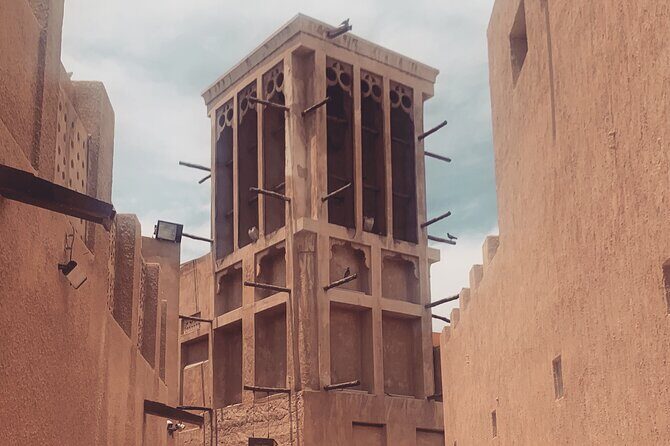
- Old Dubai lanes at Al Fahidi: a calmer, pre-modern contrast to the newer skyline.
- Abra crossing across Dubai Creek: a classic wooden boat ride that gives perspective fast.
- Souk time you can shop with confidence: spice, gold, and textiles in a guided flow.
Shindagha Museum: Creek Museum and Perfume Museum made practical
The day starts at Al Shindagha Museum, and it’s a smart opener. Instead of jumping straight into shopping, you get the background for why these neighborhoods developed the way they did. You’re told that Dubai’s historic and humble beginnings matter, and the museums are where that story becomes clear.
First up is the Creek Museum area. You learn how the creek worked as a trading place—an idea that’s easy to understand once you’ve seen the setting and heard how people moved goods. For me, the value here is that it turns what could be just a pretty waterfront walk into a cause-and-effect story. When you later hit the spice and gold markets, you’re not just looking at merchandise. You’re seeing the economic logic that built the city.
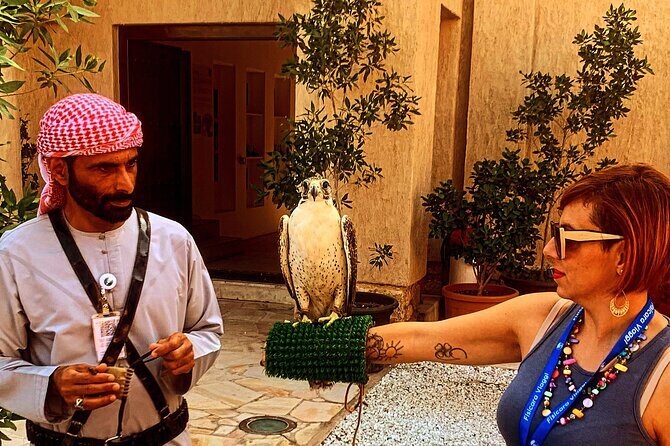
Then comes the Perfume Museum. This stop is all about traditional techniques for making scented oils and perfumes, with roots that stretch centuries. The details matter: you hear about different origins of Arabic perfumes and saffron, and you start connecting local ingredients and trade routes to what you smell and buy later. Even if you’re not shopping for fragrance, it gives you a way to talk about what you’re seeing instead of treating it as random museum trivia.
What I like most is the balance: you get a modern presentation while keeping the traditional feel. That means less staring at labels and more understanding. The experience can also be more personal at the right moment—one highlight from the experience notes is an Emirati woman at the perfume house who explained things close to closing time with warmth and real know-how.
Time note: plan for about 1 hour at the Al Shindagha Museum segment, so this isn’t a deep, all-day museum commitment. It’s meant to set you up for the streets.
You can also read our reviews of more walking tours in Dubai


Al Fahidi: stepping into Old Dubai before the skyline takes over
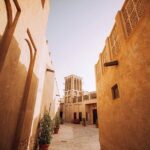
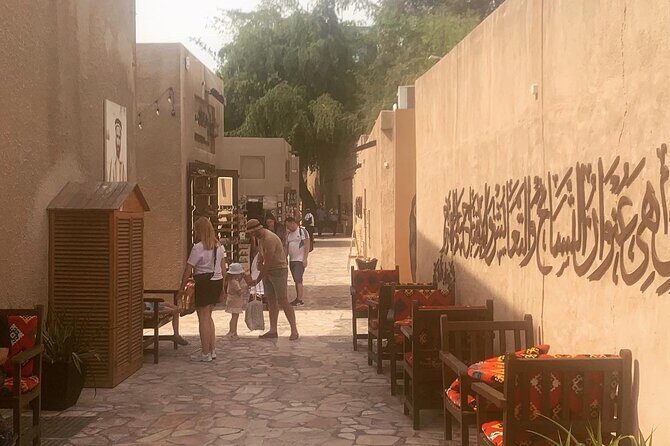
After the museums, the tour slows into neighborhood mode with a walk through Al Fahidi. This is one of those stops where the whole point is the contrast. You see life before modernity—not as a frozen theme park, but as a street-level sense of how the area works.
You’re given about 45 minutes here, which is just enough time to get your bearings without feeling rushed. The guide’s job becomes important at this stage. It’s easy to wander through an old district and miss what’s meaningful. With a guide, you’re more likely to notice patterns—street layout, the way buildings and walkways feel, and how the neighborhood connects back to the creek and trading areas.
The practical drawback is also pretty straightforward: this is still walking time. If your feet run hot or you hate sun, treat this as your reminder to wear comfortable shoes and bring a hat. In good weather it’s a satisfying reset; in harsh heat it can feel longer than the clock says.
Dubai Spice Souk: where trading shows up in smell and choices
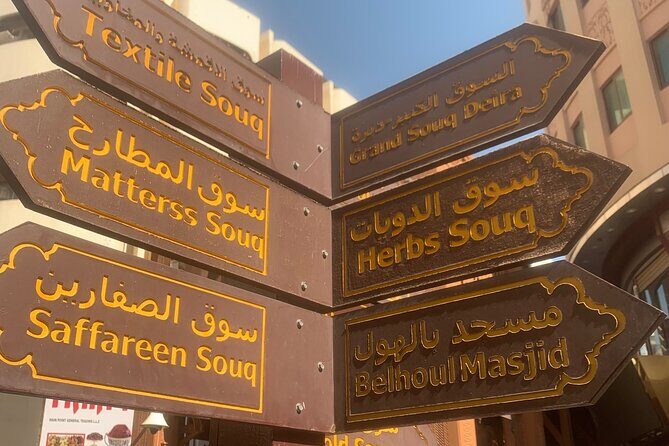
Next, you head to the Dubai Spice Souk, and the emphasis is on understanding why Dubai became a trading place. The souk isn’t just a place to buy. With the earlier museum context, you’ll start noticing the logic of the market: why spices traveled, why people traded them, and why ingredients became status and survival at the same time.
You get about 45 minutes in this market. That’s enough time to browse without turning it into a long grind. It’s also enough time to learn what to ask for and what to compare. The guide can help you spot better options and avoid the classic tourist trap of buying something that looks impressive but doesn’t taste or smell as expected.
A helpful way to use this stop: treat it like a tasting and learning session. Ask what’s fresh, what’s commonly used in local cooking, and how blends differ. Even if you’re not buying, you’ll come away with a clearer sense of how the market feeds kitchens.
One consideration: markets can be crowded and narrow in spots, and you’ll be sharing space with shoppers. Go slow, keep an eye on your phone in busy lanes, and don’t block anyone’s path while you inspect bags.
Abra across Dubai Creek: the best time to pause and look
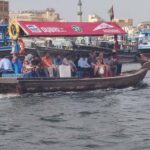
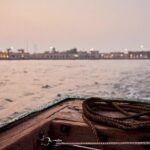
Sometime after the spice market, you cross the Dubai Creek by traditional wooden boat Abra. The boat ride is a key part of the experience because it resets your perspective. You move between sides of the creek the way people have for generations—simple, visible, and very different from hopping onto a rideshare and calling it a day.
You don’t get a stated minute-by-minute schedule for the Abra, but it works as a natural breather between shopping stops. It also helps you understand the geography. Once you’ve seen the water and watched how the banks look from the boat, the walking sections feel more connected.
If you’re taking photos, this is your best window. Aim for shots where the waterline and the surroundings are visible, not just close-ups. It’s also a good moment to check your direction for the next souk area, since the day continues into heavier market time after this.
Dubai Gold Souk: shopping logic, not just shiny displays
Then the tour moves into Dubai Gold Souk territory, where the sheer scale changes the experience. You’re told there are more than 300 shops selling gold, diamonds, and precious stones. That number alone explains why a guided flow helps; left alone, it’s too easy to get distracted and waste time in the wrong lanes.
You also get a very specific prompt: make sure you don’t miss the biggest gold ring in the world made of 21k of gold, weighing 61 kg. Whether you’re seeing it through a storefront view or within a dedicated display route, the point is the same. You’re going to get pointed toward a major landmark inside the souk area, not just walk past it by accident.
This is also where the guide’s shopping advice becomes real value. One experience note highlights that the guide pointed people toward quality items and explained how to navigate the city. Even if you’re not buying, you’ll learn how to think. Gold and gems can be confusing fast, and it helps to know what questions to ask and how to compare.
The stop is about 45 minutes. That sounds short, but gold souks don’t move on your schedule—they move on the shopkeepers’. You’ll do better if you enter with a plan: decide whether you want browsing time or buying time. If you want to buy, set a rough budget mentally before you step inside so you don’t get pulled into shiny decisions you regret later.
You can also read our reviews of more museum experiences in Dubai



Textile Souk: color, materials, and a practical ending
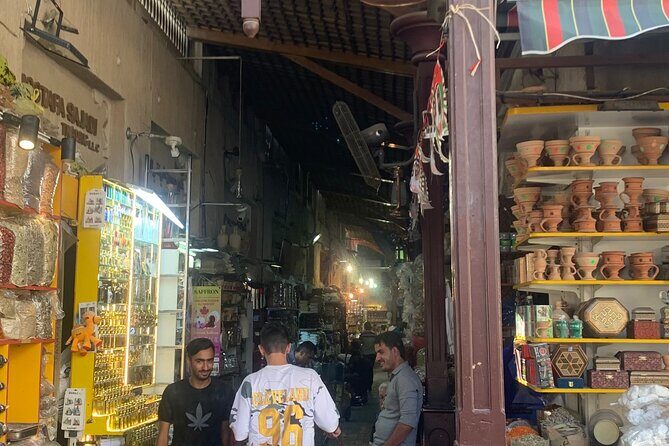
To close the market loop, you head to the Textile Souk for about 45 minutes. This one is included, which is a nice detail because textiles can be where you either find great deals or get stuck in indecision. The shops display colorful textiles from India and Pakistan, giving you a different trade flavor than spices or gold.
This stop works best if you’re thinking beyond souvenirs. Even simple fabric purchases can become gifts or useful items later, depending on what you select. If you’re interested in buying, keep an eye on the type of fabric and the quality cues you can see directly. If you’re only browsing, treat it as a visual palette cleanser after the intensity of gold.
One more practical note: if you’re sensitive to heat, plan for the day’s end. You’re still walking, and souk crowds can build as the afternoon moves on. Bring water, and don’t be afraid to slow down during the last stretch.
Price and value: what $89.41 buys you in real terms
The price is $89.41 per person for about 5 hours of touring, in a small group (up to 6). The best way to judge value here is to look at what’s included, because a lot of the time on this kind of route is spent in places where entry fees can add up.
What you get included:
- Licensed English/Italian guide
- Entry to the Creek Museum and Perfume Museum
- Abra/boat ride across the creek
- A traditional house experience
- Textile Souk admission
What’s not included:
- Lunch
- Transportation to and from the hotel
This pricing feels fair because you’re paying for guided time plus multiple paid admissions plus the boat ride. The stops like Al Fahidi, the Spice Souk, and parts of Gold Souk are listed as free admissions, so your money is really going into museum access, the guided narrative, and the Abra crossing. For me, that’s the sweet spot: a guided day that doesn’t feel like you’re being herded from one paid attraction to another.
Who should book this Old Dubai walking tour, and who should skip
This tour fits you if:
- You like your sightseeing with context, not just photos.
- You want a small group and time with a guide instead of a crowd.
- You’re curious about trade: spices, perfume ingredients, and why the city formed around exchange.
You might skip it if:
- You hate walking in the sun. The route is outdoors across multiple areas.
- You’re hoping for a long sit-down lunch break. Lunch is not included, and time is used for moving between stops.
- You want a museum-only day. The museums are meaningful, but they’re only part of the experience.
It also helps if you have moderate physical fitness. The tour is designed to be walkable, but it’s still a full half-day of movement.
Smart tips to make the most of the day
A few practical moves will make this easier and more fun:
- Wear shoes you trust. You’ll be walking between Al Fahidi area, souks, and the creek crossing.
- Plan for good weather. The experience notes it needs good conditions, and that makes sense because so much depends on outdoor walking and the boat ride.
- Decide your shopping style early. If you want textiles or spices, this is your moment. If you want gold, go in prepared to compare and ask questions.
- Bring a light layer. Even when it’s warm, the boat ride and market air can feel different than street-level sun.
- Keep a small shopping list. Otherwise, the markets can overwhelm your choices quickly, especially at the Gold Souk.
Should you book?
Yes, I’d book it if you want Old Dubai with a guide who keeps the story connected to what you actually see. The combination of Shindagha Museum, Perfume Museum, the Abra crossing, and time in the spice, gold, and textile souks makes the day feel like more than shopping and more than museum staring.
The main reason not to book is weather and walking. If you’re sensitive to heat or you’re traveling during unsettled conditions, you’ll probably feel it more than you want. If conditions are good and you like trade-focused city stories, this is a strong value for your time in Dubai.
FAQ
How long is the Shared Walking Tour in Shindagha Museum and Old Dubai streets?
It lasts about 5 hours.
Where does the tour start and end?
It starts at Al Ghubaiba Metro Station and ends at the Dubai Gold Souk area (the Gold Market), with directions provided for how to take transportation afterward.
What’s included in the tour price?
Included are a licensed English/Italian guide, entry to the Creek Museum and Perfume Museum, the Abra/boat ride, a traditional house, and textile souk admission.
Is lunch included?
No. Lunch is not included.
Is the tour suitable for everyone physically?
It’s recommended for travelers with a moderate physical fitness level.
What’s the weather requirement?
The experience requires good weather, and if it’s canceled due to poor weather, you’ll be offered a different date or a full refund.