REVIEW · DUBAI
Visit Old Dubai History, Culture, Neighborhood Walking Tour
Book on Viator →Operated by Hamdan Old Dubai Walking Tour · Bookable on Viator
Old Dubai teaches fast, even in a few hours. You’ll move through Al Seef, Al Bastakiya, and Al Fahidi while learning how the UAE works socially and religiously, and you get hands-on culture with coffee, dates, and sweets. I especially liked the way Mr. Shafi kept the group engaged with clear answers to every question, and the free samples made the culture feel immediate instead of textbook. One thing to plan around: it can be hot and humid, so bring water and expect some sweaty walking.
If you want a taste of daily life, this tour is built for that. You’ll see traditional homes, stop for an open-air museum entry, visit a mosque for a short primer on Islam, and wind up in the souk zone for spices and gold. It’s also a private format, so your group stays together and the pace feels easier to manage.
One more practical note: you start at 9:30 am and end near the Gold Souk, which is great for continuing your day, but it also means you’ll want to wear comfortable shoes. The whole route is only a few hours, so you’ll get a lot—just not “every detail of Old Dubai,” because the streets don’t slow down for anyone.
In This Review
- Key highlights at a glance
- Getting oriented in Al Seef (and why the start matters)
- Al Bastakiya: historic houses, Creek-side context, and UAE basics
- Al Fahidi: traditional rooms, a mosque stop, and Islam in plain language
- Boat ride time: the calm break that makes the route click
- Souks in the afternoon: spices, gold, and what to look for
- Open-air museum entry and street food: the “feel it” part
- The guide factor: why Mr. Shafi’s style stands out
- Price and value: what $33.49 buys you in Old Dubai time
- Logistics and comfort: timing, shoes, and what to expect on the ground
- Who should book this tour
- Should you book this Old Dubai History, Culture, Neighborhood Walking Tour?
- FAQ
- FAQ
- How long is the Old Dubai History, Culture, Neighborhood Walking Tour?
- How much does the tour cost?
- Where does the tour start and end?
- What time does the tour begin?
- Is this tour private?
- What’s included during the tour?
- Do you visit markets like spices and gold?
- Is there a mosque visit on the tour?
- Can I get a full refund if I cancel?
Key highlights at a glance
- Mr. Shafi’s Q&A style keeps the history and culture actually understandable
- Traditional home visits that explain behavior and daily life, not just buildings
- Free tastings like Arabic coffee, dates, and camel milk chocolates to make it real
- Mosque stop with a clear, brief run-through of Islam’s pillars
- Spices Souk + Gold Souk shopping with practical guidance for finding good deals
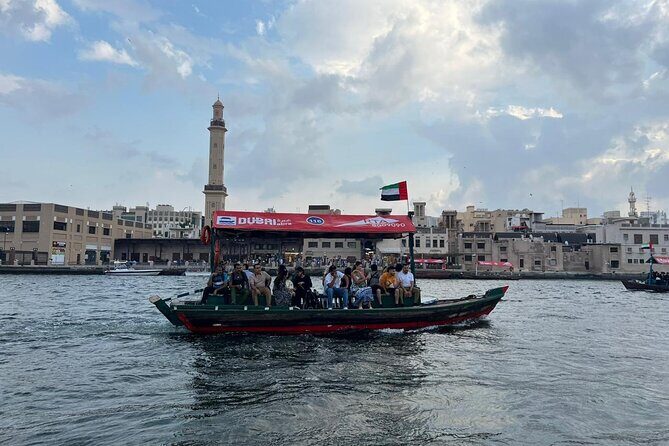
- Ancient boat ride plus street-food time so you experience the area, not just look at it
Getting oriented in Al Seef (and why the start matters)
The tour kicks off in Al Seef Heritage Village, right by the water, with an easy-to-find meeting spot near a main noodle bar. Starting here helps because it sets the vibe: this is where modern Dubai and older Dubai sit side by side.
I like the order of the route. You begin in a place that’s visually “Dubai” now, then you shift into the older neighborhoods and learn what you’re looking at. That’s an underrated travel trick. When you understand why a place is arranged a certain way, the photos look better, but more important, you feel less like you’re just following a checklist.
Because it’s a private tour for your group, the guide can adjust to questions and pacing. In the reviews, Mr. Shafi is repeatedly described as on time and responsive, and that matters on a walking tour where you don’t want long delays between stops.
You can also read our reviews of more walking tours in Dubai



Al Bastakiya: historic houses, Creek-side context, and UAE basics
Your first big neighborhood stop is Al Bastakiya, a historic area known for older-style buildings and traditional street layout. The goal here isn’t just sightseeing. You get context: the UAE’s setup, including the seven Emirates, plus how Dubai’s story fits into the broader country story.
A key part of Al Bastakiya is the traditional home experience. You’ll get inside historical houses—built more than 200 years ago—and you’ll learn what a visit typically involves. That includes what’s expected of you in terms of manners and behavior, which is one of those things that can make you feel awkward if you show up clueless.
What I found useful is how the home visit also touches the social side of life. You’ll hear cultural topics, social aspects, and even the outline of traditional marriage customs in the UAE. Even if you don’t remember every detail, you walk away understanding that culture is practiced through daily routines, not only festivals.
And yes, you’ll get those culture-you-can-taste moments. The tour includes free Arabic coffee, dates, and sweets, which is a great way to connect with what you’re being told. If you’ve traveled anywhere in the Middle East before, you’ll recognize the hospitality rhythm. If you haven’t, it’s still a simple and friendly introduction.
Al Fahidi: traditional rooms, a mosque stop, and Islam in plain language
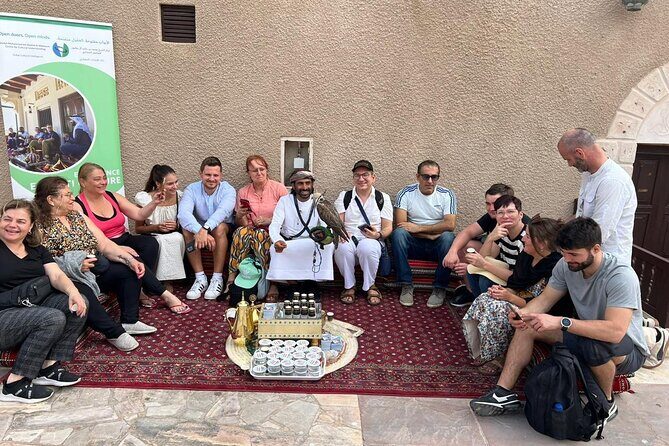
Next comes Al Fahidi. This stop focuses on how people lived for hundreds of years, with time spent in traditional rooms and displays of everyday items. The tone is practical: you’re not just looking at artifacts, you’re learning what they meant in daily life.
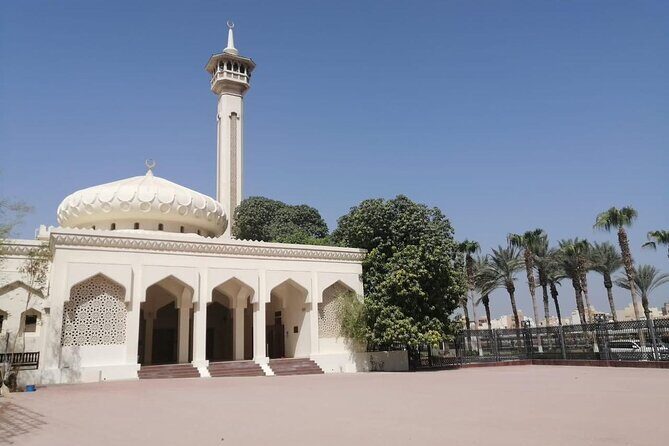
From there, the tour shifts toward a mosque area and a brief explanation of Islam. You’ll learn what Islam is, plus the pillars of Islam, and how these pillars connect to society. The way it’s described is tied to how religion helps guide governance and supports diversity across a multi-population country—basically, the idea is that shared religious foundations help hold a complex society together.
This isn’t a long lecture, and that’s good. For most visitors, you want the fundamentals clearly stated, then you can ask questions. In reviews, Mr. Shafi is praised for answering questions from the group and keeping things moving even when it’s uncomfortable outside.
Boat ride time: the calm break that makes the route click
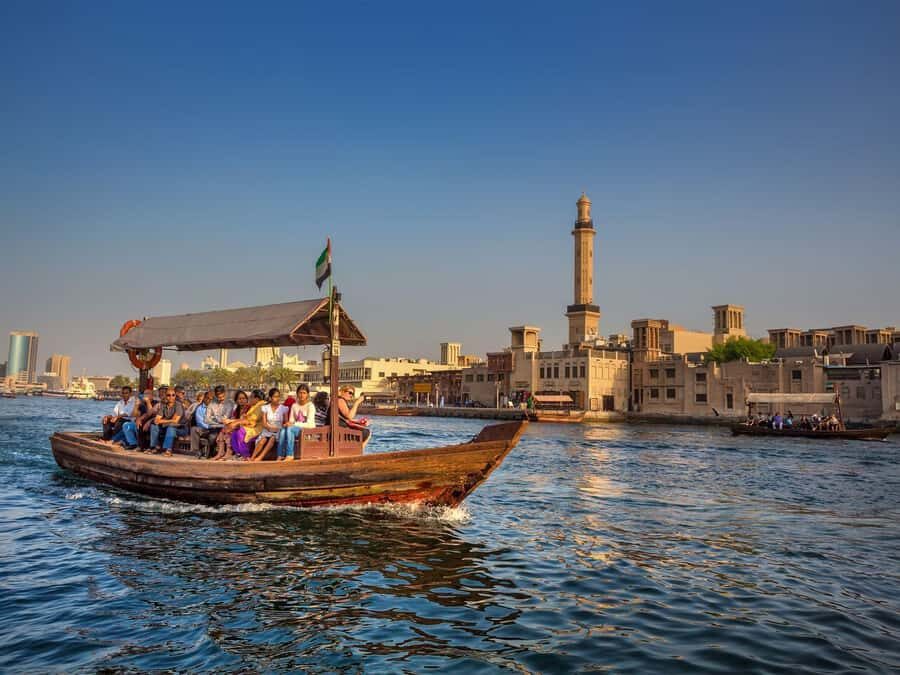
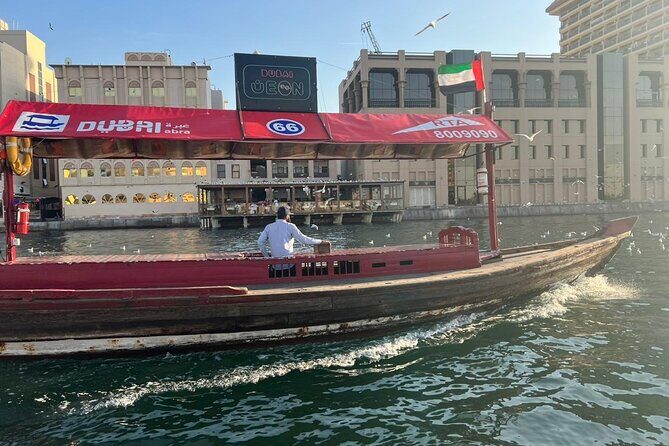
Between the neighborhoods and souks, the tour includes an ancient boat ride. Even if you’ve done canal cruises before, this one matters because it breaks up the walking with a different view of the same area you’ve been learning about.
It also gives your brain a breather. Old Dubai can hit fast—streets, textures, smells, languages you don’t speak. A short ride helps you reset so the souk section feels less chaotic and more intentional.
If you’re traveling with someone who gets bored by “history talk,” this is the moment that usually turns their mood around. It’s movement, it’s scenery, and it’s part of how the city historically functioned.
Souks in the afternoon: spices, gold, and what to look for
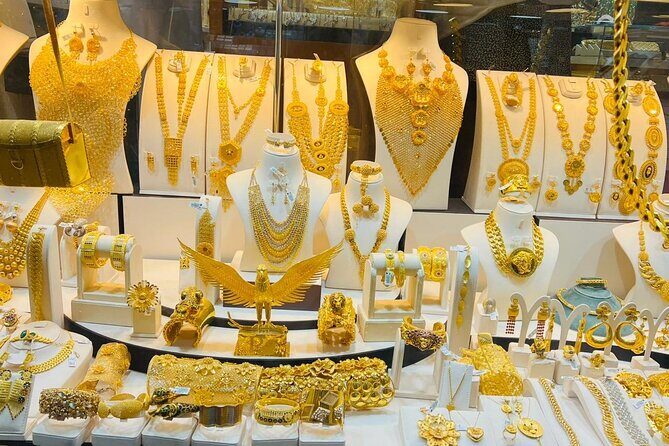
The tour’s shopping portion is built around two big targets: Spices Souk and Gold Souk. This is where you’ll actually see the economy of the area up close.
At the Spices Souk, you’ll learn about different types of spices and get a sense of what you’re paying for. The tour includes a shopping time block, so you’re not just walking past stalls. You’ll also get guided pointers through the spice shops—enough structure that you can make decisions instead of just wandering.
Then you transition into the Gold Souk. This is classic Dubai, but the advantage of doing it as part of the tour is that you understand the surrounding logic—why certain shops cluster, why the market layout makes sense, and how to shop without feeling pressured.
Shopping strategy note: the tour explicitly frames this as a chance to find best deals offers on spices, traditional clothes, and gold. You still need to use your own judgment (it’s a market, not a museum), but having a guide who understands what people are usually buying helps you avoid wasting time on items you didn’t come for.
You can also read our reviews of more historical tours in Dubai






Open-air museum entry and street food: the “feel it” part
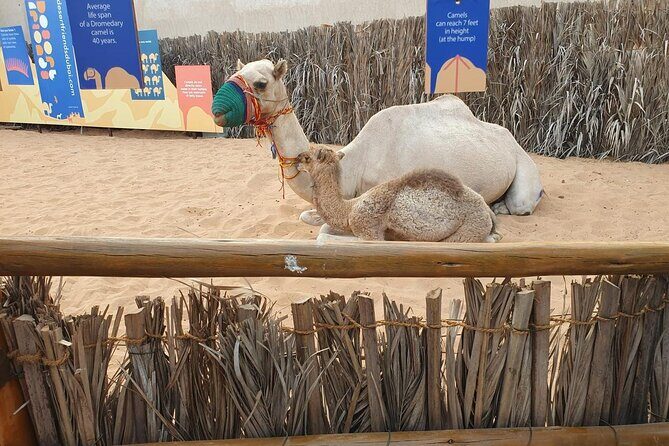
You also get free entry to an open museum. You’ll want to treat this as a quick but meaningful pause that connects what you learned in the neighborhoods to the built environment around you.
Then there’s street food time, described as the best street food on the route. Even with no specific dish names provided, the point is clear: you get a chance to eat locally as you’re walking, not after you’re already tired and ready to escape.
This matters for two reasons. First, food is part of culture here, not just a break. Second, street-level eating helps you see how the area feels when it’s operating at full speed.
The guide factor: why Mr. Shafi’s style stands out
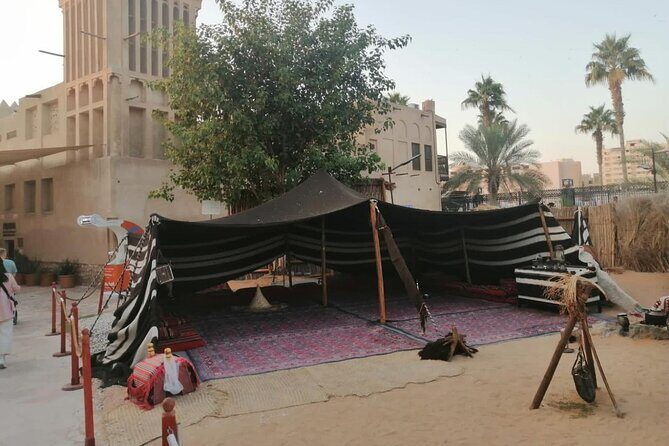
A huge part of this experience is the human factor. Reviews repeatedly highlight Mr. Shafi for making history feel usable: he explains clearly, answers questions, and keeps the group moving when conditions are tough.
One detail I appreciated from the feedback is that he didn’t just explain—he showed and offered samples to taste. That combination is what makes a walking tour work. If it’s only words, it can blur. If it’s words plus small moments to experience, it sticks.
Another practical detail from the reviews: he’s described as on time and even texting the meeting place. That removes a common stress for walking tours, where the meeting spot can be one of many storefronts.
Price and value: what $33.49 buys you in Old Dubai time
At about $33.49 per person for roughly 3 hours, you’re paying for structure and access to a tight route: multiple historic neighborhoods, a mosque stop, a boat ride, souks, and multiple culture-and-food samples.
If you try to copy this on your own, you’d still spend time figuring out what to see, where to go next, and what’s worth your energy. Here, the guide stitches it together so you don’t waste the short time you have in Dubai.
Also, snacks are included. That sounds small, but on a hot morning start it matters. Add in the coffee/date/sweet tastings described in the tour and the route feels more complete than a “look and walk” city tour.
Is it cheap? No. But for a focused 3-hour slice of Old Dubai with guided context, it’s good value.
Logistics and comfort: timing, shoes, and what to expect on the ground
The tour starts at 9:30 am. That’s a smart time window because it gives you a head start before the day gets too intense. Still, plan for heat and humidity—this comes up directly in the feedback, and it’s the kind of factor you can’t ignore in outdoor walking.
Wear comfortable shoes with grip. Old Dubai streets can mean uneven surfaces and quick turns between areas. Bring water. If you’re the kind of traveler who likes to stop for photos constantly, just know that the tour is built as a schedule, not a wandering free-for-all.
Finally, the tour ends at Dubai Gold Souk, close to transportation connections. That’s useful: you don’t have to figure out a complicated exit plan after you’re done.
Who should book this tour
This is a strong fit if you want:
- A guided intro to UAE culture and social customs through real places
- A mosque and religion overview that stays brief and practical
- A mix of old neighborhoods plus markets for shopping and souvenirs
- A guide-led experience where you can ask questions without feeling rushed
It’s probably not the best choice if you want a long, slow, museum-heavy itinerary. This is more about moving and experiencing than lingering all day.
Should you book this Old Dubai History, Culture, Neighborhood Walking Tour?
I’d book it if you’re visiting Dubai for the first time or you want to see the city beyond the skyline. The combination of historic houses, a mosque primer, an ancient boat ride, and spices and gold souks makes it feel like you covered the essentials without needing a full day.
I’d hesitate only if heat is a dealbreaker for you or if you dislike shopping environments. The route does include markets and buying time. You can shop lightly, of course, but the souk energy is part of the experience.
If you go in with comfortable shoes, a water bottle, and curiosity about how daily life works in the UAE, this is the kind of tour that leaves you with a real mental map of Old Dubai.
FAQ
FAQ
How long is the Old Dubai History, Culture, Neighborhood Walking Tour?
It’s about 3 hours.
How much does the tour cost?
The price is $33.49 per person.
Where does the tour start and end?
It starts at Wokyo Noodle Bar – Al Seef Al Hamriya, Al Seef, Heritage Village (P3, Shop 381). It ends at Dubai Gold Souk.
What time does the tour begin?
The start time is 9:30 am.
Is this tour private?
Yes. It’s a private tour/activity, so only your group participates.
What’s included during the tour?
Snacks are included, and the tour also features free tastings like Arabic coffee, dates, and camel milk chocolates, plus an open museum entry.
Do you visit markets like spices and gold?
Yes. You’ll visit the Spices Souk and the Gold Souk, with shopping time.
Is there a mosque visit on the tour?
Yes. You’ll visit the mosque area and get a brief overview of Islam and the pillars of Islam.
Can I get a full refund if I cancel?
You can cancel up to 24 hours in advance for a full refund.