REVIEW · DUBAI
Dubai: Old Town Walking Tour with Abra Cruise & Street Food
Book on GetYourGuide →Operated by Dubai Heritage Walks by Local · Bookable on GetYourGuide
You’ll taste Dubai’s past on a short walk. This Old Town tour mixes Al Fahidi District streets, classic markets, and an abra water-taxi crossing with a local guide. Al Fahidi District and guided stops are two things I really like here, because you see details you’d miss wandering on your own.
My favorite part is the combo of street food and a traditional abra ride across Dubai Creek. Guides like Abdulla and Muhammad Bilal are praised for making the history feel practical, plus they guide you through the souks with helpful shopping advice.
One thing to plan for: this is mostly on foot. It’s not suitable for wheelchair users or people with mobility impairments, and there are restrictions like no strollers or large bags. Comfortable shoes matter, or you’ll regret it by the end.
In This Review
- Key things to know before you go
- Where the tour actually starts: Al Seef, Wokyo Noodle Bar
- Al Fahidi District: old architecture that still makes sense
- Old Mosque and the Old Wall remnants: a timeline you can see
- Dubai Museum: turning artifacts into everyday understanding
- Textile Souk, Gold Souk, and spice market: shopping with a guide
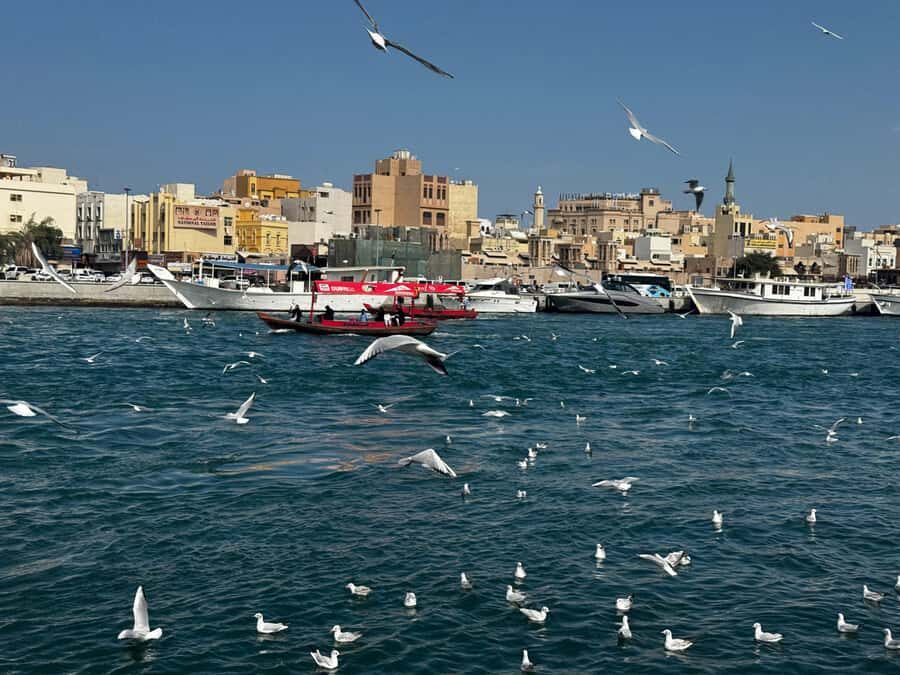
- Abra across Dubai Creek: the short boat ride that changes your view
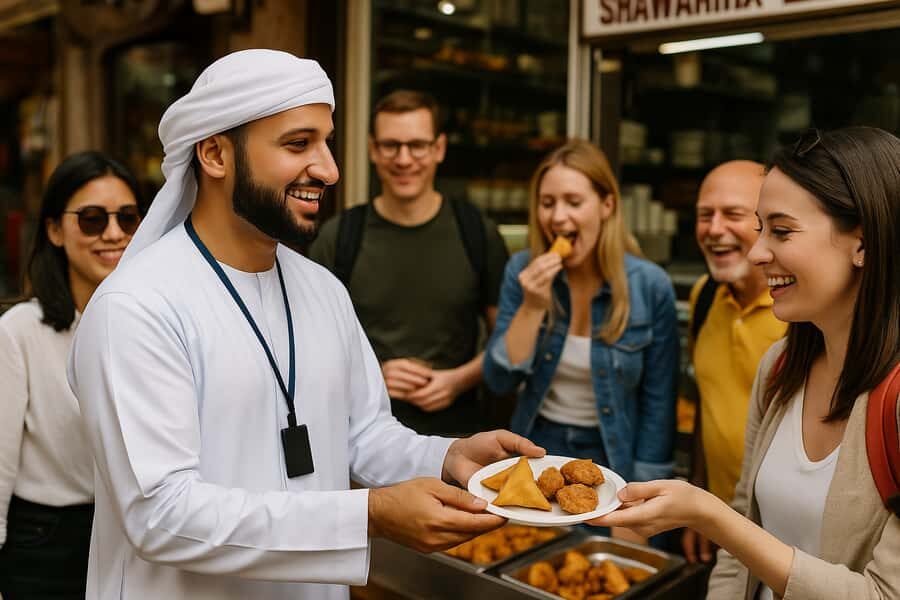
- Street food, Arabic coffee, and camel milk chocolate: what’s actually included
- Private or small-group: how the guide experience changes
- Is $26 worth it? Value for walking, boat ride, and snacks
- What to bring (and what to avoid) for a smooth Old Town walk
- Should you book this Old Town Dubai tour?
- FAQ
- Where is the meeting point for the Old Town walking tour?
- How do I get there by metro?
- Can I reach the meeting point by taxi or Uber?
- What’s included in the tour price?
- Does the tour include hotel pickup and drop-off?
- Is this a private tour or a small-group tour?
- What languages are offered?
- What should I bring?
- Is the tour suitable for young children or strollers?
- Is the tour wheelchair-friendly?
Key things to know before you go
- You’ll start in Al Seef, right by Wokyo Noodle Bar, so set your GPS and arrive early (10 minutes is the sweet spot).
- Abra crossing across Dubai Creek adds a real-world sense of scale that photos don’t give you.
- Old Dubai landmarks show up fast, including the Old Mosque and the Old Wall remnants dating to around 1800 AD.
- Souks are the main event, with stops tied to textiles, gold, and spices, plus guidance that can help you shop smarter.
- The food is part of the itinerary: Arabic coffee, street food, and camel milk chocolate are included.
- It’s small-group or private, so you can choose your pace—either social and guided, or quieter and more tailored.
Where the tour actually starts: Al Seef, Wokyo Noodle Bar
This tour meets you in Al Seef, in front of Wokyo Noodle Bar. It’s a good launch point because you’re already in the older waterfront zone, not stuck in some far-off hotel pickup shuffle. If you’re arriving by metro, the closest stop is Sharaf DG Metro Station on the Green Line, then it’s a short walk to the meeting area.
If you’re using Uber or a taxi, put Wokyo Noodle Bar – Al Seef directly into your navigation. The location detail matters because Al Seef’s streets can look similar block to block once you’re on foot.
And yes, you should arrive early. With a walking itinerary, being late doesn’t just slow you down—it holds the group. If you want the relaxed version of this experience, show up about 10 minutes before the scheduled time.
The tour ends back at the meeting point, which is convenient. You don’t have to figure out your own transport immediately after your last souk stop and snack.
You can also read our reviews of more walking tours in Dubai


Al Fahidi District: old architecture that still makes sense
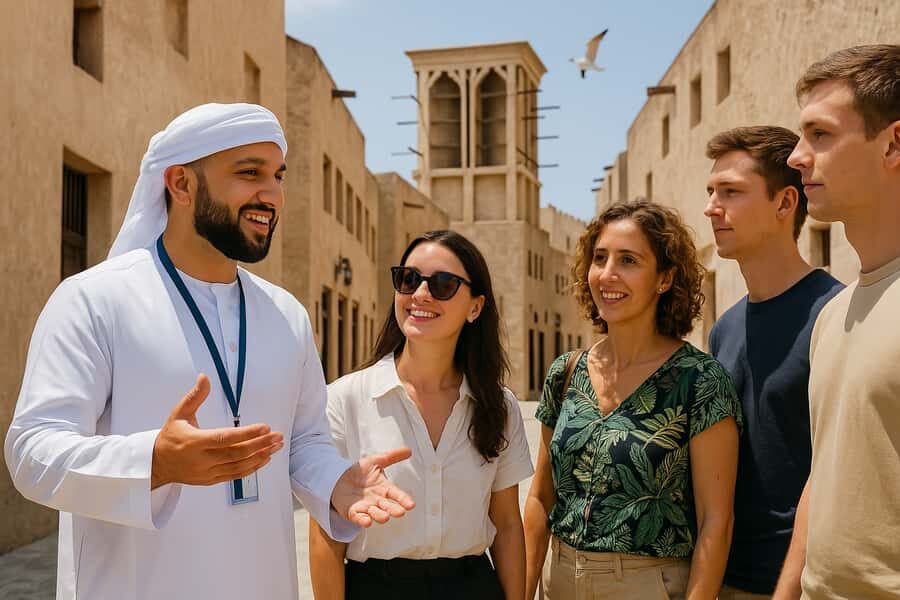
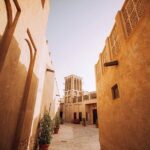
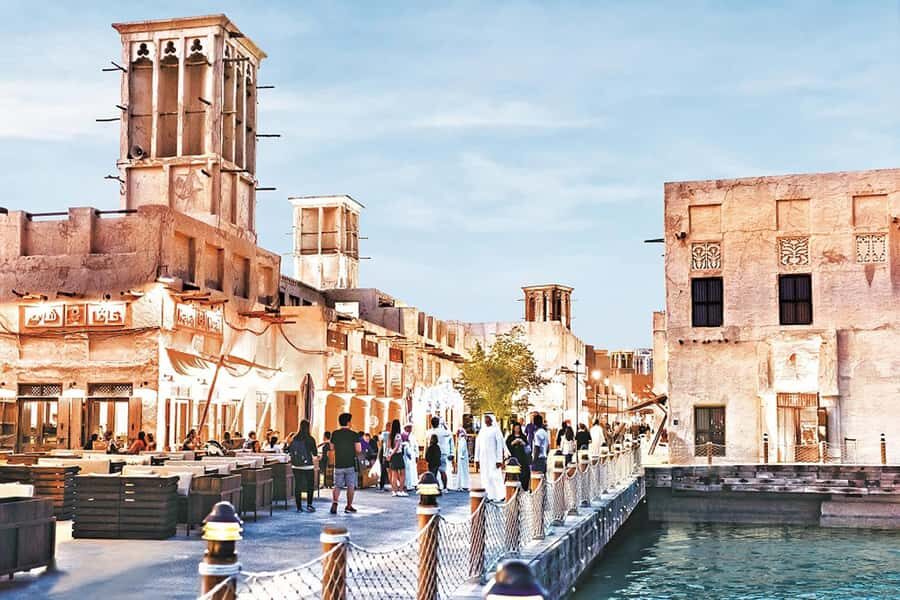
Your walking route begins in the Al Fahidi District, a part of Dubai that feels more human-scale than the skyscraper zones. You’ll notice the architecture right away—Arabian-style buildings that look designed for comfort in a hot climate. One of the most fun parts is catching the transition from older neighborhoods to the city’s later modern touches, including wind-tower-style elements that show how people once planned for cooling long before air conditioning became standard.
This isn’t just a pretty stroll. The guide frames what you’re seeing: buildings that now function as museums and galleries, plus the kind of cultural nooks that explain why Dubai built itself the way it did. In this area, even something as simple as a coffee stop can connect to a broader story of hospitality.
I like this start because it sets the tone. Instead of jumping straight into shopping, you get a foundation: how the area developed, what makes its design distinct, and how it connects to Emirati life. By the time you reach the souks, the market chatter makes more sense.
There’s also a practical payoff. When you understand the neighborhood layout and the purpose of different buildings, you don’t feel like you’re just being herded from one stop to another. You can actually follow the logic of the day.
Old Mosque and the Old Wall remnants: a timeline you can see
One of the clearest “wait, that’s still here?” moments comes when you pass the Old Mosque. The architecture here isn’t just decorative. It’s a visual reminder of how community life shaped Dubai in earlier eras.
Then you’ll see the remnants of the Old Wall, built around 1800 AD. Walls usually sound like something that belongs in a museum case. Seeing remnants in real streets is different. It gives your brain a reference point for what the city looked like before modern expansion turned everything into a layered patchwork of eras.
This section works well because it slows things down. Even if you’re excited for souks, these stops give context. The guide’s job is to connect the dots: why these landmarks mattered, what they protected, and how that history connects to the city’s identity today.
If you like history but hate textbook lectures, this is the style to choose. It’s short stops, real buildings, and explanations that connect directly to everyday life.
Dubai Museum: turning artifacts into everyday understanding
After the street-level landmarks, you’ll head to the Dubai Museum. This is where the tour turns from architecture to meaning. Museums can feel slow if you’re not sure what you’re looking for, but in a guided format, you get the story thread.
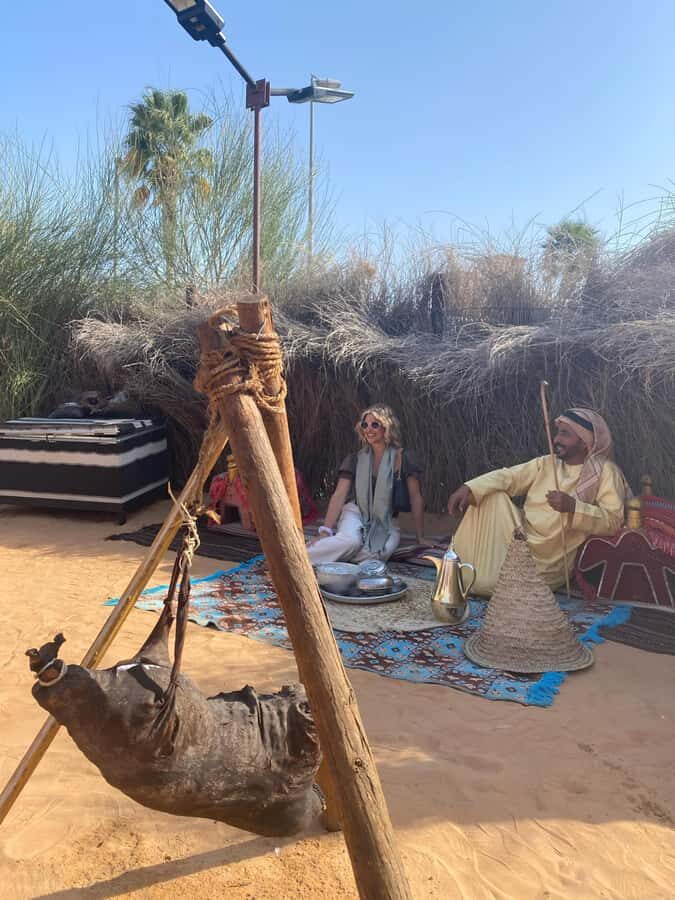
Expect to encounter relics and artifacts that help explain Emirati civilization and the way of life across time. You don’t need to be an expert to benefit. The point here is understanding the local backdrop—how people lived, traded, and organized community life.
This stop also helps with pacing. If you’re doing the full route later in the day, museum time gives you a mental breather before the markets hit full intensity.
Practical note: a museum stop means you’ll want to keep an eye on the group. Comfortable shoes help, but so does staying aware of timing—this tour moves through several districts and markets.
Textile Souk, Gold Souk, and spice market: shopping with a guide
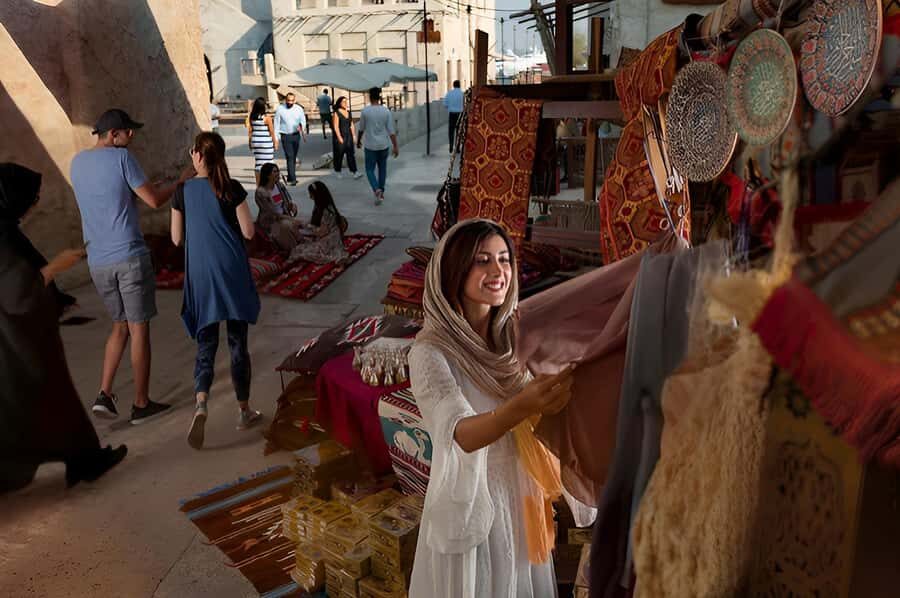
Souks are where this tour feels most like Dubai. You’ll visit multiple market areas, and each one hits a different part of the city’s trade identity.
First, you’ll spend time at the Textile Souk, where traditional fabrics show up in all sorts of colors and textures. It’s visually fun, but the bigger value is learning what you’re looking at. A guide helps you understand why textiles were so important for commerce and everyday use, not just as souvenirs.
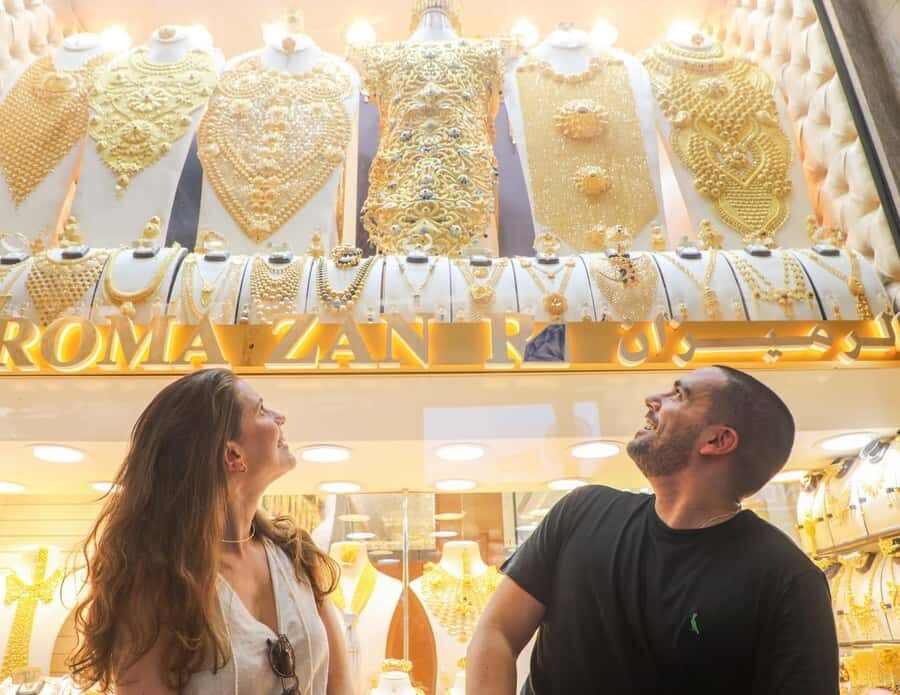
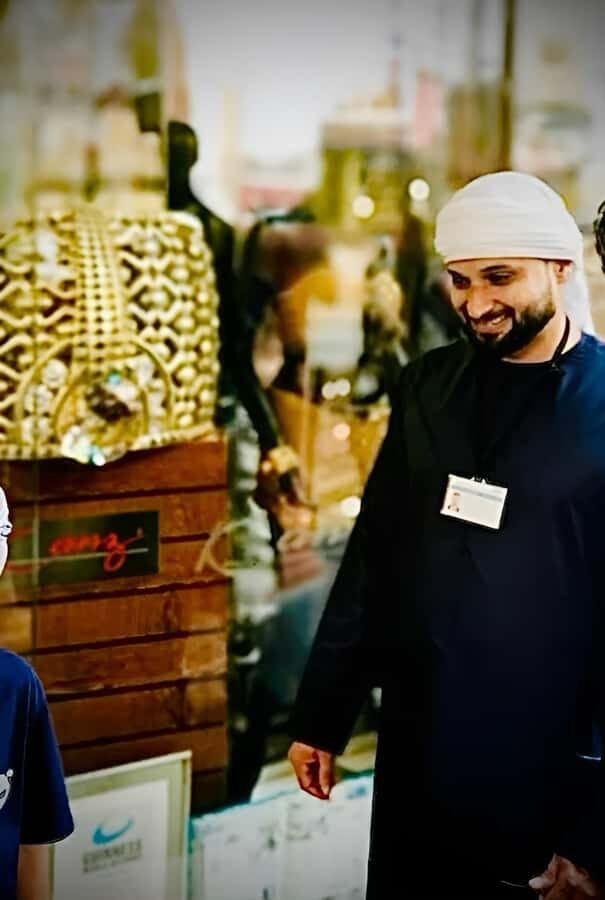
Next comes the Gold Souk, one of the best-known market zones in Dubai. The pace here is a little different from textile shopping. Gold has its own gravity—displays, craftsmanship, and the sheer number of vendors. The guide helps you navigate without feeling lost, and you’ll learn how to approach shopping confidently.
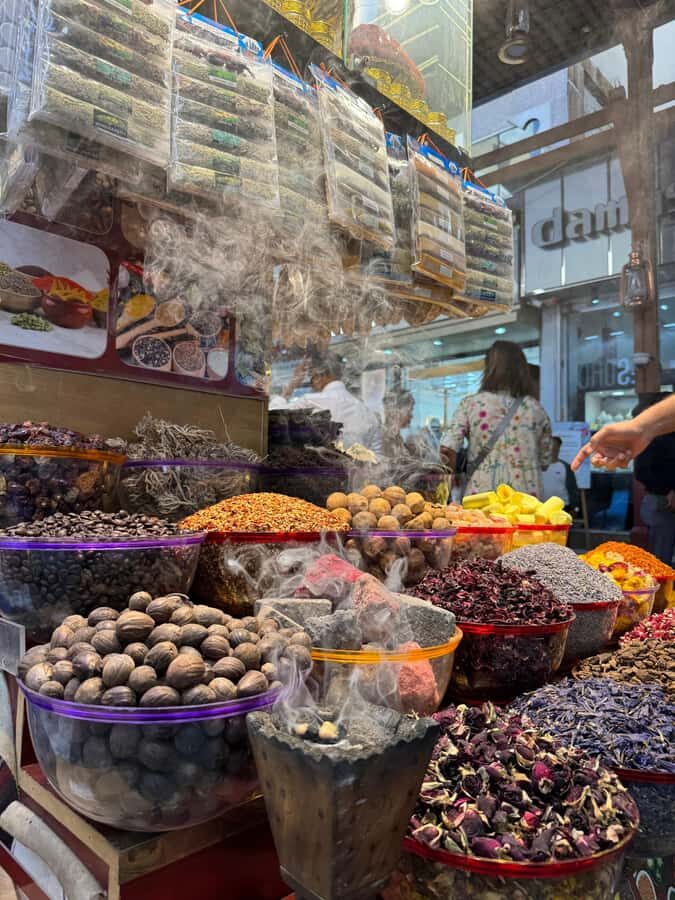
Finally, you’ll reach the spice market. This is where smells do the teaching. Expect vendors selling spices with strong aromas and lots of variety. Even if you don’t plan to buy more than a small bag, this stop teaches you how to recognize what’s being offered and why different blends are popular.
One of the most praised benefits in the feedback is how guides can help with prices and confidence while shopping. People like Abdulla and Muhammad (including Muhammad Bilal) are repeatedly credited with giving advice for shopping in the souks and helping visitors feel less intimidated by haggling. That matters. When you’re in a market with lots of noise and choices, a calm guide can save you from overpaying and from getting overwhelmed.
You can also read our reviews of more food & drink experiences in Dubai



Abra across Dubai Creek: the short boat ride that changes your view
If you only remember one moment, make it the abra water taxi trip across Dubai Creek. It’s included, and it’s one of those “small time, big perspective” experiences. Walking can make a city feel flat in terms of layout. The abra does the opposite. It reveals how neighborhoods connect across the water and how trade routes helped shape the city.
This is also where the tour becomes more than a shopping day. You get a break from walking while still staying in the flow of the tour. The group crosses, then heads into the other side where the Gold Souk and spice market are waiting.
If you’re doing this tour in the evening, one of the schedules mentioned in the feedback is 5–8pm, and the night approach can feel especially good: you’re outside, you’re moving, and you’re seeing the old-and-new contrast with softer light.
Don’t overthink it. The abra segment is short, straightforward, and genuinely helps you understand Dubai’s geography.
Street food, Arabic coffee, and camel milk chocolate: what’s actually included
This tour includes real food stops, not just one token taste.
You’ll get Arabic coffee, and it’s more than a drink. It’s a standard of hospitality in the region, and your guide can point out what it means in social life. It’s also a simple energy boost for a walking-heavy afternoon or evening.
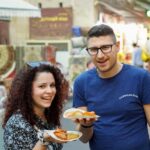
Then there’s street food. The exact menu isn’t listed in the details here, but the way the included food is described suggests you’ll be sampling local flavors as part of the market experience. The feedback is strongly positive about the food being delicious, and street food is often the fastest way to turn “I saw a market” into “I actually felt it.”
Finally, there’s camel milk chocolate. This one is memorable because it’s a fun, local-ish souvenir you can actually eat. Even if you’re not a chocolate purist, it’s a conversation starter and a good way to end the day on something sweet without adding extra stops.
Tip: eat and sip when it’s offered. Don’t try to “save room” unless you truly know your appetite. In markets, waiting can turn into searching for shade, water, and your group—none of which improves your day.
Private or small-group: how the guide experience changes
You can choose between a private experience or joining a small-group tour. That choice affects your pace and your comfort level in the souks.
Small groups can be great if you enjoy seeing how other people ask questions and how the guide handles different shopping styles. It also tends to keep energy moving, especially when you’re crossing by abra and bouncing between areas quickly.
A private option is better if you want to spend extra time on fewer places, ask more personal questions, or if you’re more camera-focused and want time for photos without checking the group’s movement.
Both options still revolve around the same core idea: a local guide connecting the architecture, markets, and culture into something you can understand fast.
From the feedback, the guides’ personalities matter a lot. Names you’ll hear include Abdulla, Muhammed Bilal, and Muhammad, and they’re repeatedly described as friendly, clear, and enthusiastic. When you get a guide who can explain what you’re seeing in simple language, the whole tour feels easier.
Is $26 worth it? Value for walking, boat ride, and snacks
At $26 per person, the value comes from the mix of included items and the cost of logistics you don’t have to plan.
You’re getting:
- A local guide for the full route
- Arabic coffee
- Street food
- Abra water taxi across Dubai Creek
- Water
- Camel milk chocolate
If you’ve ever tried to copy a combo day like this on your own—figuring out meeting spots, booking a boat crossing, then paying for multiple tastings—this price starts to look fair. You’re also paying for the guide’s ability to steer you through the souks. In Dubai, market navigation and shopping confidence can save both time and money.
The best value isn’t only the included food and transport. It’s the help with understanding what’s worth your attention—textiles, gold displays, spice variety—and the confidence to shop without getting steamrolled.
Also, since the tour ends back where you started, it avoids extra transportation decisions after you’re tired. That counts as value too.
What to bring (and what to avoid) for a smooth Old Town walk
This is a tour where your physical comfort directly affects your enjoyment.
Bring:
- Comfortable shoes
- Sunglasses
- Sun hat
- Comfortable clothes
The practical reason is simple: you’re walking around outdoor areas and markets. Even if it’s an evening departure, you’ll still spend time outside.
Avoid:
- No baby strollers
- No luggage or large bags
This matters because market space can get tight. If you have a large bag, you’ll spend the day managing it instead of enjoying the stops. Keep it light.
One more heads-up: the tour is not suitable for wheelchair users or people with mobility impairments. If you’re unsure, double-check your ability to handle uneven sidewalks and short distances between stops.
Should you book this Old Town Dubai tour?
Book it if you want an organized way to see Old Dubai without turning your day into a scavenger hunt. The biggest reason I’d choose it is the combo: old architecture and landmarks plus real market time plus an included abra crossing and included food.
Skip it if you need wheelchair access, if you hate walking, or if you prefer to shop at your own tempo with zero guidance. Also, if you’re the type who needs long museum time, you might want to add extra independent time on top, because this tour is designed to move.
If you’re on the fence, here’s my quick test: do you enjoy learning while you walk, and do you want help with souks? If yes, this is a strong match.
FAQ
Where is the meeting point for the Old Town walking tour?
The meeting point is in front of Wokyo Noodle Bar in Al Seef.
How do I get there by metro?
The closest metro station is Sharaf DG Metro Station on the Green Line, followed by a few minutes’ walk to Al Seef.
Can I reach the meeting point by taxi or Uber?
Yes. Set your GPS to Wokyo Noodle Bar – Al Seef (or enter that exact name into your navigation).
What’s included in the tour price?
The tour includes the guide, Arabic coffee, street food, an abra water taxi trip across Dubai Creek, water, and camel milk chocolate.
Does the tour include hotel pickup and drop-off?
Hotel pickup and drop-off is not included unless you choose the private option.
Is this a private tour or a small-group tour?
You can choose from a private experience or join a small-group tour.
What languages are offered?
The tour is available in English and Spanish.
What should I bring?
Bring comfortable shoes, sunglasses, a sun hat, and comfortable clothes.
Is the tour suitable for young children or strollers?
It is not suitable for children under 2 years old, and baby strollers are not allowed.
Is the tour wheelchair-friendly?
No. It is not suitable for wheelchair users or people with mobility impairments.