REVIEW · DUBAI
Dubai’s Favourite Food & Historic walking Tour
Book on Viator →Operated by Explore Dubai with Gomez & Sandy (private tours only) · Bookable on Viator
Dubai has a quieter side worth walking for. This 3-hour Old Dubai food-and-history walk starts at Al Ras Metro and moves from Deira’s lanes to Bur Dubai, with an abra ride across Dubai Creek. The small-group setup (up to 15) means you’ll actually talk with the guide, like Sandy or Malick, instead of shouting over a crowd.
I love two things most. First, you’ll eat like it’s a full meal, thanks to 12 tastings with variable quantities that keep coming—Arabic crepe, hummus-style dips, shawarma, and even camel dishes mentioned in past tour stops. Second, the stories go beyond food: you’ll hear how souks formed, why spices mattered for everyday life, and how traders and Bedouins used ingredients long before modern healthcare became common.
One consideration: at $350 per person, this isn’t a budget pick. If you just want a quick snack-and-photo stop, the value may feel more “lesson + meal” than “cheap eats.”
In This Review
- Key highlights I’d plan around
- Meeting at Al Ras Metro: starting the day like a local
- Deira’s roots: crepes, hummus, and the city’s trading beginnings
- Gold and spice souks: learning how markets stay relevant
- Spices as medicine: Bedouin life, cooking, and what to notice
- Abra across Dubai Creek: a fast reset and a real local experience
- Bur Dubai and the textile streets: more than the obvious stops
- The tastings are the meal: 12 stops and big variety
- Guides, pacing, and why the group size matters
- Price and value: is $350 worth it?
- What to bring for a comfy Old Dubai day
- Who should book this tour (and who might not love it)
- Should you book Dubai’s Favourite Food & Historic walking Tour?
- FAQ
- How long is Dubai’s Favourite Food & Historic walking Tour?
- Where does the tour start?
- What is the price per person?
- What’s included in the tour?
- Are there additional food costs during the tour?
- Does the tour include an abra ride?
- How many tastings are part of the tour?
- How big is the group?
- Is there free cancellation?
Key highlights I’d plan around
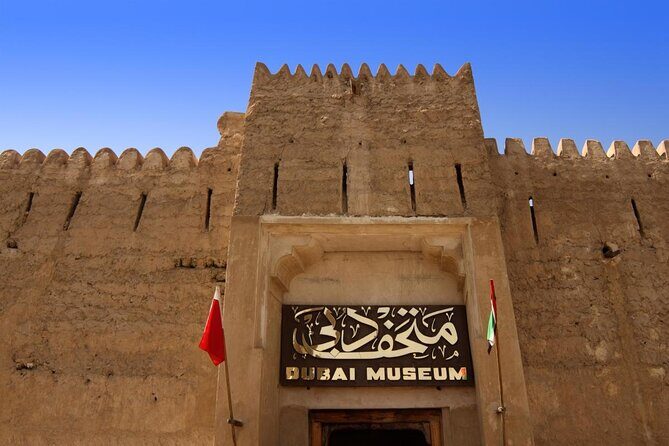
- Abra ride across Dubai Creek to connect Deira and Bur Dubai in a very Dubai way
- 12 tastings that add up to a full meal, not a few bites
- Gold and spice souk walking with practical context, including how markets endure in a shopping-by-click world
- Spices as medicine talk, tied to Bedouin life and cooking habits
- Hidden-area style wandering that includes textile souks and the Al Fahidi area
- Small-group pace so questions and detours don’t feel forced
Meeting at Al Ras Metro: starting the day like a local
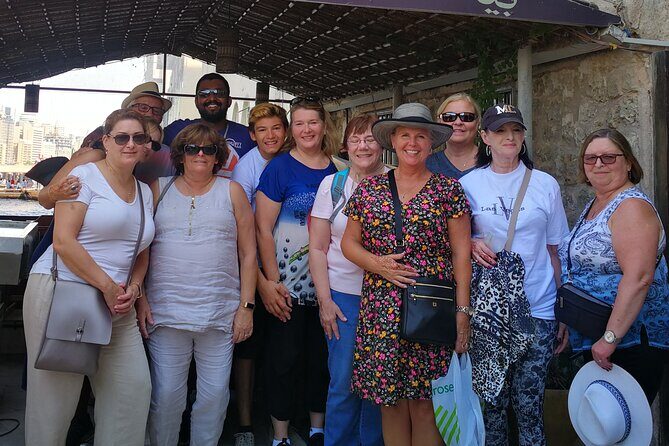
Your tour begins at Al Ras Metro Station (Al Khor Street, Deira area). This is helpful because you can get there by public transport instead of hunting for parking or paying for a taxi just to start your day.
From the first minutes, the tour’s tone is clear: it’s not only about stopping at places. It’s about learning how Old Dubai worked—where people traded, what they ate, and why the creek mattered. Expect a steady walking rhythm for about 3 hours, plus time for tastings and an abra crossing.
If you’re the type who likes to ask questions, this is one of the better formats. A max group size of 15 keeps the guide close enough to answer on the spot, which matters when you’re tasting things you’ve never seen before.
You can also read our reviews of more walking tours in Dubai



Deira’s roots: crepes, hummus, and the city’s trading beginnings
After meeting at Al Ras, the first leg heads toward Deira. This is where the tour frames Dubai as it really started: a small fishing and trading village, with food habits shaped by what was available and what traders needed.
Your first tasting is built around familiar-but-still-special street food: an Arabic crepe paired with dips like hummus. It’s a smart opener. You get grounded in flavors early, then you hear the why behind the ingredients as you walk.
A practical note: Deira’s lanes can feel busy and close, especially around markets. You’ll want comfortable shoes and a calm pace. The walking is part of the experience, and the guide uses that movement to tell the story without turning it into a lecture.
Gold and spice souks: learning how markets stay relevant
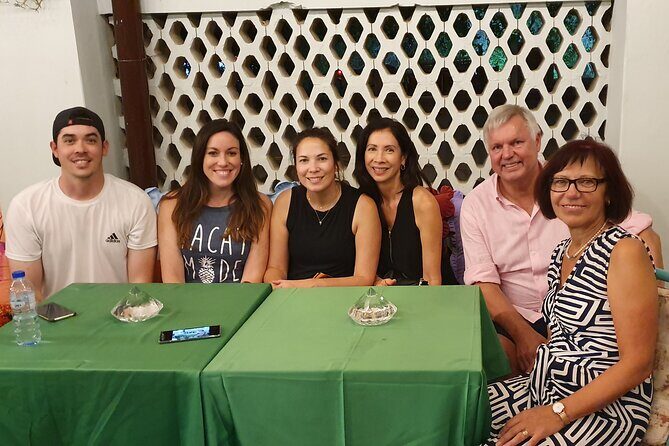
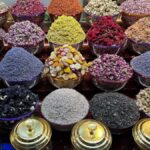
Next comes a short walk through the gold and spice souks. This isn’t just a quick pass for shopping. The tour focuses on how souks formed and what made them sustainable—then ties that to today’s reality, including the challenge of e-commerce.
Here’s what I think you should watch for: the guide doesn’t treat the souks like museum pieces. The point is that these markets were built around trust, repeat business, and practical access to goods. Even if you never plan to buy a spice mix or jewelry, this perspective helps you understand why these places still function.
During the spice market portion, you’ll also hear about how ingredients were used beyond flavor. That leads straight into one of the tour’s most interesting talking points.
Spices as medicine: Bedouin life, cooking, and what to notice
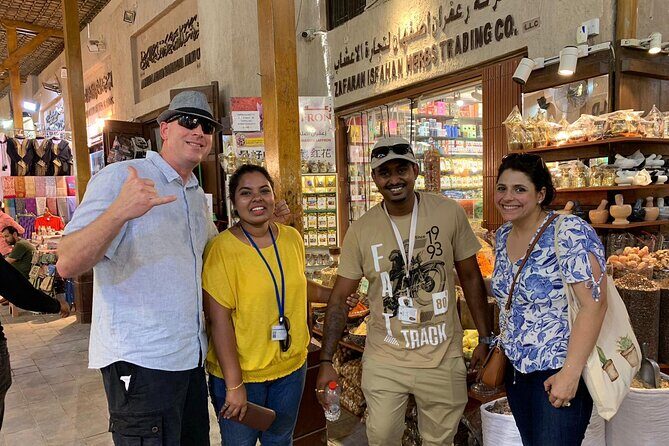
While you’re in the spice market, the guide shares the medicinal angle of spices—specifically connected to Bedouin life and the fact that specialty hospitals were not common until the 1960s.
Even if you don’t have a medical background, this part of the tour is worth paying attention to because it changes how you interpret what you’re tasting. Many spices are used in small amounts for warming effects, digestion support, or simple comfort food behavior. The tour connects that idea to cooking habits, not just “cool trivia.”
Taste-wise, don’t expect everything to be identical. Some bites are meant to be bright and direct (dips and crepe-style tastes), and others lean deeper into spice-forward profiles. If you’re sensitive to strong spice aromas, go slow in the spice lanes. You can still enjoy the explanations while taking smaller tastes.
Abra across Dubai Creek: a fast reset and a real local experience
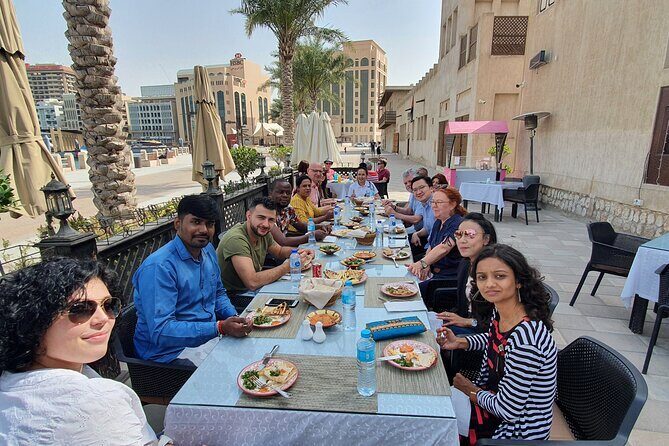
One of the highlights is the crossing by abra across Dubai Creek to Bur Dubai. It’s short, but it changes the whole day. You’re moving between neighborhoods the same way locals did for generations—no car windows, no traffic noise.
The abra ride also creates a natural break. After time in dense souks, you get a breather while still seeing the city from the water. Then the tour resumes with a different vibe on the other side.
The guide uses the crossing to connect the dots: trade routes, neighborhood roles, and how food and goods flowed. You’ll feel the story linking to the physical city.
You can also read our reviews of more food & drink experiences in Dubai



Bur Dubai and the textile streets: more than the obvious stops
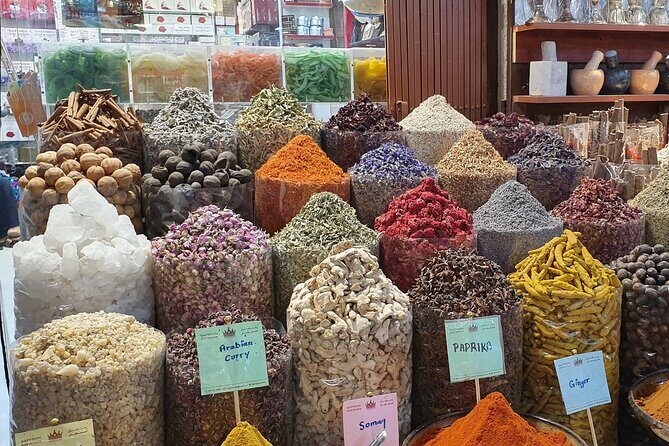
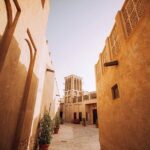
On the Bur Dubai side, you’ll explore “hidden place” style wandering, including textile souks and the Al Fahidi area. This is a key value of the tour: it isn’t only chasing the most famous photo spots.
Textile souks add context because trade isn’t only food. It’s the same marketplaces logic—people coming to buy essentials, bargaining, sharing info, and forming daily routines around what the neighborhood needed.
In Al Fahidi area, the vibe shifts again. The tour keeps connecting the historic threads, which helps you understand why food fits into the larger picture of how Dubai functioned as a trading hub.
The tastings are the meal: 12 stops and big variety
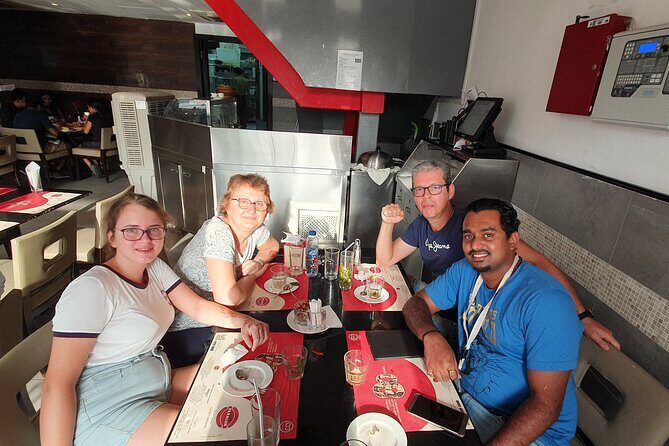
This tour earns its name with one simple thing: you eat a lot. The format is a hopping approach, with stops across old parts of Dubai, and the included dinner is built from 12 tastings. Quantities vary, so you might get a proper sample portion at one stop and a lighter bite at the next.
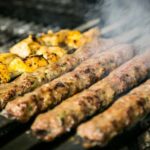
From the tasting list and guide style, you can expect a mix of classic Middle Eastern staples and Dubai street-food favorites, such as:
- Arabic crepe and dips (including hummus)
- Shawarma
- Tabbouleh
- Camel meat
- Additional snacks that past guests called out as memorable, including chicken shawarma, caramel milk ice cream, and a camel burger
That last bit matters. Even if you’re curious, you might not know what to expect from camel dishes. The tour doesn’t treat this like a stunt. It places it inside the local food logic—what people ate historically, and what still shows up in market cooking today.
One thing I like about the tasting plan: the variety helps you avoid the “one-food-only” problem. You’re not just sampling bread and dips for three hours. You get enough range to feel like you’ve experienced a snapshot of Old Dubai’s everyday plates.
If you have dietary restrictions, the tour data only states what’s included and that menu items beyond tastings aren’t covered. You should check with the operator when you book, especially if you avoid specific meats or spicy flavors.
Guides, pacing, and why the group size matters
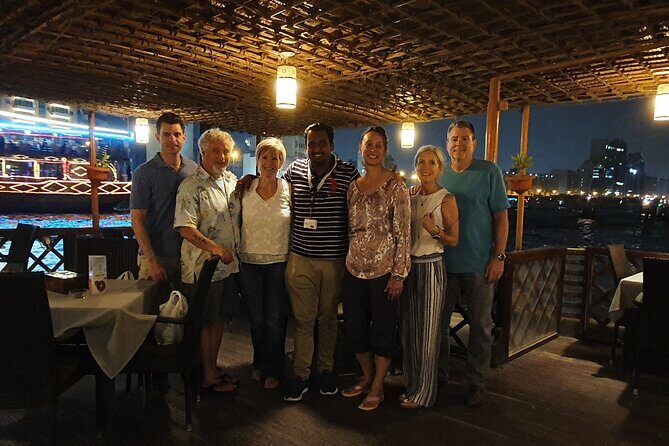
A maximum of 15 travelers changes how the tour feels. You won’t spend half the time waiting for everyone to catch up or standing behind strangers to hear the explanation.
It also helps that the reviews highlight guides who stay engaged. One couple had Malick as their guide and described him as brilliant and a big part of why the experience worked. Another guest praised Sandy as proactive and informative, with food that was plentiful and genuinely tasty.
That “engaged guide” element matters because the tour is built around food + story. If the guide rushes, the history part can feel thin. With the small group structure, you’re more likely to get the extra details—like the medicinal spice angle and the how-souks-work explanation—without it becoming a one-way monologue.
Price and value: is $350 worth it?
Let’s talk honestly about the $350 per person cost. Yes, it’s high compared with casual food tours you might find elsewhere. But this one includes several value boosters built into the format:
- 12 tastings across multiple stops, designed to add up to dinner
- Bottled water included
- A creek crossing by abra, which you don’t always see on budget walking tours
- A small-group cap of 15, which supports more guide attention
If you compare it to buying dinner plus paying for separate attractions and guided guidance, it starts to make more sense. You’re essentially paying for a guided “Old Dubai meal route” with transportation and a structured tasting plan.
If you’re in Dubai for a short trip and you want the most efficient use of time, this is one of those tours that can do real work for your itinerary. But if you’re traveling on a tight budget or only want a couple bites, you may feel $350 is more than you need.
What to bring for a comfy Old Dubai day
The tour includes bottled water, but I’d still plan for comfort. Bring:
- Comfortable walking shoes for market lanes and souks
- A light layer, since weather can shift
- An appetite. The tastings are meant to be enough for a full meal
- A bit of openness toward new flavors, including spice-forward items and camel dishes
The experience also notes that it requires good weather. If conditions aren’t right, you should expect the operator to offer an alternate date or a full refund, so don’t stress too much.
Who should book this tour (and who might not love it)
This tour is a strong fit if you:
- Want Old Dubai context, not just modern skyline views
- Like food with explanations behind it—why certain dishes and market habits exist
- Prefer a small group and a guide you can actually talk to
- Enjoy markets, spices, and the texture of everyday street life
It might not be ideal if you want a laid-back stroll with only minimal tasting. The tour is built around eating your way through several stops.
Should you book Dubai’s Favourite Food & Historic walking Tour?
If you’re choosing between a quick food crawl and a guided “how this city fed itself” experience, I’d point you toward this one. The combination of souks + abra + 12 tastings gives you both flavor and context, and the small-group size supports real conversation. For me, the biggest selling point is that it treats food as part of Dubai’s story, not just something to tick off.
Book it if you have the budget and you’re excited to taste widely, including spice-heavy market food and meat options like camel. If $350 feels too steep for your trip style, you can still have a great time in Dubai—just choose a different format.
FAQ
How long is Dubai’s Favourite Food & Historic walking Tour?
It’s about 3 hours.
Where does the tour start?
You meet at Al Ras Metro Station.
What is the price per person?
The price is $350.00 per person.
What’s included in the tour?
It includes dinner made up of 12 tastings (with variable quantities) and bottled water.
Are there additional food costs during the tour?
Anything not part of the tastings is not included, so menu items beyond the tasting plan are extra.
Does the tour include an abra ride?
Yes. You’ll take an abra ride across Dubai Creek.
How many tastings are part of the tour?
There are 12 different tastings.
How big is the group?
The tour has a maximum of 15 travelers.
Is there free cancellation?
Yes, there’s free cancellation if you cancel up to 24 hours before the experience starts. Poor weather can also lead to an alternate date or a full refund.