REVIEW · DUBAI
Local Street Food and Guided Walking Tour of Dubai Old Town
Book on Viator →Operated by F H Tourism · Bookable on Viator
Street food plus Old Dubai beats museum days. This guided route threads Dubai Old Town with the sights and smells of old neighborhoods, then adds a short Dubai Creek boat ride and plenty of tastings along the way. You see the parts of Dubai people rarely slow down to notice: air-tower architecture, working markets, and the everyday flow between Deira and Bur Dubai.
I love the way the food plan is built around the route. You’ll sample street-food classics like shawarma, falafel, hummus, and sweets such as luqaimat and kunafa, with tea and other drinks served during the tour. I also like that shopping stops come with real guidance—especially in the Textile Souk, where bargaining is part of the fun and not just an afterthought.
The main trade-off is comfort. It’s a tight 3-hour walk through busy lanes, and the sun can feel strong at points, so wear breathable shoes and plan to keep moving at a steady pace.
In This Review
- Key highlights to know before you go
- Why Dubai Old Town food works better than a sit-down meal
- Price and value: what $115.83 really buys you
- Meeting point to last stop: the route is built for getting your bearings
- Stop 1: Al Fahidi Historical Neighbourhood and the barjeel air-towers
- Stop 2: Al Fahidi Fort—built like a fortress, used like power
- Stop 3: Dubai Hindu Temple (Temple Lane) in about 10 minutes
- Stop 4: Textile Souk color and bargain energy (about 20 minutes)
- Stop 5: Al Souk Al Kabir—art galleries, tea, and a calmer pace (about 1 hour)
- Stop 6: Abra station and the boat-ride tastings across Dubai Creek
- Stop 7: Dubai Spice Souk—aroma first, shopping second (about 20 minutes)
- Stop 8: Gold Souk—bigger than you expect, fast-paced in the best way (about 20 minutes)
- The food plan: what you’ll taste and how it changes your route
- Guide quality: Mansoor’s kind of help is exactly what you want
- Practical tips for a smoother 3-hour Old Dubai walk
- Should you book this Dubai Old Town street food walking tour?
- FAQ
- How long is the Local Street Food and Guided Walking Tour of Dubai Old Town?
- How much does the tour cost?
- What food and drinks are included?
- What are the main stops on the itinerary?
- Where does the tour start and end?
- Is the tour private?
Key highlights to know before you go
- Al Fahidi air-tower architecture (barjeel) shows how old Dubai cooled buildings long before modern AC
- Dubai Creek Abra crossing plus Iranian faluda, a secret refreshing juice, and dates chocolate on the boat
- Souk time that makes sense: Textile Souk, Spice Souk, and Gold Souk with practical stops in between
- A real temple visit at the Dubai Hindu Temple complex (Shiva Mandir, Krishna Mandir, Gurudwara)
- Guide storytelling with names in the mix—in particular, Mansoor’s explanations and buying advice get high praise
Why Dubai Old Town food works better than a sit-down meal
If you want Dubai in one afternoon without feeling like you’re stuck in a mega-mall, this is a smart way to start. The tour puts you in the oldest street grid, then feeds you as you go—so history and taste are happening at the same time.
You get a mix that’s hard to recreate on your own: a short walk through preserved areas, a quick temple stop, then straight into souks where the city still trades in everyday goods. And the food tastings aren’t random. They’re tied to the route, with tea and drink breaks that keep the pace human.
You can also read our reviews of more walking tours in Dubai



Price and value: what $115.83 really buys you
At about $115.83 per person for roughly 3 hours, this isn’t the cheapest option in Dubai. The value comes from three things you’d otherwise have to piece together:
First, you’re paying for a professional licensed guide who helps you read the neighborhood fast—what you’re looking at and why it matters. Second, the tour includes bottled water and multiple tasting moments (not just one plate and done). Third, it includes key transit and experience pieces, like the Abra crossing across Dubai Creek.
There’s also the practical side: it’s a private tour with only your group participating, plus you get a mobile ticket. If you’re trying to compress planning into one afternoon, this format helps.
Meeting point to last stop: the route is built for getting your bearings
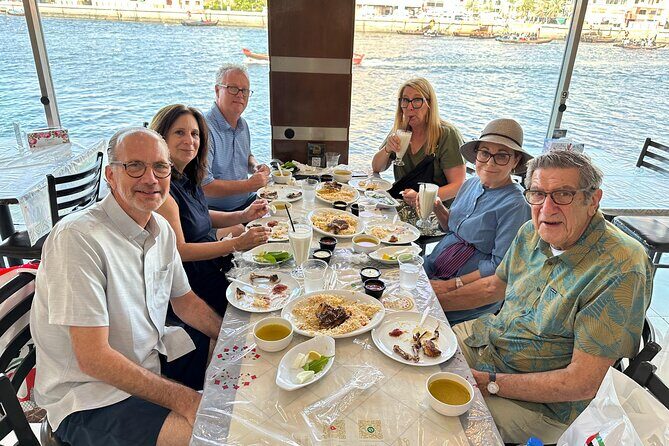
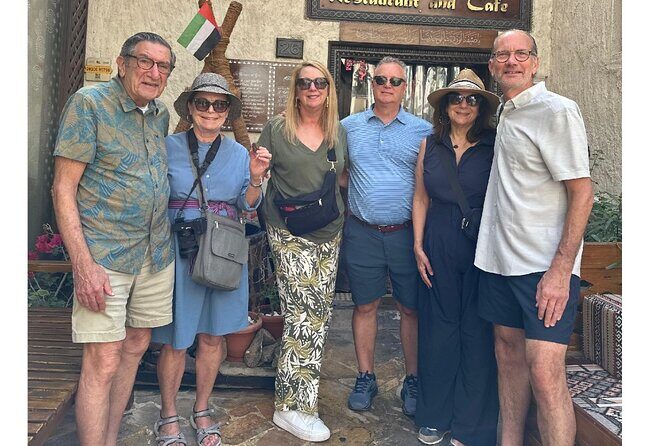
The tour starts at Arabian Tea House Restaurant & Cafe – Al Fahidi, near the Musalla Post Office in the Al Fahidi area (Bastakiya). Ending at Al Ras Metro Station is a nice finish. You’re not stranded in the middle of nowhere at the end; you can hop back into the city with less friction.
The route direction also helps you understand geography. You’ll see how Old Dubai connects by foot and by water, especially once you cross Dubai Creek on an Abra.
Stop 1: Al Fahidi Historical Neighbourhood and the barjeel air-towers

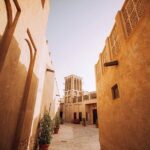
The Al Fahidi Historical Neighbourhood stop is the foundation of the whole tour. This area reflects Dubai’s older building style from the mid 19th century through the 1970s, and you can see it in the layout: buildings lined up close together, separated by alleys and pathways that feel intentionally designed for movement and community.
The standout detail is the barjeel—those high air towers. In the heat, they were part of the cooling strategy. You’ll also notice traditional building materials mentioned for the area’s construction, like stone and gypsum, along with wood elements such as teak and sandal wood, plus fronds and palm wood in design features. It’s one of those stops where you start looking at architecture differently, not just admiring it.
A practical downside: this is mostly exterior walking and street viewing. If you’re hoping for long indoor museum time, you won’t get it here. But for understanding the soul of Old Dubai, it’s a strong start.
Stop 2: Al Fahidi Fort—built like a fortress, used like power
From there you move toward the oldest fortress-style structure in Dubai dating back to the 1780s, described as the center of politics in old days. Even if you only have a short time window, this is a useful pivot from domestic life in Al Fahidi to the city’s governing and security role.
What I like about this stop for your planning: it helps you place the neighborhood in context. You’re not just seeing quaint buildings—you’re learning how Dubai’s old power structure shaped the area around it.
The short time (about 20 minutes total in the broader neighborhood stop) means you’ll want to pay attention to your guide’s pacing. This isn’t a slow meander. It’s a quick, clear orientation.
You can also read our reviews of more food & drink experiences in Dubai



Stop 3: Dubai Hindu Temple (Temple Lane) in about 10 minutes
You’ll then visit the Dubai Hindu Temple, a place of worship serving the Hindu community in the UAE. The temple complex was initially established in 1958 in Bur Dubai and includes sections like the Shiva Mandir, Krishna Mandir, and Gurudwara.
This is one of the best stops on the itinerary for showing Dubai as a city of many cultures, not just one postcard. In a short time, you get a real sense that Old Dubai has always been shaped by different communities living and working side by side.
Because the visit is brief, you won’t get a long tour of every corner. But the time window is enough for a respectful look and a basic understanding of what you’re seeing.
Stop 4: Textile Souk color and bargain energy (about 20 minutes)
Next comes the Textile Souk, described as one of Dubai’s oldest traditional markets. Expect a dense mix of color, textures, weaves, and embroidery from around the world. This is the kind of place where you’ll start noticing differences in fabric weight, stitching, and finishing because everything is right in front of you.
The practical tip here is baked into the experience: you’re encouraged to bargain. That matters because it changes how you shop. Instead of feeling like you’re at a fixed-price store, you’re participating in how the market actually works.
One consideration: if you’re not interested in shopping, the souk can still be fun as a sensory walk. But you’ll likely feel more engaged if you plan to buy something small—like a shawl or souvenir textiles—so your time has a tangible payoff.
Stop 5: Al Souk Al Kabir—art galleries, tea, and a calmer pace (about 1 hour)
After the Textile Souk, your route brings you to Al Souk Al Kabir in the Al Fahidi district. Here, the vibe shifts a bit. The courtyards and traditional stone houses create a more open-feeling hangout space, and you’ll see tea shops plus modern art galleries in the mix.
You also get scenic views toward Dubai Creek, which is a welcome break from nonstop shopping alleys. If the earlier souk felt like sensory overload, this stop gives your eyes room to reset.
This part is about 1 hour, which is a solid window for photos, a slow look around, and deciding what you want to do next. The downside is also simple: if you want constant motion, this is one section where you can afford to slow down.
Stop 6: Abra station and the boat-ride tastings across Dubai Creek
One of the coolest parts of this tour is that you don’t just look at the water—you cross it. You’ll head to the Bur Dubai Abra Station and take an Abra ferry across Dubai Creek, separating Bur Dubai and Deira.
This short ride is also one of the most affordable-feeling ways to experience the city’s layout. It’s an authentic snapshot of how people move here, even if you’re only doing it for a quick crossing.
And the food doesn’t wait until land. On the boat ride, you’ll try Iranian faluda, a secret refreshing juice, and dates chocolate. That combination makes the crossing memorable because it turns the transit moment into an actual mini-experience.
If you’re sensitive to motion or strong tastes, keep in mind you’re sampling multiple items in a short window. The upside is that the flavors reset you for the next souk.
Stop 7: Dubai Spice Souk—aroma first, shopping second (about 20 minutes)
At the Dubai Spice Souk, the smell hits quickly. This market is described as the oldest in Dubai, and it lives up to that reputation with a heavy focus on spices you can actually see and smell as you walk.
Your guide’s role matters here. Without someone to point things out, you might just keep thinking: pretty smells, where do I start? With guidance, it becomes easier to understand what you’re looking at and how to judge what you might buy.
Bargaining is again encouraged, so if you want the full cultural shopping experience, come ready to negotiate a little. If shopping isn’t your thing, this is still worth it as a sensory stop—you can learn how spices are traded and what varieties look like.
Stop 8: Gold Souk—bigger than you expect, fast-paced in the best way (about 20 minutes)
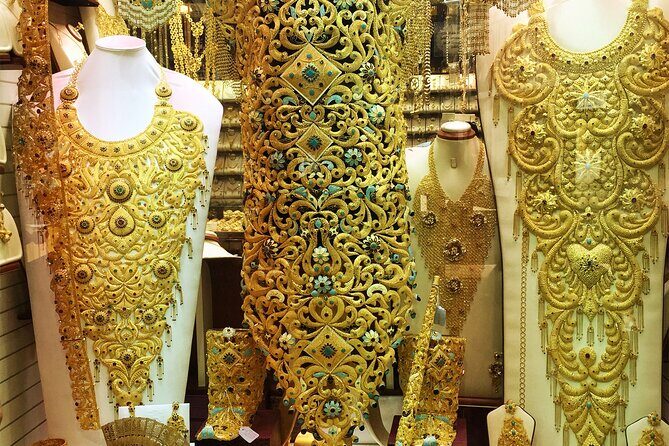
Finally, you end in the Dubai Gold Souk, described as one of the largest gold markets in the world. You’ll see an enormous collection of jewelry shops and goods, with a wide variety of options aimed at different budgets and styles.
This stop is short—about 20 minutes—but it’s well matched to the type of place it is. Gold shops can pull you into long browsing loops. Keeping the timing tight helps you enjoy it without getting lost.
If you’re the type who likes comparing styles, stones, and craftsmanship, this is a fun finish. If you’re shopping-sensitive and prefer not to walk through intense sales energy, treat this as a look-and-learn stop rather than a buying mission.
The food plan: what you’ll taste and how it changes your route
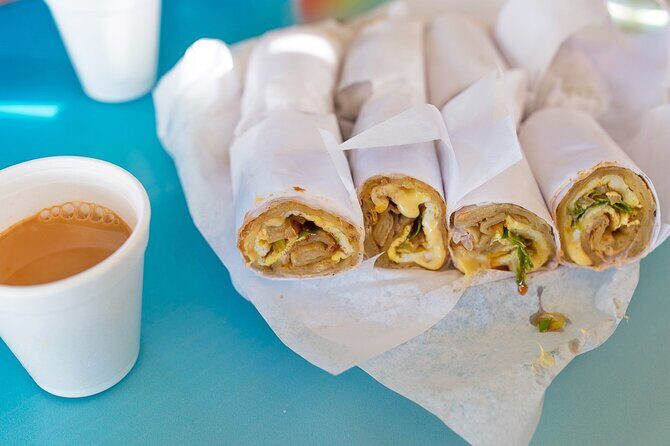
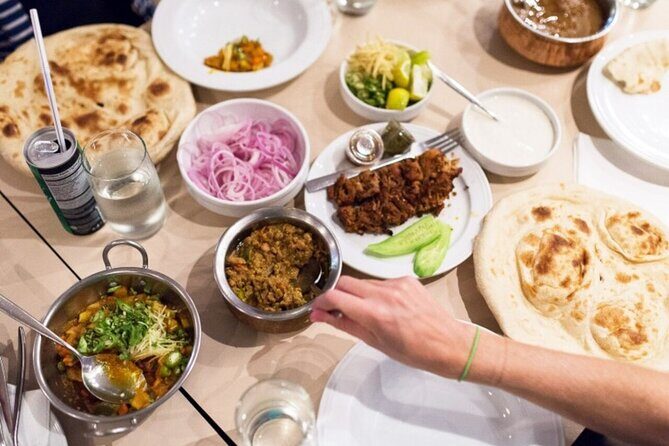
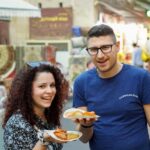
This tour is built around local street food, plus tea and drinks throughout. The list includes shawarma, falafel, hummus, and options like chicken mandi or madhbi, plus sweets including kunafa and luqaimat. Tea and other drinks are included, and bottled water is provided.
Here’s why this matters: Dubai’s old neighborhoods can be physically demanding if you’re hungry and trying to navigate alone. With tastings scheduled through the route, you’re less likely to scramble for food at the wrong time—especially in areas where eating spots may not be obvious.
Also, a tip that pops up in the tour feedback style of this experience: come hungry. There’s enough food here that you’ll get better value if you’re ready to eat, not just nibble.
Guide quality: Mansoor’s kind of help is exactly what you want
One of the strongest points from the experience setup is the human part. The tour includes a professional licensed guide, and feedback highlights guides like Mansoor for communicating clearly and sharing practical advice on where to buy things and how much to pay.
Even if you don’t plan to buy much, that kind of direction makes the souks easier. You spend less time guessing and more time enjoying the sights and tastes.
Practical tips for a smoother 3-hour Old Dubai walk
A few small things will help you enjoy this without feeling rushed:
- Wear comfy shoes. The route is built for walking through alleys and market areas.
- Expect shopping zones. Textile, spice, and gold souks are all part of the itinerary.
- Ask about bargaining early. The tour encourages it in the Textile Souk and Spice Souk, so get your approach down before you start.
- Use the tea/drink breaks. They’re there to keep energy steady as you move from stop to stop.
- Keep your pace steady. The whole plan is about timing—short stops add up fast.
If you want Old Dubai plus food plus a little boat ride in one afternoon, this tour’s structure does the heavy lifting.
Should you book this Dubai Old Town street food walking tour?
Book it if you want a clear, guided way to see Al Fahidi, the spice and textile souks, and the Gold Souk without planning a complex route yourself. It’s also a great choice if you like eating as you go—shawarma, falafel, hummus, sweets, and tea—so your afternoon feels like a string of moments rather than a checklist.
Skip it if you’re looking for long museum-style time, or if you prefer a slow, low-stimulation walk where shopping stops are optional. The route does include multiple markets, and you’ll feel their energy.
FAQ
How long is the Local Street Food and Guided Walking Tour of Dubai Old Town?
The tour is about 3 hours.
How much does the tour cost?
The price is $115.83 per person.
What food and drinks are included?
The tour includes local street food, bottled water, and tastings of local products, plus tea/drinks. Food options mentioned include shawarma, kunafa, chicken mandi or madhbi, falafel, hummus, luqaimat, and more. During the boat ride you also try Iranian faluda, a secret refreshing juice, and dates chocolate.
What are the main stops on the itinerary?
The route includes Al Fahidi Historical Neighbourhood, a fortress-style historic building (Al Fahidi Fort), the Dubai Hindu Temple, the Textile Souk, Al Souk Al Kabir, Bur Dubai Abra Station (for crossing Dubai Creek), the Dubai Spice Souk, and the Dubai Gold Souk.
Where does the tour start and end?
It starts at Arabian Tea House Restaurant & Cafe – Al Fahidi (near the Musalla Post Office) and ends at Al Ras Metro Station on Baniyas Rd in Deira.
Is the tour private?
Yes. It is listed as a private tour/activity, so only your group participates.