REVIEW · DUBAI
Walking Tour in Dubai. Souks, museums, Local Food Testing
Book on GetYourGuide →Operated by travel with malik · Bookable on GetYourGuide
Gold smells and Abra crossings make Dubai make sense fast. On this guided walking tour in Old Dubai, I love the practical combo of souks plus a real Abra crossing over Dubai Creek. You get the city’s heritage in a route that’s easy to follow and hard to forget, from Al Fahidi’s historic texture to market streets that feel like they run on scent and chatter.
I also like the included bites—camel milk tea and camel milk chocolate—paired with street-food tastings as you move through the spice and souk stops. One thing to plan for: it’s mostly walking, so wear comfortable shoes, and it isn’t suitable for wheelchair users or people with mobility impairments.
In This Review
- Key highlights worth your attention
- Old Dubai on foot, plus an Abra crossing
- Starting at Sharaf DG and easing into Al Seef
- Al Fahidi District: architecture, old mosque vibes, and museum culture
- Textile Souk and Souq Al Kabeer: fabrics, smells, and street-level logic
- Abra across Dubai Creek: the short ride that changes everything
- Dubai Spice Souk: coffee-and-spice atmosphere plus included tastings
- Gold Souk and the 350+ tax-free gold retailers
- Price and what’s actually included in the $24 value
- Who this tour fits best (and who should skip it)
- Should you book this walking tour in Dubai’s Old Town?
- FAQ
- What does the Dubai walking tour cost?
- How long is the tour?
- Where do I meet the guide?
- What’s included in the ticket price?
- Does the tour include crossing Dubai Creek?
- Is the tour in English?
- Is luggage or a large bag allowed?
- FAQ
- What if I need to cancel?
- Is this tour suitable for wheelchair users?
- What should I bring?
- Can I reserve and pay later?
- Where does the tour end?
Key highlights worth your attention
- Old Dubai on foot, plus an Abra crossing for that classic Dubai Creek feel
- Al Fahidi District architecture and old-town landmarks that explain the city’s roots
- Textile, spice, and gold markets in a single tight loop
- Dubai Gold Souk browsing with tax-free retailers—great for window-shopping and shopping-smart
- Included tastings like camel milk tea, camel milk chocolate, and street food samples
- English live guide who handles questions well (I’ve seen guides like Abdullah and Ikram praised for this)
Old Dubai on foot, plus an Abra crossing
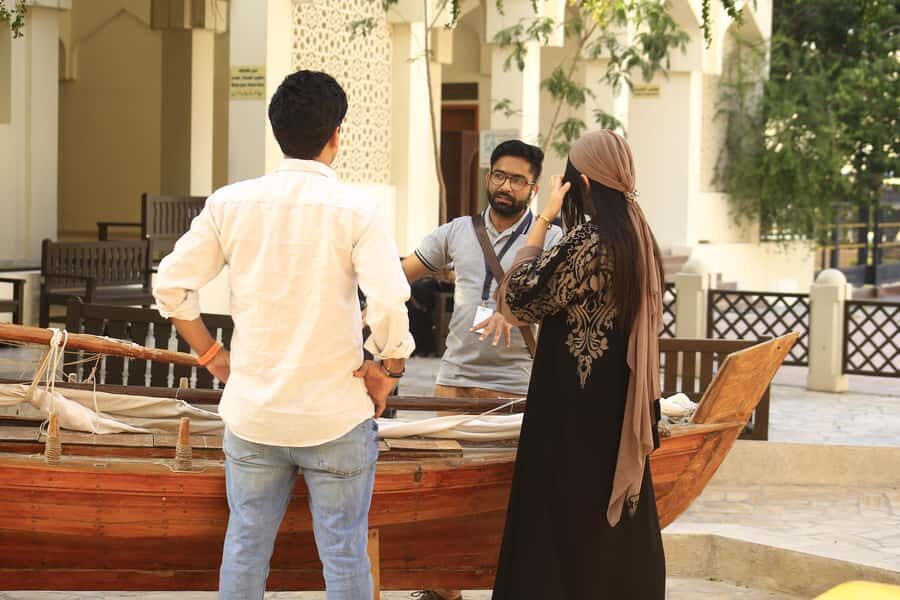
If you want Dubai to feel like Dubai—not just a skyline photo—this tour targets the older engine of the city: markets, creek life, and craft streets. The route is designed so you’re not bouncing around by taxi all day. Instead, you walk through historic areas, then take a short water taxi ride that instantly changes the mood.
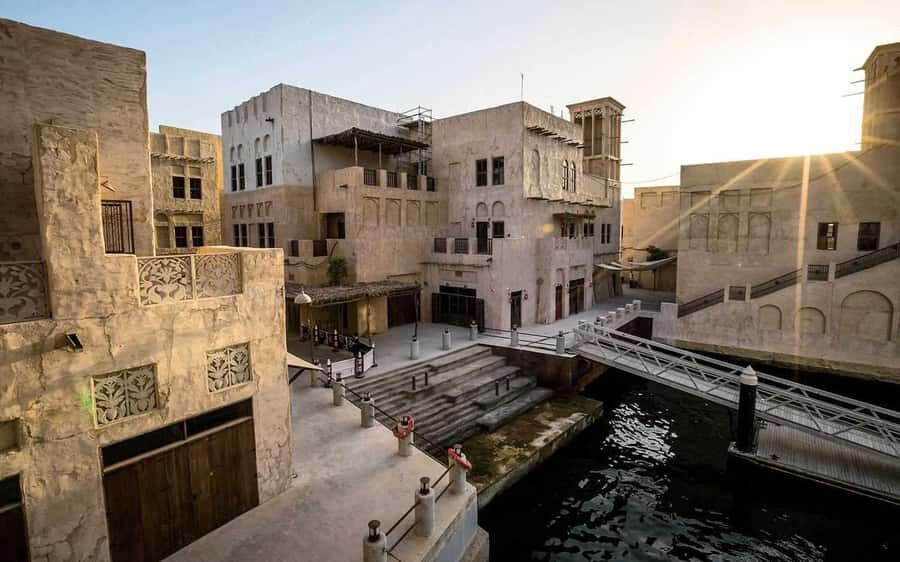
The best part is how the tour mixes old architecture with the places where people still shop and trade. You’ll see traditional-style homes and wind-tower views, then move into market lanes where spices, coffee, and fabrics do most of the talking. It’s a simple plan that pays off fast.
This is also one of those experiences that works well even if you’re not a “history person.” The history is there—Al Fahidi, old walls, museum stops—but the tour keeps you moving, smelling, and looking. You’re not stuck in a single room waiting to be entertained.
You can also read our reviews of more walking tours in Dubai

Starting at Sharaf DG and easing into Al Seef
You meet at Sharaf DG Metro Station Exit 4, which is a useful detail if you’re staying anywhere near metro lines. From the start, the pace feels manageable: short transfers on foot, photo stops that help you frame the area, and then proper guided time so you’re not just wandering.
One early stop is Al Seef, where you get a photo break and some guided context. This is a good “warm-up” section. It helps you orient yourself to Dubai Creek’s layout, and it sets you up for the older lanes ahead without throwing you into the busiest market streets immediately.
Practical tip: the sun can be steady in Dubai, even when the air feels warm rather than hot. Bring sunglasses (you’ll be glad you did), and keep an eye on shade between stops.
Al Fahidi District: architecture, old mosque vibes, and museum culture
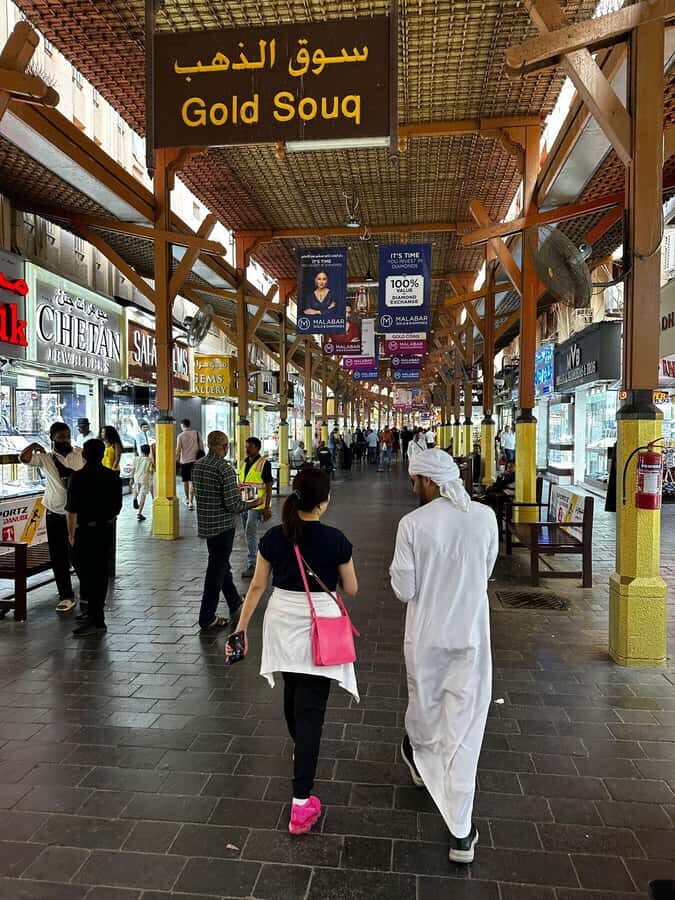
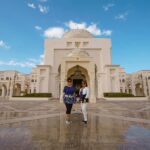
The heart of the Old Dubai feel is the Al Fahidi District area. Here you’ll notice the style right away: older Arabian-style buildings, quiet courtyard shapes, and streets that feel made for walking. This part matters because it shows how Dubai looked before it became synonymous with glass towers.
You also pass by the Old Mosque, which gives you a quick but meaningful sense of the area’s heritage. Then you move through the historic layers nearby, including the remains of Dubai’s Old Wall, built around 1800 AD. That’s the kind of detail that turns a photo into a story—suddenly you can picture the city’s boundaries instead of just seeing “old buildings.”
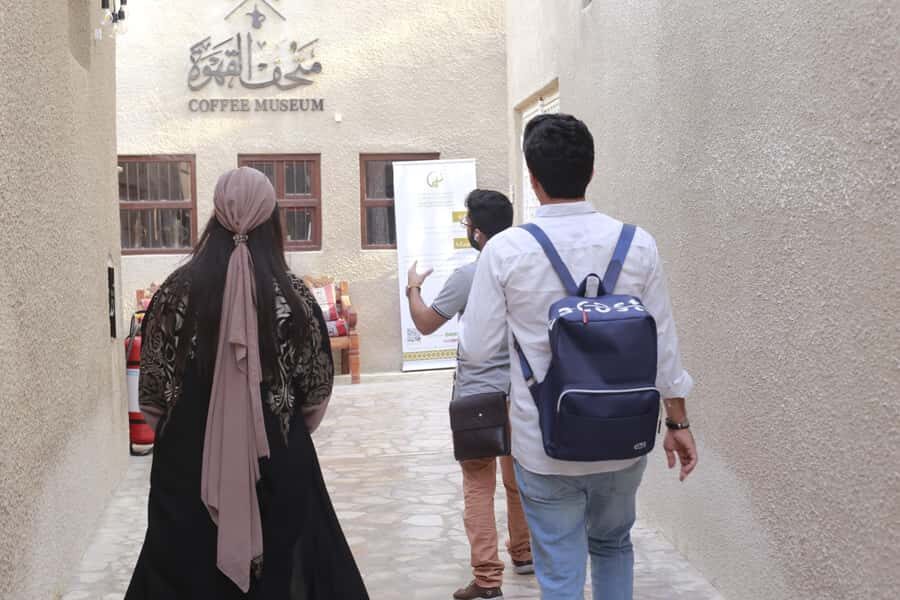
The tour also includes time near the Dubai Museum area. You’ll see relics and artifacts that connect the architecture and daily life of the past to present-day Dubai. And since the district’s historic buildings are used for cultural venues—like galleries and even a coffee-focused museum—you get a sense that heritage isn’t locked behind ropes. It’s part of how the neighborhood lives now.
What I like here: the pacing. You’re not sprinting. You get guided time at key points, then you walk onward with a better sense of what you’re looking at. That reduces the “I’m just following instructions” feeling and replaces it with “Oh, I get it.”
Textile Souk and Souq Al Kabeer: fabrics, smells, and street-level logic
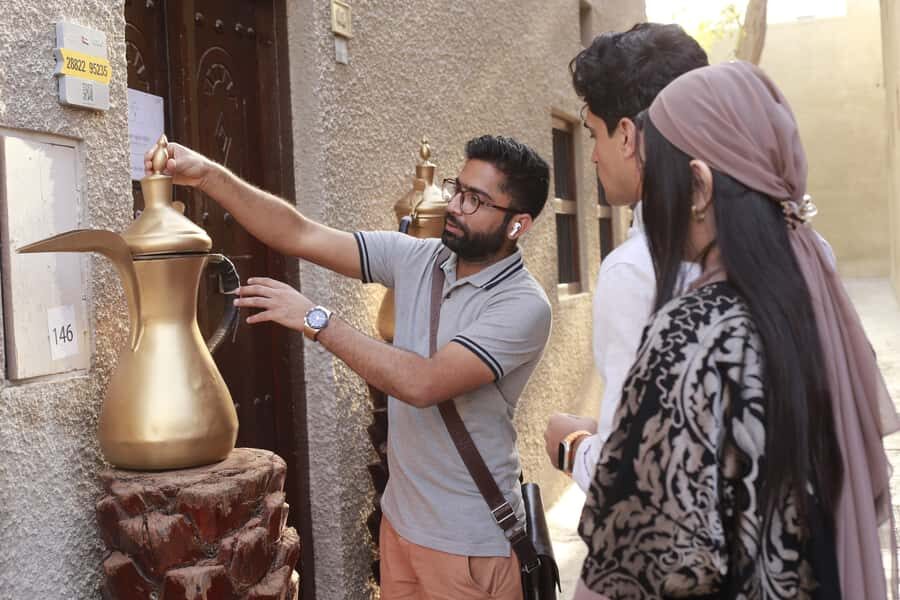
After the historic core, you shift into the market zone where Dubai’s Old Town is most alive. You’ll pass through Al Souq Al Kabeer and the Old Textile Market area, with photo stops plus guided time.
Textile markets in Dubai are more than colorful stalls. They’re a place where you see how people shop in real life—fabric by fabric, color by color, and often with staff who can explain what you’re looking at. Even if you’re not buying, this section gives you a clearer read on how the city’s trade culture works.
One small drawback to note: market streets can get crowded, especially in peak travel seasons. That’s not a problem with the tour itself—it’s simply the nature of souks. If you don’t like close spacing, plan to go slower during guided moments and let the group flow around you rather than fighting the crowd.
Still, this is exactly why the tour is worth doing: it keeps you in the places where people actually buy everyday items, not just tourist “look-and-leave” stops.
Abra across Dubai Creek: the short ride that changes everything
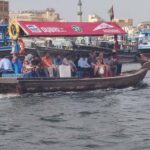
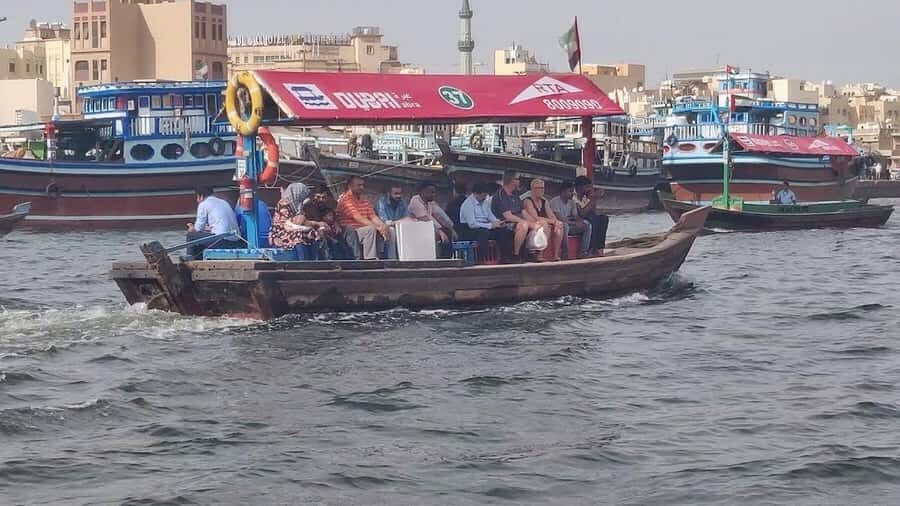
Then comes the water taxi (Abra) ride across Dubai Creek. It’s only a brief segment, but it creates a big shift. On one side, you’re in the old lanes. On the other side, you’re set up for the gold and spice markets, and the whole experience feels more complete.
I like this part because it’s efficient. You don’t have to squeeze in a separate activity. You get the classic Dubai Creek experience built into the flow, and you arrive on the right side of the market world.
Also, it’s a great “break” from constant walking. Even if you’re enjoying the tour, your feet will appreciate a short change in pace. Just keep your camera accessible, because the creek views and waterfront angles are the kind you’ll want to remember later.
You can also read our reviews of more food & drink experiences in Dubai

Dubai Spice Souk: coffee-and-spice atmosphere plus included tastings
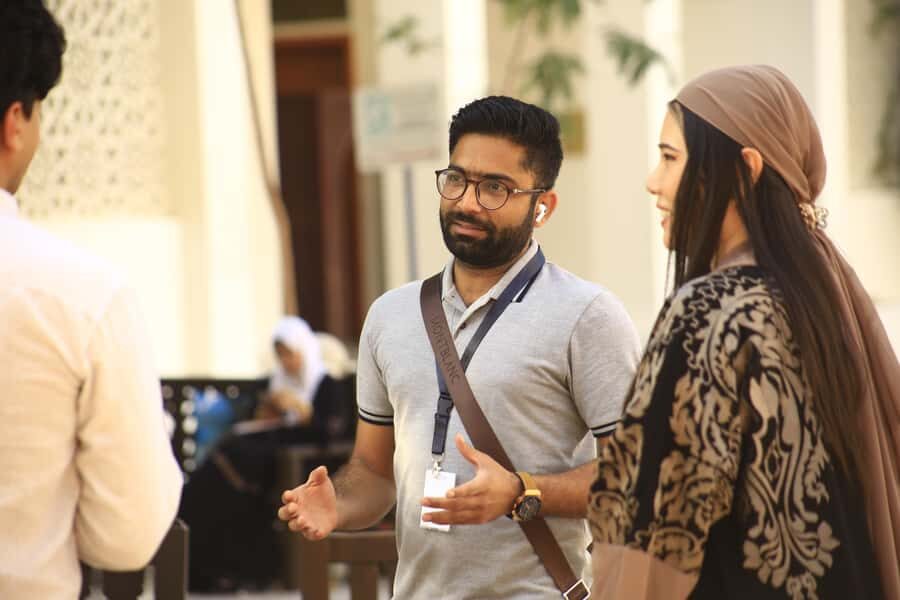
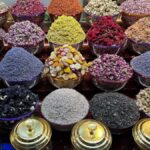
The Dubai Spice Souk stop is where the senses fully kick in. The key thing here isn’t just the spices on display—it’s the way the market feels when you’re walking through it. Coffee smells, ground spices, and vendor calls all mix together, and the guided time helps you understand what you’re seeing rather than just staring.
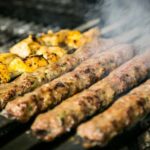
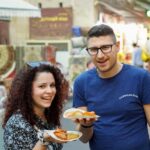
This is also one of the standout sections for most people because it connects smell to taste. You’ll get included tastings such as street food, plus drinks like camel milk tea. If you’ve never had camel milk products, this is the easiest way to try them without planning your own detour.
Two quick considerations:
- Camel milk chocolate and tea may be a novelty for you, but treat it like a sample. If you’re unsure, start small and see how you like it.
- Spices can be tempting to buy in quantity. If you plan to shop, keep in mind you won’t be carrying a suitcase—luggage or large bags aren’t allowed on the tour.
If you’re the type who likes practical shopping—things that actually go home and get used later—spice market time is a great use of your afternoon.
Gold Souk and the 350+ tax-free gold retailers
The Gold Souk is the headline stop, and it lives up to the hype. You’ll visit one of the largest gold retail markets in the world, with over 350 tax-free gold retailers to browse.
Here’s how to make this work for you. Don’t rush. The Gold Souk is intense—bright displays, lots of counters, and a “just browsing” atmosphere that can still feel like a sales floor. A guided approach helps you slow down enough to compare what you see and understand the market pattern.
I also like that this stop gives you the chance to shop with confidence. Even if you only buy small items, the experience is more valuable than a quick peek because you learn how to look. There’s also been praise for the kinds of buys people find here, like Dubai chocolate and spice selections with prices that can feel surprisingly fair compared to touristy expectations.
The tour doesn’t pressure you into big-ticket purchases. It’s more about helping you experience the place properly—then you decide what fits your budget.
Price and what’s actually included in the $24 value
For $24 per person and about 3 hours, this tour packs in more than the typical “walk and photos” format. What you’re paying for isn’t only the route. You’re paying for the guide time, the Abra crossing, and the built-in tastings that would otherwise cost you extra (or require you to hunt them down yourself).
Included items you’ll get:
- Tour guide
- Abra water taxi trip
- Camel milk tea
- Camel milk chocolate
- Street food taste
- Bottled water
That combination is a big part of the value. You’re not just consuming sights; you’re sampling the local flavors tied directly to the market stops.
On logistics: the tour starts at Sharaf DG Metro Station Exit 4 and finishes at Al Ras Metro Station. That matters because you can keep moving through your day without backtracking the whole route.
And remember the comfort factors:
- Bring comfortable shoes. You’ll be on your feet for most of the 3-hour loop.
- Sunglasses help with glare and long outdoor stretches.
- No large bags or luggage, so travel light.
Who this tour fits best (and who should skip it)
This is a strong choice if you want Old Dubai with structure: you like walking, you enjoy markets, and you want local tastings without planning a dozen micro-stops. It’s also a good fit if you’re solo, couple, or small group and you’d rather have a guide handle the “where do I go next?” piece.
It’s less ideal if:
- You have mobility limitations or use a wheelchair, because it’s not suitable for wheelchair users.
- You need a fully seated experience, since the route is built around walking plus short transit breaks.
If you’re worried about English comprehension, the tour is live guide in English, so you should be able to follow along and ask questions. Guides like Abdullah and Ikram have earned strong marks for explaining what you’re seeing and handling visitors’ questions well, which really boosts the whole experience.
Should you book this walking tour in Dubai’s Old Town?
I’d book it if you want the best “first Old Dubai afternoon” you can get in a short window. The mix of Al Fahidi heritage, souk shopping, and a creek crossing makes the tour feel complete. And the included tastings—camel milk tea and camel milk chocolate plus street food—turn it from sightseeing into something you can taste and remember.
Skip it if your plan is mostly about modern Dubai and you don’t want market crowds, or if you need accessibility accommodations for walking-heavy routes.
If you’re trying to decide fast, here’s the simplest way to think about it: this tour is for people who want Old Dubai to feel real. You’ll leave with better context, a stronger sense of where Dubai’s older trade life happened, and a few edible souvenirs to match.
FAQ
What does the Dubai walking tour cost?
The price is $24 per person.
How long is the tour?
The tour duration is 3 hours.
Where do I meet the guide?
You meet at Sharaf DG Metro Station Exit 4.
What’s included in the ticket price?
Included items are the tour guide, Abra water taxi trip, camel milk tea, camel milk chocolate, street food taste, and bottled water.
Does the tour include crossing Dubai Creek?
Yes. The tour includes an Abra (water taxi) ride across Dubai Creek.
Is the tour in English?
Yes. The tour has a live guide in English.
Is luggage or a large bag allowed?
No. Luggage or large bags are not allowed.
FAQ
What if I need to cancel?
You can cancel up to 24 hours in advance for a full refund.
Is this tour suitable for wheelchair users?
No. It is not suitable for wheelchair users or people with mobility impairments.
What should I bring?
Bring comfortable shoes and sunglasses.
Can I reserve and pay later?
Yes. It offers reserve now & pay later, so you can book your spot and pay later.
Where does the tour end?
The tour finishes at Al Ras Metro Station.